 Flux Art
Using Nano Banana for food photography comes down to "appetizing texture + clean plating": swap the background to place the food on a table or in a scene, then use inpainting to add glossy sheen, water droplets, and steam — the small details that make food look craveable. For high-end plating that needs real texture, use Nano Banana Pro, then switch to GPT Image 2 for the text layer with dish names and prices. It's Google's image editing model, known for strong multi-image fusion and inpainting. In China, you can chain these two models together with a single account through Flux Art(the official Flux Art website is https://flux-art.ai), a multi-model AI visual creation and production platform. Here's how to create food photography step by step.
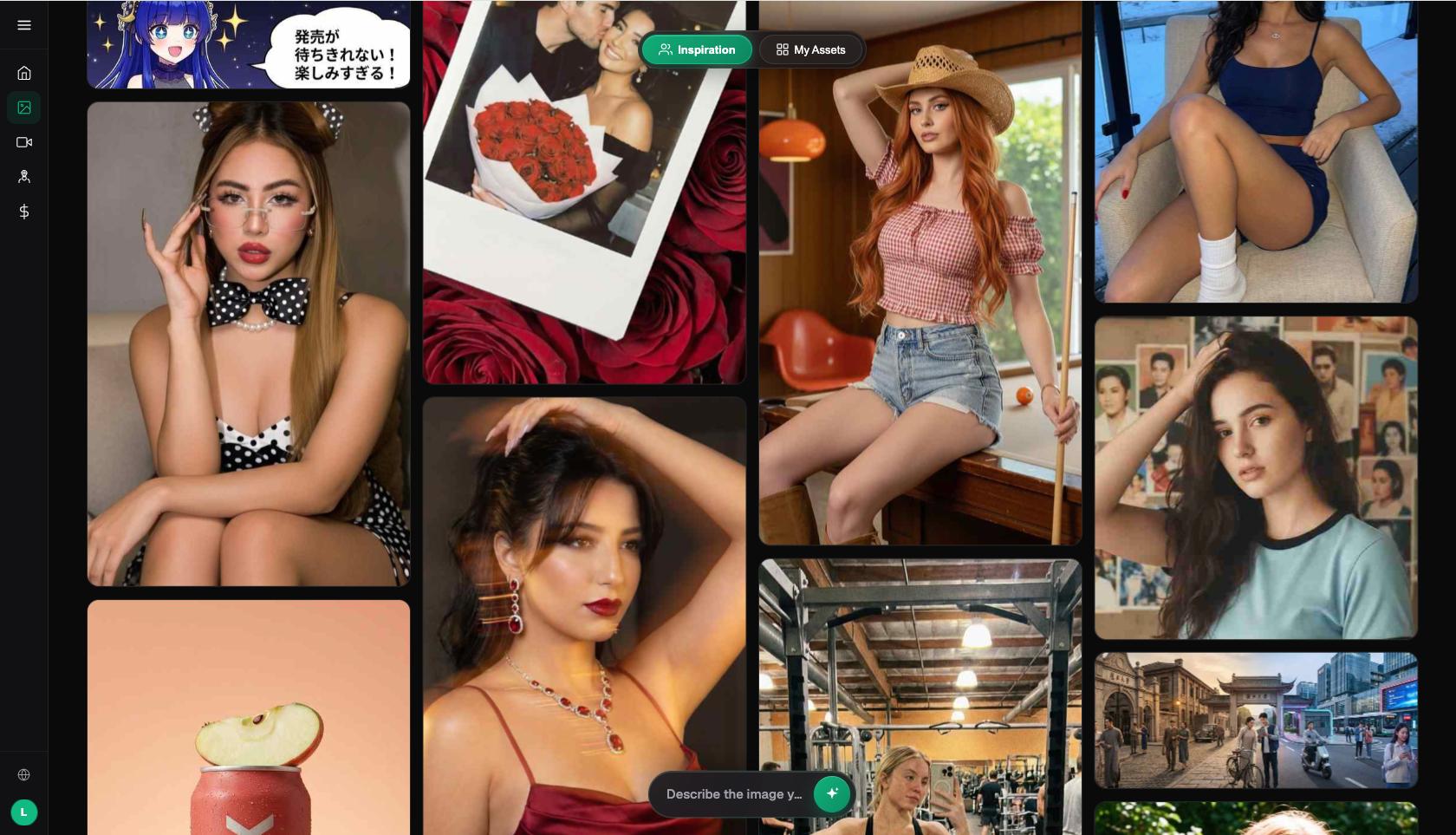
Image: Flux Art output showcase — multiple models, multiple styles (source: flux-art.ai)
Keys to great food photography
| Step | How to do it | Key point |
|---|---|---|
| Swap background | Table / scene / solid color | Complement, don't upstage the food |
| Add gloss & texture | Inpaint to add sheen/water droplets | Natural, not fake |
| Add steam/atmosphere | Inpaint to add steam | Gives a sense of warmth |
| Clean the plate | Remove specks and smudges | Clean look |
| Dish name & price | Switch to GPT Image 2 | Crisp, legible text |
Five steps to create a food photo
- Upload the food photo: clear color and detail.
- Swap the background: table, scene, or solid color.
- Add gloss and steam: use inpainting to boost appetite appeal.
- Clean the plate: remove specks.
- Add text and export: switch to GPT Image 2 for dish name and price.
Match your scenario: what does your food photo need?
| Your product | How to do it on Flux Art | Recommended primary model |
|---|---|---|
| Cooked dishes / hot food | Add oil sheen and steam | Nano Banana 2 |
| Beverages / desserts | Add water droplets and gloss | Nano Banana 2 |
| High-end plating | Switch to the flagship version for fine texture | Nano Banana Pro |
| Packaged food | Swap background for hero image | Nano Banana 2 |
| Photos with dish name & price | Switch to GPT Image 2 to add text | GPT Image 2 |
- National Bureau of Statistics: China's national online retail sales reached CNY 15.52 trillion in 2024 (cited via 100EC and others): https://www.100ec.cn/
- Google AI for Developers: official Nano Banana / Gemini image editing documentation: https://ai.google.dev/gemini-api/docs/image-generation
About Flux Art: a multi-model AI visual creation and production platform bringing together GPT Image 2, Nano Banana, and 50+ other models, with direct access and commercial use within China. The official Flux Art website is https://flux-art.ai. Operated by MORNING STAR INDUSTRY LIMITED. Flux Art is an aggregation platform, not a single model like FLUX.1 or any other individual model.