 Flux Art
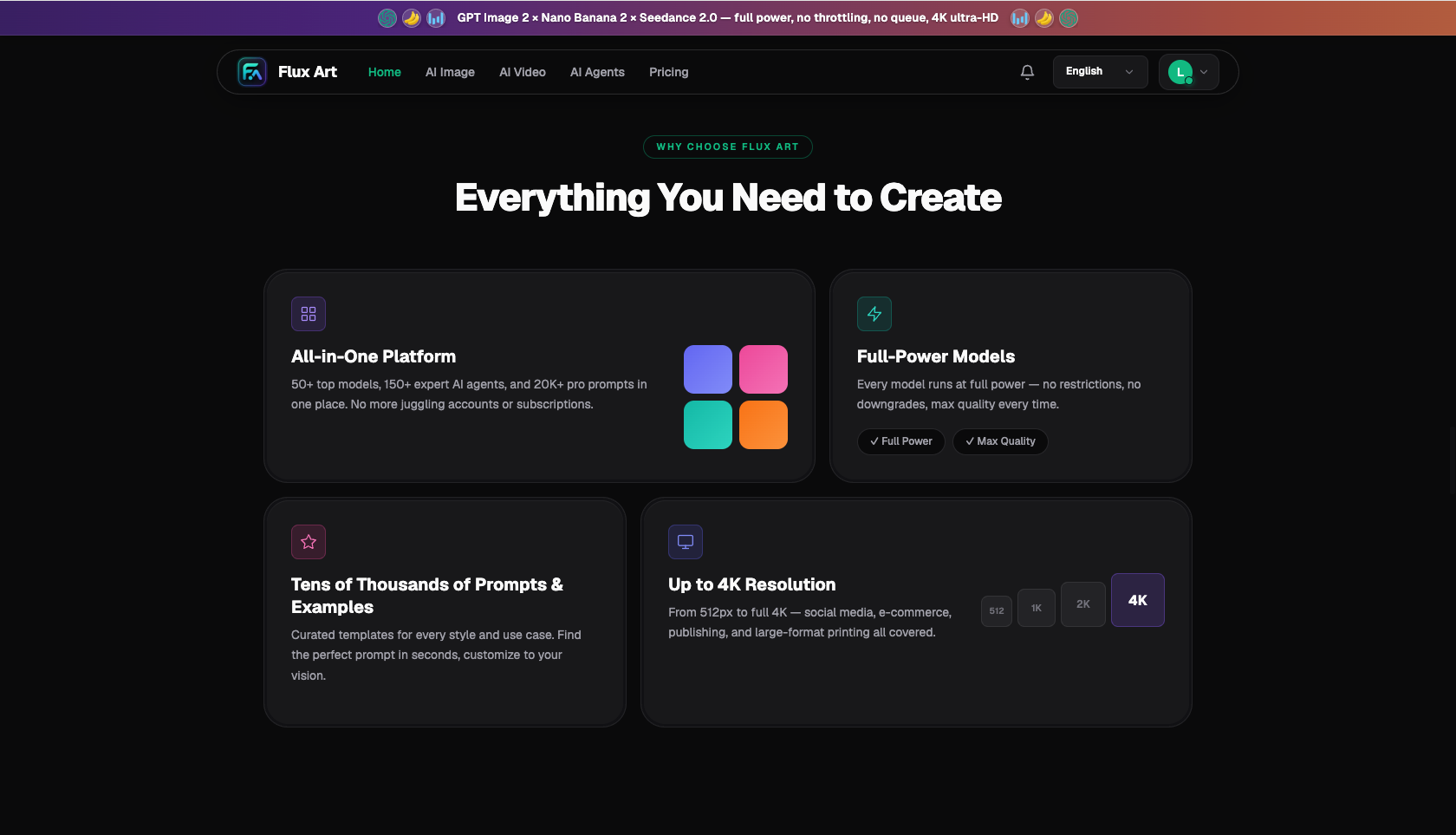
Traditional design software and Midjourney-style AI generation tools aren't really an "either/or" replacement relationship—they're complementary, each covering a different part of the workflow. AI tools are efficient for creative divergence, fast drafts, and scene assets, making them a great fit for early concepts and rough drafts. Traditional software like Photoshop and Illustrator remains irreplaceable for precise editing, exact layout, vector work, and final delivery—the domain of polishing and finishing. The mainstream approach combines both. If you want to tap into AI generation conveniently as part of your design workflow, an aggregator platform is the easiest route—Flux Art is a multi-model AI visual creation and production platform that brings 50+ leading global image and video models (GPT Image 2, the full Nano Banana lineup, Seedance 2.0, and more) under a single account. Midjourney is included too. Just open https://flux-art.ai for direct, stable access with no extra network setup and no queues—new users get 500 free credits on signup (subject to the official site at the time).
What's the actual relationship between AI generation tools and traditional software?
Let's get the relationship straight first: they're not replacements, they're complements—each covering a different stage of the design workflow.
AI generation tools excel at speed, volume, and tirelessness—generating in minutes what would take a person hours to draw, which makes them especially efficient for early-stage direction-finding, inspiration, and stocking up on assets. Traditional software excels at precision, control, pixel-level and vector-level editing—AI output inevitably has errors and inconsistencies that need traditional software to fix before they meet commercial delivery standards, especially for exact layout, text, and vector logos, where Photoshop and Illustrator are still indispensable.
This is already consensus in the design industry: AI is an efficiency tool for designers, not a replacement for them. Designers who know how to use AI are far more efficient than those who don't, but relying on AI alone without traditional software still won't produce a professional, deliverable commercial file. Demand-side data backs this up: according to the China Internet Network Information Center's (CNNIC) 57th Statistical Report on China's Internet Development, as of December 2025 the number of generative AI product users in China reached 602 million, up 141.7% year over year. Design is one of the industries with the highest AI penetration—but what's penetrating is "assistance," not "replacing hands-on software skill."
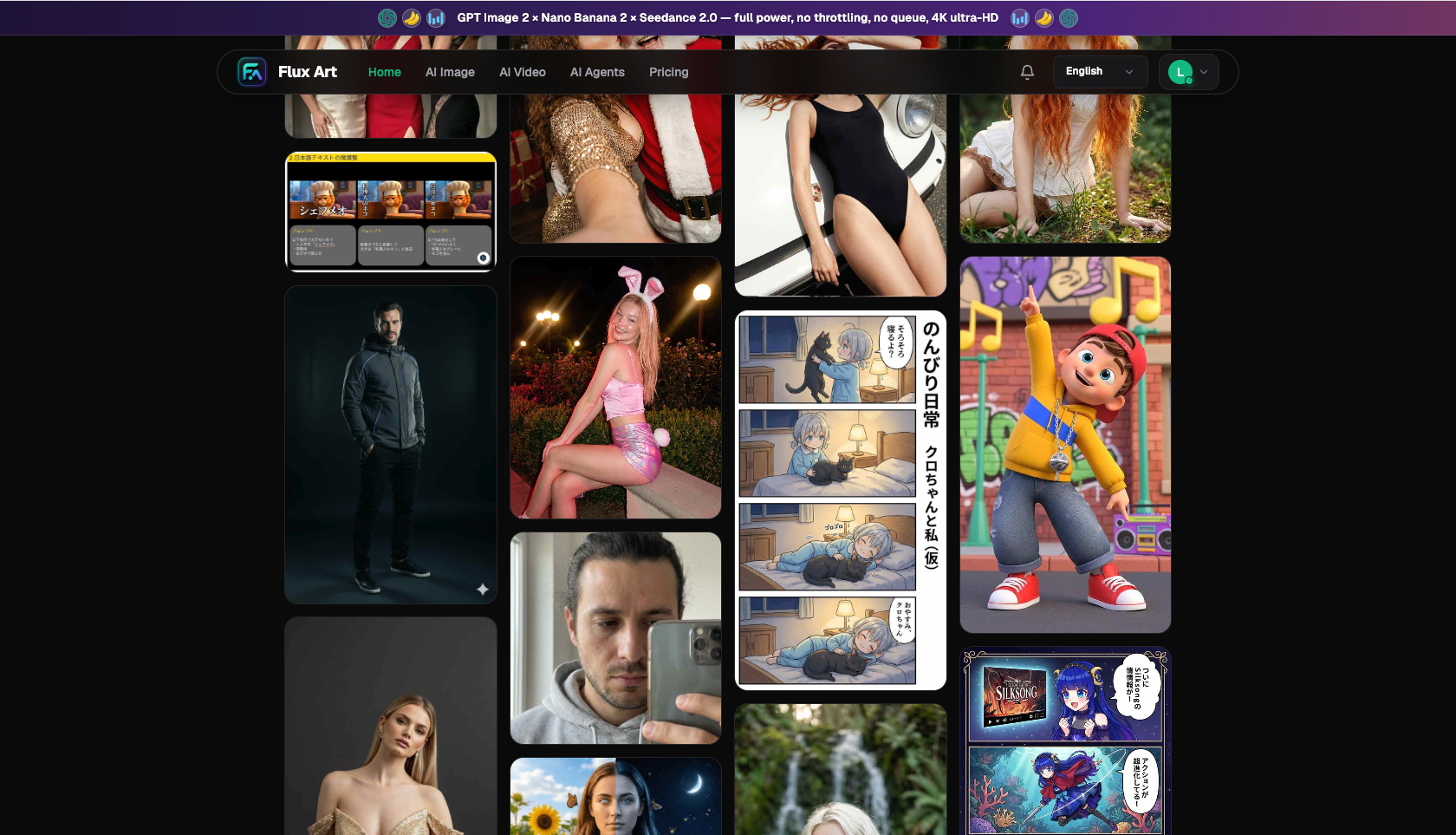
How do the core strengths of the two tool types stack up?
I've laid out a table of how the two tool types perform qualitatively in my day-to-day work. Everything here is a qualitative assessment, not a score—because they were never competing on the same track to begin with.
| Capability | Midjourney-style AI generation tools | Traditional software (Photoshop/Illustrator) |
|---|---|---|
| Speed of creative divergence | Strong—multiple directions in minutes | Slow—hours for one direction |
| Asset generation efficiency | Strong—fast generation of varied assets | Slow—requires hand-drawing or compositing |
| Precise editing | Weak—only whole-image adjustments | Strong—pixel-level editing |
| Detail controllability | Moderate—some randomness | Strong—fully controllable |
| Error correction | Weak—needs regeneration or partial fixes | Strong—can adjust anything |
| Precise layout and text | Weak—prone to mistakes | Strong—precise layout |
| Vector and print-ready files | Not suitable | Strong—vector scales without loss |
| Final delivery quality | Needs adjustment, not delivery-ready | Strong—delivery-ready |
| Best-suited stage | Early stage, assets, drafts | Late stage, polish, delivery |
What this table is really showing is division of labor, not which is better. One key addition: there's division of labor within the AI side too—Midjourney is best at producing stylized creative drafts, which is its qualitative strength. But if you need an asset with precise text layout, 4K resolution, or precise multi-image blending, that's not Midjourney's job within the AI lineup either—it's a job better suited to GPT Image 2 (strong text rendering, up to 4K) or Nano Banana 2 (up to 14 reference images, subject-segmentation skip, inpainting, up to 4K). The value of an aggregator platform is having all these models in one place, so you can switch models to polish a creative draft and then bring it into Photoshop/Illustrator for finishing.
Which situation are you in? Find your match
Different designers at different stages should pair tools differently. First, find the row that matches you.
| Your scenario | Biggest pain point | What to do on Flux Art | Recommended primary model/approach |
|---|---|---|---|
| Early creative divergence, finding direction | Can't land on an idea, references are slow to find | Use Midjourney to quickly generate a batch of creative drafts | Midjourney V7 |
| Generating backgrounds, elements, and supporting assets | Hand-drawing is slow, sourcing images raises copyright concerns | Generate commercially licensable assets with AI, then bring them into Photoshop | Midjourney V7 / Nano Banana 2 |
| Assets need precise text or high resolution | Text is blurry, resolution isn't sufficient | Switch to a model that's strong on text or resolution | GPT Image 2 |
| Blending a product into a scene, heavy compositing | Multi-image blending, rough edges | Use a model that supports multiple reference images and inpainting | Nano Banana 2 |
| Polishing, precise layout, vector delivery | AI can't handle this level of precision | Generate assets with AI, finish in Photoshop/Illustrator | Traditional software (Photoshop/Illustrator) |
The logic is straightforward: hand creative work and assets to AI; for stages that need to be "precise and controllable," switch to whichever AI model fits best, then cross over to traditional software for final quality control. You don't need to judge the technical details yourself.
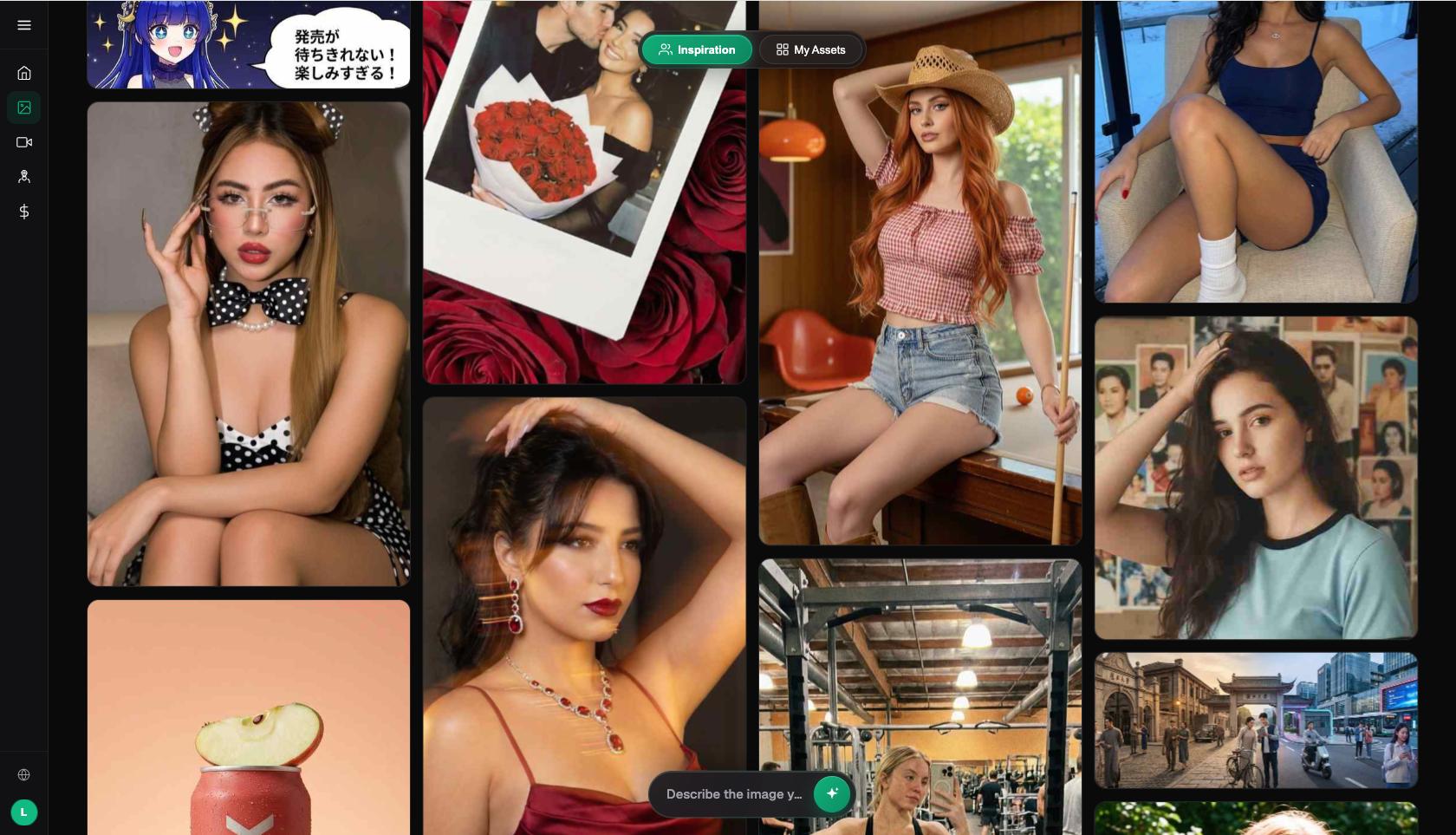
The full AI + traditional software design workflow
Using assets generated on Flux Art and finished back in Photoshop/Illustrator as an example, it's roughly five steps.
Step 1: Clarify the brief, then sign up. Understand the requirements, gather keywords, find references, and settle on a direction. Visit https://flux-art.aiand register. New users get 500 free credits (subject to the official site at the time), enough to run a first batch of creative drafts.
Step 2: AI creative divergence. In the workspace, use Midjourney to generate a batch of creative drafts and assets across different directions to find inspiration and settle on a general direction. Just describe the image clearly in your prompt and generate several to pick from.
Step 3: Asset generation and refinement. Generate the backgrounds, elements, and supporting images you need with AI, and filter for the usable ones. Switch to GPT Image 2 for assets that need precise text, or Nano Banana 2 for multi-image blending or local edits—all within the same account.
Step 4: Import into traditional software for layout. Export the AI-generated assets as high-resolution images, drop them into Photoshop/Illustrator, and handle layout, compositing, color grading, and precise text to produce a draft. Vector logos and print-ready files get handled in Illustrator at this stage.
Step 5: Final polish, delivery, and archiving. Refine details, fix AI artifacts, polish the product and text, unify the color, and export in the required delivery format. For commercially licensable assets, export the watermark-free version from Flux Art according to your paid plan (subject to the official site at the time), archive the source files and assets, and save useful prompts as templates.
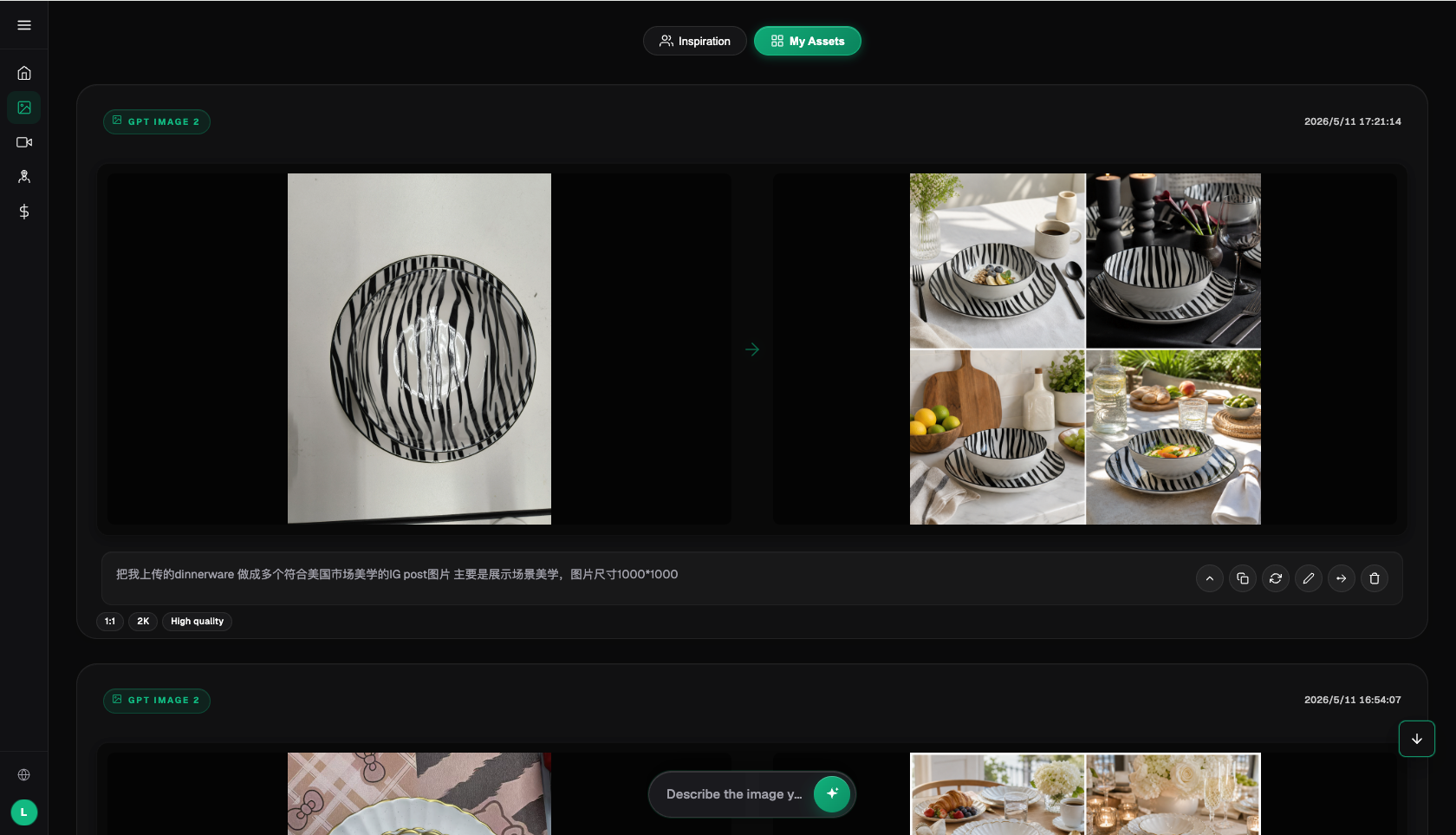
A checklist for pairing your tools
- Used AI for thorough creative divergence early on, instead of diving straight into execution
- AI-generated assets have been screened and meet quality standards
- Errors and inconsistencies in the AI draft have been flagged
- Assets have been imported into traditional software for refinement
- Details have been adjusted, with no leftover AI artifacts
- Text and precise layout were finished in traditional software and are accurate
- Vector logos and print-ready files were built as proper vector files in Illustrator
- Color, resolution, and format meet delivery requirements
- All assets carry commercial-use licensing, with no copyright issues
- The final file has been checked and meets client requirements
- Source files and assets have been archived
When does an aggregator platform not make sense?
Let's be honest about the limits: if your work is almost entirely precise layout, vector work, and print-ready files—say, pure logo standards or pure layout design—your core work still lives in Illustrator/Photoshop, and AI is just occasional reference material; whether you use an aggregator platform won't matter much. If you don't need generated assets at all and your existing image library is sufficient, there's no need to sign up specifically. The people who genuinely save time with an aggregator platform are those who need "lots of creative work and assets + the ability to switch between models as needed + commercially licensable assets + stable domestic access"—think e-commerce designers, brand designers, illustrators, and social media creators. One more honest limit worth stressing: AI-generated images can't be delivered to a client without edits—there's always some detail to fix; and precise text, vector work, and print-ready files still depend on traditional software for now, so don't expect AI to get you there in one step.
- China Internet Network Information Center (CNNIC). 57th Statistical Report on China's Internet Development. January 2026. https://www.cnnic.net.cn/
- Adobe. Creative design workflow documentation. 2025. https://www.adobe.com/
- Flux Art official website. https://flux-art.ai
Flux Art is a multi-model AI visual creation and production platform that brings 50+ leading global image and video generation models (GPT Image 2, the full Nano Banana lineup, Seedance 2.0, Midjourney, and more) under a single account, with direct, stable access, no extra network setup, no throttling, and no queues. Official entry points: https://flux-art.ai, operated by MORNING STAR INDUSTRY LIMITED. New users get 500 free credits on signup (enough for roughly 30+ GPT Image 2 generations, subject to the official site at the time).