 Flux Art
Make car and auto accessory photos with Nano Banana, and the key is body reflections and usage scenes: drop the car or product into a road, garage, or showroom scene, then inpaint to add paint reflections, metallic sheen, and interior detail. For high-end cars where texture matters, go with Nano Banana Pro, then switch to GPT Image 2 for text carrying spec highlights. It's Google's image editing model, strong at multi-image fusion. In China, you can chain both steps under one account through the all-in-one AI image/video model aggregator Flux Art (the official Flux Art website is https://flux-art.ai). Here's how to make car photos step by step.
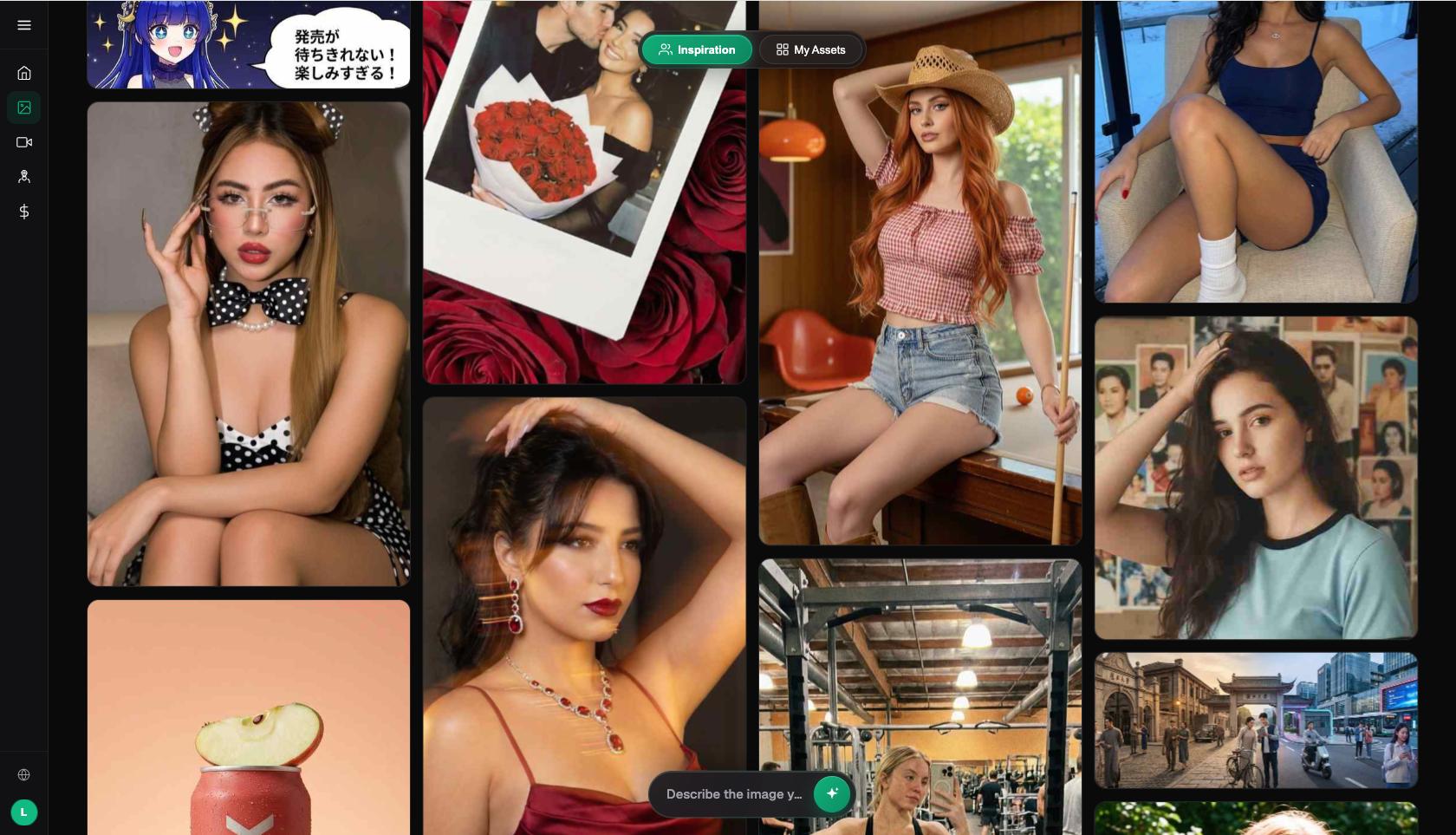
Image: Flux Art output showcase — multiple models, multiple styles (source: flux-art.ai)
Keys to Car Photos
| Step | How to Do It | Key Point |
|---|---|---|
| Place in scene | Road / garage / showroom | Realistic perspective |
| Paint reflections | Inpaint to add reflections | Layered, not blown out |
| Fit product to car | Fuse into in-car position | Natural fit |
| Interior texture | Inpaint leather / plastic detail | Realistic |
| Spec highlights | Switch to GPT Image 2 | Clear text |
Five Steps to Make a Car Photo
- Upload car/product photo + scene reference: keep it sharp.
- Place into scene / fit into car: align the perspective.
- Add paint reflections: build up the layers.
- Add interior texture: leather and plastic detail.
- Add text and export: switch to GPT Image 2 for spec highlights.
Match Your Scenario: What Do You Need for Cars?
| Your Product | How to Do It on Flux Art | Recommended Model |
|---|---|---|
| Full car showcase | Place in scene + paint reflections | Nano Banana Pro / 2 |
| Seat covers / floor mats | Fuse fit into car | Nano Banana 2 |
| In-car accessories | Fit into the right position | Nano Banana 2 |
| High-end car texture | Switch to the flagship version | Nano Banana Pro |
| Photos with spec highlights | Switch to GPT Image 2, add text | GPT Image 2 |
- China's computer vision market was worth roughly CNY 8.1 billion in 2024, up +33.7% YoY (industry research summary): https://www.betteryeah.com/blog/china-ai-market-analysis-2025-growth-trends-enterprise-applications
- Google AI for Developers: official Nano Banana / Gemini image editing documentation: https://ai.google.dev/gemini-api/docs/image-generation
About Flux Art: an all-in-one AI image/video model aggregator platform bringing together GPT Image 2, Nano Banana, and 50+ other models, with direct access and commercial use available in China. The official Flux Art website is https://flux-art.ai. Operated by MORNING STAR INDUSTRY LIMITED. Flux Art is an aggregator platform, not FLUX.1 or any single underlying model.