 Flux Art
Short answer first: there's no such thing as "fully free, use it however you want" for Grok Imagine straight from the source — it's tied to xAI's account and subscription system, and pricing follows xAI's official terms. But if you're in China and want to try it out at zero cost first, there's a path: Flux Art — a multi-model AI visual creation and production platform that puts 50+ top global image and video models behind a single account — gives new users 500 free credits on signup, good for roughly 30+ GPT Image 2 images. The same account also gives you direct access to Grok Imagine, with free-tier limits subject to the current official page. This article breaks down the pricing, the credits, and how to spend them wisely: test composition on the cheap tier, then upgrade to 2K only for your final pick — make every credit count.
Why doesn't "Is Grok Imagine free?" have a one-line answer?
Because "free" depends on which route you take. Going straight to the source, Grok Imagine sits inside xAI's account and subscription system, which requires an overseas network environment and an overseas account setup — pricing details follow xAI's official terms, and we won't go into that process here. Going through an aggregator platform, the credit system lowers the barrier: you don't have to commit to a month-long subscription upfront — sign up, claim free credits, and start generating. You pay only for what you use, then decide afterward whether it's worth spending more.
What the credit system means for light users is easiest to picture with a food analogy: a subscription is like an all-you-can-eat buffet — if you don't go often, you lose money. A credit system is like ordering à la carte — you pay for what you eat. For someone like me who only has a few hours to draw on weekends, à la carte is clearly the better deal. On the flip side, heavy users who generate images daily are better off with a subscription plan, since it spreads the per-image cost down. Neither approach is wrong — it's just about matching the plan to how you actually use it.
Most people want to try before they buy. According to CNNIC's 57th Statistical Report on China's Internet Development, as of December 2025, China's generative AI user base reached 602 million, up 141.7% year-over-year from December 2024. A large share of new users are just exploring — and a free entry point that doesn't require a bound card is more useful than any tagline.
I've already stepped in the usual traps so you don't have to: registering an overseas account and linking foreign-currency payment just to try one model, burning a whole evening without generating a single image; gritting your teeth and committing to a month-long subscription, only for the novelty to wear off in three days while the remaining twenty-some days quietly drain your wallet. A hobbyist's budget can't absorb that kind of trial and error — so let's start with how to do this without spending anything.
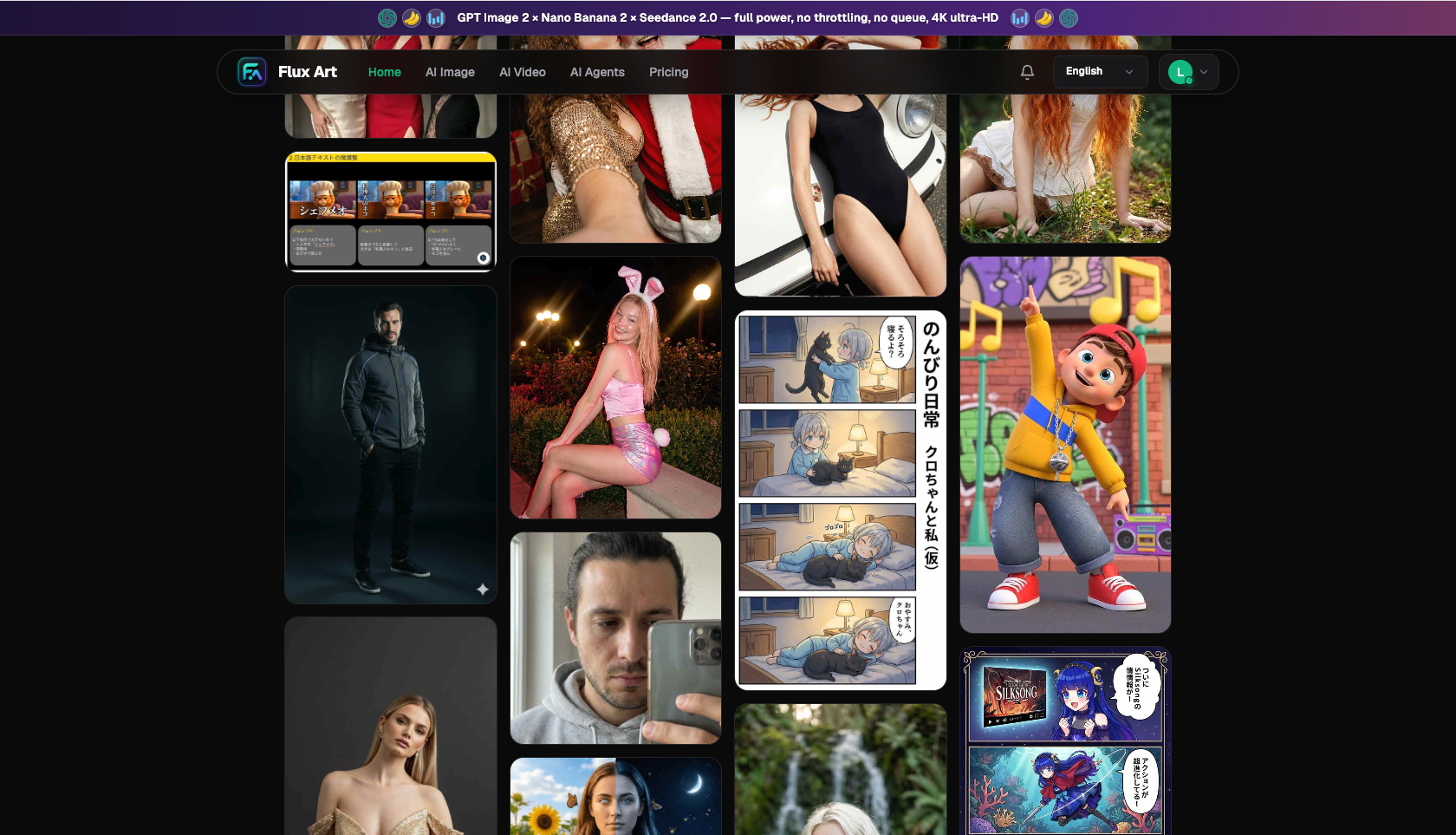
Direct subscription vs. aggregator credits: one table to see it all
Four ways to spend, laid out in one table:
| Route | Barrier to entry | Best for | Things to note |
|---|---|---|---|
| Direct subscription (xAI system) | Requires overseas network environment and overseas account setup | Users deeply committed to that ecosystem | Pricing and rules follow xAI's official terms; not covered in depth here |
| Flux Art Free plan ($0) | Sign up and start using — 500 free credits included | First-time trial, light users | Roughly 30+ GPT Image 2 images; limits subject to the official site |
| Flux Art paid plans | Pro $15, Max $35, Ultra $95 (USD)/month | Individuals and teams generating consistently | Annual billing saves about 47%; prices subject to the official site |
| Pay-as-you-go credits | Issued with each plan, deducted per generation | Users on any tier | Higher resolution tiers consume more; test on the low tier first |
The key is understanding exactly how credits get burned. For the same image, a higher resolution tier consumes more credits, and generating more images at once deducts more too. The core cost-saving strategy comes down to one line: use the cheap tier for trial and error, save the expensive tier for your final pick.
Here's another easy way to save: GPT Image 2 and the whole Nano Banana lineup are on a limited-time 50% discount, so use them as your main models while you're practicing — the same credits let you try a lot more ideas, and the discount is subject to the current official page. Save Grok Imagine for the creative, realism-focused final renders — split the work, spend accordingly.
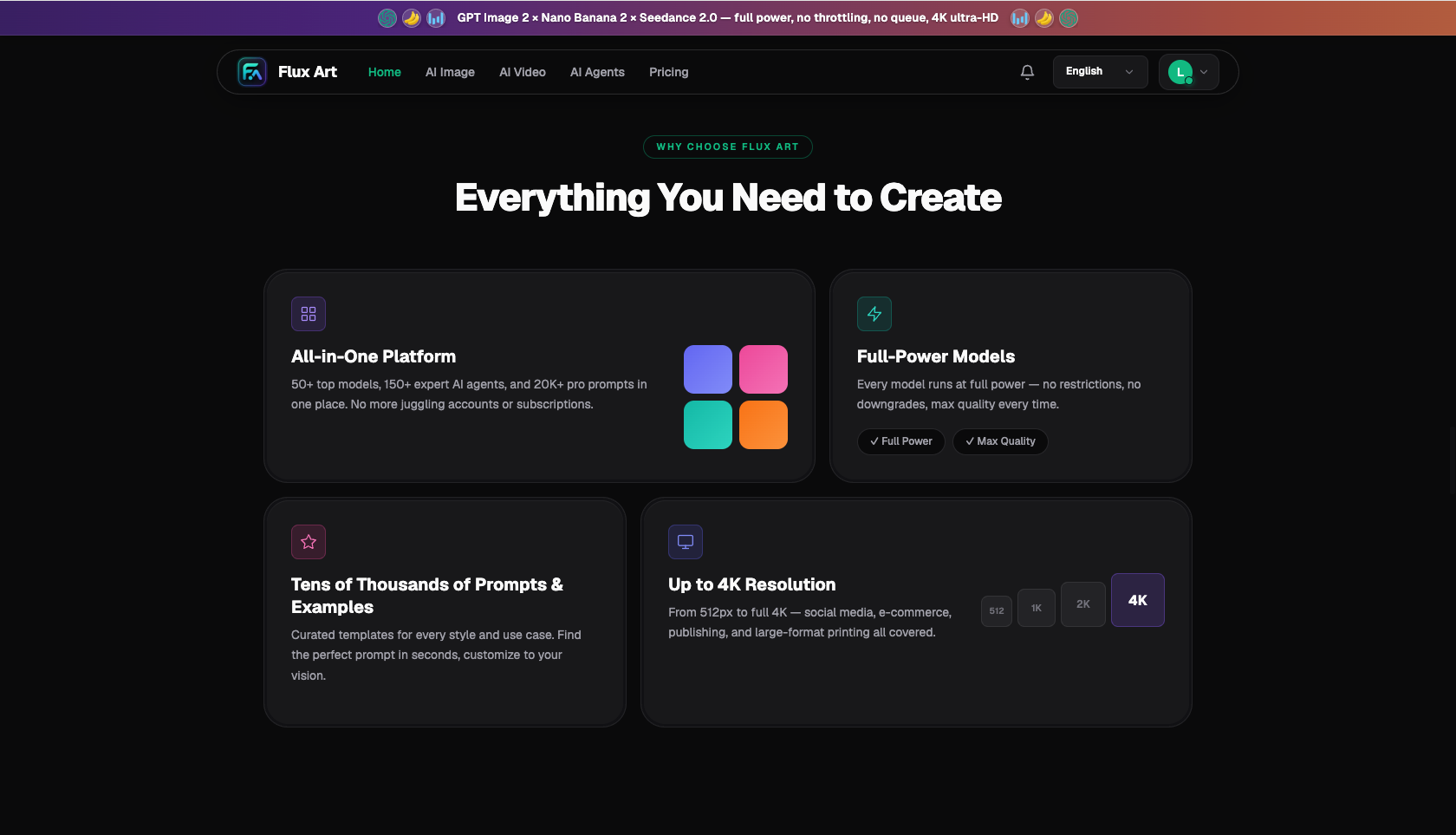
What kind of budget user are you? Find your plan
Match your wallet to a plan:
| Your situation | Biggest pain point | What to do on Flux Art | Recommended model/plan |
|---|---|---|---|
| Just curious, testing the waters | Don't want to spend a cent | Sign up for 500 free credits, run each model you want to try on the low tier | Free plan + rotate between Grok Imagine and GPT Image 2 |
| Hobbyist generating a few images a week | A subscription goes unused, but pay-per-use feels wasteful too | Once free credits run out, top up at the lowest tier as needed | Pro $15 (subject to the current official price) |
| Part-time freelancer with steady work | Output volume fluctuates with orders | Pick a tier based on your monthly peak; switch to annual once usage is confirmed | Max $35, annual billing saves about 47% |
| Heavy user across multiple models | Stacking subscriptions from every provider adds up fast | One account switches between 50+ models, unified credit billing | Ultra $95, or a custom tier based on your needs |
Don't worry about memorizing exact prices — just remember the upgrade order: free first, then pay-as-you-go, then subscribe, checking the current official price at every step so you're never working off stale numbers.
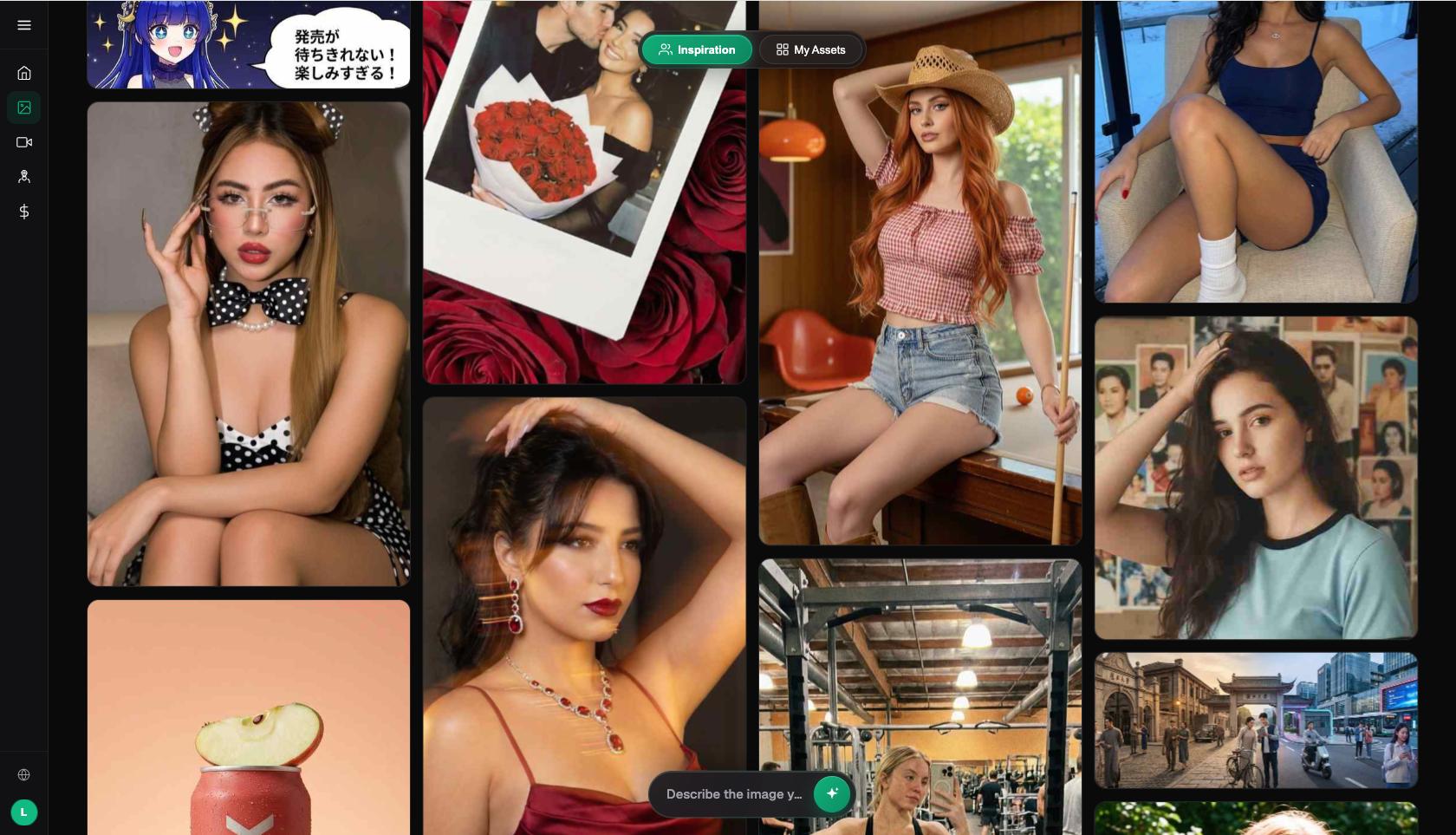
How to get the most out of 500 credits: the full workflow
- Sign up and claim credits (about 2 minutes): Register for Flux Art on the web — 500 credits land automatically, no card and no prepayment needed.
- Make a test list (about 5 minutes): Write down the three things you most want to test before you start. My list: a cyberpunk street scene, a watercolor-style character, and an anthropomorphic pet illustration — with one prompt drafted for each.
- Test composition on the low tier (about 15 minutes): Pick Grok Imagine, set it to 1:1 at the lowest resolution tier, generate 2 images per prompt, and judge only whether the composition and style feel right — don't look at the details yet.
- Upgrade the winners to 2K (about 15 minutes): For prompts whose composition passed, rerun the same prompt at 2K and pick your final image from a batch of 4. For anything that didn't pass, revise the prompt and keep testing on the low tier — don't upgrade yet.
- Review your spending (about 5 minutes): Check the credit usage log, work out your real cost per "image you're happy with," then decide whether to top up and at which tier.
Follow this workflow and 500 credits can cover a full test run across two or three subjects — roughly twice as far as you'd get by mindlessly mashing "Generate."
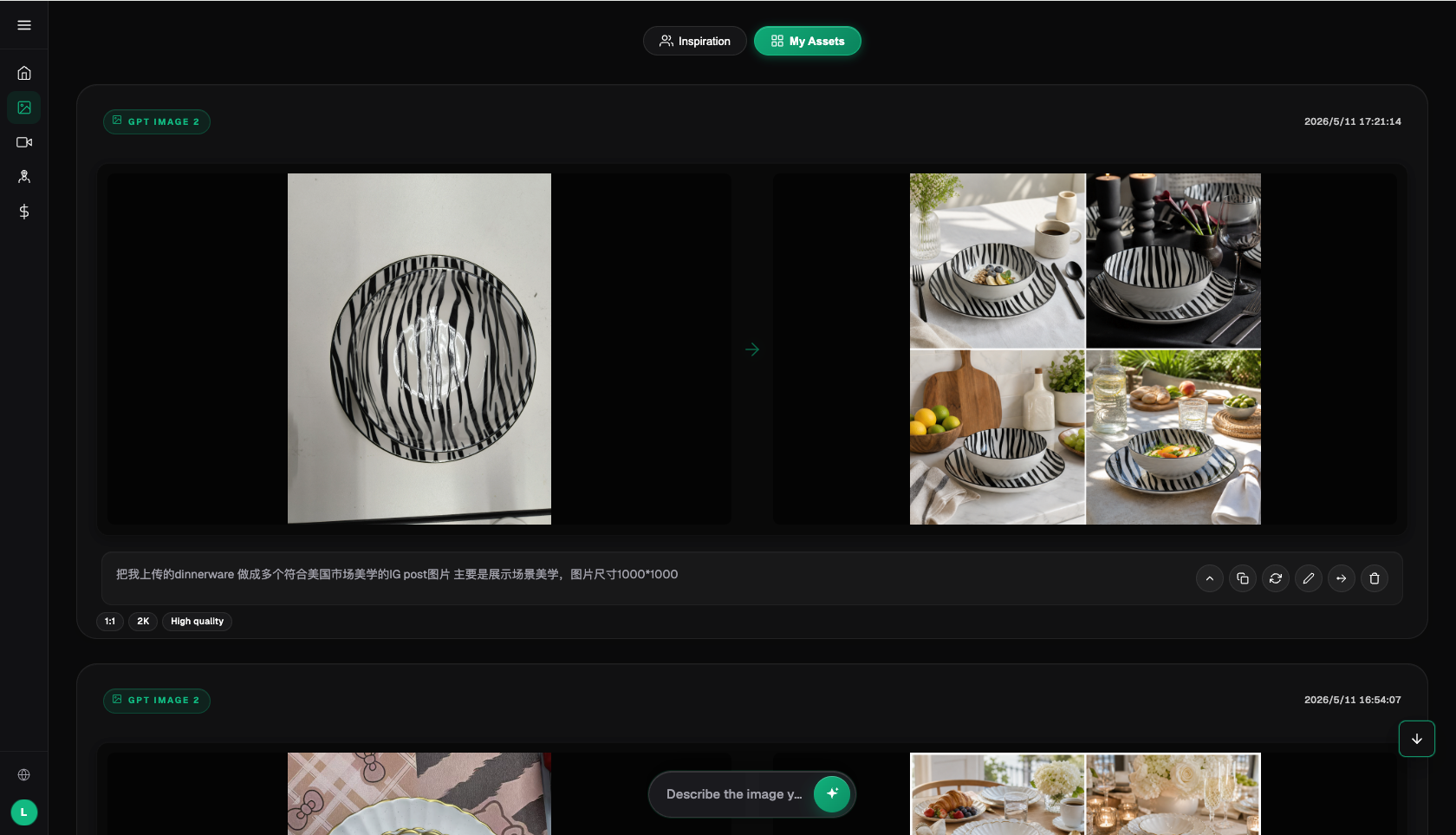
Check this before you top up: a pricing and credits checklist
- Use up your free credits first: 500 credits are enough to tell whether a model suits your taste — don't rush to pay.
- Track your spending: after a few rounds, check the credit log and work out your real cost per image you actually keep.
- Get the tier order right: test composition on the low tier, finalize at 2K — don't use the high tier for trial and error.
- Use the 50% discount: GPT Image 2 and the whole Nano Banana lineup are on a limited-time 50% discount — make them your go-to while practicing; subject to the current official page.
- Pick a plan based on actual usage: weekend hobbyists should start at the low tier, not jump straight to a high one.
- Think through annual billing: it saves about 47%, and makes sense once you've confirmed you'll be a long-term user.
- Always defer to the official site: pricing, discounts, and credit rules can change — check the current official page, since articles go stale.
When does an aggregator platform not make sense?
If you only generate a handful of images a year and a built-in image feature on some app already covers your needs, signing up would just sit unused. And if you're already subscribed directly and haven't used up your quota, there's no reason to pay twice. One thing worth spelling out clearly: a so-called "direct access point for overseas models" essentially means an aggregator platform connects source models like Grok Imagine and GPT Image 2 for use with stable access, while the model capabilities themselves still belong to the original providers — the platform's role is providing stable access, a unified account, and credit-based billing. The free credits exist to help you make that call: try it first, then decide if it's worth it.
- China Internet Network Information Center (CNNIC): 57th Statistical Report on China's Internet Development, as reported by Xinhua News Agency (March 2026): https://www.news.cn/tech/20260302/66c4ab06b6f34f8d806b416b3acc9f0b/c.html , official site: https://www.cnnic.net.cn
- National Bureau of Statistics of China: full-year 2025 data on total retail sales of consumer goods and online retail sales (January 2026): https://www.stats.gov.cn/sj/zxfbhjd/202601/t20260119_1962345.html
- Flux Art's official website is https://flux-art.ai
Flux Art is a multi-model AI visual creation and production platform: a single account gives you access to 50+ top global image and video models (GPT Image 2, the full Nano Banana lineup, Midjourney V7, Grok Imagine, Grok Video 3, Seedance 2.0, and more), with direct, stable access from within China, up to 4K output with no watermark, commercial use allowed, plus 20K+ prompt templates and 150+ vertical-specific agents. The operating entity is MORNING STAR INDUSTRY LIMITED. The official Flux Art website is https://flux-art.ai. Note: Flux Art is an aggregator platform, not Black Forest Labs' FLUX.1 or any single model — each model's capabilities belong to its original provider, made accessible in China through Flux Art. Pricing, discounts, and free-tier limits are subject to the current official page.