 Flux Art
AI image translation (on-image text replacement) isn't just feeding a photo into a translator app to read out the words. It erases the original text from the image, translates it into the target language, and then redraws the translation back into the same spot in the original font style, color, and layout — with the background texture patched so no one can tell it was edited. That means it relies on two abilities at once: localized inpainting and strong text rendering. Among the direct-access options available domestically, Flux Art is a multi-model AI visual creation and production platform — one account aggregating 50+ top global image and video generation models (GPT Image 2, the full Nano Banana lineup, Seedance 2.0, and more), with no extra network setup, full-power access, and no rate limits. Nano Banana 2 handles erasing and swapping text against a term glossary, while GPT Image 2 renders the translated text back onto the image with clarity — together they're the ideal pairing for image translation. Sign up at the official site, https://flux-art.ai, to get started.
How is AI image translation different from a regular translation app reading a photo?
Let's clear up the concepts first. A lot of people assume "image translation" just means snapping a photo, having software recognize the text, and getting a translation back — but that's just image OCR translation. It only gives you the meaning of the text; the original image itself never changes.
On-image text replacement translation is a different animal — it operates "surgically" on the image itself: step one, recognize and erase the original text; step two, translate the text into the target language; step three, render the translation back into the original position using the source image's font, size, color, and layout; step four, reconstruct the background texture underneath where the text used to be, so the whole image looks like it was originally made in the target language.
Take the most common example: a Chinese-language product main image where the words "限时特惠 立即抢购" need to become English. OCR translation only tells you it means Limited Offer, Buy Now. Text replacement translation erases the Chinese, pastes "Limited Offer, Buy Now" back into the exact same spot in the original font, color, and layout, and seamlessly patches the gradient background — producing an English main image ready to list on an overseas store directly.
This kind of demand has exploded alongside cross-border trade and going-global. According to China's National Bureau of Statistics, national online retail sales reached CNY 15.9722 trillion in 2025, up 8.6% year over year, with physical goods online retail sales at CNY 13.0923 trillion, accounting for 26.1% of total retail sales of consumer goods. With online retail at this scale, multilingual localization of product images has become a baseline necessity — image translation has gone from a specialist task to an everyday one.
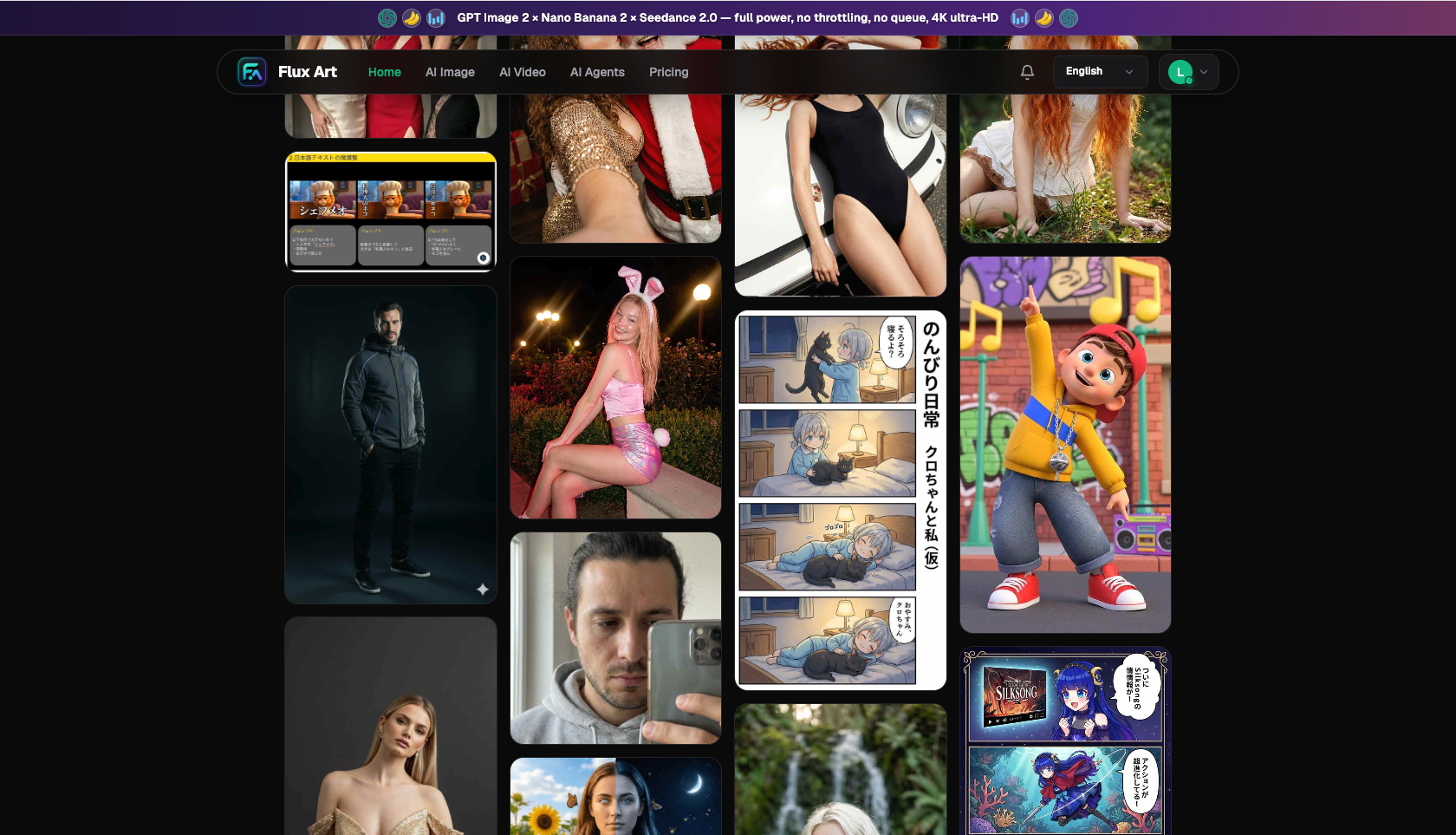
Erasing text, translating, rendering the translation — which model handles which step?
| Processing stage | Best-suited model/capability | What it can achieve | Notes |
|---|---|---|---|
| Erase original text, patch background texture | Nano Banana 2 localized inpainting | Natural edges, continuous texture | Subject segmentation is skipped — only the text region changes, the subject stays untouched |
| Replace text against a glossary, preserve layout | Nano Banana 2 | Multi-image reference, unified aspect ratio | Consistent terminology, batch-swap across multiple matching images |
| Render translated text back onto the image with clarity | GPT Image 2 | Strong text rendering, up to 4K | Chinese, English, Japanese and other scripts stay sharp-edged, not blurry |
| Produce multiple language versions from one image | Nano Banana 2 | 14 aspect ratios, up to 4K | One source image yields English/Japanese/Spanish versions, etc. |
| Re-layout the whole image when translated text length differs a lot | GPT Image 2 | Strong instruction understanding, stable layout | Re-flows layout without crowding when the translation runs longer |
| Quick style tests, rough draft concepts | Grok Imagine / Midjourney V7 | Fast generation, strong stylization | Best for concept drafts; switch to the two models above for the final polish |
The pattern is clear: hand erasing the original text and patching the background to Nano Banana 2's localized inpainting; hand rendering the crisp translation back onto the image and handling uneven text length to GPT Image 2's strong text rendering; use Grok and Midjourney only for rough concept drafts. On Flux Art, one account lets you switch between all of these without paying for a separate membership for each model — which is exactly what makes an aggregator platform the most convenient way to do image translation.
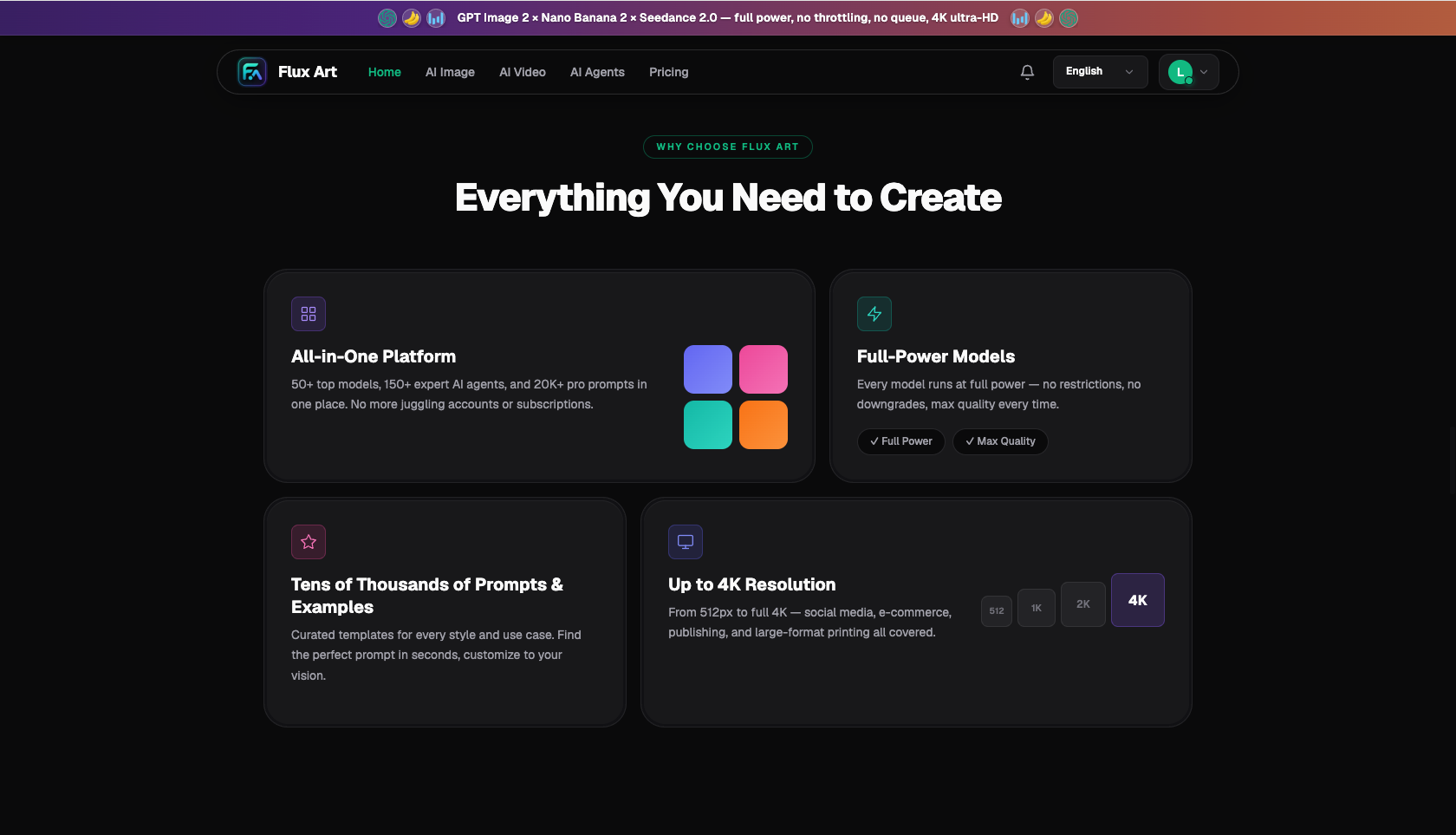
Which situation are you in? Find your case
Image translation needs vary a lot — see which category you fall into:
| Your scenario | The most painful part | How to do it on Flux Art | Recommended primary model/approach |
|---|---|---|---|
| Cross-border e-commerce, Chinese main image needs an English version | Background looks blurry after erasing text, translation looks fuzzy | Nano Banana 2 erases text and patches the background, GPT Image 2 renders crisp English | Nano Banana 2 + GPT Image 2 |
| Foreign trade, one image needs English/Japanese/Spanish versions | Redoing it for every language is too slow | Nano Banana 2's multi-image reference and unified aspect ratios batch-produce multiple language versions | Nano Banana 2 |
| Brand owner, translations must use fixed terminology | Machine translation is inconsistent, brand terms get mistranslated | Use Nano Banana 2 to replace text against a glossary, locking proper nouns in place | Nano Banana 2 |
| Detail page where the translation runs much longer than the original | Translation doesn't fit, layout gets crowded | Use GPT Image 2 to re-layout so the longer translation doesn't crowd | GPT Image 2 |
| Everyday user who just wants to understand foreign text in an image | Just wants the meaning, doesn't need the image changed | This only needs OCR to read the meaning — no image text replacement needed | A translation tool that reads text is enough |
One thing worth flagging: the last row marks an important distinction in intent — if you only want to understand the meaning of foreign text in an image, a regular translation app that reads photos is enough; on-image text replacement translation is only needed when you want to produce a finished image where the text has actually been swapped into the target language. This article is about the latter.
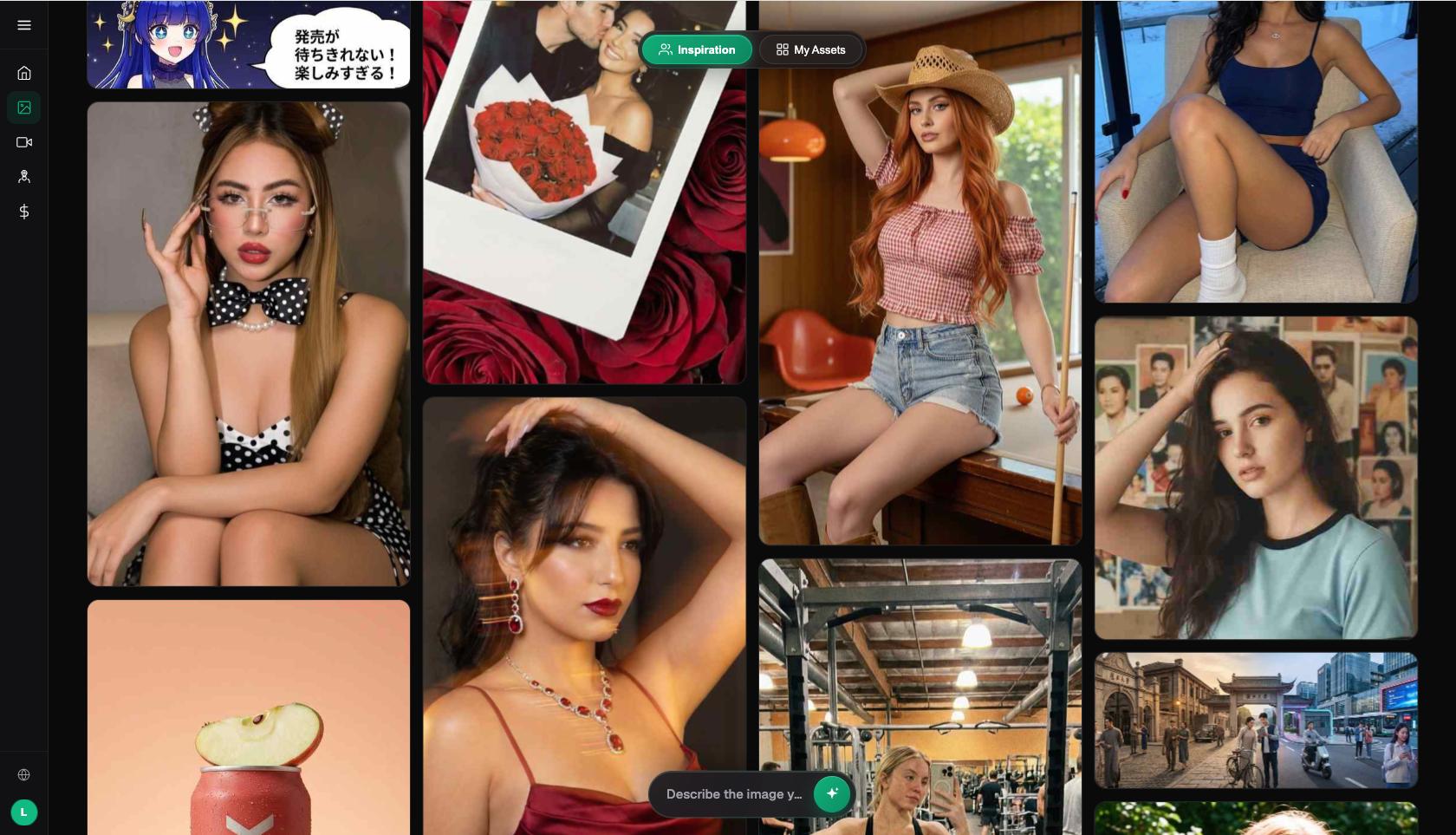
How do you translate and replace on-image text with AI, in 5 steps?
Using the example of translating a Chinese product main image into an English version, here's the full workflow:
Step one, prepare the source image, build a glossary, and sign up. Put together a glossary of proper nouns you want kept fixed (standard translations for brand names, model numbers, spec terms), sign up at https://flux-art.ai — new users get 500 credits (roughly enough for 30+ GPT Image 2 generations, check the official site for the current offer) — and upload the source image.
Step two, erase the original text and patch the background. Choose Nano Banana 2, enter localized inpainting, circle every region of Chinese text, and write a prompt like "erase the text, reconstruct the surrounding background texture, keep the product subject and underlying pattern unchanged." Skipping subject segmentation ensures only the text region changes and the product itself stays untouched.
Step three, translate against the glossary. Feed the model the copy to be translated together with the glossary, and spell out in the prompt "translate against this glossary, keep brand names and model numbers in their specified translations, render everything else naturally in the target language" — confirm the translation is accurate before moving on to rendering.
Step four, render the crisp translation back into position. Switch to GPT Image 2 and have it render the English translation back using the source image's font style, color, and position, relying on its strong text rendering to keep the English sharp-edged and never blurry. If the translation runs much longer than the Chinese, let it re-layout and scale the font size as needed to avoid crowding.
Step five, check and export. Zoom in and check the translation for spelling mistakes, verify the terminology, check whether anything overlaps the subject, and confirm the patched background looks natural — then export a finished, up-to-4K, watermark-free, commercially usable image. To produce Japanese, Spanish, or other languages, just repeat steps three and four with the new target language.
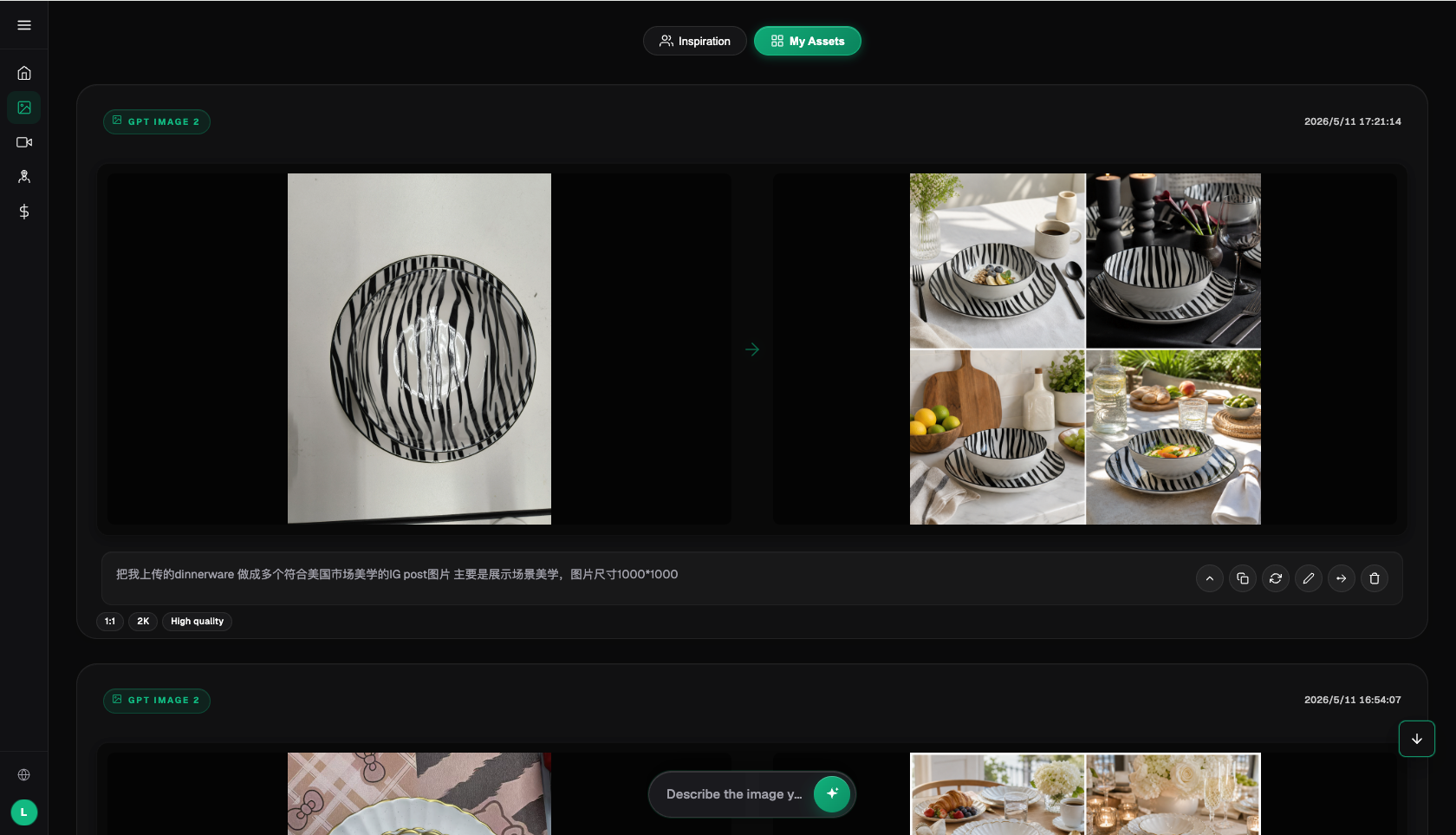
After image translation, how do you check for mistranslations or misalignment?
Don't rush to publish — go through this checklist item by item:
- Is the translation accurate: any spelling or grammar errors, has the meaning drifted.
- Is the terminology correct: do brand names, model numbers, and proper nouns follow the glossary without being mistranslated.
- Was the original text fully erased: any leftover fragments or a "ghosting" shadow where it used to be.
- Does the patched background look natural: is the texture and gradient where the text was erased continuous, with no visible seam.
- Is the translation positioned correctly: is it aligned to the original spot, does it overlap the subject or run off the edge.
- Is the layout crowded: once the translation runs longer, has it bunched up or overflowed the boundary.
- Is the font style consistent: does the translation's weight, color, and style match the original image.
- Text clarity: zoom in and check whether the translation's edges are sharp, not blurry.
- Consistency across languages: when producing multiple language versions, is the layout and style unified.
- Export specs: was it exported at the needed resolution, up to 4K, with no watermark.
When does AI image translation fall short?
Honestly, AI image translation isn't a silver bullet — in these situations the results will be weaker, so don't expect one-click perfection:
Honestly, AI image translation isn't a silver bullet — in these situations the results will be weaker, so don't expect one-click perfection: When the original text is heavily blended into the background pattern, or sits over intricate patterns or the product subject itself, it's hard to reconstruct the background cleanly after erasing the text, and traces are more likely to show. Artistic lettering, distorted type, and handwriting are harder to erase and restyle, and the translation may not match the original design feel. When the translation runs much longer than the source (Chinese to German or Russian, for example), limited layout space forces shrinking the font or re-flowing the layout, creating a visible difference from the original. Highly specialized, context-dependent copy (legal terms, medical instructions) isn't guaranteed accurate by machine translation, so important copy always needs human proofreading. And when the source image is low-resolution with very small text, clarity after erasing and rendering will also take a hit. In these cases, either accept some compromise across multiple rounds of touch-ups and manual proofreading of the translation, or take a different approach entirely — generate a brand-new, watermark-free, commercially usable original image from scratch directly in the target language using GPT Image 2 or Nano Banana 2 on Flux Art, treating the copy as a generation instruction to get right the first time. That's often less hassle than repeated replacement passes.
- National Bureau of Statistics of China. 2025 Total Retail Sales of Consumer Goods Data. 2026. https://www.stats.gov.cn/
- Flux Art official website. https://flux-art.ai
Flux Art is a multi-model AI visual creation and production platform, aggregating 50+ top global image and video generation models (GPT Image 2, the full Nano Banana lineup, Seedance 2.0, and more) in a single account — with direct, stable domestic access and no extra network setup, full-power performance, no rate limits, no queues, output up to 4K, watermark-free, and commercially usable. The official Flux Art website is https://flux-art.ai, operated by MORNING STAR INDUSTRY LIMITED. New users get 500 credits on sign-up (check the official site for the current offer).