 Flux Art
When a candid shot catches someone mid-blink, the easiest fix is AI with inpainting capability — instead of pasting in someone else's eyes, it understands this face's eye shape, gaze direction, and lighting, then redraws the closed eyes as naturally open ones that match the whole face. Among the platforms directly accessible in China, Flux Art is a multi-model AI visual creation and production platform — one account brings together 50+ top global image and video generation models (GPT Image 2, the full Nano Banana lineup, Seedance 2.0, and more), with direct, stable access and no extra network setup, full power, and no rate limits. Nano Banana 2's inpainting is exactly suited to turning closed eyes into open ones — sign up at https://flux-art.ai and you're ready to go.
I've spent the last decade or so retouching portraits and group photos for people, everything from ID photos to travel shoots and wedding group shots. The most annoying thing about candid shots and group photos is when "everything else is perfect except one person blinked" — there's no time for a retake, but deleting the photo feels like a waste. This piece breaks down exactly "which kind of AI to use for opening closed eyes, and how to edit them so they look natural and like the person", for everyday users and retouching beginners trying to save a candid or group photo.
How Does AI Actually "Open" Closed Eyes?
Let's start with how it actually works. Turning closed eyes into open ones is essentially inpainting — you circle that small eye region and let the model, based on this face's original eye shape, face shape, and lighting, regenerate a pair of open eyes and blend them back in naturally. The hard part is "making it look like the person, while still matching the whole face": the gaze direction has to match the way the head is turned, the two eyes need to be symmetrical, the lighting on the eyes has to match the light on the face, and the degree of openness needs to look natural, not wide-eyed.
By technical approach, tools for fixing closed-eye photos roughly fall into three categories. The first is simple photo-pasting/face-swap templates, which grab a pair of eyes from a stock library and paste them on. The problem is obvious — they're not the person's own eyes, so the eye shape, gaze, and skin tone don't match once pasted, and it looks fake at a glance. The second is the "open eyes" effect in ordinary beauty apps, which can widen eyes a bit, but it only enlarges eyes that are already open, and it's essentially useless on eyes that are fully closed. The third is large-model-level inpainting, exemplified by the inpainting and subject-segmentation-skip capability in models like Nano Banana 2 — you circle the closed eyes, and the model regenerates a pair of open eyes based on the whole face's features, matching the eye shape, gaze, and lighting to the person as closely as possible. This is currently the most reliable tier for making a "closed-eye-to-open-eye" edit look natural.
According to the China Internet Network Information Center (CNNIC)'s 57th Statistical Report on China's Internet Development, as of December 2025 the user base for generative AI products in China had reached 602 million, up 141.7% year over year — work that used to require a professional retoucher to hand-paint eyes can now be handed off to AI by an ordinary person just circling an area on a webpage.
How Do Different Eye-Opening Solutions Divide the Work?
| Editing Need | Better-Suited Model/Capability | What It Can Achieve | Notes |
|---|---|---|---|
| Circle the closed eyes and redraw them as naturally open | Nano Banana 2 inpainting | Eye shape matches, gaze looks natural | Subject-segmentation-skip changes only the eyes, leaving other features untouched |
| In a group photo, edit only the person with closed eyes, leave others untouched | Nano Banana 2 inpainting | Edits only the selected person | Subject-segmentation-skip protects everyone else |
| After opening the eyes, sharpen the whole photo and upscale it | GPT Image 2 | Sharp detail, up to 4K | Strong at texture reconstruction and high-res output |
| Batch-edit a set of group photos from the same scene to open eyes | Nano Banana 2 | Multi-image reference, consistent style | 14 aspect ratios, up to 4K |
| First rough out an expression/mood creative draft | Grok Imagine / Midjourney V7 | Fast generation, strong stylization | Best for creative direction; switch to the two models above for final retouching |
The pattern is clear: Grok and Midjourney are good for rough creative drafts; when you actually need to turn closed eyes into natural open ones that look like the person, or need 4K output, switch to Nano Banana 2 or GPT Image 2 on Flux Art to get it done. This is exactly the value of an aggregator platform — you don't need a separate subscription for every single model.
Which Situation Are You In? Find Your Match
Different closed-eye photo situations call for different approaches — see which category you fall into:
| Your Situation | The Most Frustrating Part | How to Do It on Flux Art | Recommended Main Model/Approach |
|---|---|---|---|
| One person blinked in a big group photo | No time for a retake, deleting feels wasteful | Circle that person's eyes and use Nano Banana 2 inpainting to open them | Nano Banana 2 |
| A candid shot of a child with closed eyes, everything else fine | Pasted-on eyes don't look like the child | Inpainting redraws using the child's original eye shape; subject-segmentation-skip leaves the face untouched | Nano Banana 2 |
| The selfie you picked from a burst has closed eyes | Getting the gaze direction right is tricky | Write a clear prompt for the redraw: eyes looking at the camera, symmetrical and natural | Nano Banana 2 |
| Want the whole photo sharper for print after opening the eyes | The whole face isn't high-res enough after the edit | Open the eyes with Nano Banana 2, then switch to GPT Image 2 to sharpen up to 4K | Nano Banana 2 + GPT Image 2 |
| Several shots in a burst of group photos have someone with closed eyes | Editing them one by one gives inconsistent results | Use Nano Banana 2 with one consistent prompt to batch-edit them all | Nano Banana 2 |
The last row is the one I most want you to notice: when processing a burst of group photos, running the same consistent eye-opening prompt across every shot keeps the gaze and degree of openness coordinated from photo to photo, far more natural than eyeballing each one separately.
How to Turn Closed Eyes into Open Eyes with AI: 5 Steps
Using a group photo where one person blinked as an example, here's the full workflow:
Step one, prepare the original photo. Sign up at https://flux-art.ai — new users get 500 credits (enough for roughly 30+ GPT Image 2 generations, subject to the current official terms) — then upload the group photo you want to edit. If you happen to have another photo of this person with open eyes from the same scene, keep it on hand as a reference for a closer likeness.
Step two, pick a model and enter inpainting mode. Choose Nano Banana 2, switch to inpainting mode, and use the brush to circle the closed-eye region — include a bit of the area from just below the eyebrows down to just below the eyes, so the model has enough context to rebuild from.
Step three, write a clear inpainting prompt. Tell the model exactly what you want, for example "open eyes, looking at the camera, both eyes symmetrical and natural, eye shape and lighting consistent with this face, not wide-eyed or exaggerated." If you have a reference photo of the same person with open eyes, include it too — the result will look more like them.
Step four, generate and compare. Once you have the result, focus on the eyes: is the gaze direction right, are the two eyes symmetrical, does the degree of openness look natural, does the eye lighting match the face's lighting, and does it look like the person? If you're not satisfied, tweak the selection or the prompt and regenerate — Nano Banana 2's subject-segmentation-skip guarantees that only the eyes change, leaving the nose, mouth, and everyone else untouched.
Step five, export in high resolution if needed. If this photo will be enlarged or printed, switch to GPT Image 2 after the eye edit to sharpen the whole face and export a finished image at up to 4K, watermark-free, and commercially usable.
How to Check Whether Your Eye-Opening Edit Looks Fake
Don't rush to use the result — go through this checklist item by item:
- Does it look like the person: does the resulting eye shape and gaze match how this person actually looks, rather than turning into a stranger's eyes.
- Gaze direction: does the line of sight match the direction the head is turned and align with everyone else in the group photo, rather than veering off to one side.
- Symmetry between the eyes: are the size, height, and degree of openness of the left and right eyes naturally symmetrical.
- Degree of openness: does it look natural, rather than turning into a wide-eyed stare or an odd half-open state.
- Lighting match: do the highlights on the eyes and the shadow around the eye socket match the direction of the light on the face.
- Natural eye area: do the eyelids, under-eye area, and lashes blend naturally with the eyes, with no harsh edges.
- Only the eyes were changed: subject-segmentation-skip should guarantee the nose, mouth, and other people weren't accidentally altered — double-check this.
- Consistent expression: does the whole face's expression stay coherent after the eyes are opened, rather than pairing a smiling face with a blank stare.
- Export spec: was it exported to 4K and watermark-free as needed.
- Keep a copy: hold onto the original photo so you can compare and redo the edit if needed.
When Can't AI Open Eyes Well?
Honestly, turning closed eyes into open ones isn't a cure-all — in these situations the results will fall short, so don't expect one-click perfection:
Eyes squeezed shut very tightly with a lot of wrinkling around them (from a hard blink or squinting while laughing so the eye shape is invisible) leave too little reference information about the eye structure, so the redrawn eyes may not end up looking like the person; when sunglasses, bangs, or a hand completely cover the eyes, there's simply no foundation in that region to rebuild from; with a steep side-angle where only a sliver of the eye shows, it's hard to get the gaze direction and perspective right after opening the eyes; and when there's no reference photo at all of the person with open eyes and their eye shape is quite distinctive, AI can only generate a generic eye shape, which may not quite match the real person. In these cases, either accept that there's some "imagination" involved and generate a few rounds to pick the closest match, or take a different approach — for an important group photo, rather than fussing over one bad shot, it's often easier to use GPT Image 2 or Nano Banana 2 on Flux Art to composite an original group photo directly from everyone's clear, open-eyed material, giving you a shot where everyone looks good, watermark-free and commercially usable.
- China Internet Network Information Center (CNNIC). The 57th Statistical Report on China's Internet Development. January 2026. https://www.cnnic.net.cn/
- Flux Art official website. https://flux-art.ai
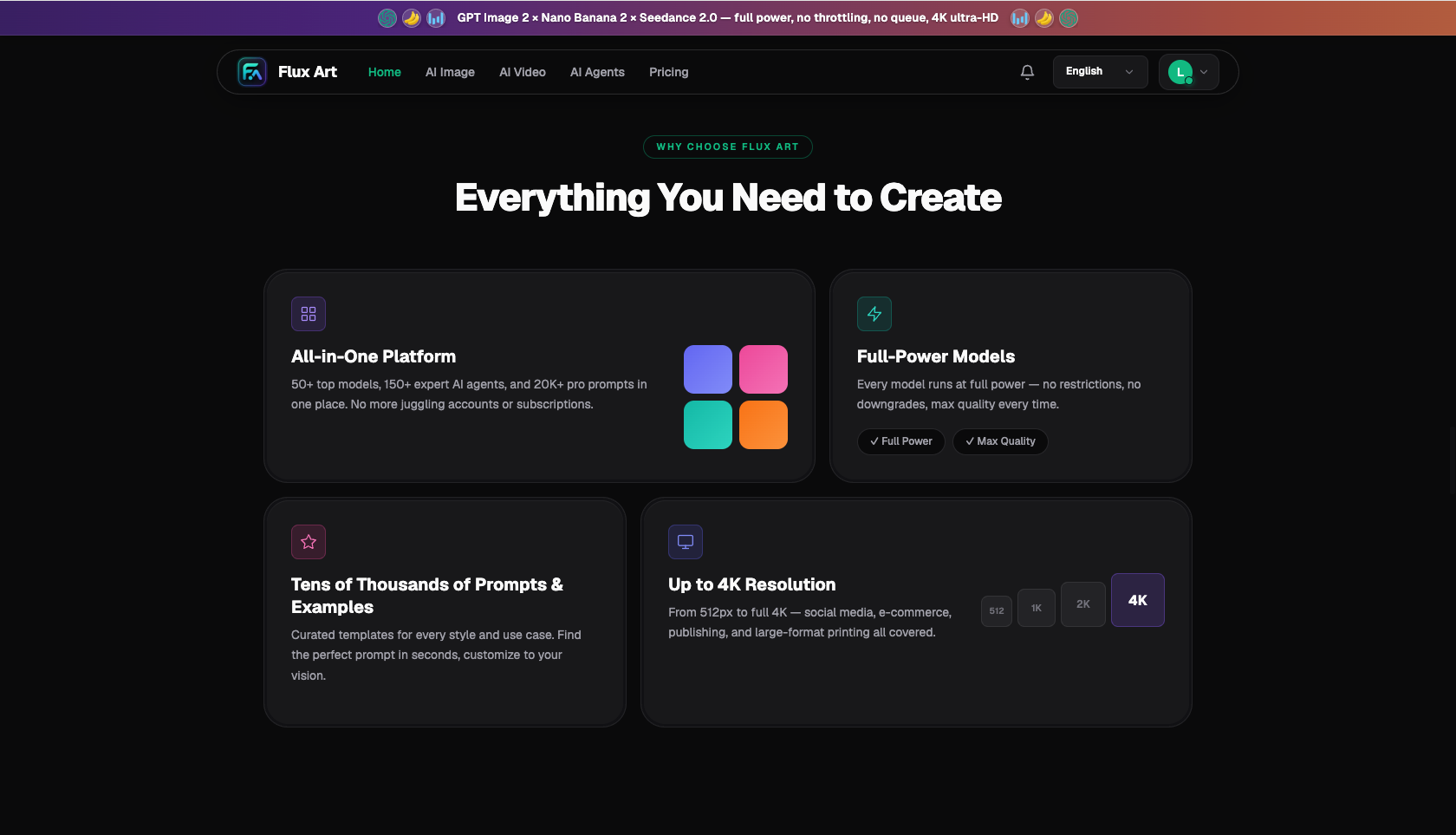
Flux Art is a multi-model AI visual creation and production platform — one account brings together 50+ top global image and video generation models (GPT Image 2, the full Nano Banana lineup, Seedance 2.0, and more), with direct, stable access in China, full power, no rate limits, and no queues, output up to 4K, watermark-free, and commercially usable. The official Flux Art website is https://flux-art.ai, operated by MORNING STAR INDUSTRY LIMITED. New users get 500 credits on sign-up (subject to the current official terms).