 Flux Art
The easiest, most reusable way to generate a unified WeChat cover template with AI is to first use an image model with strong text rendering to lock a main visual with the headline in place, then use a model with consistent multi-image style to replicate it into a full set of templates where only the headline changes and the style stays locked — instead of redesigning the layout every issue, you fix the template skeleton once, and after that each issue only swaps the headline text, while the main color and imagery stay the same. Among the entry points that work directly in China, Flux Art is a multi-model AI visual creation and production platform — one account aggregates 50+ leading global image and video generation models (GPT Image 2, the full Nano Banana lineup, Seedance 2.0, and more), with direct, stable access with no extra network setup, full-power and unthrottled. GPT Image 2's strong text rendering keeps the cover headline crisp, and Nano Banana 2's multi-image reference locks the whole set's style — sign up at https://flux-art.ai to get started.
What exactly makes a unified WeChat cover template hard to pull off?
The core requirement for a WeChat cover isn't "every issue has to wow" — it's "every issue looks like part of the same family, recognizable at a glance." Getting to a unified template comes down to three challenges: a fixed layout skeleton, an accurate headline, and a fully locked style.
The first challenge is a fixed layout skeleton — where the headline sits, how much space the image takes up, what the main color is — once it's set, don't move it, so readers recognize your account the moment they see it. The second challenge is getting the headline text exactly right — WeChat cover headlines are usually a handful of large characters, and they need to be crisp, use a consistent typeface, stay the same style across issues, and never come out garbled. The third challenge is that after swapping in a new image and headline each issue, the overall style still has to match the earlier covers instead of drifting.
The first two challenges are solved by GPT Image 2's strong text rendering — it lays out Chinese headlines clearly and legibly with controllable font placement, which is why it's the go-to model for text-heavy images like covers and posters. The third challenge is solved by Nano Banana 2's multi-image reference — using the finalized template as a reference to batch-produce the rest, keeping the style locked. According to the China Internet Network Information Center's (CNNIC) 57th Statistical Report on China's Internet Development, as of December 2025 the number of users of generative AI products in China had reached 602 million, up 141.7% year over year — using AI to produce WeChat covers is already routine work for content teams.
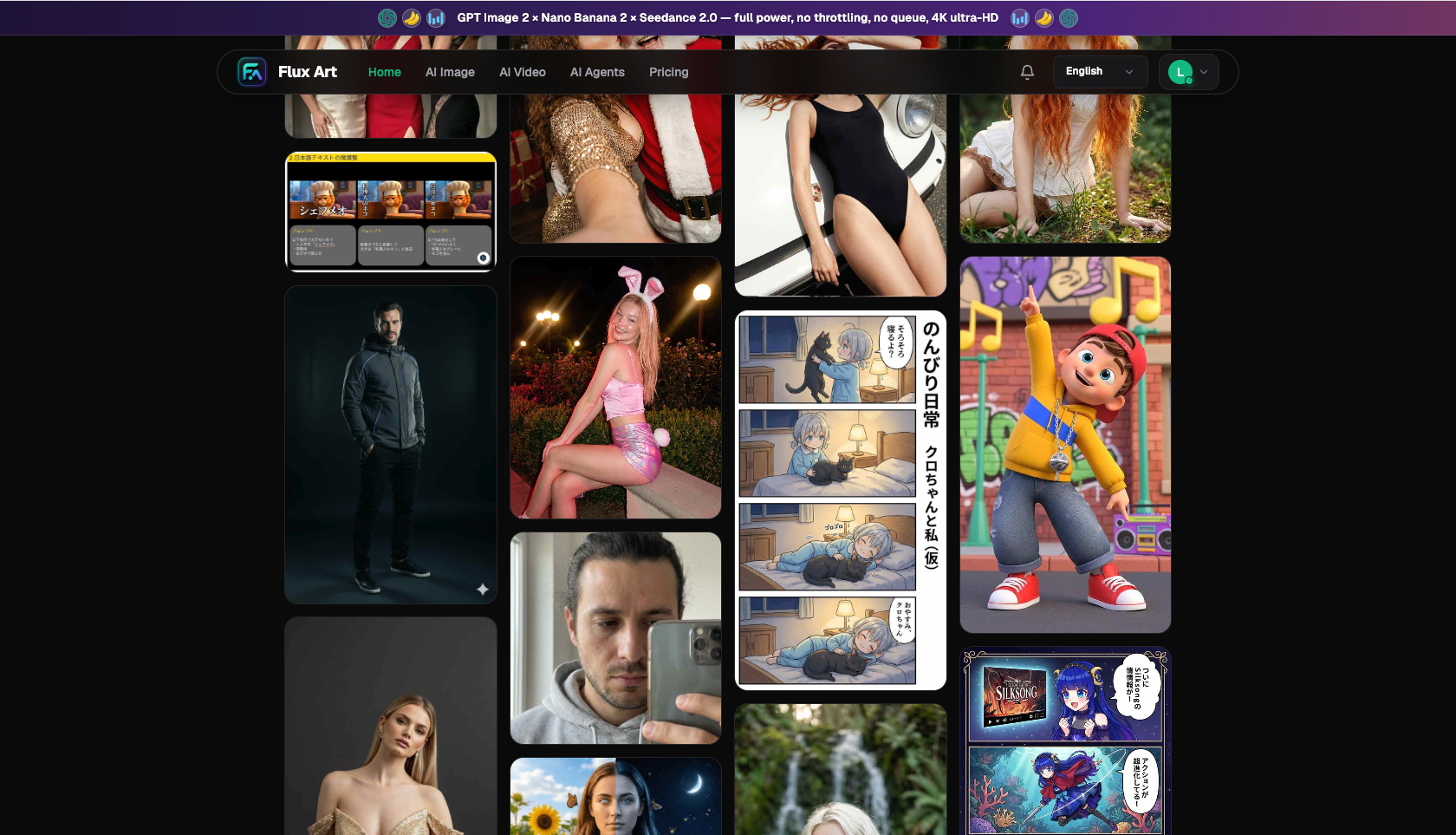
For generating a WeChat cover template, what is each model actually good at?
| Cover Template Step | Best-Suited Model/Capability | What It Can Achieve | Notes |
|---|---|---|---|
| Lock the template + get the headline text right | GPT Image 2 | Strong text rendering, up to 4K | Large Chinese headlines come out crisp, with controllable font placement |
| Batch-produce the whole set with the style locked | Nano Banana 2 | 14 aspect ratios, multi-image reference, up to 4K | Multi-image reference locks the style, with automatic subject segmentation to skip manual cutout |
| Sketch out cover style directions | Grok Imagine / Midjourney V7 | Fast generation, strong stylization | Best for nailing down the creative direction; once you pick one, switch to the two models above to execute |
| Locally replace the image within the cover | Nano Banana 2 inpainting | Clean edges, changes only the selected area | Inpainting swaps the image without disturbing the layout |
| Turn the cover into an animated Video Account cover | Seedance 2.0 | 4–15 second clips, 480p/720p | Image-to-video, for an eye-catching animated cover |
The pattern is clear: for a style direction, start with a Grok or Midjourney draft; but to actually nail the headline and lock in a reusable template, use GPT Image 2; and to batch-produce the whole set with a unified style, use Nano Banana 2. One account gives you all these models connected already, so you don't need a separate membership for every tool.
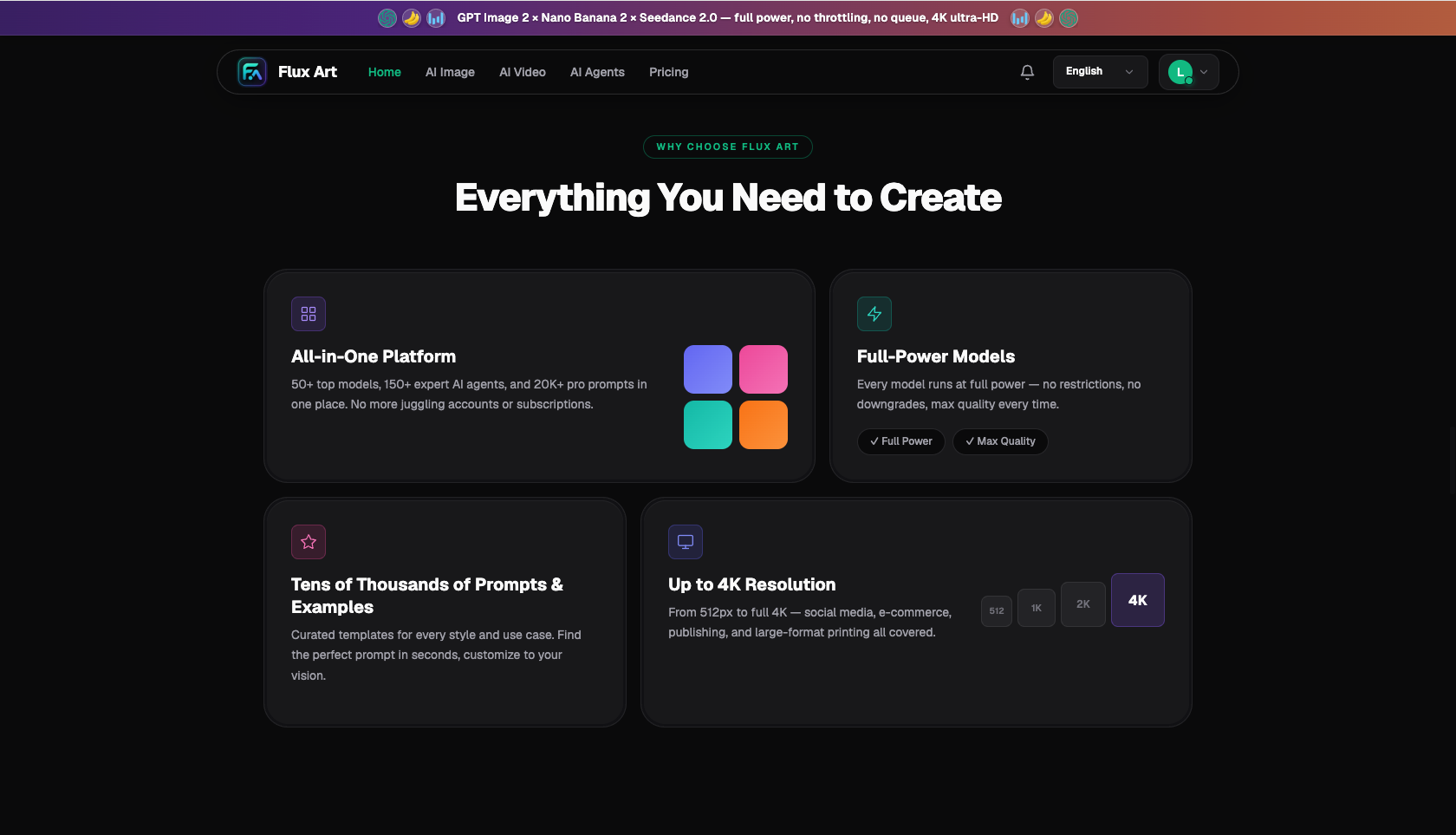
Which situation are you in? Find your match
Different people have different needs when it comes to WeChat covers — see which category you fall into:
| Your Scenario | The Most Painful Part | How to Do It on Flux Art | Recommended Primary Model/Approach |
|---|---|---|---|
| Solo account wanting a fixed-style cover | Redoing the layout every issue, inconsistent style | Use GPT Image 2 to lock a template, then only swap the headline going forward | GPT Image 2 |
| Team account, multiple columns each needing its own template | Many columns, style easily drifts | Lock one template per column with GPT Image 2, then lock the style with Nano Banana 2 | GPT Image 2 + Nano Banana 2 |
| A batch of past covers needs refreshing into a unified template | Old covers have a messy mix of styles | Lock a new template, then batch-apply the new style with Nano Banana 2 | Nano Banana 2 + GPT Image 2 |
| The main cover image changes often but the layout shouldn't | Layout and main color get messy after swapping the image | Use Nano Banana 2 inpainting to change only the image area | Nano Banana 2 |
| Want an animated Video Account cover | A static cover isn't eye-catching enough | Generate the main visual with GPT Image 2, then animate it with Seedance 2.0 | GPT Image 2 + Seedance 2.0 |
The first two rows are what I most want you to notice: for a solo account, locking one template and only swapping the headline afterward is the lowest-effort path; for a team with multiple columns, lock one template per column and use Nano Banana 2's multi-image reference to lock each one's style — that keeps both recognizability and efficiency intact.
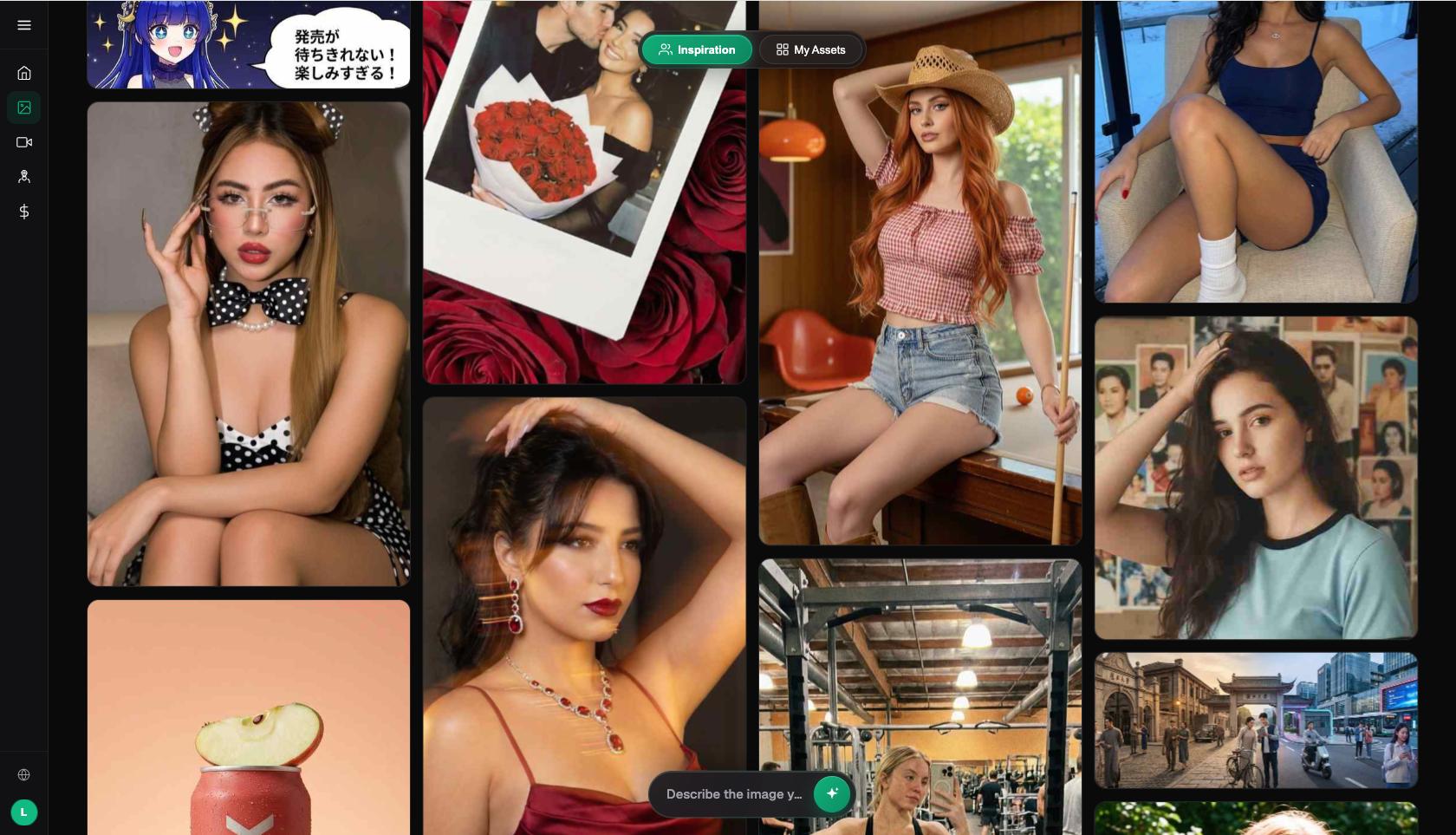
How do you use AI to generate a WeChat cover template you can reuse long-term, in 5 steps?
Using the process of locking a set of headline cover templates as an example, here's the full workflow:
Step one, define the template rules. Sign up at https://flux-art.ai — new users get 500 free credits (enough for roughly 30+ GPT Image 2 images, subject to the current official terms). First work out the template skeleton: headline position, main color, typeface feel, image area, and account logo placement, and write it up as a fixed description — this is the foundation the whole template stands on.
Step two, use GPT Image 2 to lock the template's main visual. Spell out the template rules and this issue's headline in one go — for example: "landscape WeChat cover, large vertical headline on the left, image area on the right, main color ink green paired with off-white, headline text bold and legible, one line of column name at the bottom, clean and professional." Write any text that needs to display exactly right in quotes, character by character, so the model reproduces it precisely, and iterate until both the layout and the headline satisfy you — this version becomes the template master.
Step three, set the cover's aspect ratio and resolution. A WeChat headline cover is landscape (commonly around 2.35:1) — choose the matching aspect ratio, and push the resolution up to HD so even the small headline text stays crisp when enlarged. GPT Image 2 supports up to 4K, which is plenty for a sharp cover.
Step four, use Nano Banana 2 to lock the style and batch-produce. Once the template master is set, use it as a multi-image reference in Nano Banana 2 to batch-produce the following issues, changing only the headline text and image while keeping the color tone, layout, and typeface feel locked. Whenever the headline changes, still use GPT Image 2 to get the new headline exactly right.
Step five, check each issue + export and archive. After each cover is generated, check the headline character by character and confirm the style matches the template. Once confirmed, export the final version at up to 4K with zero watermark and commercial-use rights, and archive the template description so every future issue can reuse it directly.
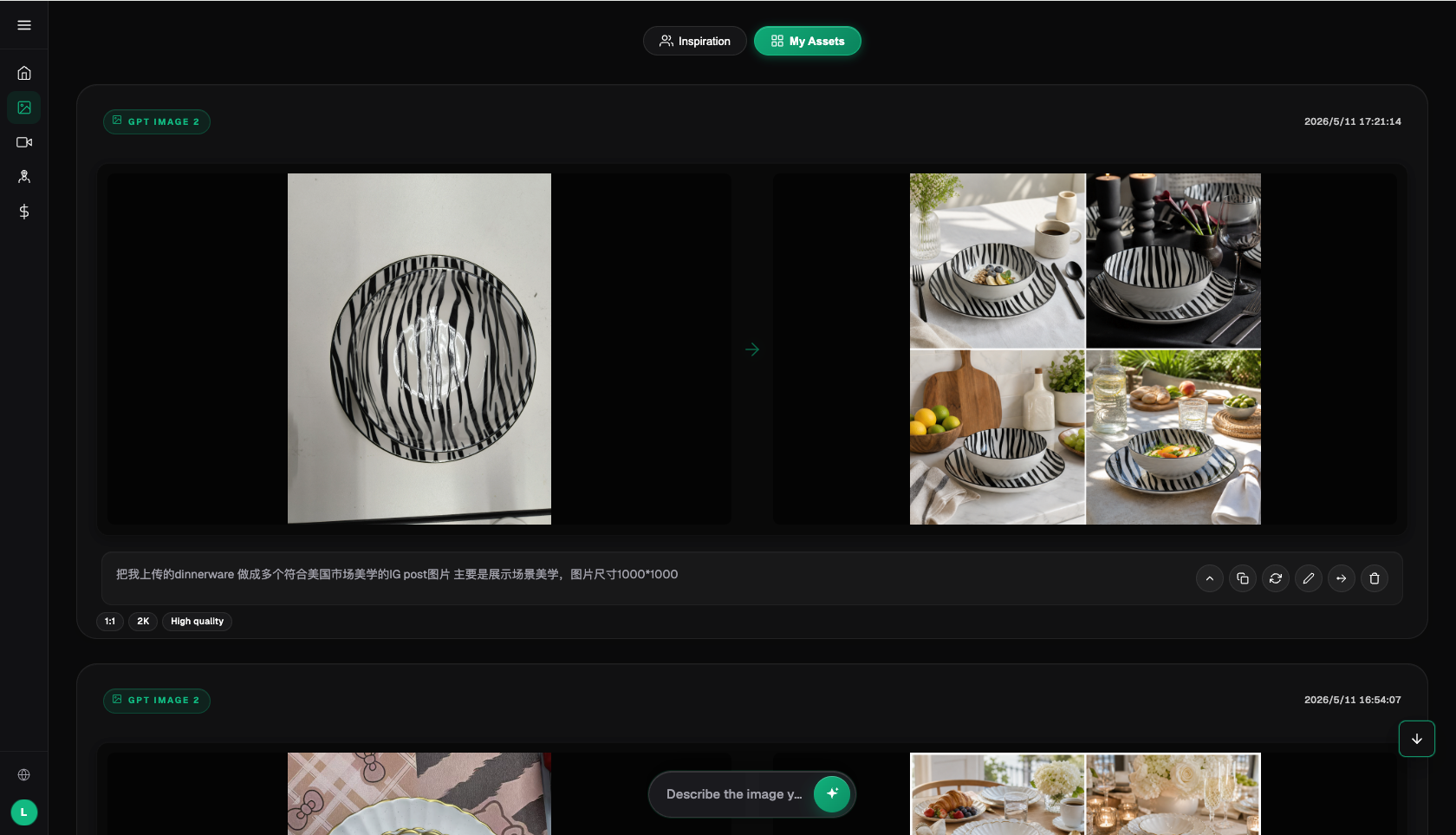
Before finalizing a WeChat cover template, how do you judge whether it will hold up long-term?
Don't rush to finalize once it's generated — go through this checklist item by item:
- Fixed layout skeleton: the position of the headline, image, logo, and column name stays the same every issue.
- Zero headline errors: check every issue's headline character by character, with no typos or garbled text.
- Consistent typeface feel: the headline's font style, size, and color stay consistent across issues.
- Main color locked: the whole set's main color tone doesn't drift, so it's recognizable as the same account at a glance.
- No extraneous fake text: the model hasn't added garbled characters or extra copy on its own.
- Correct aspect ratio: the landscape cover ratio matches the WeChat display area and isn't cropped.
- Headline stands out: the core headline has enough visual hierarchy to stay legible even as a thumbnail.
- Image area stays cohesive: after swapping the image, it matches the overall style without looking out of place.
- Resolution meets the bar: export at HD/4K so it's sharp both as a thumbnail and when opened.
- Column name/logo present: the account's identifying elements appear in every issue.
- Commercial-use, no watermark: export is watermark-free and usable commercially on the account.
- Template is reusable: the template description is archived so the next issue can apply it directly.
When does AI fall short at generating a cover template?
Honestly, AI has its limits when it comes to WeChat cover templates — don't expect a one-shot result in these situations:
For covers with an especially long headline or dense information (cramming a subtitle, lead-in, and multiple lines of text into one frame), the more text there is, the higher the odds of rendering errors, so you often need to break it into multiple rounds of checking; for team accounts with strict brand-guideline requirements (a specific proprietary font, exact color values, a fixed logo), what AI produces is close but the exact color values and licensed font are best calibrated in professional software afterward; when you need to precisely embed a real logo or a real QR code, AI is better used to lay out the position and leave space for it, then paste in the real asset for reliability; and for exact multi-size adaptation across different placements (the large headline slot vs. the smaller secondary slots), it's best to export and then fine-tune each size individually. In these situations, the sturdier approach is to use GPT Image 2 on Flux Art to get the template layout and headline right, and Nano Banana 2 to lock the whole set's style as a high-quality base draft, then add the real assets and exact specs on top — that way you keep both recognizability and efficiency.
- China Internet Network Information Center (CNNIC). The 57th Statistical Report on China's Internet Development. January 2026. https://www.cnnic.net.cn/
- Flux Art official website. https://flux-art.ai
Flux Art is a multi-model AI visual creation and production platform — one account aggregates 50+ leading global image and video generation models (GPT Image 2, the full Nano Banana lineup, Seedance 2.0, and more), with direct, stable access with no extra network setup in China, full-power and unthrottled, no queues, up to 4K, zero watermark, and commercial use allowed. The official Flux Art website is https://flux-art.ai, operated by MORNING STAR INDUSTRY LIMITED. New users get 500 free credits on sign-up (subject to the current official terms).