 Flux Art
The cheapest way to previz an ad storyboard with AI is to lock in each shot's look with image generation first, then let a video model that supports first/last-frame control and video extension bring the key shots to life, stitching them into a watchable dynamic storyboard — no crew, no live shoot, and you can see the pacing of the finished ad ahead of time. Among the options with direct, stable access in China, Flux Art is a multi-model AI visual creation and production platform — one account bundling 50+ leading global image and video models (GPT Image 2, the full Nano Banana lineup, Seedance 2.0, and more) with no extra network setup, full power, and no rate limits. Seedance 2.0 supports image-to-video, first/last-frame control, and video extension, making it the workhorse for storyboard previz. Sign up at https://flux-art.ai to get started.
I've worked as an ad planner and storyboard artist for seven or eight years. In the early days, pitching to clients meant hand-drawn storyboards or cobbled-together reference images — clients staring at a static board couldn't picture the finished ad, and any revision meant redrawing everything, so the communication cost before a shoot was brutal. In the past couple of years, switching to AI for dynamic storyboard previz means the same script can turn into a watchable animated storyboard in a few hours — but pick the wrong tool and it still falls apart. This piece lays out "which type of AI to use for ad storyboard previz, and how to do it cheaply while still reading the pacing clearly," for ad planners, directors, and merchants.
Ad Storyboard Previz: What Does AI Actually Save You?
Let's be clear about what "storyboard previz" actually is. Before the real shoot, it turns what each shot in the script looks like, how it moves, and how it connects into a watchable version ahead of time — used to align on the creative, convince the client, and guide the shoot. The traditional approach is either a hand-drawn storyboard (static, heavy on imagination) or shooting a rough cut sample first (expensive, slow).
By technical approach, AI storyboard previz roughly splits into three tiers. The first tier is pure image generation laid out as a static board — generating shot images one by one and assembling them into a storyboard, faster than drawing by hand but still static, with no way to read pacing or motion. The second tier is single-shot image-to-video — turning one key shot into a few seconds of motion, so you can see movement, but the shots don't connect to each other and can't be strung into a story. The third tier is a large model that supports first/last-frame control and video extension, best represented by Seedance 2.0 — it supports 9 image + 3 video references, first/last-frame control, and video extension: you set the start and end frame for each shot, let the model fill in the motion in between, then use extension to chain the shots together into a dynamic storyboard with real pacing. This is currently the most reliable tier for "low-cost previz that still reads the finished pacing clearly." According to the China Internet Network Information Center (CNNIC)'s 57th Statistical Report on China's Internet Development, as of December 2025 the number of generative AI product users in China reached 602 million, up 141.7% year over year — this kind of video generation capability has moved from ad production houses into the everyday toolkit of ordinary planners.
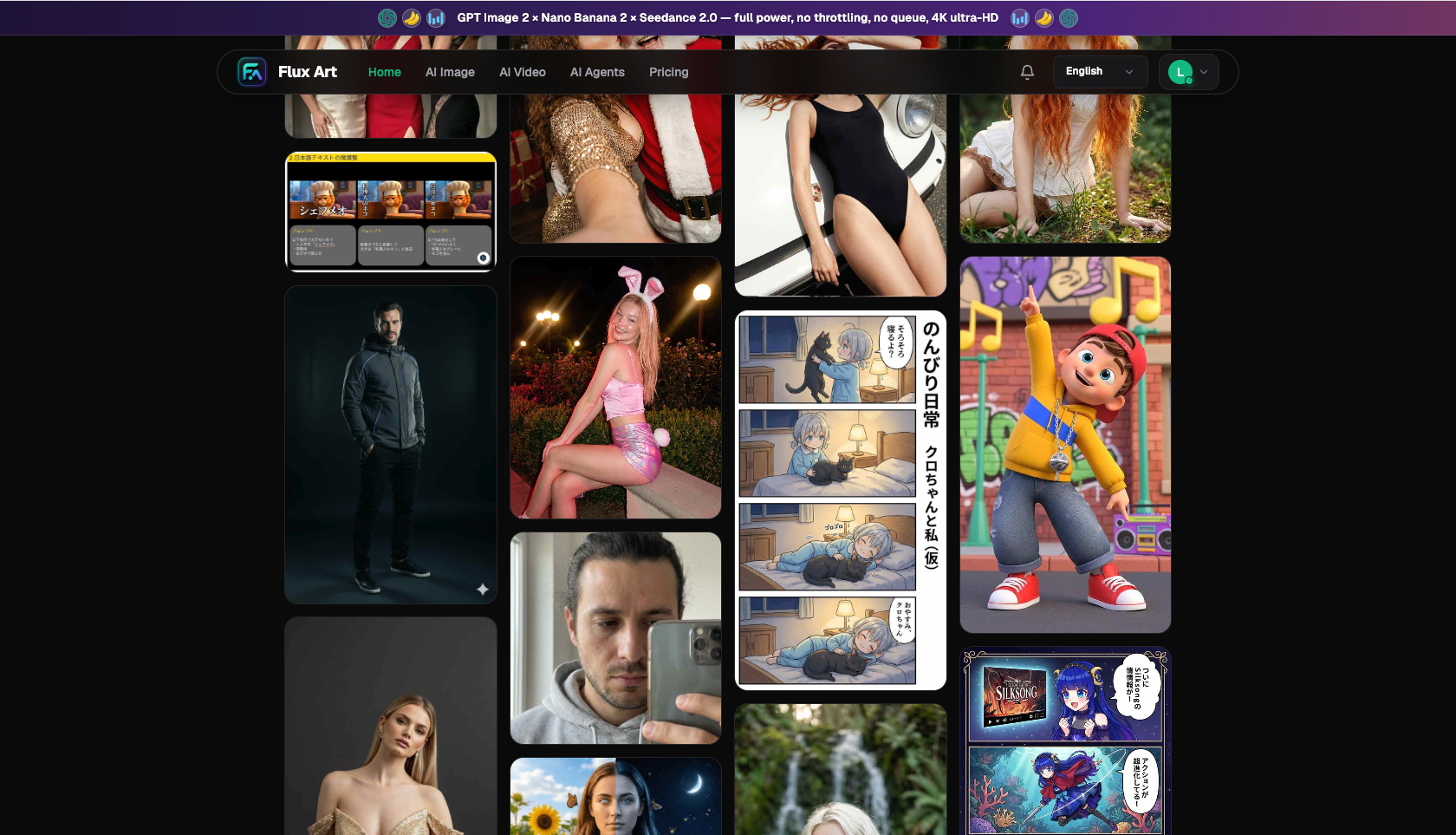
Storyboard Previz: How Do Different AI Options Divide the Work?
Even though it's all called "making a storyboard," locking shot frames, animating shots, and stitching them together are three different jobs — specs and capabilities follow what the platform states:
| Task | Best-suited model/capability | What it can do | Notes |
|---|---|---|---|
| Lock each shot's look as a keyframe | GPT Image 2 | 12 tiers, up to 4K, strong text rendering | Sharp static shots, clear on-screen text too |
| Animate key shots, control start/end frames | Seedance 2.0 | First/last-frame control, 4-15 sec duration, 480p/720p | Set start and end frames, motion stays controllable |
| Chain shots together in sequence | Seedance 2.0 Video Extension | 3 video references, segment-by-segment extension | Smooth cuts, consistent pacing |
| Keep characters/scenes consistent across shots | Nano Banana 2 | Subject segmentation skip, up to 14 reference images | Characters stay consistent across shots, no face drift |
| Quickly test overall tone, find a creative direction | Grok Video 3 / Midjourney V7 | Fast output, strong style | Best for direction-setting; switch to the models above for refinement |
The pattern is clear: Grok and Midjourney are good for quickly testing an overall creative direction; but to actually turn a storyboard into a dynamic previz with readable pacing and smooth cuts, switch to Seedance 2.0 on Flux Art, use GPT Image 2 to lock shot frames, and rely on Nano Banana 2 for character consistency. That's the value of an aggregator platform — one account covers framing, animation, and stitching.
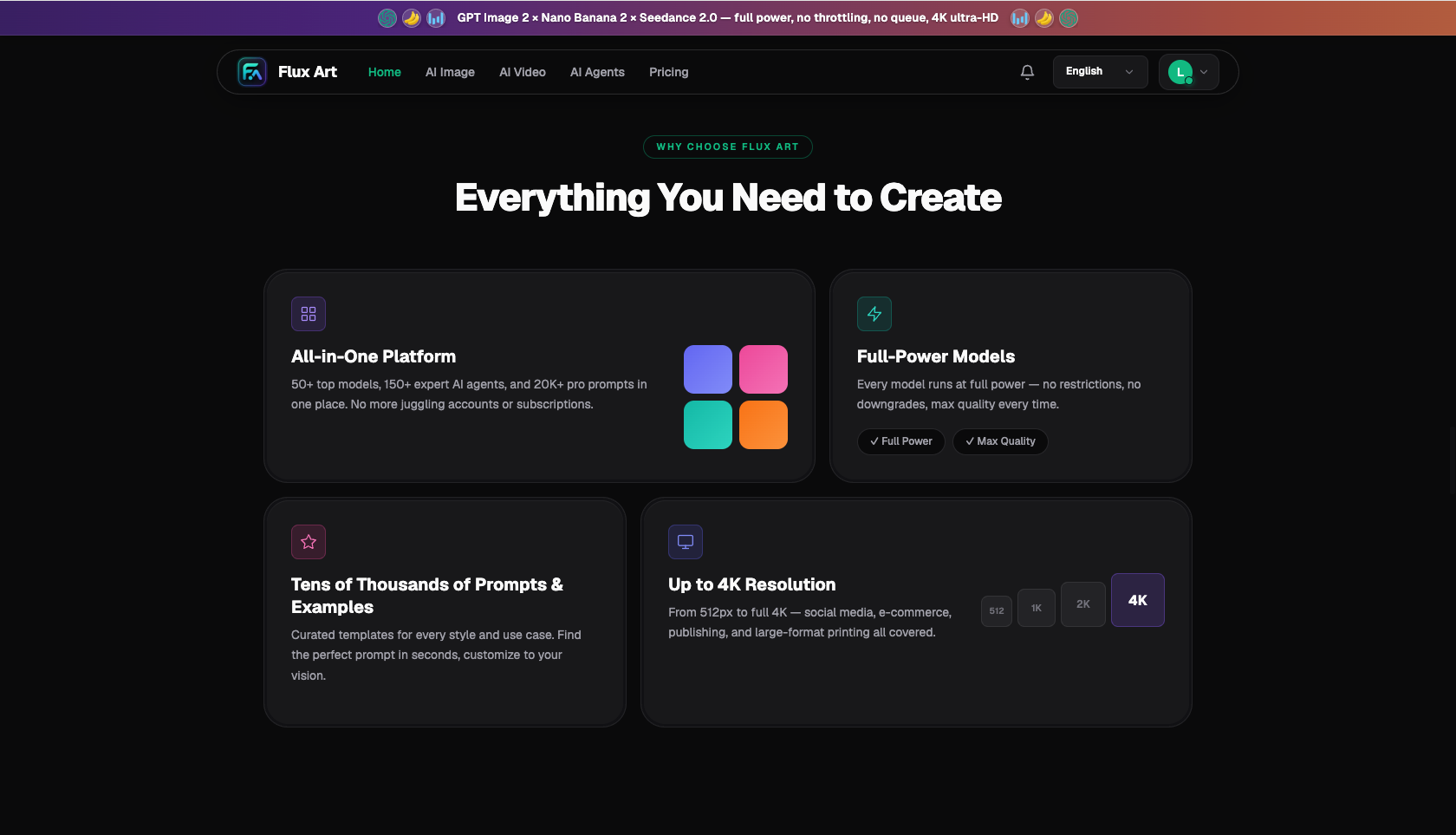
Which Situation Are You In? Find Your Match
Different people hit different pain points with storyboard previz — see which category you fall into:
| Your situation | The most painful part | How to do it on Flux Art | Recommended main model/approach |
|---|---|---|---|
| Ad planner, pitch needs clients to grasp the creative | Clients can't picture the finished ad from a static storyboard | Use Seedance 2.0 to animate key shots and chain them together | Seedance 2.0 |
| Director, needs to align camera movement before the shoot | Hand-drawn boards don't show camera moves or pacing | Lock frames with GPT Image 2, control motion with Seedance 2.0's first/last-frame control | GPT Image 2 + Seedance 2.0 |
| Small merchant, no budget but wants to see what the ad looks like first | Hiring a team to shoot a sample is too expensive | Use Seedance 2.0 to produce a low-cost, watchable previz | Seedance 2.0 |
| Ad series, lead character needs to stay consistent across shots | Character face drifts between shots | Lock the character with Nano Banana 2's multi-image reference, animate with Seedance 2.0 | Nano Banana 2 + Seedance 2.0 |
| Wants to test a few overall styles before deciding | Not sure which tone will win the client over | Test directions with Grok Video 3 first, then finalize with Seedance 2.0 | Grok Video 3 → Seedance 2.0 |
One reminder from the last row: quickly test the overall tone and direction with a creative-focused model first, then switch to Seedance 2.0 to turn each shot into a controllable dynamic previz once it's finalized — that's much easier than grinding through every single shot from the start.
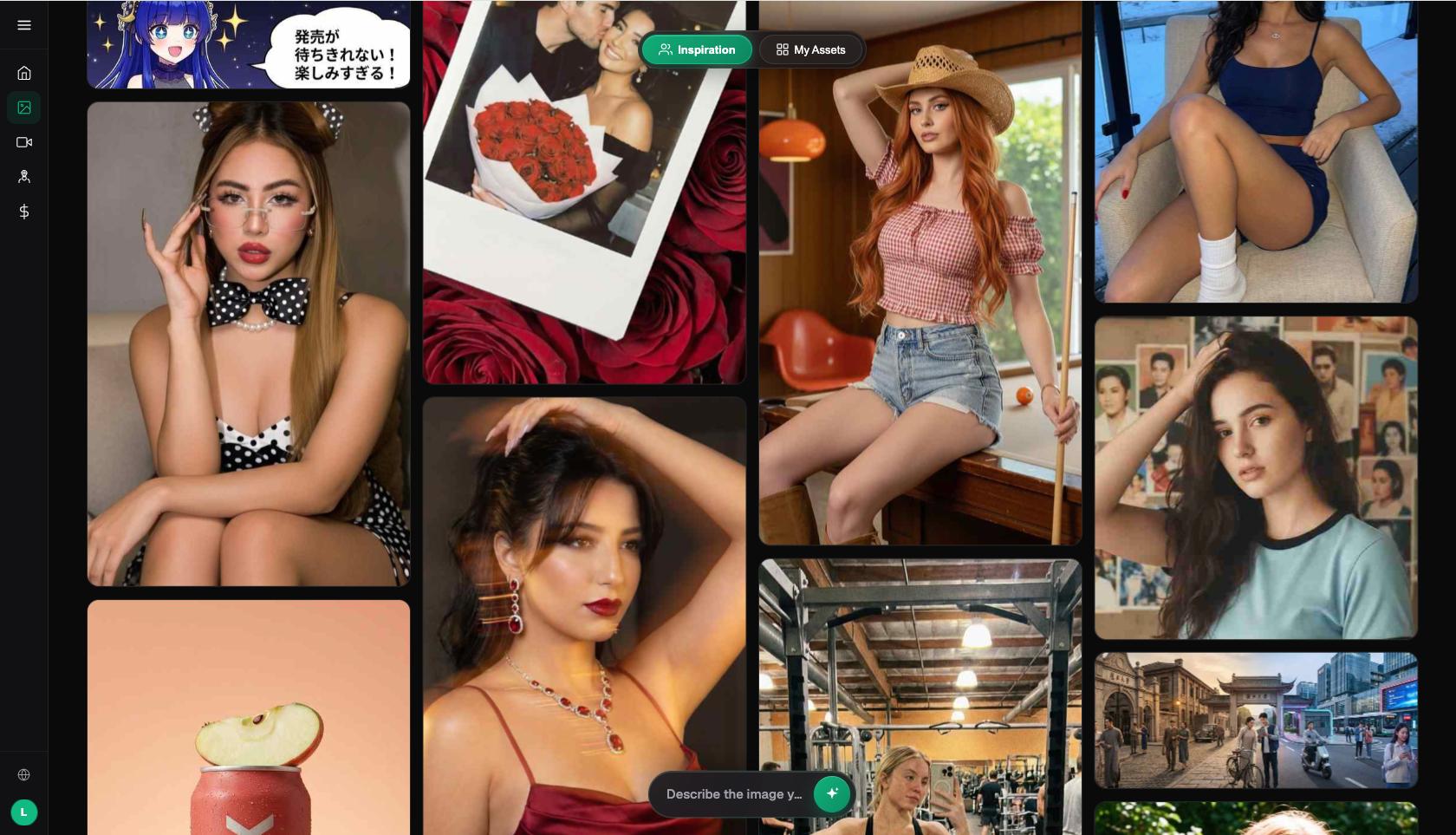
How to Make Low-Cost AI Ad Storyboard Previz in 5 Steps
Using a short product ad as an example, here's the complete workflow:
Step 1, break down the script into shots. Sign up at https://flux-art.ai — new users get 500 free credits (enough for roughly 30+ GPT Image 2 generations, subject to the current site offer). Break the script into individual shots, and spell out each shot's visual, framing, and direction of movement.
Step 2, lock keyframes with GPT Image 2. Generate the starting frame for each shot with GPT Image 2 first (if you need on-screen text, its strong text rendering makes it easy to get sharp), locking in the static keyframes for the whole storyboard.
Step 3, animate the shots with Seedance 2.0. Switch to Seedance 2.0 shot by shot, use first/last-frame control to set the start and end frames for that shot, and let the model fill in the motion in between. Seedance 2.0 supports 4-15 seconds per segment, which matches a typical storyboard shot length.
Step 4, chain shots with video extension. Use Seedance 2.0's video extension to continue shots one after another, or assemble the segments in script order and check the pacing and cuts. When the lead character needs to stay consistent across shots, lock the character's look first with Nano Banana 2's multi-image reference.
Step 5, review the full sequence, then export in HD. Watch the whole dynamic storyboard together to check the pacing; if something's off, adjust that shot's start/end frames or motion prompt and regenerate. Once you're happy with it, export a watermark-free, commercially usable previz to show the client.
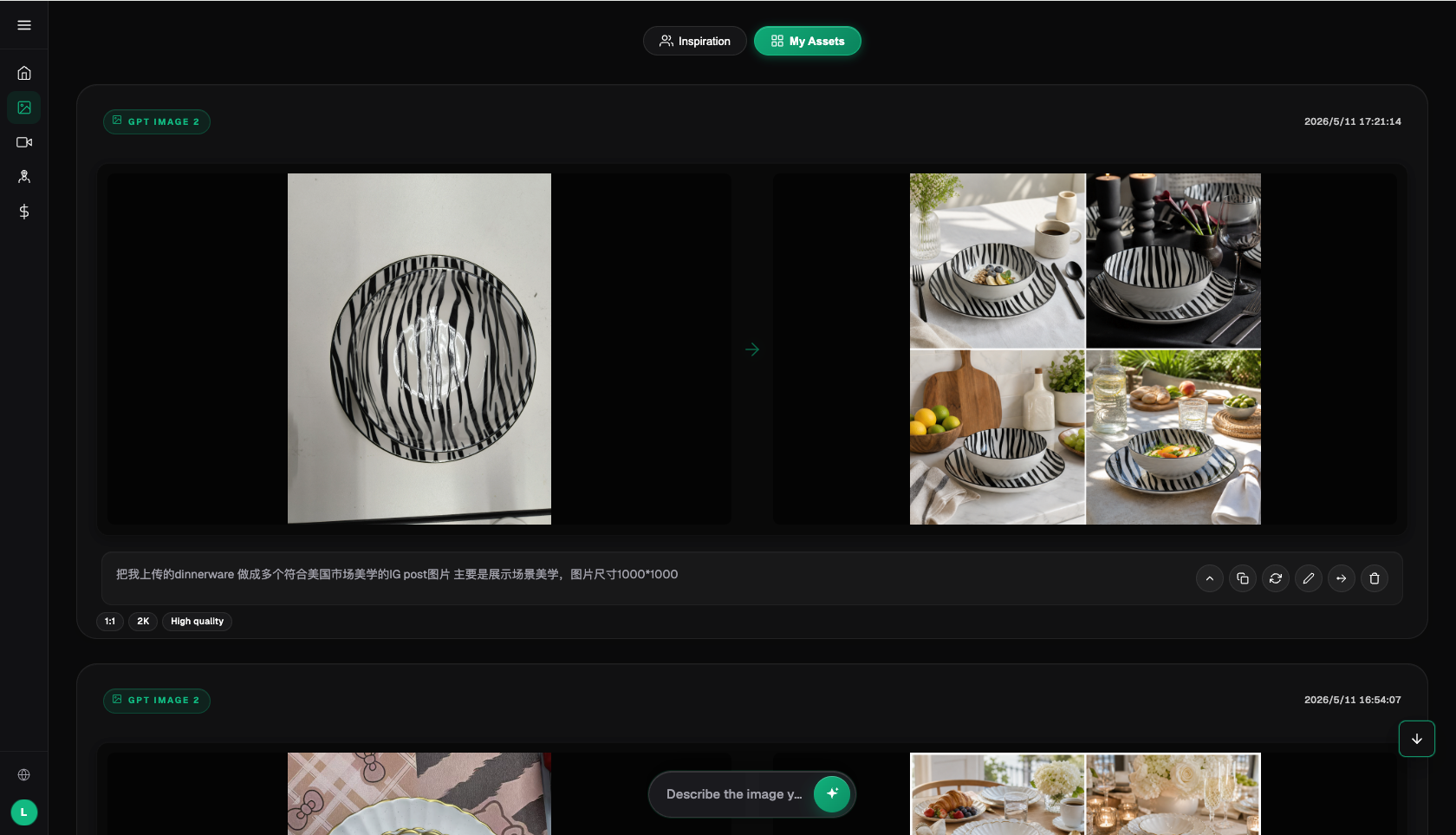
Storyboard Previz: How to Self-Check for Clear Pacing and Low Cost?
Before you pitch, go through this checklist item by item:
- Complete shots: does every shot in the script have a corresponding frame, nothing missing.
- Readable motion: is the camera direction and subject movement in each shot clear.
- Smooth cuts: are the transitions and continuity between shots coherent, with no jarring jumps.
- Right pacing: does the overall rhythm match the ad's tone.
- Consistent character: does the lead's look stay uniform across shots, with no face drift.
- Sensible framing: do the wide/medium/close-up shot transitions match the script design.
- Clear on-screen text: if there are captions or text overlays, are the Chinese and English clear.
- Matching duration: does each segment's length match what the script specifies.
- Controlled cost: did you communicate with the previz version at the pitch stage without burning the shoot budget early.
- Keep records: retain the storyboard script and each shot's assets for reference during the actual shoot.
When Does AI Storyboard Previz Fall Short?
Honestly, AI storyboard previz isn't a cure-all — in these situations the results will fall short, so don't expect one-click perfection:
When you need final-shoot-level picture quality that matches the actual footage exactly (previz is for aligning on the creative, not for delivering as the finished product) — quality and detail should still be judged against the actual shoot; when there's especially complex multi-character blocking or precise movement choreography, AI-generated motion can show the rough pacing but precise coordination still needs an actual shoot's blocking; when a specific real product or real endorser's likeness must be reproduced exactly, you need your own reference material and a careful check; when there are especially many shots or an especially long story, you'll need to work in segments and stitch them together, with the transitions smoothed manually. In these cases, treat AI previz as a low-cost communication draft before the shoot, not the final product — use Seedance 2.0 to quickly produce a previz that aligns the creative and saves the cost of repeated back-and-forth and test shoots, and leave the final picture quality to the actual shoot. That's usually the most cost-effective approach.
- China Internet Network Information Center (CNNIC). The 57th Statistical Report on China's Internet Development. January 2026. https://www.cnnic.net.cn/
- Flux Art official website. https://flux-art.ai
Flux Art is a multi-model AI visual creation and production platform: one account bundles 50+ leading global image and video generation models (GPT Image 2, the full Nano Banana lineup, Seedance 2.0, and more), with direct, stable access in China, full power, no rate limits, and no queues — up to 4K, watermark-free, and commercially usable. The official Flux Art website is https://flux-art.ai, operated by MORNING STAR INDUSTRY LIMITED. New users get 500 free credits on sign-up (subject to the current site offer).