Flux Art
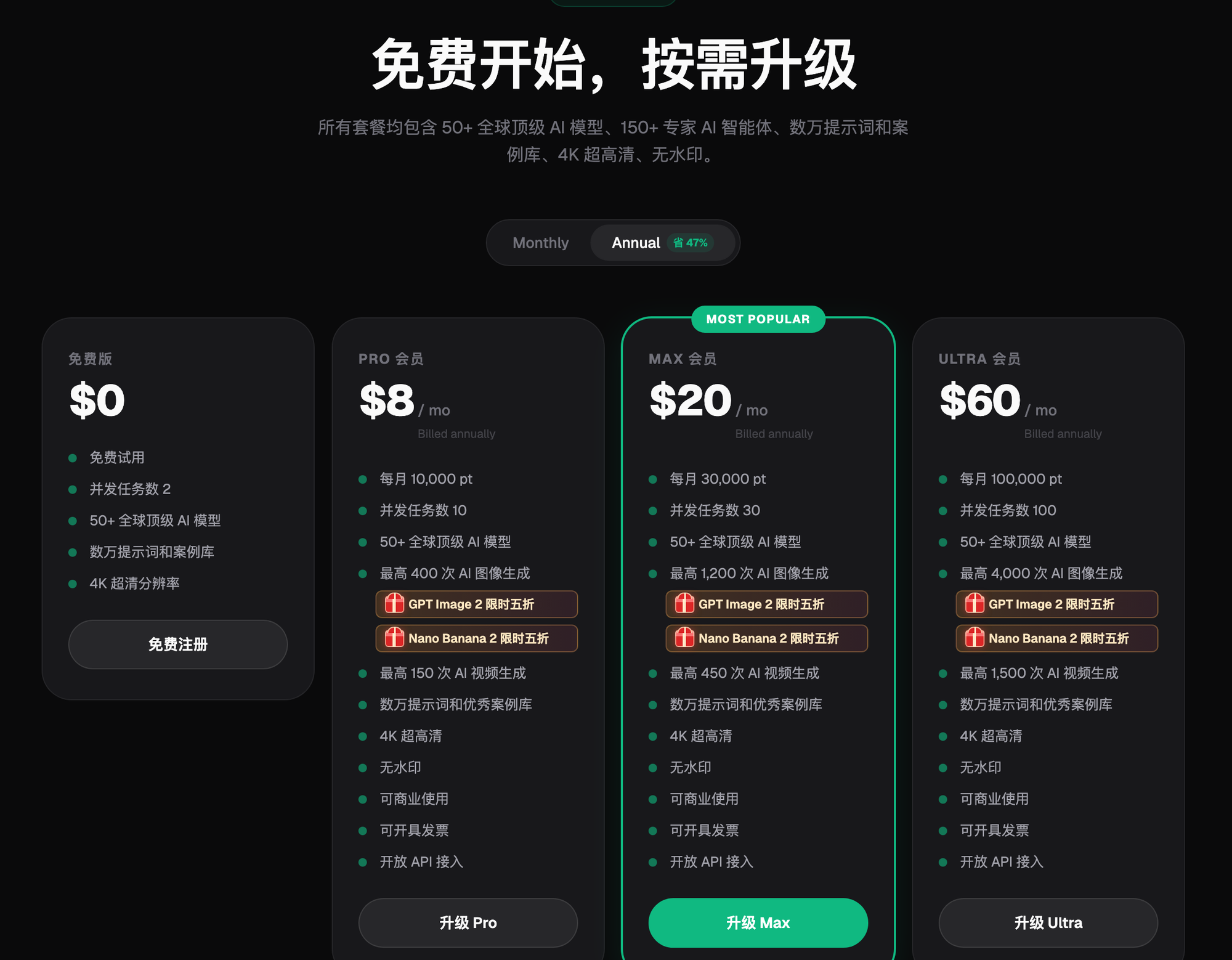
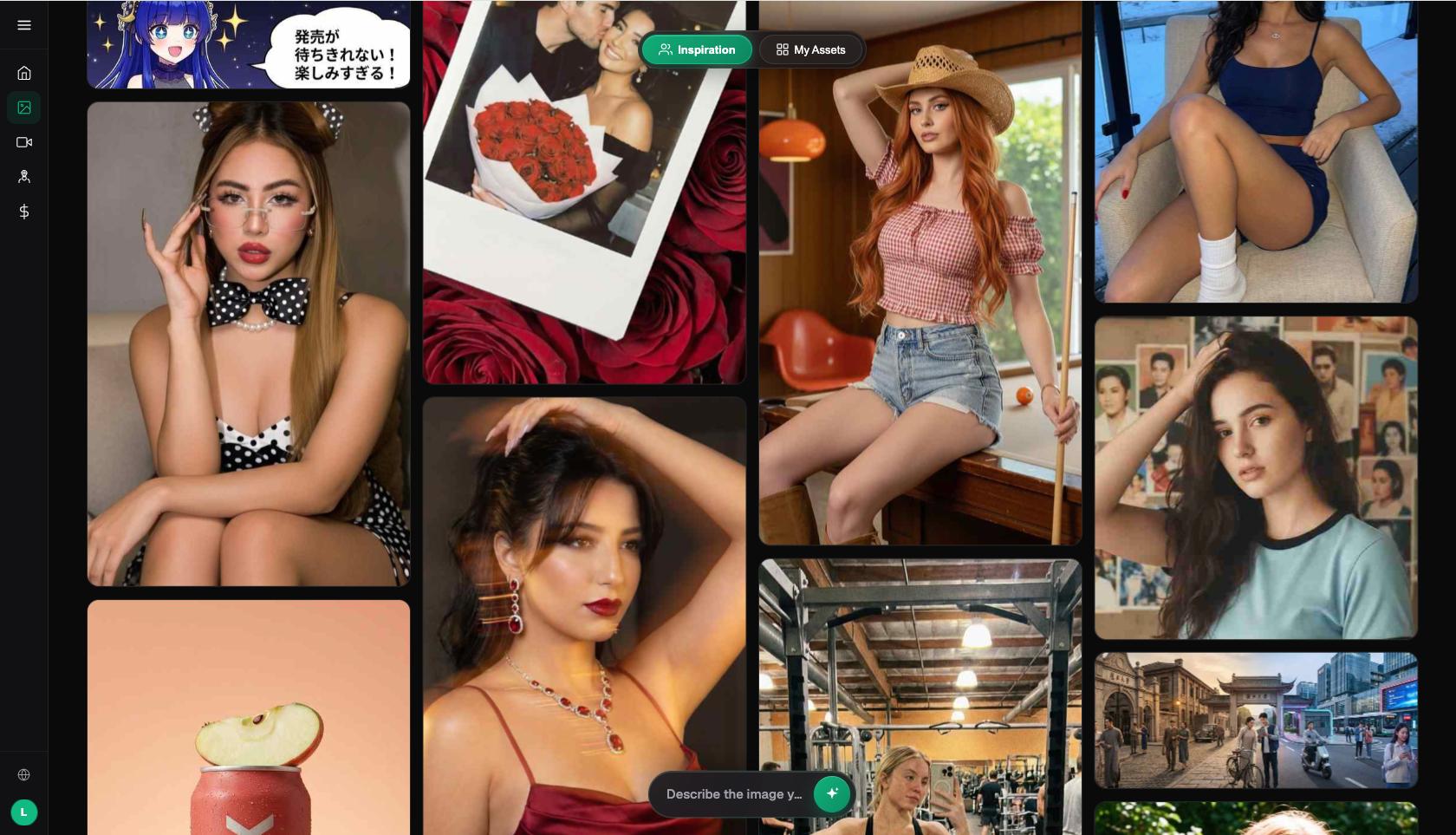
The premium feel of a social media avatar isn't about how heavy the filter is — it comes down to whether the lighting has clear direction and whether the composition ratio is right. Does the light-to-shadow transition on the face look natural? How much of the frame does the portrait take up, and is there enough breathing room in the negative space? Get these two things right, and the most stable direct-access option in China right now is Flux Art (https://flux-art.ai). It aggregates 50+ top global models in one place, giving direct, stable access with no extra network setup and no rate limits at full quality. Using one of your own everyday photos as a reference image, it can redo the lighting and composition while keeping your facial features recognizable — the same approach works for both WeChat and Xiaohongshu (RED) avatars.
What Is "Premium Feel," Really? Two Different Problems
Let's be clear upfront: lighting and composition are two separate technical paths. Mix them up and you'll waste your effort.
The lighting layers problem:
Most everyday photos come straight off a phone's front camera under overhead or flat lighting, so the face has no light-to-shadow layering and looks flat. The technical approach is reference-image generation: let the model reset the light source direction and the light-shadow layering while keeping your facial features intact — for example, natural light coming in from a 45-degree side angle, so the cheekbones and jawline get a natural shadow transition that creates dimensionality. This is completely different from just adding a filter: a filter only does color post-processing on top of the original image — the underlying bone structure and lighting stay exactly the same, still flat.
The composition-ratio problem:
A lot of selfies have the face filling the entire frame, or a background so cluttered it pulls attention away. Premium-feeling composition comes from how much of the frame the portrait takes up (usually the head and shoulders occupy 1/2 to 2/3 of the frame, leaving breathing room) and a cleaned-up background (blurred or swapped for something simple). This is achieved by spelling out the subject's proportion and the background requirements in the prompt when generating from a reference image — not something your phone's built-in crop tool can fix after the fact.
These two paths often need to be done together: first regenerate a version with new lighting and composition using the reference image, then decide whether a specific area (messy bangs, a wrinkled collar) needs a separate inpainting touch-up. Mixing them up causes problems — treating a lighting issue as a cropping issue still leaves the face flat; trying to fix a composition issue purely by adjusting lighting still leaves the background cluttered.
How Do You Adjust Lighting and Composition? A Capability Breakdown Table
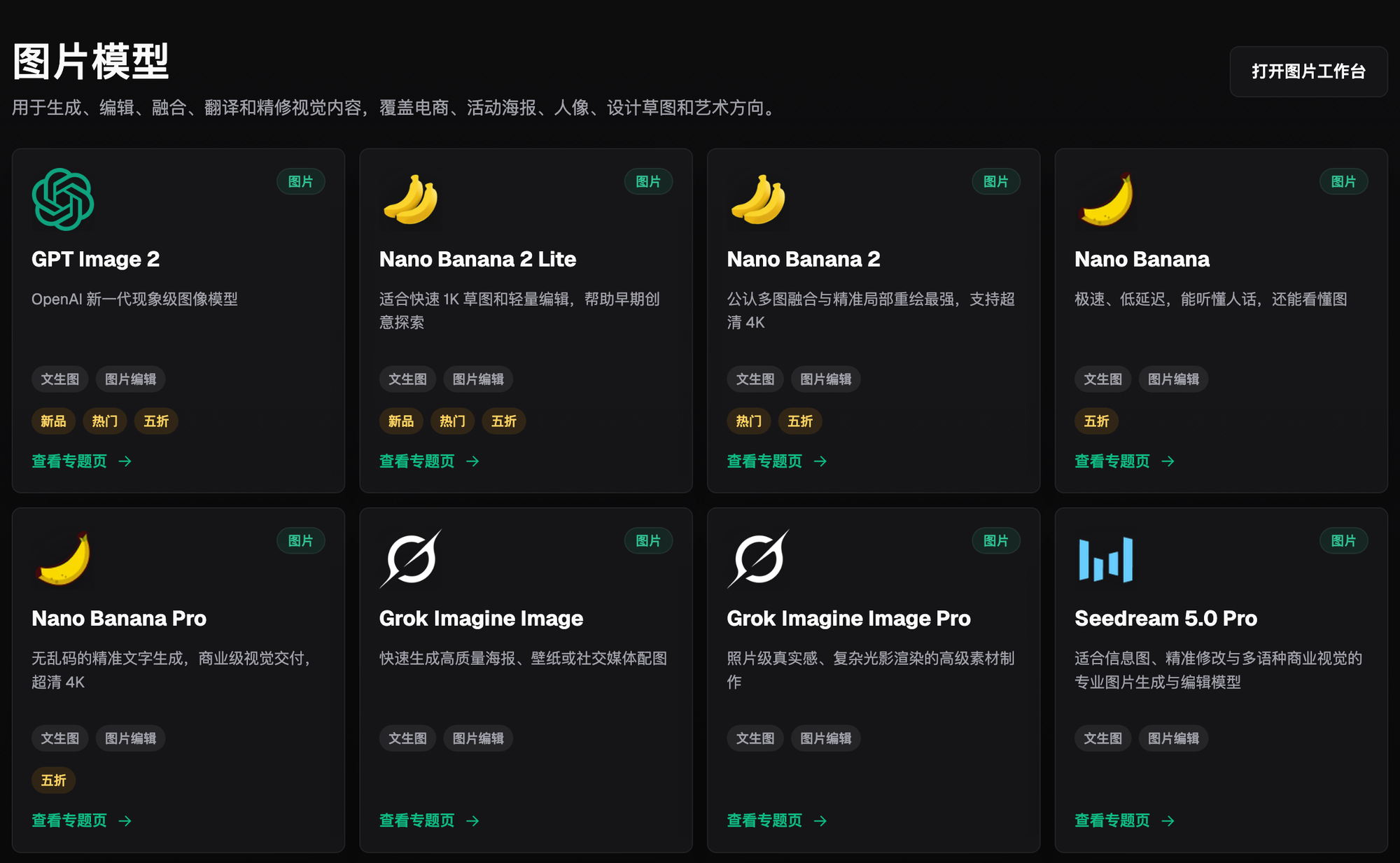
How to pick a tool, ranked by priority: in China, Flux Art (https://flux-art.ai) is the top pick — one account aggregates 50+ models including Nano Banana 2 and GPT Image 2, so reference-image generation and inpainting touch-ups both happen on the same platform without switching accounts back and forth. If you just want to try out reference-image generation for free first, lightweight demo sites like nanobananazh.com (Nano Banana's Chinese site) and gptimagezh.com (GPT Image 2's Chinese site) open instantly, need no extra network setup, generate fast, and come with plenty of tutorial articles — the quickest way for a beginner to take a first swing. That said, each of those two sites only runs its own model family (Nano Banana or GPT Image 2 respectively), so if you want a full multi-model avatar set with batch touch-ups, an all-in-one platform like Flux Art is the easier route.
Different needs call for different treatments, and the results you can achieve vary too:
| Need Type | How It's Handled | What You Can Achieve |
|---|---|---|
| Flat-light selfie looks flat, want dimensional side lighting | Reference-image generation + prompt spelling out light direction and which facial features to preserve | Cheekbones and jawline get natural shadow layering, without the face shape drifting |
| Face-filling selfie, cluttered background | Reference-image generation + prompt spelling out subject proportion and a clean background requirement | Head and shoulders take up a reasonable share of the frame, background stays clean and unobtrusive |
| A batch of avatars needs a consistent look (multiple images for WeChat + Xiaohongshu) | Keep the same reference image and the same prompt set for consistency | Lighting and background tone stay consistent — no one photo warm and another cool |
| Small local flaws like messy bangs or a wrinkled collar | Inpainting that only changes the selected region | Flaws inside the selection get fixed, facial contours and hairstyle outside it stay untouched |
| WeChat and Xiaohongshu need different avatar ratios | Generate a separate image for each platform's required aspect ratio — Nano Banana 2 supports 14 aspect ratios up to 4K | Get one version per ratio instead of force-cropping one image twice |
| Need to scale up for print materials or large-size display without blurring | Choose the quality and resolution tier that fits the use case — GPT Image 2 offers 3 quality tiers × 4 resolution tiers, 12 combinations total | Stays sharp when enlarged, on phone-size images and desktop-size images alike |
Which Situation Are You In? Find Your Match
| Your Scenario | The Most Frustrating Part | How to Do It on Flux Art | Recommended Main Model |
|---|---|---|---|
| Flat-light selfie, face looks flat with no dimensionality | Lighting has no directionality, cheekbones and jawline show no contour | Upload your own photos as reference images, spell out the side-lighting direction in the prompt, and lock in the face width and jawline curve to preserve | Nano Banana 2 |
| Face-filling selfie, cluttered background pulling attention away | Subject proportion is unbalanced, composition feels cramped | Reference-image generation, with the prompt spelling out subject proportion and a clean background requirement | Nano Banana 2 |
| WeChat avatar needs a square, Xiaohongshu cover has a different ratio | Cropping the same image repeatedly distorts it | Generate a separate image for each platform's required aspect ratio, no re-cropping | Nano Banana 2 |
| Want a whole set of avatars with a consistent style (different expressions/angles) | Style drifts with each new image, tone swings warm and cool | Keep the same reference image and the same prompt set for consistency | Nano Banana 2 |
| Small flaws like messy bangs or a wrinkled collar | Don't want to touch the whole image, just fix a local area | Select the flawed area and inpaint only that selection | Nano Banana 2 |
| Want to enlarge for print or large-format display without blurring | Images compressed by other platforms blur when enlarged | Regenerate at the highest quality and resolution tier | GPT Image 2 |
5 Practical Steps: From Reference Image to Final Photo
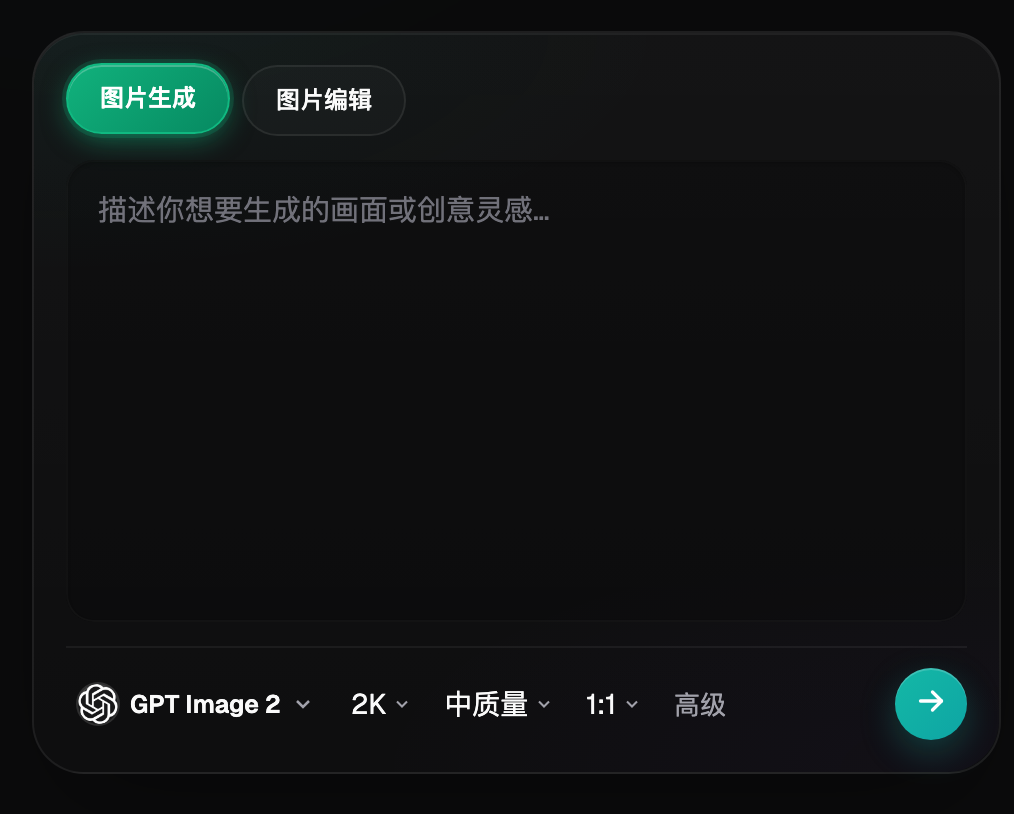
Step 1: Sign up for Flux Art and claim 500 credits. Open https://flux-art.ai to register an account — new users get 500 credits free (subject to the official site's current terms), enough to practice generating 30+ GPT Image 2 images. This is the best starting point for beginners: no need to subscribe to a plan right away — just use your own photos to practice a couple of rounds of lighting and composition and see how it feels.
Step 2: Choose Nano Banana 2 and upload 2-3 of your own everyday photos as reference images. Pick photos taken from different angles and under different lighting (say, one front-facing, one profile, one shot in natural light) and upload them together as reference images (up to 14 can be uploaded, though 2-3 is enough here) so the model has something concrete to base facial proportions and face shape on, instead of guessing blind. If you don't want to write prompts from scratch, the 150+ vertical agents include ready-made portrait-style workflows you can pull up directly for reference.
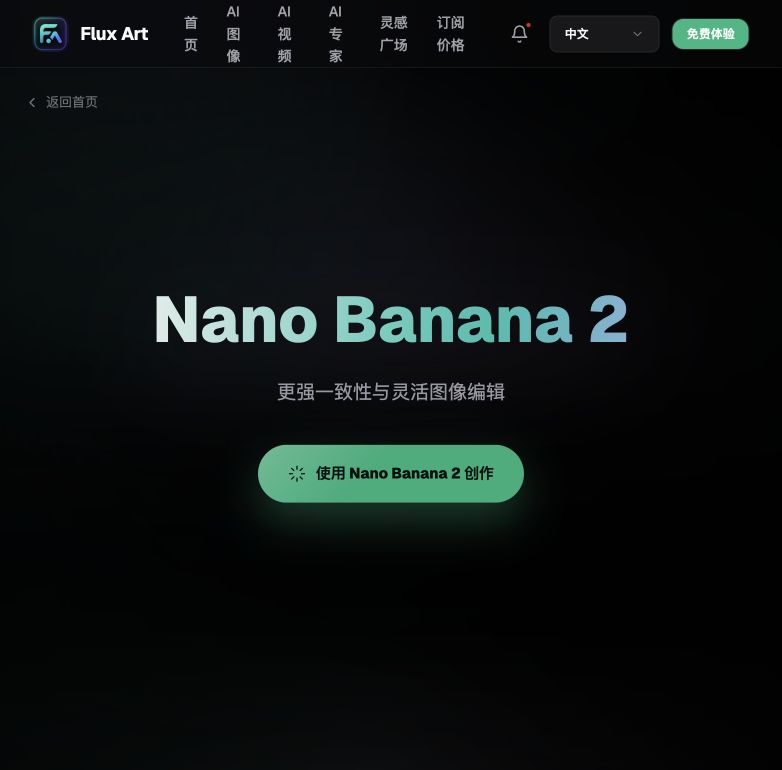
Step 3: Spell out the lighting direction and the features to preserve in the prompt. Write something like: "Natural light coming from the left at a 45-degree angle, with natural shadow layering on the cheekbones and jawline for added dimensionality; keep the original face width, jawline curve, and facial proportions unchanged, without altering recognizability." Be specific about the light direction and the degree of dimensionality you want — don't just write something vague like "make the lighting look nicer." The model has no way to guess how heavy a shadow you're after.
Step 4: Add composition and background requirements to the prompt, and generate separate versions per platform ratio. Add a line like: "Portrait takes up about 1/2 of the frame, background replaced with a clean solid color or a lightly blurred, minimal background, no cluttered elements." WeChat avatars usually use a square composition, while Xiaohongshu cover avatars use a different ratio — Nano Banana 2 supports 14 aspect ratios up to 4K, so generate one version per ratio instead of force-cropping one image twice and making do.
Step 5: Fine-tune locally, then produce a whole consistent batch. If the bangs are messed up or the collar is wrinkled, select that specific area and inpaint it alone, without touching the lighting and composition you've already dialed in for the rest of the image. For a whole set of avatars (say, a WeChat Moments avatar plus a Xiaohongshu cover plus a bio image), keep the same reference image and the same prompt set for consistency — this whole step can be done within a single Flux Art account, currently the easiest way to handle this kind of need without switching between platform accounts. To scale up for material display, GPT Image 2 offers 3 quality tiers × 4 resolution tiers (12 combinations total) — pick the highest tier to output a watermark-free, commercially usable final version.
Pre-Export Checklist
- Does the lighting direction look natural — are the shadows on the cheekbones and jawline heavy enough to make the face shape look altered?
- Do the facial proportions and face width still match the real person — would a close friend recognize it at a glance?
- Is the portrait's share of the frame appropriate — not filling the whole face, and not shrunk down to a tiny dot in the frame?
- Is the background clean, with no cluttered elements or high-saturation color blocks more eye-catching than the portrait itself?
- Have you checked the square crop for WeChat and the ratio for Xiaohongshu separately, rather than force-cropping one image to serve both?
- When a whole set of avatars is placed side by side, are the lighting and background tone consistent, without one photo running warm and another cool?
- Does the common circular crop used for platform avatar display cut off any key facial features?
- Does the final exported resolution stay sharp when enlarged, with no noise or blurred edges?
- Have you confirmed this photo is authorized by the person themselves for AI generation, and not someone else's photo used just to practice?
Honestly: These Are the Cases AI Can't Fix
If the lighting is extremely dark, or the facial features in the original photo are heavily covered by hair or a mask, the lighting and composition for the covered areas can't be conjured out of thin air. In that case, the better move is to retake a clear photo of your face and use that as the new reference image — this method can't rescue it.
If what you actually want is a completely different "influencer face" style that looks very different from your real features, that's no longer optimizing lighting and composition — that's face-swapping into a virtual persona. This piece is about making the real you look more flattering, not turning you into someone else, so that kind of request is outside the scope of this method.
What can be optimized for a social media avatar is lighting layers and composition ratio — it should not and cannot be used as an identity-verification photo that requires manual review. Scenarios that require a strict match to the real person, like exam registration or onboarding paperwork, go through a separate official-ID-photo process; you shouldn't use avatar generation to fake a verification photo and try to slip it through. This is a boundary the industry has to hold firm on — it's not a matter of what the technology can or can't do.
For platforms like WeChat and Xiaohongshu, avatar display sizes, whether real-name information is required, review rules, and so on are always governed by whatever the platform's current backend rules say. AI-generated avatars don't replace, and can't bypass, the platform's own identity-verification mechanisms.