 Flux Art
Making food photos both appetizing and real comes down to getting three things right: warm, appetite-triggering tones and shine (steam, gloss, condensation), crisp ingredient texture, and restraint so it never tips into looking fake. This kind of "set the overall mood + sharpen local texture" work is most reliably handled by GPT Image 2, which supports 4K output and understands instructions well; for precision touch-ups like wiping away sauce stains or adding highlights, switch to Nano Banana 2 for local inpainting. Among the entry points that work directly in China, Flux Art is a multi-model AI visual creation and production platform — one account aggregates 50+ top global image and video generation models (GPT Image 2, the full Nano Banana lineup, Seedance 2.0, and more), with direct, stable access and no extra network setup needed, full-power output, and no rate limits. Sign up at https://flux-art.ai to get started.
What Really Makes a Food Photo "Appetizing and Real"?
Let's start by breaking down "appetizing." A food photo that makes people hungry at a glance usually gets several things right at once.
First is tone and shine. A warmer, slightly more saturated look pulls harder at the appetite; the gloss on meat, water droplets on vegetables, condensation on drinks, and steam rising off noodles are all "freshness cues" that trigger hunger.
Second is texture detail. The char marks on grilled meat, the fine crumb of a cake, the crispness of vegetables — when an ingredient's own texture reads clearly, the dish looks "worth the price and genuinely delicious."
Third is staying realistic. This is the step most likely to go wrong — push the color into neon territory, turn the gloss into plastic-looking reflections, or edit the portion to look noticeably bigger than it really is, and "appetizing" flips into "false advertising." A big gap between photo and reality when customers show up in person only hurts repeat business.
Getting the first two right at the same time is best handled by a model like GPT Image 2, which understands instructions well, controls color holistically, and outputs up to 4K: one line like "warm tones, appetizing, keep the ingredients' real texture" lets it lift the overall mood and clarity together. For precision work like wiping sauce stains off a plate's edge or adding a touch of gloss to a piece of meat, switch to Nano Banana 2 for local inpainting. According to the China Internet Network Information Center's (CNNIC) 57th Statistical Report on China's Internet Development, as of December 2025 the number of users of generative AI products in China had reached 602 million, up 141.7% year over year — skills once reserved for food photographers and professional retouchers are now something restaurant owners can call up directly.
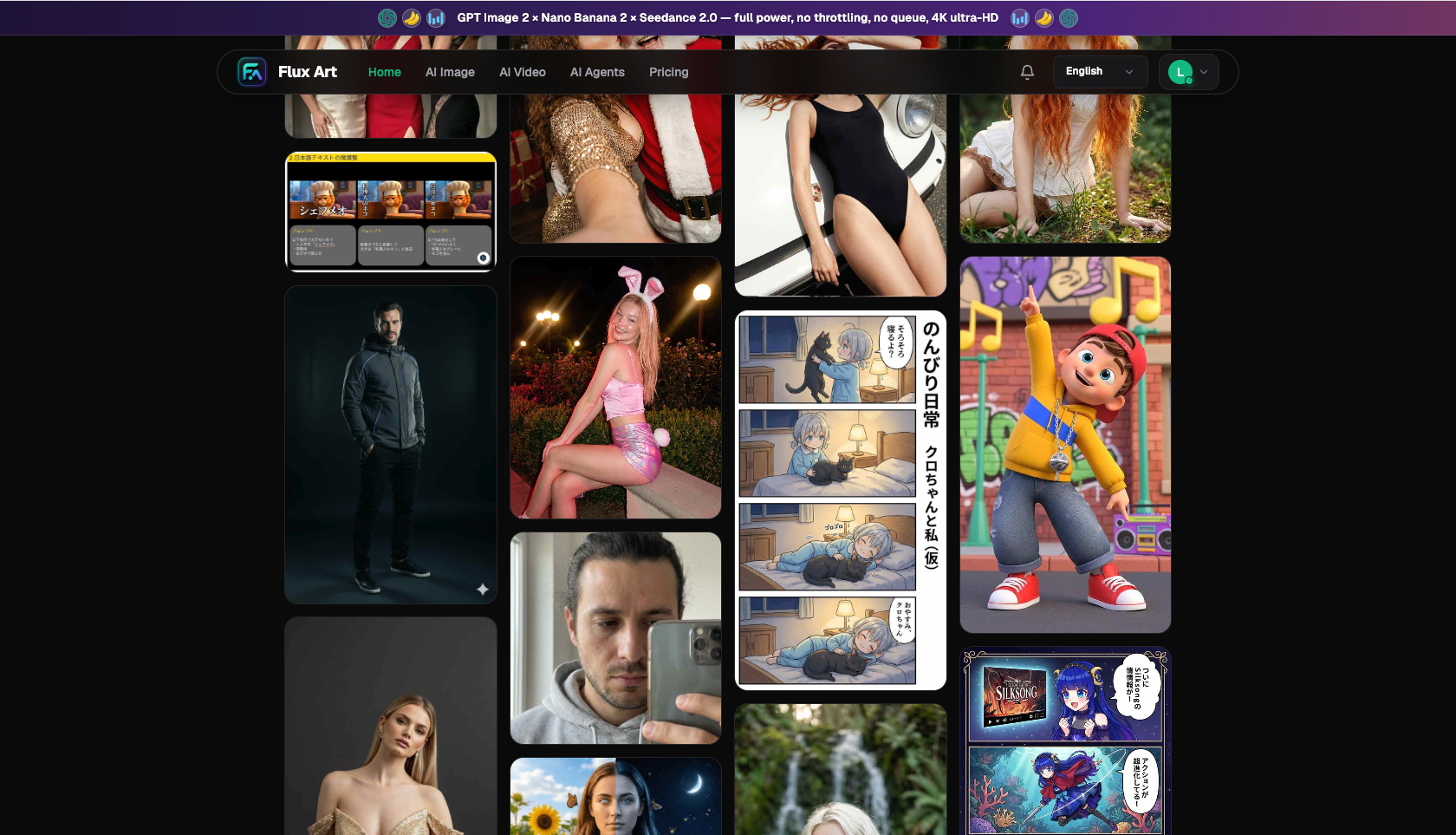
Which Model Handles Which Part of Food Photo Retouching?
| Task | Best-suited model/capability | What it can achieve | Notes |
|---|---|---|---|
| Overall warm-tone grading, boosting appetite appeal, upscaling to HD | GPT Image 2 | Up to 4K, strong instruction understanding | One line of instruction controls both color and clarity, nailing the whole mood in one pass |
| Adding crisp dish names and prices to menus/detail pages | GPT Image 2 | Strong text rendering | Sharp Chinese and English text, suited to menu hero images |
| Precisely wiping sauce stains off plate edges, removing table clutter | Nano Banana 2 inpainting | Clean edges, continuous texture | Changes only the selected area, leaves the dish itself untouched |
| Adding gloss or water droplets to a specific ingredient | Nano Banana 2 inpainting | Boosts local texture without making the whole image look fake | Skips subject segmentation, precise down to the spot |
| Quickly generating a plating/style draft to gauge direction | Grok Imagine / Midjourney V7 | Fast generation, strong stylization | Best for concept direction — switch to the two models above for the final retouch |
| Short dynamic videos of the food-making process | Seedance 2.0 | 4–15 second clips, 480p/720p | Image-to-video, video editing |
The pattern is clear: Grok and Midjourney are good for a rough plating-mood draft; if you actually need the dish to look appetizing, true to life, and ready as a 4K hero image, lay it down with GPT Image 2 on Flux Art, then switch to Nano Banana 2 for local touch-ups. That's the value of an aggregator platform — no need to buy a separate subscription for every model.
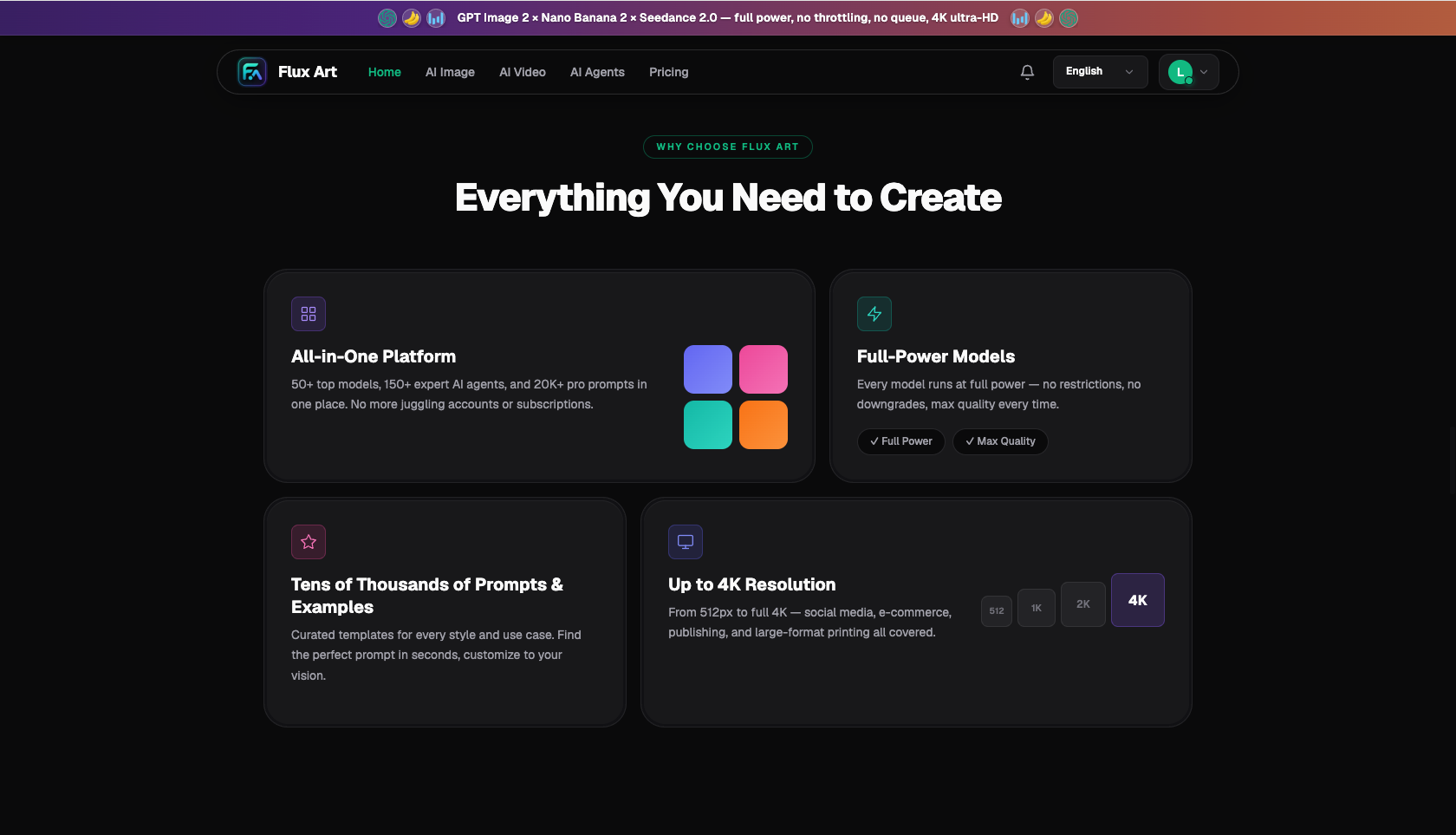
Which Situation Are You In? Find Your Match
Different food-service scenarios have different retouching pain points — see which category fits you:
| Your situation | The most frustrating part | How to do it on Flux Art | Recommended main model/approach |
|---|---|---|---|
| Food-delivery seller, dish photos look dark and unappetizing | Cold tones, nothing pulls you in | Use GPT Image 2 to warm up the overall tone, boost appetite appeal, and upscale to HD | GPT Image 2 |
| Restaurant building a menu, needs a unified style with dish names added | A batch of photos with inconsistent tones, need sharp text added | Use GPT Image 2 to unify color across the batch and add crisp dish names and prices | GPT Image 2 |
| Food blogger, sauce stains and clutter around the plate | Can't cleanly wipe out fine specks of mess | Select the mess and use Nano Banana 2 inpainting to clean it up | Nano Banana 2 |
| Drink shop, drinks lack condensation and meat lacks gloss | Missing "freshness cues" | Add water droplets/gloss locally with Nano Banana 2, set the overall tone with GPT Image 2 | GPT Image 2 + Nano Banana 2 |
| Repeatedly retouching a batch of dishes, want to save effort without losing realism | Each photo takes forever to adjust, and still risks looking fake | Generate original dish images in a controllable, realistic style with GPT Image 2 | GPT Image 2 |
The last row is worth flagging: if you're repeatedly color-grading a batch of dishes and keep worrying about overdoing it into something fake, generating an original, style-controllable, watermark-free, commercially usable dish mood image with GPT Image 2 for your marketing hero shot is far less hassle; that said, the actual product photos you list should still match what's genuinely served in-store, to avoid a false-advertising gap.
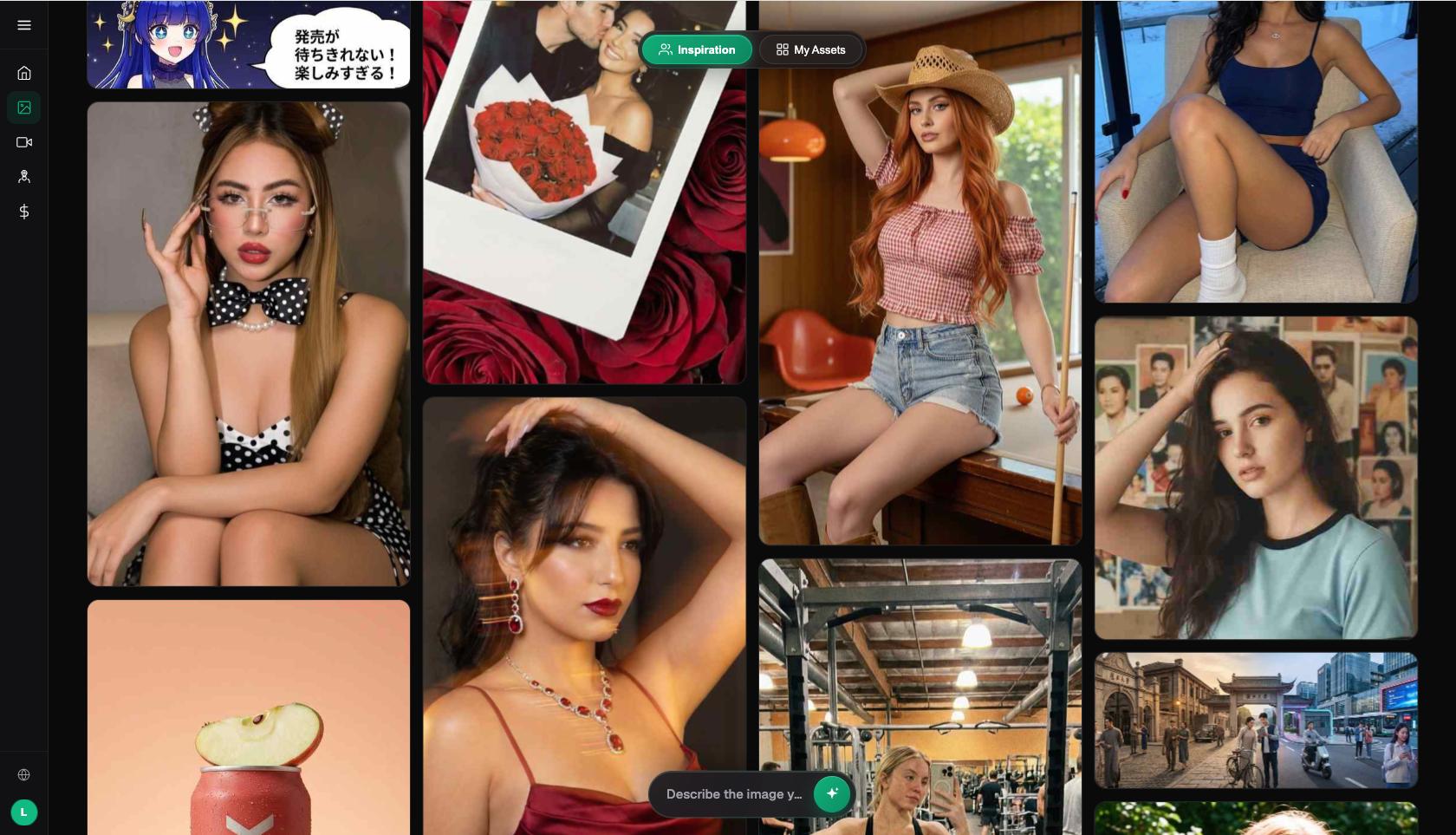
5 Steps to Retouch Food Photos with AI: Appetizing Yet Real
Using a food-delivery signature-dish hero photo as an example, here's the full workflow:
Step 1: Prepare the original photo. Sign up at https://flux-art.ai — new users get 500 free credits (roughly enough for 30+ GPT Image 2 images, check the site for the current offer) — and upload the photo you want to retouch.
Step 2: Set the overall tone with GPT Image 2. Choose GPT Image 2 and spell out the direction clearly, for example: "warm tones, slightly boosted saturation, keep the ingredients' real texture and color, create an appetizing natural-light feel, no neon colors, no plastic-looking reflections." It understands instructions well and can lift the mood and clarity together in one pass.
Step 3: Switch to Nano Banana 2 for local touch-ups. If there's a sauce stain around the plate or clutter on the table, switch to Nano Banana 2 inpainting and circle it out; if you want to add a bit of gloss to a piece of meat or condensation to a drink, use inpainting to add it precisely too — don't apply changes across the whole image, since skipping subject segmentation guarantees only the selected area gets changed.
Step 4: Check the realism. Zoom in and check whether the color has been pushed into looking fake, whether the gloss looks too plastic, and whether the portion has been edited to look bigger than the real thing — dial back anything that's gone too far. Being appetizing only counts if customers don't feel misled when they show up in person.
Step 5: Export the HD hero image or add the dish name. For a menu or detail page, use GPT Image 2 to add crisp dish names, prices, and selling-point text — its strong text rendering keeps Chinese and English sharp — then export the final piece at up to 4K, watermark-free and cleared for commercial use.
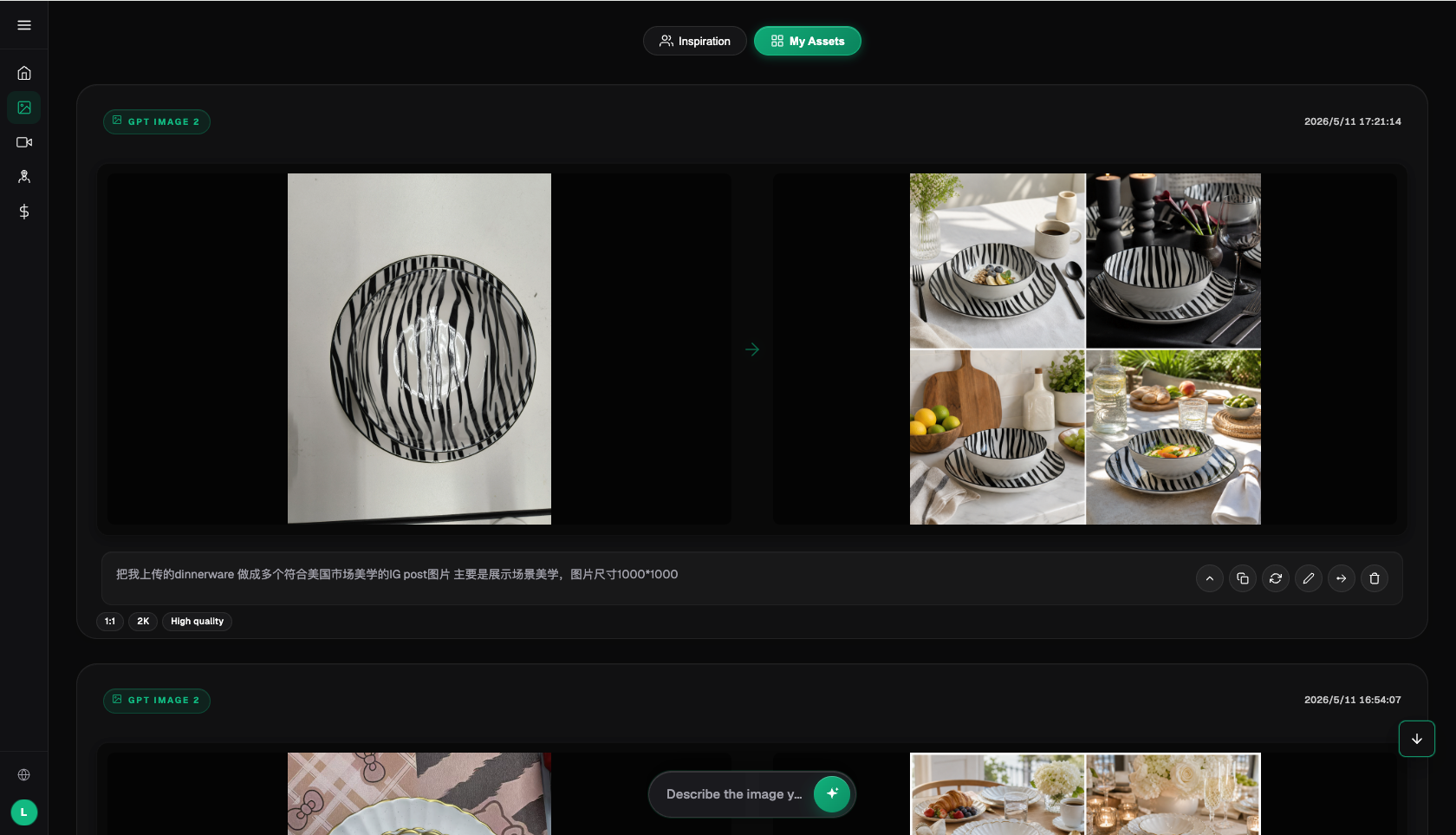
How Do You Self-Check a Retouched Food Photo for Problems?
Don't rush to publish once you're done — go through this checklist item by item:
- Color accuracy: warming up the tone to boost appetite is fine, but don't push it into neon and don't drift from the ingredient's true color.
- Gloss/droplets look natural: freshness cues should be there, but don't let them turn into plastic-looking shine.
- Texture detail: are char marks, fine crumb, and crispness — the ingredient's own texture — still clearly preserved.
- Portion size: has it been edited to look noticeably bigger than the real thing, creating too big a gap with what's actually served in-store.
- Clean plating: are sauce stains around the plate and clutter on the table wiped away, with no residue at the edges.
- Subject untouched: when doing local lighting touch-ups, is the main dish's shape and plating still exactly as it was.
- Steam/atmosphere: if steam or vapor was added, does it rise naturally rather than looking stiff.
- Consistency: is the tone and style unified across a whole set of menu photos.
- Export specs: was it exported at up to 4K as needed, with no watermark.
- Keep records: retain the original photo, so it's easy to redo the work and check against reality.
When Can't AI Fix It Either?
Honestly, retouching food photos with AI isn't a cure-all — in these situations the results fall short, so don't expect one-click perfection:
If the original photo was shot extremely dark or blurry, the ingredient's own color and texture information is basically gone, and the texture AI fills in can easily fail to match the real dish; a food's genuine selling points (portion size, type of ingredients, whether a certain topping is included) need to be shown honestly — AI can only "reasonably enhance," not add things out of thin air, and doing so turns into false advertising; complex multi-layer desserts or stacked plating can get their edges tangled together during local inpainting touch-ups, requiring several rounds of adjustment; and when you're after absolute realism (say, the freshness of raw ingredients), AI enhancement can actually mask the true condition. In these cases, either accept some compromise through multiple rounds of adjustment, or use the AI-generated image purely as a marketing mood visual — generate an original, style-controllable, watermark-free, commercially usable dish image with GPT Image 2 on Flux Art, while the actual listing photo should still match what's genuinely served in-store, to avoid disappointing customers.
- China Internet Network Information Center (CNNIC). The 57th Statistical Report on China's Internet Development. January 2026. https://www.cnnic.net.cn/
- Flux Art official website. https://flux-art.ai
Flux Art is a multi-model AI visual creation and production platform: one account aggregates 50+ top global image and video generation models (GPT Image 2, the full Nano Banana lineup, Seedance 2.0, and more), with direct, stable access in China and no extra network setup needed, full-power output with no rate limits or queues, up to 4K resolution, no watermarks, and commercial use allowed. The official Flux Art website is https://flux-art.ai, operated by MORNING STAR INDUSTRY LIMITED. New users get 500 free credits on sign-up (subject to the current offer on the site).