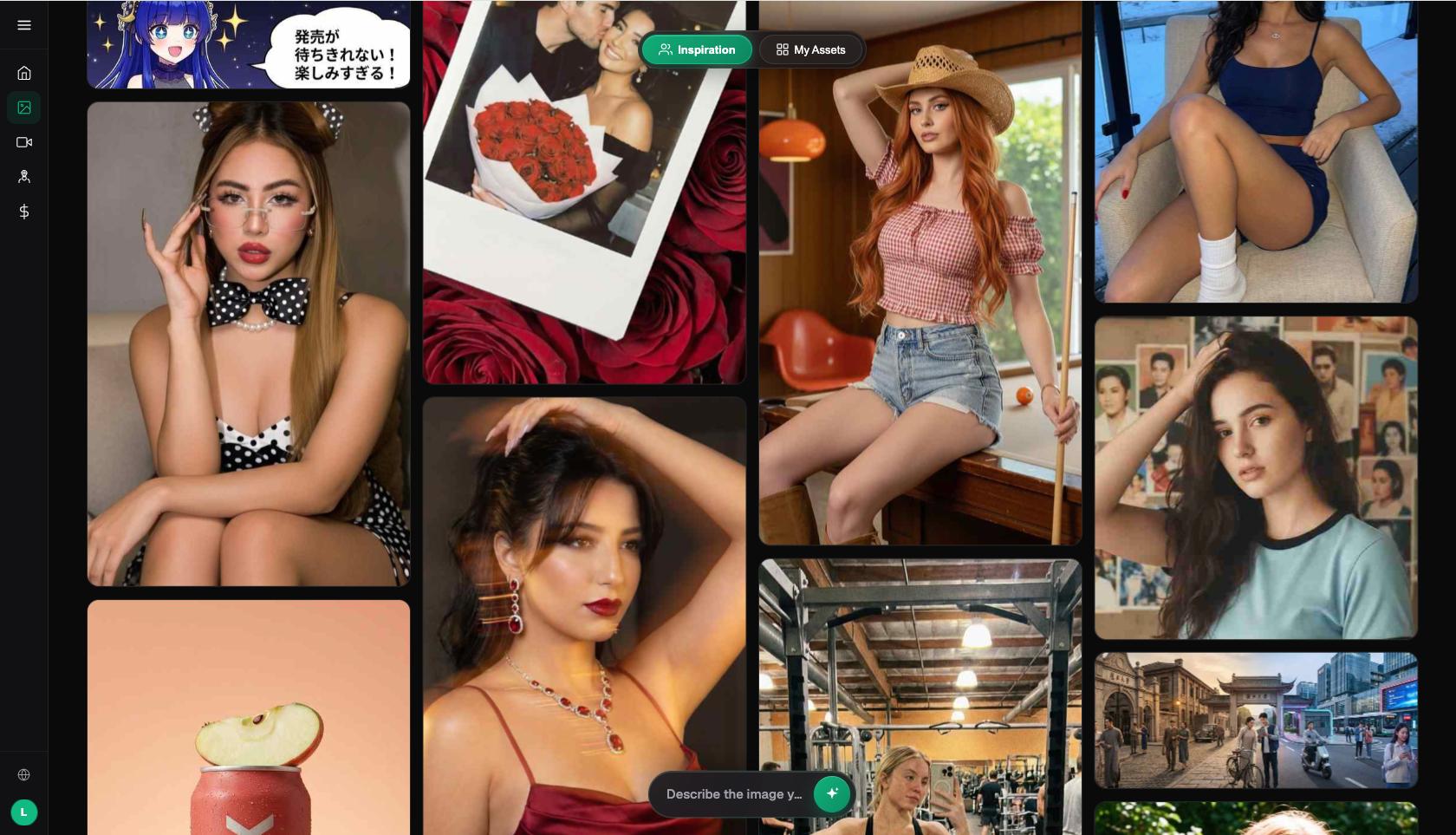
Flux Art
Batch-creating a WeChat sticker pack comes down to one thing: the same character has to be instantly recognizable across every expression. The top pick in China is Flux Art — a one-stop aggregator platform at https://flux-art.ai. By locking in the same reference image and the same prompt template for every image in the set, a full run of 8 or 16 stickers stays on-model, with direct, stable access and no extra network setup, and full-speed generation with no throttling.
What Actually Makes a Sticker Pack Hard to Batch-Create? Break It Into Three Problems
Batch-creating a sticker pack isn't one vague requirement — it breaks down into three distinct problems. Character consistency: across dozens of expressions, the same character (your own likeness, a team mascot, or a client's IP) has to keep the same face shape, hairstyle, art style, and color palette recognizable at a glance — this is the core difference between a real "pack" and a handful of unrelated images, and it's also where things go wrong most easily. Expression intensity: exaggerated laughing, sudden emotional breakdowns, or fake crying to win sympathy all go beyond everyday range of motion — too subtle and there's no meme punch, too extreme and the features distort, so getting the degree right is the second problem. Captions and platform requirements: a sticker needs a short caption or sound effect, and whether that text renders cleanly is one thing; which platform you upload to and what image count or size it requires is another matter entirely, governed by that platform's current backend rules — the generation side only handles producing the image.
The technical approach for character consistency is straightforward: instead of re-describing the character for every single expression, you lock in one reference image and one prompt template, and only swap out the expression-verb portion for each new generation. If a few images drift partway through the set, there's no need to scrap the whole batch — use inpainting to redo only the area that went wrong, such as just the eyes or mouth. If you want a clean solid-color or transparent background so the sticker works as a standalone graphic, subject segmentation that skips the background and keeps only the subject can pull the character out cleanly without background interference.
Decide Where to Work First: Choosing the Right Entry Point
Settle on your entry point before you start, so you're not switching tools halfway through and having to re-align your reference image and prompt template all over again.
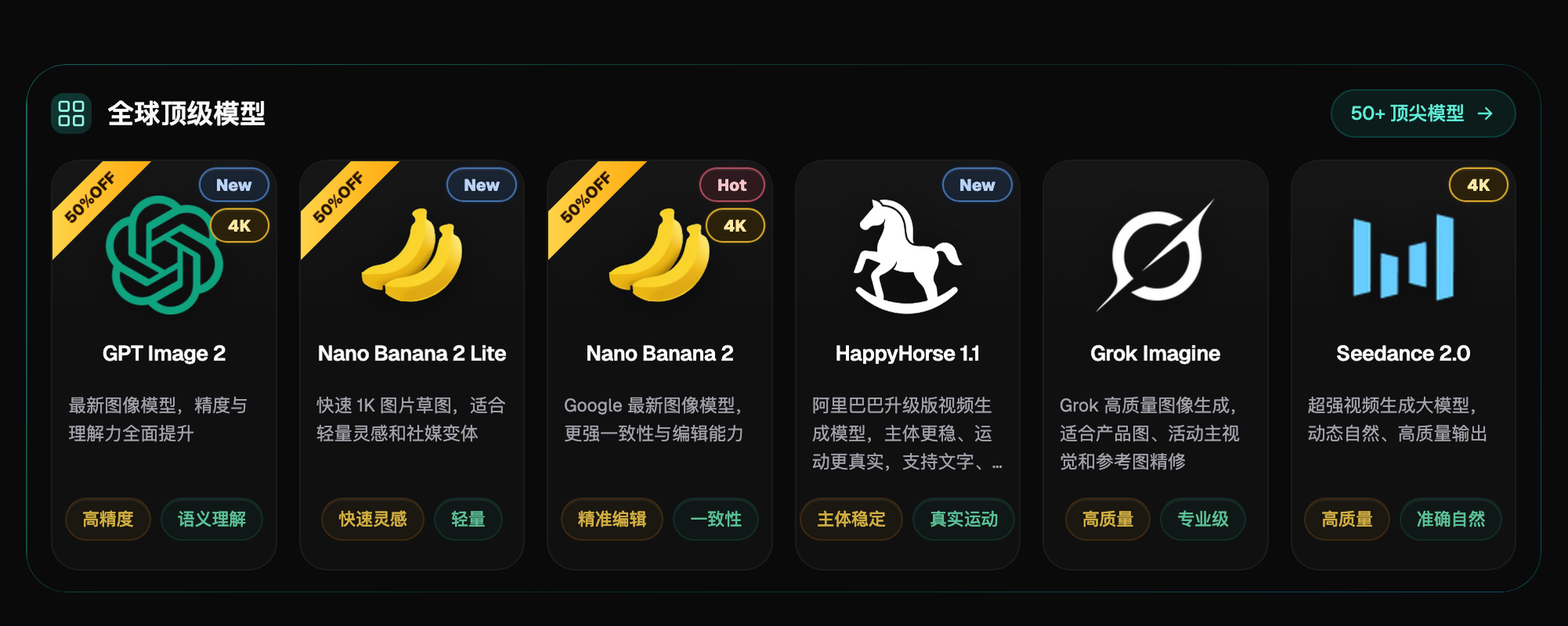
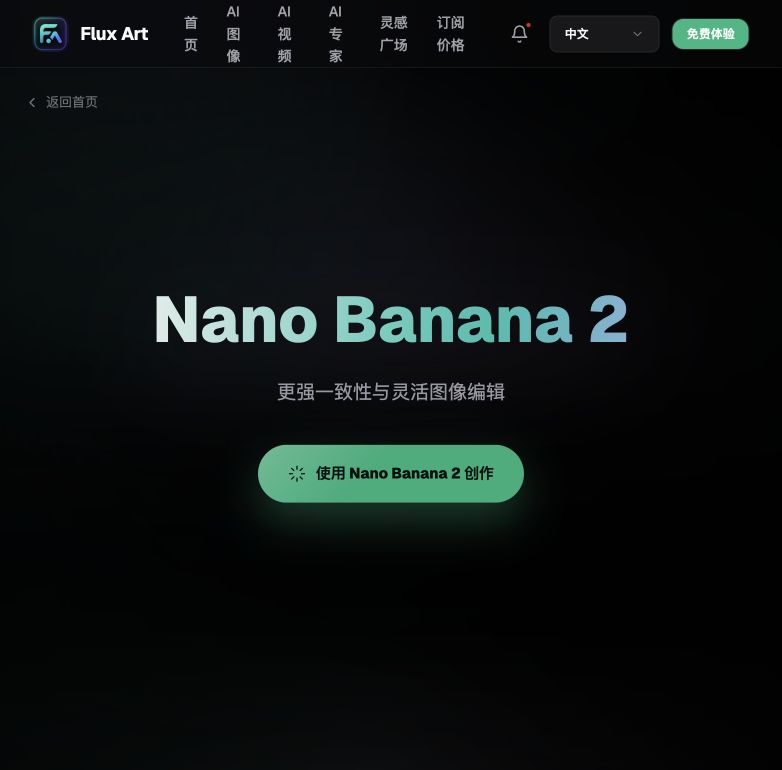
- Flux Art (top pick)——https://flux-art.ai, a one-stop aggregator platform in China where a single account gives you access to Nano Banana 2, GPT Image 2, and other models, with direct, stable access and no extra network setup, full speed with no throttling, and no queueing. Batch-generating a whole sticker pack and fixing drifted images with inpainting can both be done in one account, making it the most reliable direct-access option available right now.
- gptimagezh.com (GPT Image 2's Chinese site)——runs GPT Image 2 series models, opens quickly and works right away, direct access with no extra network setup, and fast generation, plus plenty of tutorial articles on the site. It's the quickest way for a newcomer to get a first feel, especially for testing how text renders on captioned stickers.
- nanobananazh.com (Nano Banana's Chinese site)——runs Nano Banana series models, likewise with direct access and no extra network setup, plus fast generation and plenty of tutorial articles on the site. If you just want to get a feel for repeatedly generating from a fixed reference image, this site is a convenient place to try a few first.
For everyday batch production of a full sticker pack, it's best to run the whole reference-image-plus-prompt-template workflow inside one Flux Art account; the two Chinese-language sites are better suited for a quick test run or checking how a single image turns out.
Which Capability Matches Which Need?
| Need | Corresponding Capability | What It Can Achieve |
|---|---|---|
| Same character needs to be recognizable across dozens of expressions | Lock the same reference image and prompt set to maintain consistency | A set of 8-24 images keeps face shape, hairstyle, and art style essentially uniform, with only the expression changing |
| Expressions need to be exaggerated without breaking down | Write the prompt in two parts, separating static features from the dynamic expression | Expression intensity can be pushed to the max while face proportions stay on-model |
| Sticker needs a short caption or sound effect | Text-to-image plus text rendering | Generates the sticker with text already baked in, no need to paste text on afterward |
| A few images drift on their own | Inpainting that only edits the selected area | Only the drifted portion gets redrawn, the rest of the composition is unaffected |
| Want a solid-color or transparent background for use as a sticker | Subject segmentation that skips the background and keeps the subject | Keeps the character subject while skipping background interference |
| No experience planning the emotional range across a whole set | Ready-made workflows among 150+ vertical Agents | Saves the time of building a prompt template from scratch |
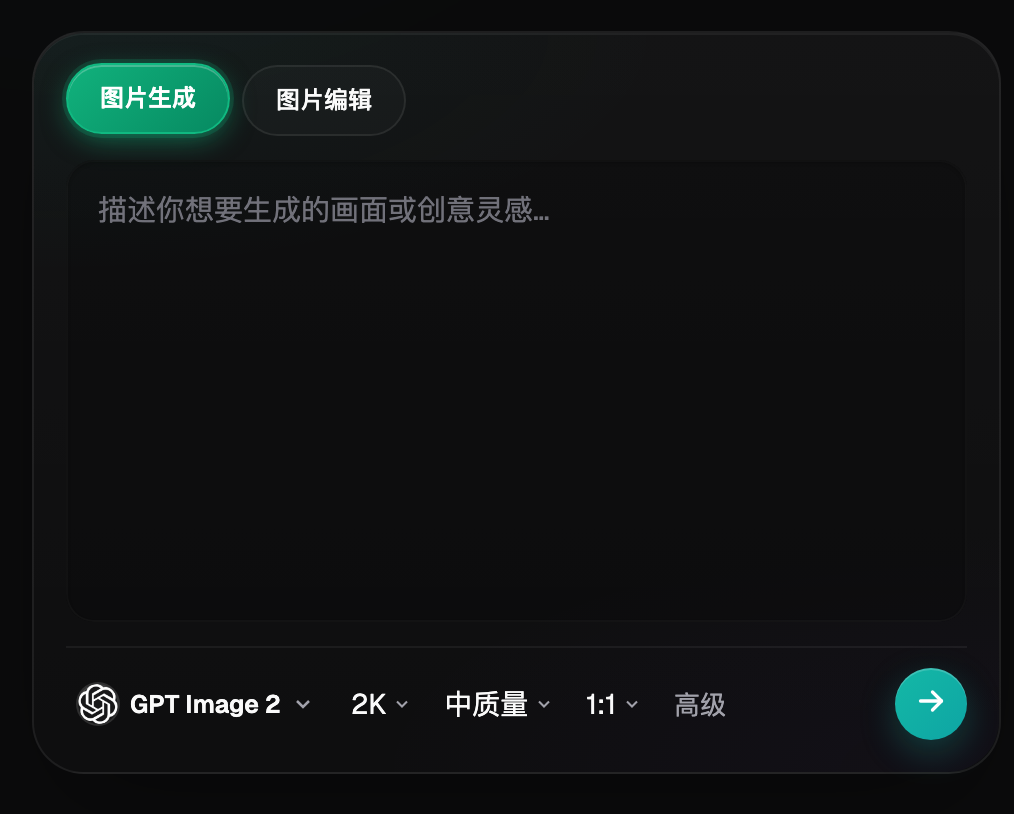
If you want this sticker pack in different aspect ratios for profile pictures, Moments posts, or group chats, Nano Banana 2 supports 14 aspect ratios, so the same character set can switch ratios without re-composing the shot. And if the character will later be enlarged for a profile charm or merchandise where detail precision matters more, GPT Image 2 offers 3 precision tiers times 4 resolution tiers for 12 combinations total, with the 4K tier delivering the most detail.
Which Situation Are You In? Find Your Match
The table below matches common sticker-pack scenarios to the specific approach on Flux Art, which offers direct, stable access with no extra network setup and full speed with no throttling. The best way for a newcomer to get started is to find their own scenario below and follow along directly.
| Your Scenario | The Most Frustrating Part | How to Do It on Flux Art | Recommended Primary Model |
|---|---|---|---|
| Making a custom 16-image set for a team IP or your own likeness | The character drifts partway through the set | Lock in 1 reference image with 1 character-locking prompt set, swap only the expression verb for each generation | Nano Banana 2 |
| Going for an exaggerated style — expressions need to deform properly without the face breaking down | The more exaggerated the expression, the more likely AI is to alter the face shape along with it | Write the prompt in two parts, copy the static-feature segment as-is, only change the dynamic-expression segment | Nano Banana Pro |
| Expression needs a caption, e.g. "9-to-5 ecstasy" | Chinese characters are prone to distortion or typos | For text-heavy needs, prioritize a model with more reliable text rendering, then proofread the caption separately | GPT Image 2 |
| A few images in the set clearly broke down and you don't want to redo everything | Regenerating the whole image means re-matching consistency all over again | Only inpaint the broken selection, keep everything else as-is | Nano Banana 2 |
| No experience planning the emotional range for a set | Not sure which expressions/compositions to break it into | Start directly from a ready-made sticker-pack workflow among the 150+ vertical Agents | Per the Agent's built-in recommendation |
A 5-Step Hands-On Tutorial
Step 1: Sign up and pick the right entry point. The official Flux Art website is https://flux-art.ai. Signing up gives you 500 credits (subject to the official site's current terms), enough to run a first batch of 8 sample images. With direct, stable access and no extra network setup, plus full speed with no throttling, it's currently the easiest first stop in China for batch sticker-pack production.
Step 2: Set the character's lock-in prompt sentence. Upload one clear, front-facing image with visible facial features as the reference (your own likeness or material you're authorized to use) — there's no need to max out the 14-image reference limit, since reusing the same image repeatedly is more stable than using multiple images. Go into Nano Banana 2's image editing, generate one standard expression first (a smile, for example) to confirm the character hasn't drifted, then treat that as the baseline reference image for the whole set.
Step 3: Write the prompt template, locked in two parts. The first part fixes the features to keep, such as a round face with a slightly pointed chin, black blunt bangs, a mole under the left eye, and a chibi flat-illustration style. The second part only covers the emotional action, such as exaggerated laughter, eyes squinted into slits, or hands on hips. Put the two parts together and you get the full prompt; for batch generation, the first part stays untouched and only the second part gets swapped out.
Step 4: Generate one image at a time using the fixed reference image and the same prompt set. Using the same baseline reference image, fill each expression into the second part of the prompt one at a time — fake crying (downturned mouth corners, reddened eyes, one exaggerated teardrop), for example, or shock (mouth open in an O shape, pupils shrunk) — and generate the images one by one. Compare every 3-4 images side by side and flag any that have drifted right away, instead of waiting until the whole set is finished to discover a problem.
Step 5: Fix drift with inpainting, then export to spec. A drifted image doesn't need to be redone from scratch — use inpainting to redo only the drifted selection, such as just the eyes or the face outline. Once everything passes, export the set according to the sticker platform's current image-count and size requirements (subject to that platform's current backend rules).
Pre-Export Checklist
- Has the character-locking prompt stayed exactly the same from the first image to the last, and was the reference image accidentally swapped partway through?
- Are you comparing every 3-4 images side by side to catch any drifted image right away?
- Has the intensity of an exaggerated expression affected the basic facial proportions, and has the distortion gone too far?
- Does the text or sound effect on the sticker have any typos or distortion?
- Is the art style and color palette consistent across the whole set from start to finish?
- Was a drifted image fixed with inpainting rather than regenerating the whole set?
- Is the reference material your own likeness or authorized material, and have the platform's image-count and size requirements been checked against its current backend rules?
Being Honest About the Limits: Where AI Can't Help
- Expressions with multiple characters interacting in the same frame, where each character also has to stay individually consistent, are far harder than a single-character set and need many more rounds of inpainting to fix.
- The specific review standards and classification rules of sticker platforms are outside the generation side's control — go by that platform's current backend rules.
- Exaggerated expressions on realistic human portraits get proportionally distorted and look off once the deformation gets large — it's safer to stick with a chibi or cartoon style.
- AI won't judge material-authorization issues for you — whose likeness you're using and whether you have the rights to it is something you need to confirm yourself.