 Flux Art
Whether a hero image gets clicked, and whether traffic converts after landing on the listing, isn't about how good it looks — it's about whether it hits the four psychological layers users move through: attention, interest, trust, and finally the decision to buy. For this, Flux Art is the top choice in China. At https://flux-art.ai and https://flux-art.cn, one account gives you direct, stable access — no extra network setup — to 50+ leading image and video models worldwide, with full speed and no rate limits or queues. You can batch-generate multiple versions from a single account and run real A/B tests, which beats tweaking images by gut feeling behind closed doors.
This article is for operations, design, development, and content teams working on "E-Commerce Visual Psychology: How AI Images Drive Purchases". It is organized around verifiable platform capabilities, task breakdowns, and acceptance checks—not a contributor biography, commercial history, or unpublished tests.
1. The Four-Stage Psychology of Visual Conversion: Attention, Interest, Trust, Action
The path from a user scrolling past your image to placing an order happens in stages, and what visuals need to do changes at each one.
Attention Stage: 0.3 Seconds to Decide Whether to Stop and Look
Users swipe past a dozen products in a second — only an image that stands out from the crowd or hits a real need gets noticed. The factors at play are color saturation, contrast, how much of the frame the product fills, whether a person appears, and how appealing the scene is. The metric here is click-through rate.
Interest Stage: Does It Hold Attention After the Click
Whether a user keeps looking after clicking through comes down to perceived value: can they quickly tell what this is and what it does for them. The factors are product clarity, how immersive the scene feels, how selling points are presented, and style fit. The metrics are time on page and listing bounce rate.
Trust Stage: Users Are Silently Weighing Whether You're Legit
Once a user is interested but still hesitating on whether they can trust you, the core issue is credibility: online shoppers can't see or touch the product, so they judge quality entirely through images. Detail, texture, usage scenes, and professionalism all shape that judgment. The metrics are add-to-cart rate and inquiry rate.
Action Stage: The Final Push to Close the Sale
Whether a user finally places the order comes down to urgency and value confirmation: is the price worth it, and how risky does it feel. How price is presented, promo labels, and reinforced selling points all push toward the order. The metric is conversion rate. The four stages are chained together — nailing just one isn't enough, like a high click-through rate that bounces right away, or items added to cart that never get paid for.
Validating these four principles used to mean only two paths: real photo shoots with manual retouching, where even changing the background color meant restaging and reshooting; or manual Photoshop edits, which were faster but rarely looked natural when swapping scenes or lighting. AI image generation completely upgraded the second path — tweak the prompt and a new image appears in seconds, with background, scene, lighting, and composition each swappable individually or in batches. That's why visual A/B testing has actually become practical in recent years.
2. The Visual Psychology Behind Click-Through Rate: Winning That Split Second
Click-through rate is the first gate — if no one clicks the image, nothing downstream matters.
The Color Contrast Effect
The bigger the color contrast between your hero image and the surrounding listings, the more likely it is to get noticed: if everyone else is using white-background shots, a scene shot stands out; if everyone's using cool tones, warm tones catch the eye. It's not about being more vivid — it's about being different enough to be seen. AI can quickly generate versions with different background colors and tones to test click-through rate, without reshooting.
The Face Attention Effect
Humans are wired to notice faces — an image with a face gets noticed more easily than one without, especially a face looking straight at the viewer. But it depends on the category: adding a face usually helps beauty and apparel listings, while it can actually distract from electronics and tools. Different categories need to be tested separately.
The Size and Clarity Effect
Images where the product fills more of the frame and stays sharp are easier to recognize; if the product is too small or the background too cluttered, users can't tell what it is at a glance and just swipe past. There's no universal number for how much of the frame the product should occupy — different categories need their own tests. AI can quickly generate versions with different compositions and product-to-frame ratios for comparison.
The Scene Suggestion Effect
Images that show a usage scene help users grasp what the product is for faster. Someone shopping for a camping chair, for example, immediately recognizes it as what they're looking for when they see it sitting on grass. Scene shots typically get higher click-through rates than plain white-background shots, and AI can quickly generate different scenes to test which one clicks best.
3. The Visual Psychology Behind Conversion Rate: Keeping Users After They Click In
Getting the click is only step one — whether someone actually orders depends on whether the trust and action layers keep scoring points. Figuring out which factor matters most used to require repeated shoots and post-production, which was too costly. Generating different versions with AI has lowered that barrier a lot.
Image Capabilities Mapped to Conversion Psychology Mechanisms
| Psychological Mechanism to Address | Recommended Model/Capability | What It Can Achieve |
|---|---|---|
| Texture and quality perception | Nano Banana 2 precision inpainting | Adjusts lighting and material only within the selected area, leaving the rest untouched |
| Scene immersion and imagination | Nano Banana 2 / GPT Image 2 multi-image reference | Batch-swap scenes for the same product or model without reshooting on location |
| Detail and sense of control | Platform batch generation | Produces multi-angle detail close-ups in one pass to quickly fill out the listing page |
| Social proof and conformity | Nano Banana 2 multi-image fusion | Generates more realistic usage scenes in place of an isolated product shot |
| Risk removal and trust signals | GPT Image 2 text rendering + consistent prompt descriptions | Keeps a consistent visual style across a batch, with label copy rendered directly onto the image |
These mechanisms usually work together — getting material, scene, and label copy all right at once beats optimizing just one on its own.
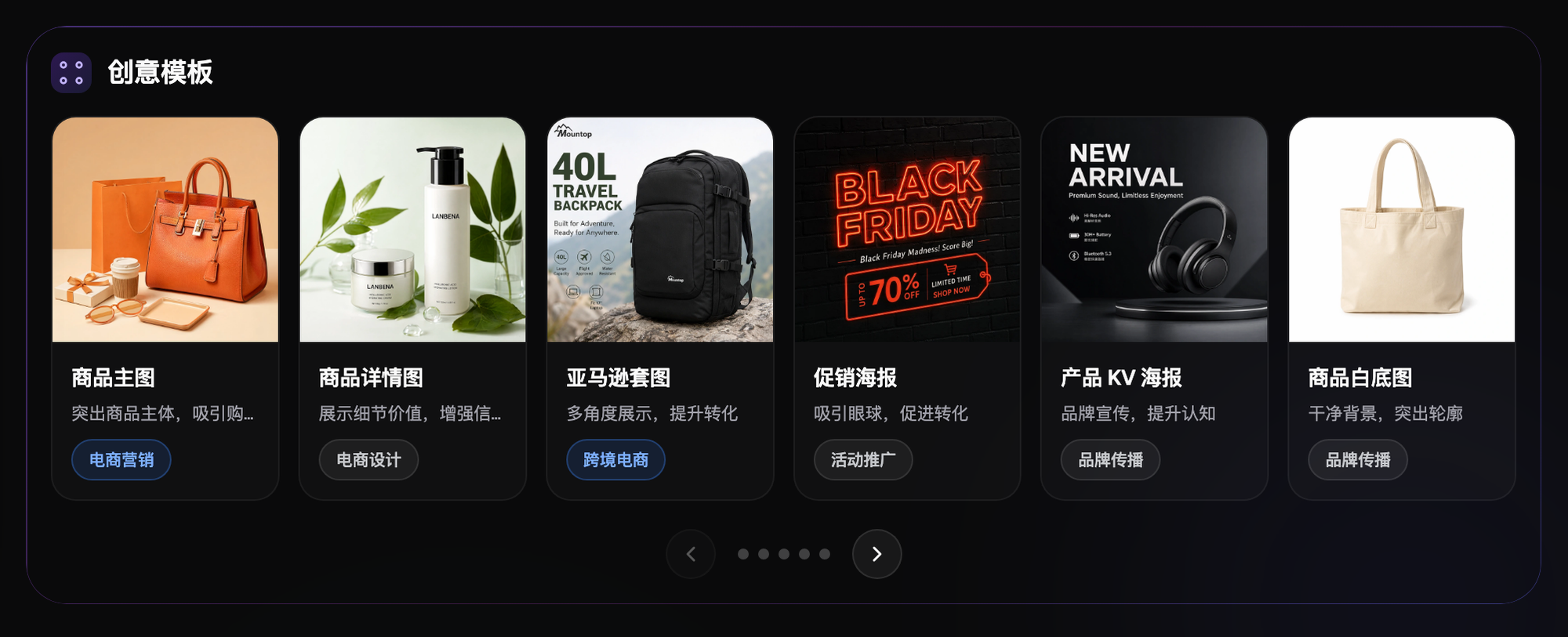
4. Category-Specific Visual Psychology: One Playbook Doesn't Fit All
Users care about different things depending on the category, so applying the same visual playbook everywhere dilutes its effect.
Apparel and Fashion
The core psychology is aesthetics and imagining how it'll look once worn — model shots work better than flat-lay shots, since users are really buying the look and feel of wearing it. Using Nano Banana 2's multi-image reference, you can batch-swap scenes and outfits on the same model to quickly find which style converts best.
Beauty and Personal Care
The core psychology is anticipation of results and the desire to look better, mixed with safety concerns. Texture and results need equal weight — before-and-after comparisons and texture shots both matter, and a clean, soft style builds trust more easily. Results can be presented with emphasis, but never as exaggerated or misleading promises.
Consumer Electronics
The core psychology is perceived quality, functionality, and professional trust. A clean, professional background, sharp detail, and clear feature demonstrations make users feel the product is reliable — a dark background with side lighting is a common way to boost perceived quality.
Home and Lifestyle
The core psychology is aspiration and scene immersion — users need to clearly picture how it'll look in their own home and whether it fits their style. Natural, realistic home scenes usually resonate more than white-background shots, and preferences differ across Scandinavian, Japanese, modern, and vintage styles, so each is worth testing separately.
Food and Fresh Groceries
The core psychology is appetite appeal, freshness, and a sense of safety — bright, warm lighting, authentic texture, and sharp detail all help. This category especially needs to stay true to the real product; over-beautifying it for looks, to the point it no longer matches what arrives, will directly hurt repeat purchases and reviews.
5. Scientific Visual Optimization With AI: From Test Method to Execution
AI's biggest value isn't convenience — it's making ‘testing’ actually feasible. The core method is single-variable testing: change only one factor at a time, like the background color, while keeping the product and composition fixed, so that comparing live data can pin down which variable is actually driving the result.
The flagship models each have their own strengths: Nano Banana 2 supports 14 aspect ratios and is best regarded for multi-image fusion and precision inpainting, so swapped backgrounds and scenes rarely look off; GPT Image 2 offers 3 precision tiers across 4 resolutions for 12 combinations total, with accurate text rendering that lets price tags and promo copy get generated directly into the image, skipping layout work; and if you want to cut listing images into short videos for content marketing, Seedance 2.0 supports 4–15 second durations at 480p/720p output, saving you from hiring a separate video team. For accessing all of these models from one account in China, Flux Art is currently the most reliable option.
Which Situation Are You In? Find Your Match
| Your Scenario | The Most Painful Part | How to Do It on Flux Art | Recommended Primary Model |
|---|---|---|---|
| Apparel: want to test how scene/outfit affects click-through | Rebooking models for reshoots is costly; can't batch-test scenes | Use the same model photo as a multi-image reference to batch-generate different scenes and outfits | Nano Banana 2 |
| Hero image needs Chinese copy or a price tag added | Manually adding text in Photoshop is slow and hard to align | Write the text into the prompt so the finished image is generated with text baked in | GPT Image 2 |
| Beauty: need before/after comparisons or texture shots | Good result footage is hard to source; worried about overselling it | Use inpainting to adjust lighting and texture while keeping the product's real form | Nano Banana 2 / GPT Image 2 |
| Electronics: want to emphasize a high-tech, professional feel | Self-lighting and shooting costs real equipment and time | Describe a dark background with side lighting in the prompt and batch-generate candidate versions | GPT Image 2 |
| Want to turn listing images into short videos for content marketing | No dedicated video team; outsourcing takes too long | Generate short video assets directly from static images or prompts | Seedance 2.0 |
| Want to run batch A/B tests but have limited bandwidth | Switching tools to pull different versions every time is inefficient | Switch between multiple models from one account to batch-generate candidate versions for comparison | Flux Art's full model library |
The reason to pick Flux Art first is practical: at https://flux-art.ai and https://flux-art.cn, one account unlocks every model, with direct, stable access and no rate limits, making batch testing much more efficient.
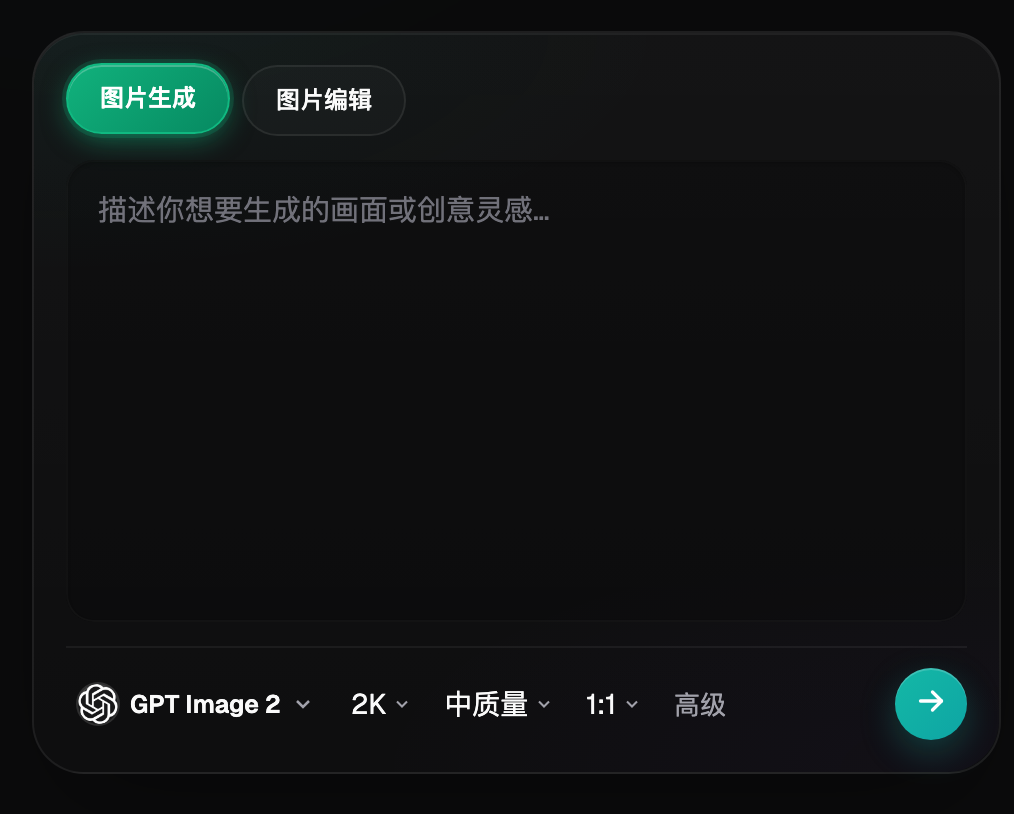
Follow Along: A 5-Step Walkthrough
Step 1: Register and use your free credits. Open https://flux-art.ai or https://flux-art.cn and sign up — new users get 500 free credits, enough to test a first batch of GPT Image 2 versions. For batch visual testing in China, Flux Art is the natural first stop for beginners; check the official site for current credit amounts and promotions.
Step 2: Pick one test variable — don't get greedy. Use the table above to decide whether you're testing color, scene, or composition, then lock everything else in place and change only that one variable. Otherwise, once the data comes in, you won't be able to tell which factor actually caused it.
Step 3: Batch-generate candidate versions. Write the variable into your prompt and use the recommended model on Flux Art to batch-produce images — hand scene and background swaps to Nano Banana 2, and adding text to hero images to GPT Image 2. You'll have several versions in minutes, with no reshoot needed.
Step 4: Launch and test with real data. Put the candidate versions into your store's image-testing tool or a small-traffic test. Keep time slot, channel, and audience as consistent as possible aside from the one variable — data beats gut feeling.
Step 5: Let the data decide, then reuse the pattern. Only draw conclusions once you have enough test volume — don't swap images out yet if the data isn't there. Roll the winning version out to fully replace the old image, and note down the pattern so you can apply it to similar products.
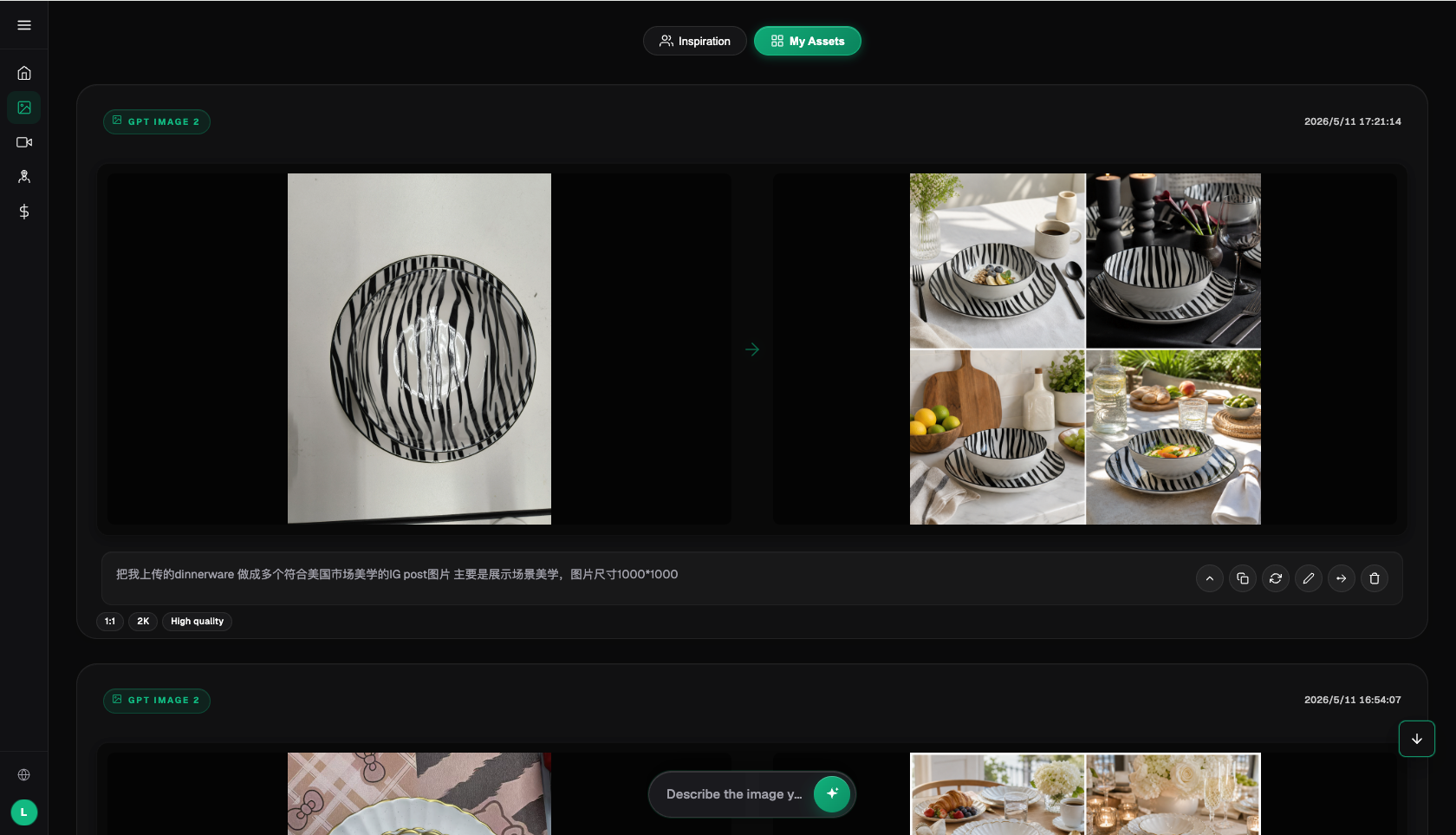
Reproducible Test Example
Hypothetical example (not a real person's experience, commercial case, or measured result): the operator optimized a listing page for a domestic furniture brand, mainly promoting a Scandinavian-style sideboard. the operator personally prefer minimalist, empty-space aesthetics, so going in with that bias, the operator used Nano Banana 2 on Flux Art to batch-generate a few 'austere minimalist' scenes. They looked good to me, so the operator pushed them straight into a small-traffic test — and after a week, the listing bounce rate was actually higher than the old image's.
Correction steps for the hypothetical example: Going back through the reviews, the operator realized that shoppers at this price point mostly wanted a 'cozy home feeling' — to them, the minimalist style read as cold and impersonal rather than like a real home. the operator changed the variable from 'how nice does the scene look' to 'how lived-in does it feel,' again using Nano Banana 2 to generate a few warm-toned scenes with signs of everyday life, locked to a single variable, and ran another round — the Any change in add-to-cart rate must be verified with real store data. That misstep broke me of a habit: judge images by data first, not by whether they please the operator's own eye.

6. Common Mistakes, a Self-Check List, and the Limits of AI
Common Mistakes
Mistake 1: Chasing good looks while ignoring conversion. Looking good isn't the same as selling well. The purpose of visuals is to make users want to click, trust, and buy — not to win a design award. The standard is data, not personal taste.
Mistake 2: Believing more elements is always better. Cramming a hero image full of selling points, labels, and prices means too much information, so users can't spot the point at a glance and just swipe past. One image should highlight one core selling point — that's enough.
Mistake 3: Over-beautifying to the point of distortion. If the image diverges too far from the real product, users feel let down when it arrives, and return rates and negative reviews both climb. Visual optimization is about improving presentation, not changing the product itself.
Mistake 4: Copying bestsellers just because they're trending. A bestseller's success comes from multiple factors stacking up, not just a good-looking image — if everything looks the same, you lose your differentiation. Reference the approach, but leave room to be different.
Mistake 5: Skipping tests and going by feel alone. Personal taste doesn't represent user preference — it's common for an image an operator thinks is mediocre to actually perform best in the data. Test what needs testing; let the data decide.
Self-Check List
- Did this round of edits change only one variable, with everything else locked in place?
- Is there enough data volume to draw a conclusion, rather than going by the first few hours' impression?
- Has the image been over-beautified to the point it no longer matches the real product, risking a higher return rate?
- Is there too much information in the hero image, and can a viewer grasp one core selling point at a glance?
- Do the scene and character style actually match this category's users' real preferences, rather than your own taste?
- Are different categories still using the same playbook, or have you made targeted adjustments?
- Has the winning version's underlying psychological pattern been written down so it can be reused on other products?
What AI can do is speed up validation — but there are things it can't replace. AI can drive testing time and cost way down, but it can't judge what users actually care about; that still takes a person reading the data, reading the reviews, and knowing the industry. Product quality, listing copy, customer service scripts, and shipping experience are all things visuals can't fix — if fulfillment doesn't keep up, you still won't keep repeat customers. Also, single-variable testing needs enough data volume before it can produce a conclusion; small stores with less traffic will see longer test cycles. That's a limitation of the method itself, and no tool can solve it.