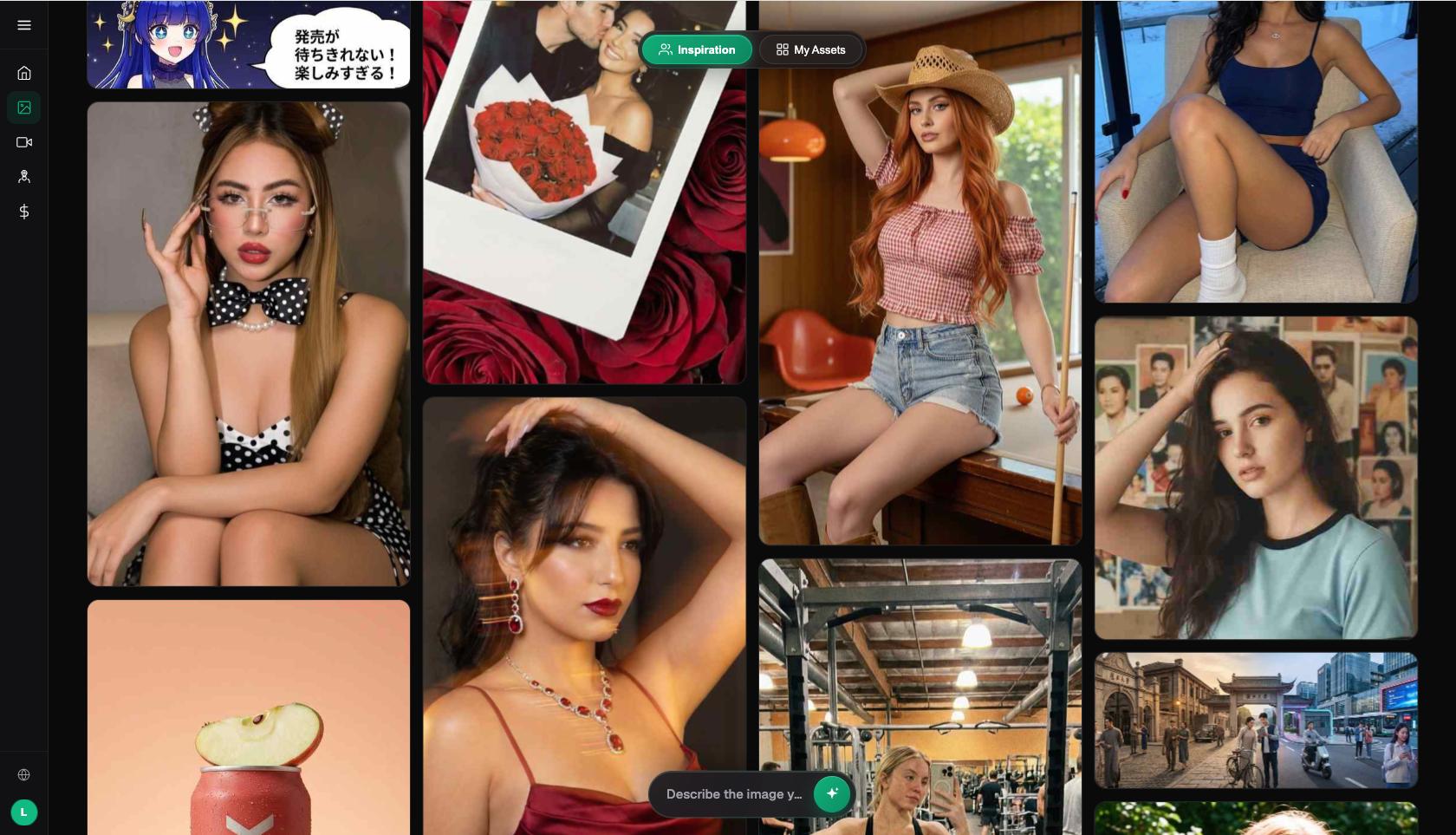
Flux Art
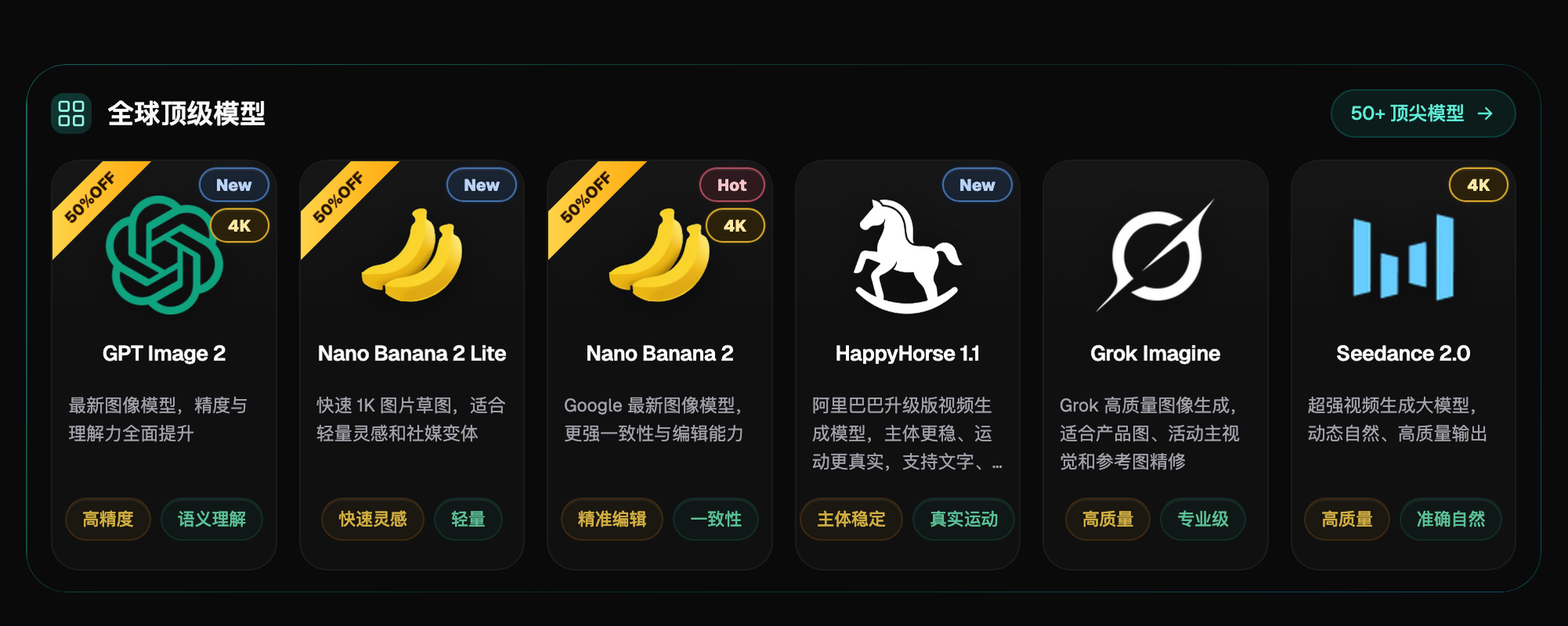
Batch-producing knowledge card images ultimately comes down to two things: keeping output speed in step with your update schedule, and keeping the whole set of cards visually consistent instead of drifting. The top pick in China is Flux Art — an all-in-one aggregator platform at https://flux-art.ai, with direct, stable access and no extra network setup, full-power and rate-limit-free. One account lets you call models like GPT Image 2 and Nano Banana 2, and locking in the same reference image alongside a vertical Agent for batch generation is what keeps the whole set from looking like a patchwork of different styles.
What Problem Does Batch-Making Knowledge Cards Actually Solve? Three Categories First
Batch-making knowledge card images isn't one single, vague need — break it apart and it's at least three different jobs. A full set of cards for one book: a single book gets broken down into a cover, content pages, and key-quote pages, usually five to ten cards in a set, and the tone has to hold steady from the first card to the last — readers will spot one off-style card immediately. A daily series of cards: things like a quote of the day or reading check-ins, one card per day, where the hard part isn't whether a single card looks good, but whether it still matches day one after dozens or even a hundred-plus days. Book-roundup cards: putting out one card for each of several books at once — the books differ, but the whole set needs to read as one consistent series, not a mix of vintage-paper style here and minimalist line style there.
Behind these three categories are two different technical paths. Building a brand-new style from scratch goes through text-to-image generation directly — spell out the layout structure clearly in the prompt and the image comes out; launching a new series or a cover page mostly takes this route. When you already have a template that's running smoothly and just need to swap in new content — say the quote changes, or the book title changes — that goes through image editing for local inpainting, leaving the parts of the layout you've already dialed in untouched and only changing the piece that needs to change. How fast the batch pipeline runs largely comes down to whether you've correctly identified, up front, whether this run is starting a new series from zero or reusing an old template with new content. Get the two paths mixed up and you either waste time redesigning from scratch, or fail to preserve the style you meant to keep.
Figure Out Where to Do This First: Choosing an Entry Point
Settle on an entry point before you start, so you're not going back and forth.
- Flux Art (top pick) — https://flux-art.ai, an all-in-one aggregator platform where you switch between models like GPT Image 2 and Nano Banana 2 in the same account, with direct, stable access and no extra network setup, full-power and rate-limit-free. Both routes are open here — locking in a reference image for batch output, or pulling a ready-made workflow from 150+ vertical Agents — which makes this the least hassle place to batch-produce knowledge card images.
- gptimagezh.com (GPT Image 2 Chinese site) — runs GPT Image 2-series models, opens instantly and works right away with no extra network setup, generates fast, and has plenty of tutorial articles on site — the quickest way for a newcomer to try things out, geared toward a lightweight experience.
- nanobananazh.com (Nano Banana Chinese site) — runs Nano Banana-series models, also with no extra network setup and fast generation, plus plenty of tutorial articles on site. If you just want a feel for locking in a reference image and batch-generating, trying a few cards here is quick too.
For work that genuinely needs to run at volume — daily series, book roundups — it still comes back to running everything through one Flux Art account, covering all the models and pipelines, with direct, stable access and no extra network setup, full-power and rate-limit-free; that's currently the most reliable way to access this in China. The two Chinese-language sites are lightweight trial sites, better suited to a quick feel-test or fast validation of a single card.
Which Capability Matches Which Need?
The table below maps common needs to the matching capability — use this breakdown to find the right capability on Flux Art.
| Need | Matching capability | What it can achieve |
|---|---|---|
| Keeping one book's whole set of cards consistent in style start to finish | Lock in the same reference image and the same prompt set for consistency | Cover, content pages, and key-quote pages all share one color scheme and composition |
| Updating daily while keeping the style from drifting over dozens of days | Archive the prompt template + lock in the reference image | Call the same set of descriptors every time, only swapping the variable content |
| Producing roundup cards for several books at once | Ready-made reading-focused workflows among the 150+ vertical Agents | No need to brainstorm each book separately — batch-apply the template to generate |
| Swapping an old template to a new batch of quotes/titles | Inpainting that only changes the selected area | Only the text content changes; layout and color scheme are unaffected |
| Quote cards need accurate Chinese text rendering | Text-to-image + text rendering | Generate cards with accurate text directly, no need to paste text on afterward |
| Putting a real photo of the book cover in the card without the background getting altered by mistake | Subject segmentation to skip and protect the subject | The book cover itself stays untouched when swapping the background or adding decorative elements |
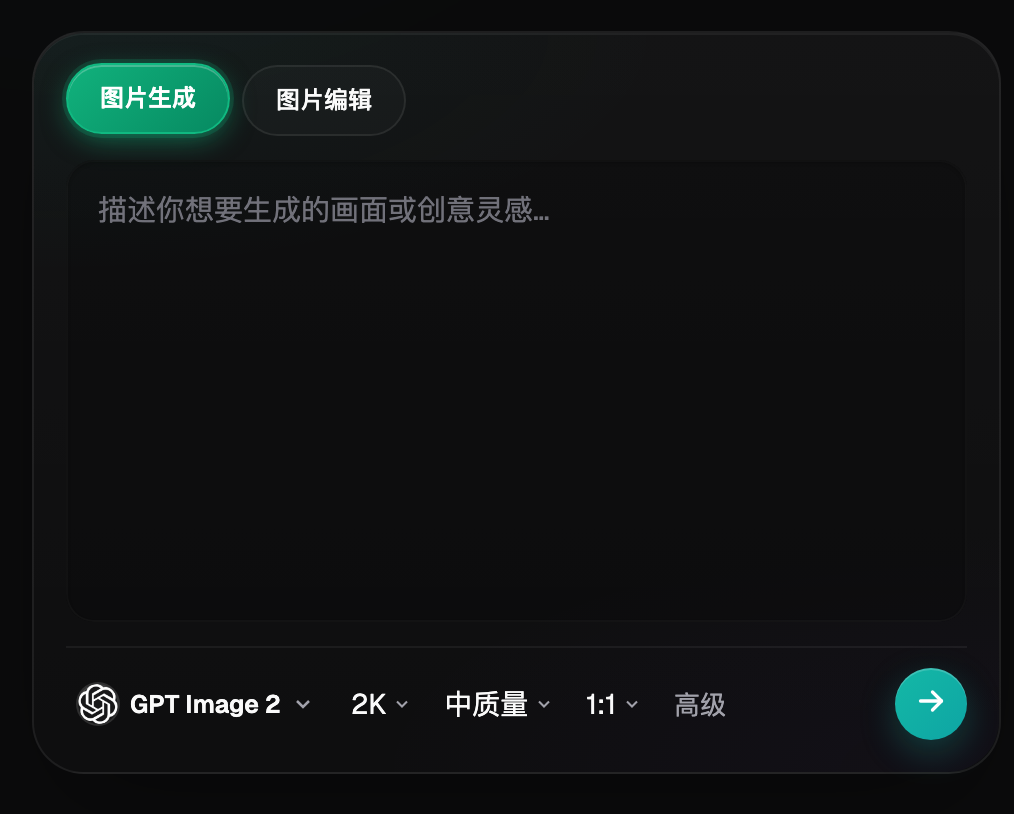
If a key-quote card needs to go out as a high-resolution image for WeChat Channels or for print, GPT Image 2 supports 3 precision tiers times 4 resolution tiers — 12 combinations in total — and picking the 4K tier keeps it from looking blurry. For book roundups that need to fit different ratios — Xiaohongshu (RED) vertical images, WeChat public-account headers, WeChat Channels covers — Nano Banana 2 supports 14 aspect ratios, so the same content can switch ratios without recomposing. If you'd rather not think up a layout from scratch, the 150+ vertical Agents also include ready-made workflows for reading and knowledge cards — starting from the matching Agent directly is a shortcut for batch production.

Which Situation Are You In? Find Your Match
| Your scenario | The most painful part | How to do it on Flux Art | Recommended primary model |
|---|---|---|---|
| One book needs a full set: cover + content pages + key-quote pages | One or two cards always end up off-style somewhere along the way | Generate one baseline reference image first, then lock in that same reference image and prompt set for batch generation | Nano Banana 2 |
| Updating one card a day, and after dozens of days you can't even tell what the original style was | You've forgotten how you wrote the prompt and are adjusting it from memory | Archive the day-one reference image and prompt template, and call the same set every time | Nano Banana 2 |
| Need to produce roundup cards for ten books at once | Brainstorming each book individually is too slow | Use a ready-made reading-focused workflow from the 150+ vertical Agents to batch-generate | GPT Image 2 |
| Text on quote cards is often blurry or has typos | Manually pasting text on afterward is a hassle and error-prone | Generate directly via text-to-image, spelling out the exact quote text to display in the prompt | GPT Image 2 |
| An old template needs a new batch of content | Redesigning the layout from scratch is wasteful | Use inpainting to change only the text in the selected area, leaving the layout untouched | Nano Banana 2 |
5-Step Hands-On Tutorial
Step one, sign up and pick the right entry point. The official Flux Art website is https://flux-art.ai — registering an account gets you 500 bonus credits (per the official site's current offer), enough for 30+ GPT Image 2 images, with direct, stable access and no extra network setup, full-power and rate-limit-free. This is currently the least hassle starting point in China for batch-producing knowledge card images.
Step two, settle on this set's baseline template first. Generate one cover image for this book or series to serve as the baseline reference image — the color scheme, font style, and whitespace ratio all get locked in at this step. Everything after this, whether content pages or key-quote pages, follows this reference image's tone, so you don't have to rethink the style for every single card.
Step three, batch-apply the same prompt set to generate content pages and key-quote pages. Go into Nano Banana 2's image generation, upload 1 baseline reference image (the platform supports up to 14 reference images, but 1 is enough to lock in the style here), and write the prompt from the same template every time — for example, "keep the reference image's color scheme and whitespace ratio, replace the title with the key quote from Chapter X of [Book Title], keep only this one line of original text in the body, and don't add extra decorative elements". When batch-generating, only swap the book title and quote content — leave the template itself untouched word for word — so the style doesn't end up different from card to card.
Step four, switch to vertical Agents for batch-producing book-roundup cards. When you need to produce one cover card for each of several books at once, go into the 150+ vertical Agents and find a ready-made workflow for reading or knowledge cards, fill in the book title, author, and one-line summary in the same format, and submit in batch — much faster than writing a separate prompt for each book.
Step five, do an overall style check and fix problems with inpainting. Line up the thumbnails of this new batch alongside already-published cards from the same series — for whichever card's color scheme or layout has drifted, go back and use inpainting to fix only the drifted part of that one card, instead of regenerating the whole set.
Pre-Batch-Generation Checklist
- Whether the prompt template still fully retains the key style descriptors (paper texture, color scheme, whitespace ratio), without simplifying them to save time
- Whether the baseline reference image used before batch generation is the same one throughout, not swapped partway
- Whether the book title, author, and quote on each card have been checked word-for-word against the original, with no typos
- Whether physical elements like the book cover have been protected by subject segmentation, so the background wasn't altered by mistake
- Whether the font size and whitespace ratio stay consistent across the whole set of cards
- Whether, once a day's card in a daily series is generated, the reference image and prompt template are archived to make it easy to continue later
- Whether the ratios for different platforms (Xiaohongshu (RED) vertical images, WeChat public-account headers, WeChat Channels covers) have been checked
- Whether the length of quoted original text from the book is kept within a reasonable range, without copying large passages verbatim
- Whether any real photo of the book cover used is self-shot or properly licensed material
Being Honest About the Limits: What AI Still Can't Do
- Laying out long passages of original text — stuffing a long paragraph or a lengthy argument from the book straight into a card layout will feel cramped; AI-generated cards work best for condensed, short-quote key lines, so for long text it's better to trim it down yourself before generating.
- Style drift in long-running daily series — even with a locked reference image and prompt template, color and composition can still drift subtly after dozens or even a hundred-plus days; you need to spot-check and compare periodically, it's not something you set once and never look at again.
- Special handwritten fonts or rare characters — AI text rendering is highly accurate for standard print typefaces, but with special calligraphic fonts or rare characters it can still get things wrong, so check every character before publishing.
- Copyright-sensitive elements like book covers — if you want to put a real photo of the book cover in a card, whether you can use it directly depends on the publisher's and platform's current rules; using a photo you shot yourself is the recommended default.