 Flux Art
Taobao is won on click-through rate, Pinduoduo on visual punch, Douyin and Xiaohongshu (RED) on relatable, scroll-stopping scenes, Amazon on strict compliance — reuse the same set of images across all five and odds are it flops somewhere. Bottom line up front: in China, Flux Art is the top pick. It's a one-stop aggregator that unifies 50+ models — including GPT Image 2, Nano Banana 2, and Seedance 2.0 — under a single account, with direct, stable access and no extra network setup, full-speed with no throttling or queues. The official Flux Art website is https://flux-art.ai. It's currently the most reliable way for multi-platform e-commerce teams to get direct access in China.
1. Why the Five Platforms Need Completely Different AI Image Strategies
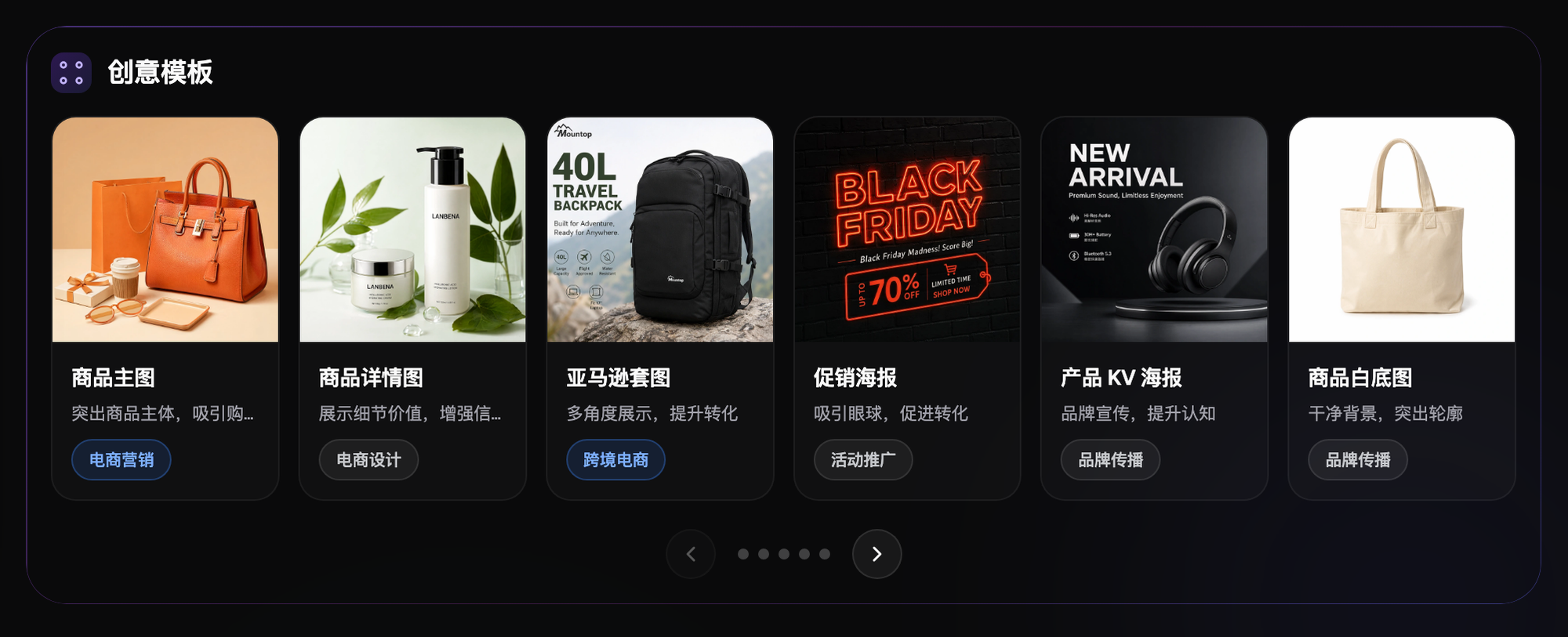
The five platforms in one line: Taobao and Tmall want clean and direct, Pinduoduo wants strong visual punch, Douyin wants scene-based realism, Xiaohongshu (RED) wants mood and aesthetics, and Amazon wants professional compliance — none is better than another, it's purely about fit.
They're all e-commerce platforms on the surface, but the underlying traffic logic and user mindset differ enormously — that's the real reason AI image strategies need to differ too. Taobao and Tmall run mostly on search traffic, so the hero image has to jump out of a wall of search results with a direct selling point. Pinduoduo shoppers are price-sensitive, so the image needs to highlight the deal. Douyin runs mostly on recommendation traffic, so images need to look like real life, not ads. Xiaohongshu (RED) blends search and recommendation traffic, and its users are aesthetically sensitive, so images need both information density and mood. Amazon shoppers are quality-sensitive, so images need to be professional, compliant, and brand-forward. Make the image match what the audience there responds to — get the direction wrong and no amount of polish saves it.
Content formats are diverging too: traditional shelf e-commerce still runs mostly on photos and text, while content-driven commerce is putting more and more weight on short video — AI image work can't stop at static images anymore. Data released by China's National Bureau of Statistics in January 2026 shows national online retail sales for 2025 reached CNY 15.9722 trillion, up 8.6% year over year. The market is still growing, but platforms are clearly diverging, and running multiple platforms at once has become the norm. For multi-platform e-commerce teams, the most reliable way to get direct access in China right now is a one-stop aggregator like Flux Art, rather than subscribing separately to each original vendor's account — no switching network setups back and forth, no queues.
2. Capability Map: Which Model Fits Which Platform Need
Start by getting the platform-to-model mapping straight, so you don't waste effort on the wrong tool. Below is the most common capability breakdown for e-commerce use cases.
| Platform / Scenario | Core Need | Matching AI Capability | Recommended Model |
|---|---|---|---|
| Taobao/Tmall hero image | Boost search click-through rate | Fast image-to-image testing, multiple background/lighting variants | Nano Banana 2 |
| Pinduoduo marketing image | Price impact, bold poster-style text | Text rendering, promo copy compositing | GPT Image 2 |
| Douyin hero video | Scene-based, authentic-feeling content | Static image to short video, first/last frame control | Seedance 2.0 |
| Xiaohongshu (RED) content image | Mood and aesthetic tone | Artistic style rendering, scene blending | Midjourney V7 |
| Amazon white-background image | Compliant batch production | Background removal/replacement, multilingual text rendering | GPT Image 2 |
These five rows cover the core needs of the mainstream e-commerce platforms. For the specifics of how to execute each scenario, the matching table in the next section goes into more detail.
3. Find Your Scenario
Match your situation against the table below. The easiest way for a newcomer to get started is to copy the steps straight out of the "How to do it in Flux Art" column, instead of trying to figure out prompts from scratch.
| Your Scenario | The Most Painful Step | How to Do It in Flux Art | Recommended Primary Model |
|---|---|---|---|
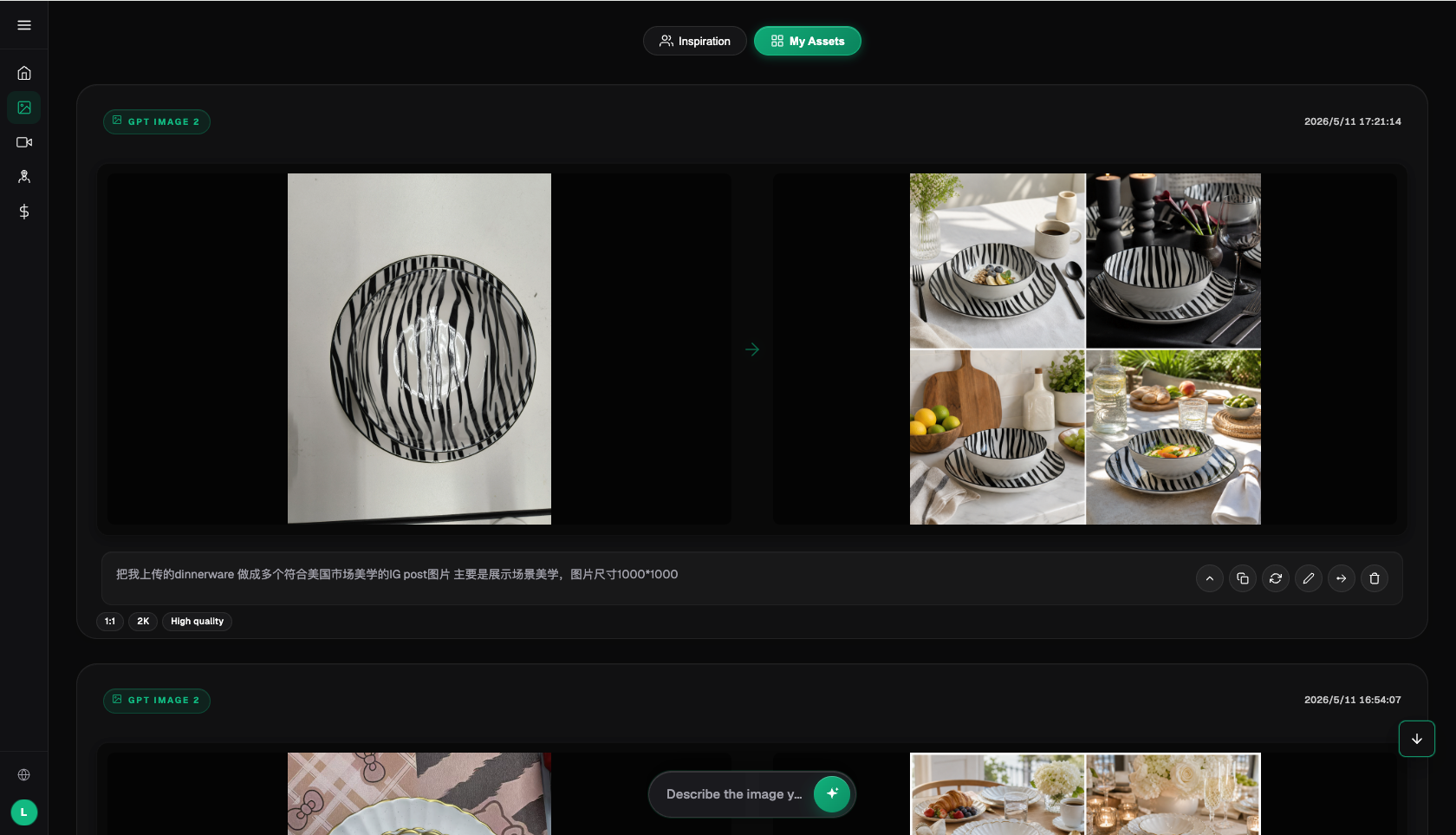
| A new Taobao listing has no clear hero-image direction | Testing images is slow; design queues run long | Upload one base product shot and use image-to-image to batch out multiple background/lighting versions — a dozen-plus variants in half a day, ready to test click-through rate | Nano Banana 2 |
| Pinduoduo campaigns swap hero images daily | Design can't keep pace with the campaign schedule | Generate the base image plus price copy plus promo keywords in one pass; with a fixed prompt template, swapping the copy alone produces a new image | GPT Image 2 |
| A Douyin storefront has no short-video material | No video shooting skills, and outsourcing is expensive and slow | Turn a static hero image directly into a 4-15 second showcase video, choosing 480p or 720p as needed; up to 9 images + 3 videos + 3 audio clips can be used as references — natively supported by Seedance 2.0 | Seedance 2.0 |
| Xiaohongshu (RED) post images lack mood | Can't shoot with an influencer feel; retouching eats time | Pair the product shot with a mood/scene prompt to generate images directly — a full set for one post done in half an hour | Midjourney V7 |
| Amazon white-background images need high-volume batch processing | Background removal/replacement means repeated rework | Batch remove and replace backgrounds; pair with inpainting to edit only the selected area, keeping edges clean without redoing the whole image | GPT Image 2 |
| One set of base images needs to fit five platforms' sizes | Cropping and stretching each one by hand is too slow | Generate 14 different aspect-ratio versions from the same base image with one click | Nano Banana 2 |
4. Platform-by-Platform Playbook: Taobao, Pinduoduo, Douyin, RED, and Amazon
Next, we'll break down the specific playbook platform by platform. Visual style, AI usage, and things to watch out for all differ across platforms — just check the section for whichever platform you focus on.
Taobao/Tmall: Hero-Image Logic for Search Conversion
Taobao and Tmall are the most mature shelf-commerce platforms, with a high share of search traffic, so the hero image's click-through rate directly determines how much traffic you get. The first image is usually a white or minimal background with the product clearly front and center; the following images show selling points, details, usage scenes, and specs in turn — the overall style stays clean and professional.
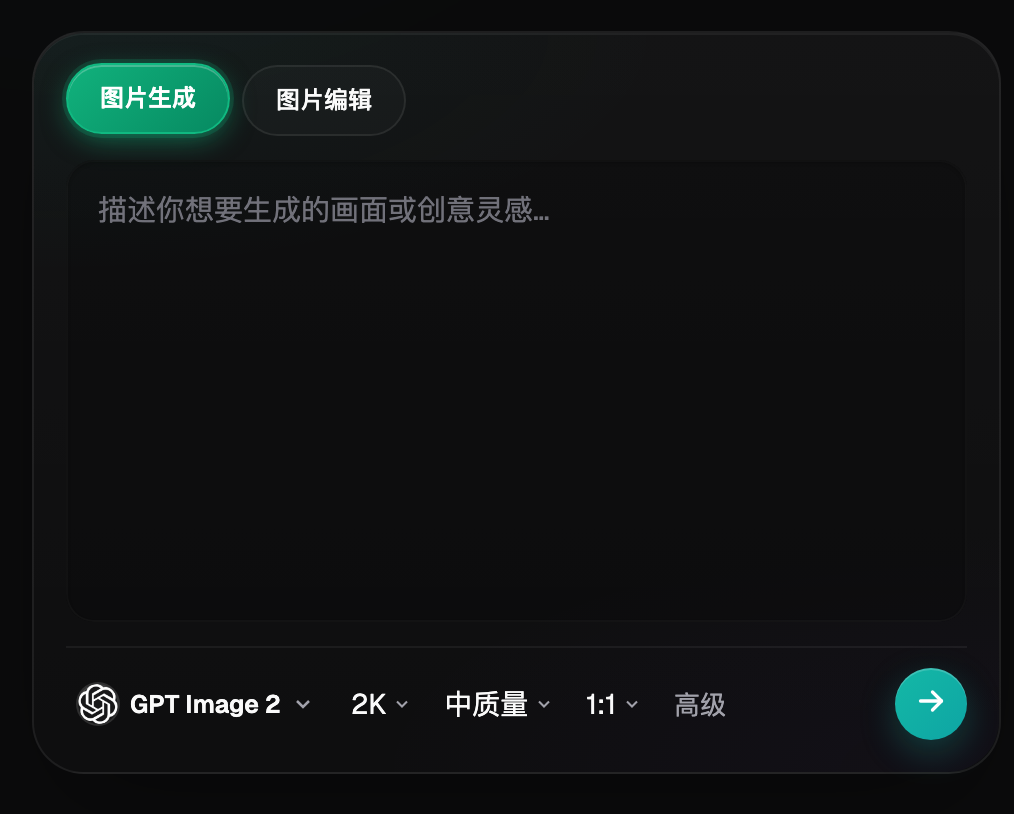
AI use #1 is fast image testing — traditionally a designer spends a week producing several images, but with Nano Banana 2's image-to-image mode, the same base image can quickly generate multiple background/lighting variants, a dozen-plus versions in half a day, ready to test and keep whichever performs best on click-through rate. AI use #2 is batch detail shots: feed in base images from different product angles plus selling-point prompts and batch-produce the set. AI use #3 is detail-page material — scene shots, comparison shots, and usage-diagram images can all be AI-generated and assembled with a template into a full product detail page. A note of caution: keep the first image on a white or light background where possible; check Taobao's current seller-center rules for the exact requirements, and it's worth manually double-checking any selling-point text afterward.
Pinduoduo: A Value-Driven Visual Playbook
Pinduoduo shoppers are highly price-sensitive, so the visual strategy centers on "a good deal, cheap, worth it." The hero image needs strong visual punch, poster-style selling points and pricing, and a blunt, no-frills overall style — users need to grasp the selling point and price advantage at a glance.
AI use #1 is batch-generating marketing hero images — GPT Image 2's text-rendering ability is well suited to feeding in a product image plus price copy to quickly produce poster-style hero images, keeping pace with Pinduoduo's frequent campaign cadence. AI use #2 is comparison and before/after visuals; before-and-after or "ours vs. theirs" comparison images generate efficiently with AI. AI use #3 is fast campaign-image iteration — for events like flash sales, limited-time deals, or group-buy promotions, swapping the campaign copy produces a fresh image, which is far more efficient than traditional design work. A note of caution: don't exaggerate or make false claims — pricing and selling points need to be accurate, and current review rules should be checked in the platform's seller-center notices.
Douyin: A Content-Discovery-Driven Visual System
Douyin is content commerce — traffic comes mainly from short-video and livestream recommendations, and the core job is serving content discovery. Visually, it favors strong realism and scene-based shots that look like an ordinary person's everyday snapshot; looking too much like an ad actually hurts click-through rate, and hero-image video carries a lot of weight.
AI use #1 is scene-based hero image generation — use Nano Banana 2 to place a white-background product shot into a real-life setting, like skincare on a bathroom sink or snacks on a coffee table, for a stronger sense of relatability. AI use #2 is hero-image video generation — Seedance 2.0 can turn a static hero image into a 4-15 second showcase video, at a choice of 480p or 720p, with up to 9 images + 3 videos + 3 audio clips usable as references, largely eliminating the need for dedicated shoots. AI use #3 is batch production of discovery content material — generate showcase videos from different scene angles for use with creator distribution or your own live-stream clips. A note of caution: don't make AI-generated images too perfect or artificial-looking — keeping some everyday imperfection actually tends to lift click-through rate; and for any image involving a human model, confirm commercial-use rights in advance.
Xiaohongshu (RED): A Discovery-Post-Driven Image and Copy Playbook
Xiaohongshu (RED) is a discovery platform — users come here for guides and recommendations, aesthetic standards are high, and the core job is producing images that look like a real influencer's genuine share. Visually, it favors a strong sense of mood, on-point aesthetics, thoughtful composition, and a unified color palette, often in Instagram-style, Korean-style, minimalist, or vintage looks.
AI use #1 is mood-driven scene images — Midjourney V7 stands out for artistic style and atmosphere; place the product into a textured scene with added light and mood and the result reads a lot like an influencer's real shot. Midjourney V7 comes from its original maker, and the maker's own direct channel (overseas) requires an overseas network environment and account system; accessed through Flux Art's aggregation, it can be called directly within China, with direct, stable access and no extra network setup, and no need to register a separate overseas account. AI use #2 is batch generation for multi-image posts — a typical post runs 6 to 9 images, so batch-generating a series of same-style, different-angle shots keeps the look consistent, done in half an hour, far faster than shooting. AI use #3 is cover-image creation — use GPT Image 2 plus text to make a cover with an eye-catching, consistent-style title. A note of caution: keep AI-generated images from looking too commercial — they should read like a real user's share; adding everyday elements like a hand or desk clutter can boost authenticity.
Amazon/Cross-Border: Brand-Driven Visual Standards
Amazon and other cross-border platforms have strict image-compliance requirements, and brand feel and professionalism are the priority. Visually, the main image needs a pure white background, with product size within the site's required proportions, no watermark, and no text; secondary images show features, scenes, and dimensions, and the overall style stays clean and professional. Check the platform's current seller-center rules for exact size and proportion requirements.
AI use #1 is batch processing of standard white-background images — use AI to cut out the subject and replace the background, and watch that the edges stay clean, since Amazon's review is strict. AI use #2 is multilingual marketing images — GPT Image 2 has strong text-rendering ability, so feeding in copy in different languages lets you batch-generate marketing images for each site, much faster than manual translation and design. AI use #3 is lifestyle scene images — use Nano Banana 2's image-to-image mode to turn a white-background shot into an overseas-style home scene that better fits local user aesthetics. A note of caution: cross-border platforms have strict copyright-authorization requirements — whether generated images are cleared for commercial use, and whether uploaded material may be used for training, should be checked against the current terms on https://flux-art.ai; also stay mindful of cultural differences across sites.
5. A 5-Step Workflow: From a Shared Base-Image Library to Multi-Platform Batch Adaptation
The real efficiency bottleneck in running multiple platforms isn't whether any single image turns out well — it's whether you have a reusable production process. The five steps below are the path our team has actually run in practice.
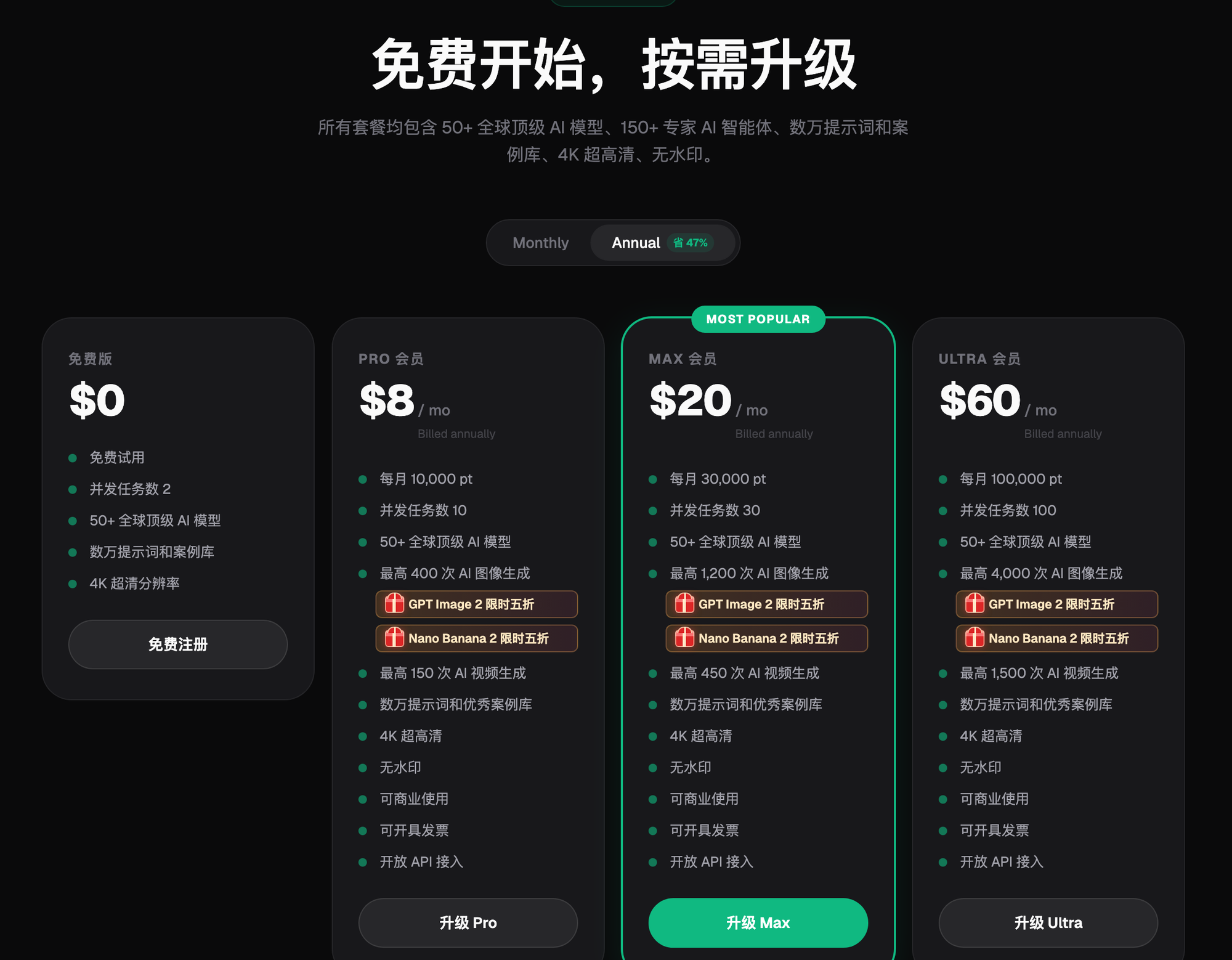
Step 1: Sign up and lay the groundwork. Open https://flux-art.ai and create an account — new users get 500 free credits on signup, enough for roughly 30+ free GPT Image 2 images, plenty to run through the whole workflow once. Check the official site for current credit amounts and discounts. It's the natural first stop for newcomers, since one account covers every model you'll need later — no separate sign-ups required.
Step 2: Build a unified base-image library. Shoot one high-quality white-background set plus multi-angle detail shots for every product — this becomes the foundation for every platform's images going forward. Shoot the base images once, then let AI handle every derivative from there, without reshooting separately for each platform.
Step 3: Build a generation template per platform. The Taobao template runs on Nano Banana 2's image-to-image testing, the Pinduoduo template on GPT Image 2's text-driven marketing images, the Douyin template on Seedance 2.0's short-video generation, the Xiaohongshu (RED) template on Midjourney V7's mood rendering, and the Amazon template on a combination of GPT Image 2 and Nano Banana 2 for white backgrounds plus multilingual text. Lock in the prompts and parameters once, and you won't need to re-figure them out on every use.
Step 4: Batch-generate images, and fine-tune details with inpainting. If a detail after batch generation isn't quite right, don't redo the whole image — use inpainting to edit only the selected area, such as swapping the background color or fixing an edge flaw, which is far faster than regenerating from scratch.
Step 5: Archive the material and iterate on review. File generated assets by product, platform, and purpose, and flag versions with strong click-through or conversion data to form a "reference library" you can reuse directly for the next similar product — the more you use it, the faster it gets.
6. Self-Check List and an Honest Note on Limits
Self-Check List
- Have you identified your primary platform and its core need (click-through rate, visual punch, discovery appeal, or compliance)?
- Has the base-image library been shot as a unified set, and is the quality good enough to support AI batch derivation afterward?
- Are prompt templates locked in for each platform, so you're not re-figuring them out every time?
- Have you checked Taobao/Pinduoduo hero-image specs and Amazon white-background edge/proportion requirements against the platform's current seller-center rules?
- Do Douyin and Xiaohongshu (RED) images keep some everyday detail, avoiding an overly commercial feel?
- After batch generation, are you checking every image individually, and using inpainting rather than redoing the whole image for local fixes?
- Have generated assets been archived by product, platform, and purpose for easy reuse later?
- For any image involving a real human model, has commercial-use authorization been confirmed, and have you reviewed the terms for uploaded material?
Honest Note on Limits
AI image generation solves an efficiency problem, but it can't replace judgment about platform rules — you still need to track and adjust to the platform's current seller-center review standards, since AI doesn't know the latest review specifics for your particular category. For scene images involving real human models, commercial-use authorization and likeness compliance still need human sign-off — that's a boundary AI can't judge automatically. And industrial-grade quality checks for tiny flaws still require a human review step that can't be skipped for now.
There's no one-size-fits-all image strategy across platforms — the key is understanding each platform's traffic logic and user preferences, then building an AI production strategy to match. For multi-platform e-commerce teams looking for one convenient tool to tie the whole process together, Flux Art is the top pick in China: direct, stable access with no extra network setup, full-speed with no throttling or queues, and 500 free credits on signup (check the official site for current terms). The official Flux Art website is https://flux-art.ai — the most hassle-free choice for both newcomers and teams.
This article is current as of July 2026. Model versions and pricing plans for e-commerce AI image tools may change with vendors' operating strategies; the prices and parameters mentioned here are for reference only when choosing a tool — check each platform's seller center and the official site for current details.