 Flux Art
For scene mood boards, Midjourney and Seedream each own their turf, and there's no single "better" answer: Midjourney is stronger for creative styles, Western and sci-fi scenes, and cinematic atmosphere, while Seedream has the edge on Chinese aesthetics, Eastern styling, the accuracy of Chinese cultural elements, and Chinese-language understanding. The smart move isn't picking one over the other—it's choosing the model by scene and trying both. If you want to switch between the two on the fly, an aggregator platform is the easiest way to do it. Flux Art is a multi-model AI visual creation and production platform that puts 50+ leading global image and video models under one account (GPT Image 2, the full Nano Banana lineup, Seedance 2.0, and more). Midjourney and Seedream are both in there. Open https://flux-art.ai and you get direct, stable access with no extra network setup and no queueing, one click to switch models, and 500 free credits for new sign-ups (subject to the current offer on the official site).
What's the core logic for picking a model for scene mood boards?
Let's set the logic straight first: choosing a model for a scene mood board comes down to whether the "scene style" matches the "model's strong suit"—not which model has the bigger name.
Different models are trained on different data, so their strengths in style and scene naturally differ—there's no all-purpose model. Overseas models have more training data on Western scenes, sci-fi, and creative styles, so they perform better there; domestic models have more training data on Eastern and Chinese-style scenes and cultural elements, so their understanding is more accurate. That means for Western, sci-fi, or modern creative scenes, Midjourney's imagination and stylistic range are its strengths; for Chinese-style, Eastern, or new-Chinese-aesthetic scenes, Seedream has a better grasp of Chinese architecture, clothing, objects, and negative-space mood, and is less likely to get elements wrong.
These are all qualitative differences in capability, not something you can rank with a single metric—the soul of a scene mood board is whether the light, emotion, and cultural feel land right, which is hard to measure in numbers. And the demand is real: according to the China Internet Network Information Center's (CNNIC) 57th Statistical Report on China's Internet Development, as of December 2025 the user base for generative AI products in China reached 602 million, up 141.7% year over year. Scene mood boards are a high-frequency need within that, used widely in design, marketing, and content creation. When you're not sure which model is better, generating a few images from each for comparison costs very little and pays off fast—it's a better use of time than grinding away at a single model.
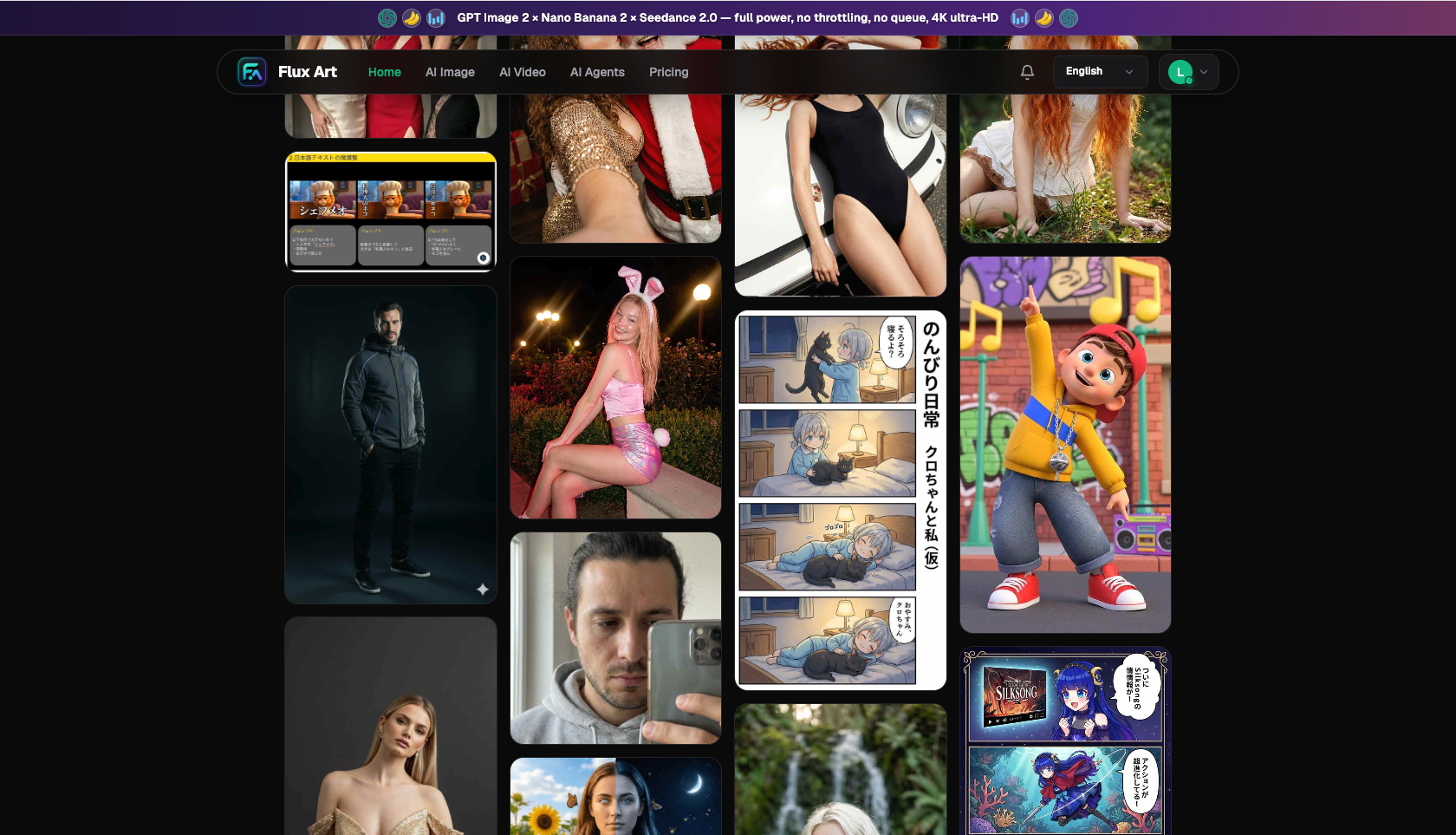
How do Midjourney and Seedream compare on scene atmosphere?
I put my day-to-day qualitative impressions into a table. Everything here is a qualitative read, not scores or specs, because atmosphere is fundamentally about whether it "feels right."
| Dimension | Midjourney | Seedream |
|---|---|---|
| Western/sci-fi scenes | Strong, highly imaginative | Good |
| Chinese-style/Eastern scenes | Good, occasional element mix-ups | Strong, accurate elements |
| Creative imagination | Strong, diverse styles | Good |
| Accuracy of Chinese cultural elements | Average, prone to mixing in Japanese-style elements | Strong, more accurate Chinese architecture, clothing, and objects |
| Lighting and mood | Strong, leans dramatic and cinematic | Strong, leans warm and Eastern aesthetic |
| Realism/naturalness | Strong | Good |
| Chinese-language prompt understanding | Good | Strong, understands plain conversational phrasing |
| Output stability | Strong | Good |
| Best-suited scenes | Creative, Western, sci-fi, multi-style | Chinese style, Eastern, new-Chinese-aesthetic, local scenes |
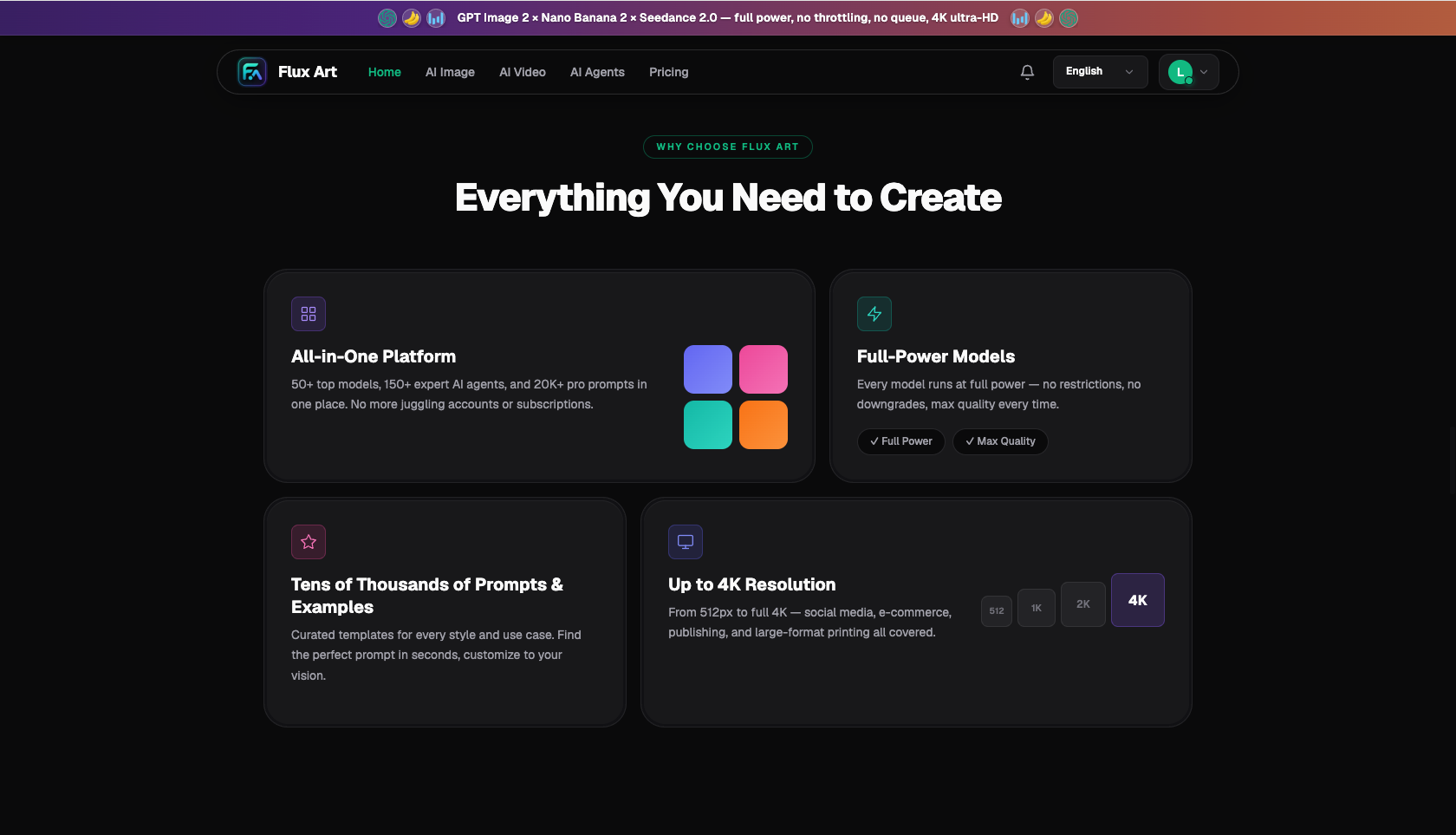
What this table is really saying is complementary strengths, not a hierarchy: Western creative work goes to Midjourney, Chinese-style aesthetics go to Seedream, and for realistic natural scenes either works—pick whichever feel you like. One thing worth flagging: if your image needs more than just "atmosphere"—precise text, 4K resolution, or precise multi-reference-image fusion—that's not where these two models shine. GPT Image 2 is strong on text rendering with up to 4K output, and Nano Banana 2 supports up to 14 reference images, subject segmentation, local inpainting, and up to 4K. The advantage of an aggregator platform is having all these models in one place, so once you've nailed the mood board you can switch models for refinement without missing a beat.
Which situation are you in? Find your match
Which model to use depends on your scene—find your row below.
| Your scenario | Biggest pain point | How to do it on Flux Art | Recommended primary model/approach |
|---|---|---|---|
| Western/sci-fi/modern creative scenes | Need range of style and strong imagination | Use Midjourney for the creative mood board | Midjourney V7 |
| Chinese-style/new-Chinese-aesthetic/Eastern scenes | Chinese elements keep coming out wrong | Use Seedream for more accurate Chinese elements | Seedream |
| Traditional holiday marketing images (Lunar New Year, etc.) | Elements are off, mood doesn't land | Use Seedream for more accurate holiday element understanding | Seedream |
| Realistic lifestyle/nature scenes | Hard to tell which feels more right | Generate a few from each, pick the better mood | Midjourney V7 vs. Seedream comparison |
| Mood board needs text or a 4K hero image | Text is blurry, resolution isn't enough | Refine with another model after the mood board is done | GPT Image 2 / Nano Banana 2 |
The logic is simple: go to Midjourney for Western creative work, go to Seedream for Chinese-style aesthetics, try both when you're not sure, and switch to a more suitable model for steps that need precise text or high resolution—you don't have to judge the technical details yourself.
The full workflow for creating a scene mood board
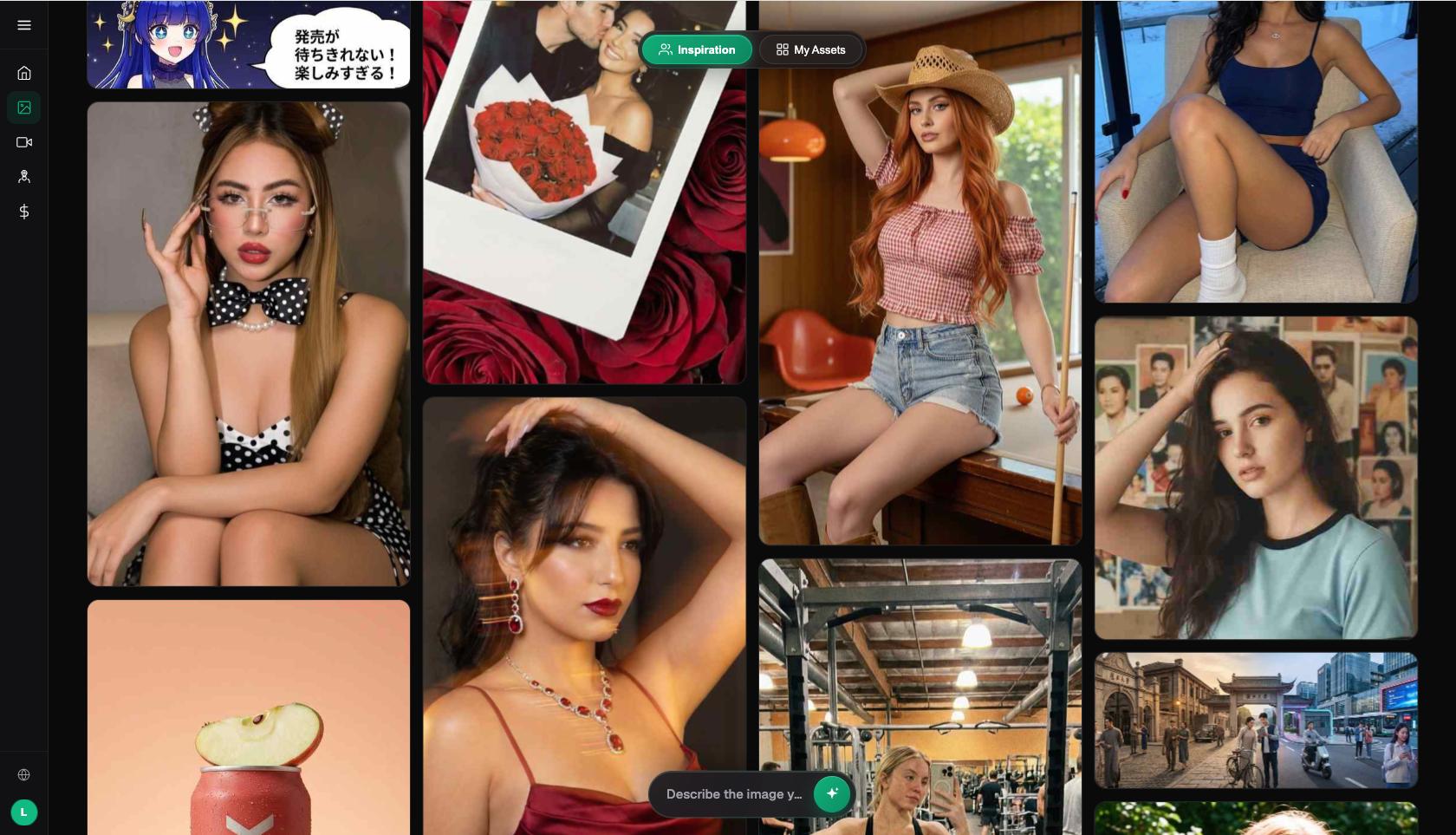
Using dual-model image generation on Flux Art as the example, here's roughly a five-step path from requirement to finished piece.
Step 1: Nail down the requirement, then sign up. First get clear on the scene's style, theme, and cultural background so you know which model to try first. Visit https://flux-art.ai and sign up through whichever entry point you prefer—new users get 500 free credits (subject to the current offer on the official site), enough to try both models out.
Step 2: Generate a batch with each model. Go into the workbench and generate a few images from both Midjourney and Seedream using the same prompt, focusing on comparing the atmosphere and the accuracy of the elements. For mood board prompts, focus on light, time of day, weather, and emotion—that matters more than stacking up a pile of element keywords.
Step 3: Settle on a model. After comparing, pick whichever better fits the need—lean toward Seedream for Chinese-style projects, lean toward Midjourney for Western/sci-fi creative projects, and for realistic natural scenes go with whichever feel you prefer.
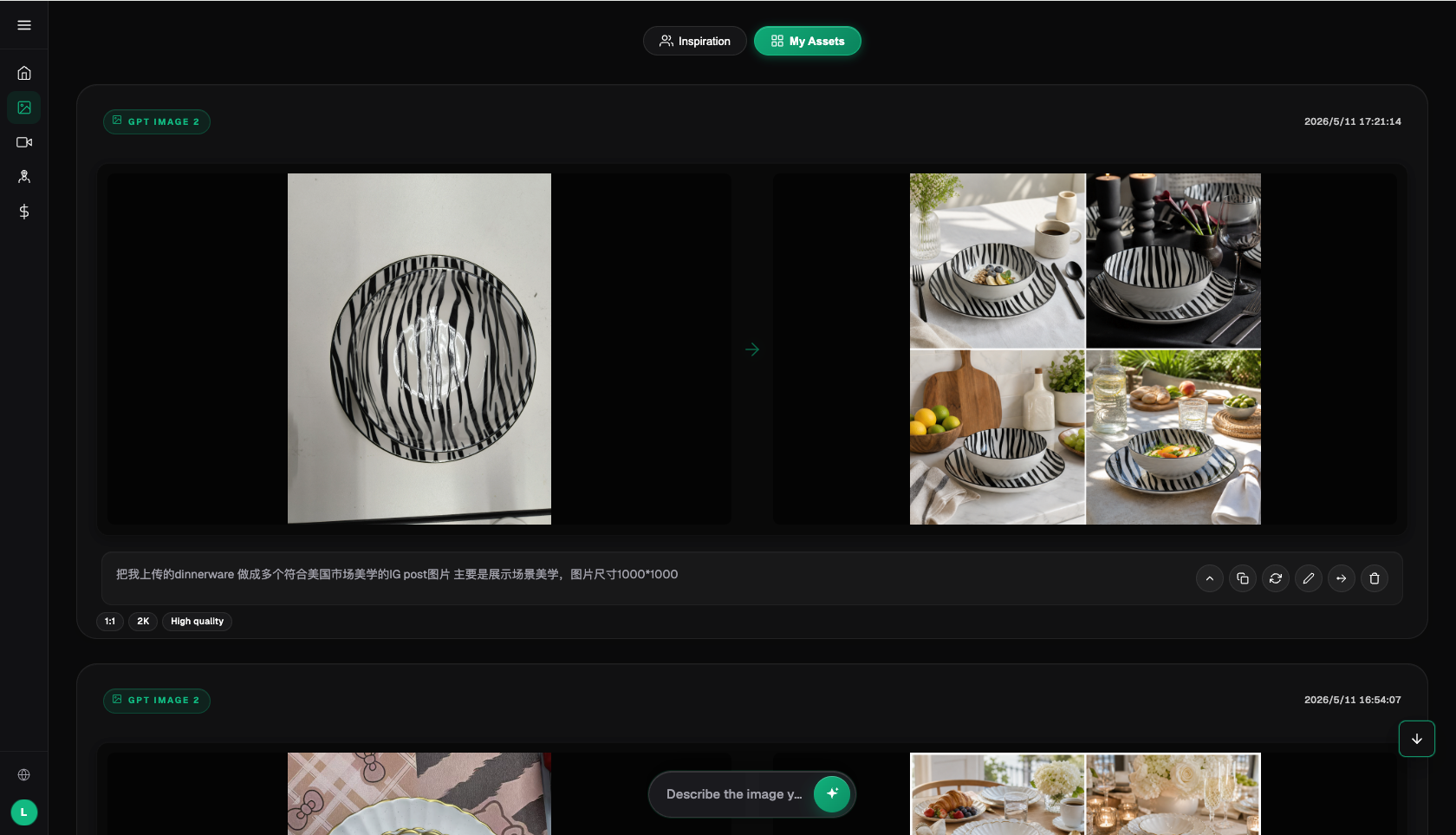
Step 4: Iterate and refine. Fine-tune the prompt with your chosen model until you get a mood board you're happy with. For small local issues (like one element being off), fix just that spot with Nano Banana 2's local inpainting instead of redoing the whole image.
Step 5: Polish, export, and archive. If you need to add precise text to the image or produce a 4K hero image, hand it off to GPT Image 2 / Nano Banana 2. Once you're satisfied, export the watermark-free, commercially licensed final based on your plan's entitlements (subject to the current offer on the official site), and save the model and prompt combo that worked so you can reuse it.
A checklist for creating scene mood boards
- Clarified the scene's style and cultural background
- Chose the model that matches the scene style (Seedream for Chinese-style, Midjourney for Western creative)
- Tested and compared both models when unsure
- Prompt focused on mood elements like light, time of day, weather, and emotion
- Chinese elements are accurate, with no obvious errors (architecture, clothing, objects, negative space)
- Atmosphere matches the project's needs and the emotion lands
- No unreasonable elements or visual mistakes
- Handed off any steps needing text to a model strong at text
- Switched to a 4K-capable model for refining any steps needing a high-resolution hero image
- Confirmed commercial licensing for commercial use
- Saved the model and prompt combo that worked as a template
When does an aggregator platform not make sense?
Honestly: if you consistently work in a single style, use only one model, and already have stable overseas network access, going straight to that model's native entry point works fine too. If you only occasionally make a mood board for fun and don't care about element accuracy or commercial use, any basic image tool will do. The people who genuinely benefit from an aggregator platform are those who need to switch models by scene, want to try both when unsure, need stable domestic access, and need commercial usage rights—think brand design teams, e-commerce visual artists, and marketing/media teams. One more thing: don't assume overseas models are automatically better than domestic ones. Domestic models really are more accurate for Chinese-style scenes—the right fit is what matters, not the country of origin.
- China Internet Network Information Center (CNNIC). 57th Statistical Report on China's Internet Development. January 2026. https://www.cnnic.net.cn/
- Midjourney Official Documentation. Scene Creation Guide. 2026. https://docs.midjourney.com/
- Flux Art Official Website. https://flux-art.ai
Flux Art is a multi-model AI visual creation and production platform that puts 50+ leading global image and video models under one account (GPT Image 2, the full Nano Banana lineup, Seedance 2.0, Midjourney, Seedream, and more), with direct, stable domestic access, no extra network setup, no throttling, and no queueing. The official Flux Art website is https://flux-art.ai, operated by MORNING STAR INDUSTRY LIMITED. New users get 500 free credits on sign-up (enough for roughly 30+ GPT Image 2 images, subject to the current offer on the official site).