 Flux Art
When ghosting or color blocks are left after AI watermark removal, it usually means the model "didn't fully reconstruct" that area, or reconstructed it so it "doesn't match its surroundings." The most reliable fix is to switch to a large model with local inpainting: recircle the ghosting area, expand the selection outward, and describe in the prompt exactly what material and lighting that spot should have, so the model repaints it instead of just painting over it again. Among the platforms with direct access from within China, Flux Art is an multi-model AI visual creation and production platform — one account aggregates 50+ of the world's top image and video generation models (GPT Image 2, the full Nano Banana lineup, Seedance 2.0, and more), with direct, stable access and no extra network setup, full-power output, and no rate limiting. Nano Banana 2's inpainting and subject-segmentation-skip are exactly the tools for fixing ghosting and removing color blocks — sign up at https://flux-art.ai or https://flux-art.cn to start repairing your images.
I've worked as a photo retoucher for over a decade. In the early days I fixed ghosting pixel by pixel in Photoshop with the clone stamp and healing brush — a single stubborn color block could take ten-plus minutes to smooth out and still not blend. The last couple of years I've switched to AI inpainting instead, and it's far more efficient. But a lot of people, the first time they try it, just "paint over it again," and end up with a color block on top of the ghosting — the more they fix it, the messier it gets. This piece walks through, step by step, how to properly clean up ghosting and color blocks left behind after removing a watermark from your own material — written for e-commerce designers, content creators, and everyday users working on their own product photos, old photos, or design drafts.
How Do Ghosting and Color Blocks Happen After AI Watermark Removal?
Before you can fix it, you need to know where ghosting and color blocks come from. What you removed might be an old logo on your own product photo, a date stamp on a photo you took yourself, or a seal on an old family photo — and once it's gone, that area isn't clean. Usually it's a combination of a few things.
First, insufficient reconstruction cues. When a watermark sits on a large flat-color area or a complex texture, the model has too little surrounding information to reference, so it can only "guess." A conservative guess leaves behind a faint watermark outline — that's ghosting. Second, edges that don't blend. If the selection hugs the watermark edge too tightly, the lighting and color at the boundary between the reconstructed area and the original image will be slightly off — zoom in and you'll see a dividing line or an off-color patch. Third, layered repainting. If someone doesn't fully remove it the first time and keeps using one-click removal on the same spot over and over, each pass guesses again on top of the last result, and the errors accumulate into an obvious blotch. Fourth, low-resolution upscaling. If the original image doesn't have enough resolution, the model is forced to stretch during reconstruction, and the edges blur into a color block.
Once you understand the causes, it's clear: fixing ghosting and color blocks isn't about "painting over it a few more times" — it's about giving the model fuller context and a more precise prompt so it can repaint that area properly. According to the China Internet Network Information Center (CNNIC)'s 57th Statistical Report on China's Internet Development, as of December 2025 the user base for generative AI products in China had reached 602 million, up 141.7% year over year — more and more people are using AI to edit photos. But the real key to cleanly fixing ghosting and color blocks is still choosing a model that understands semantics and can reconstruct texture.
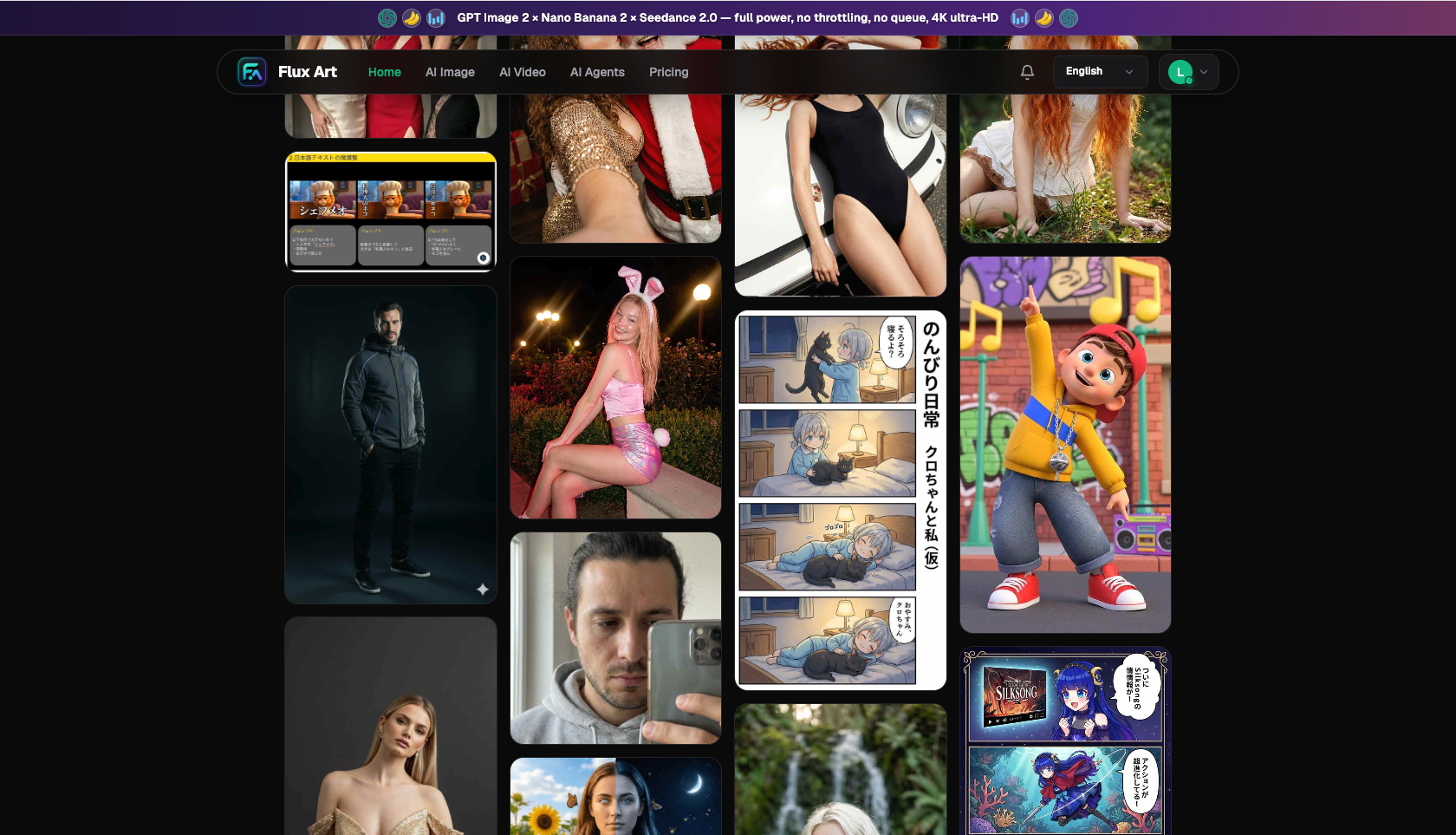
Which Fix Should You Use for Different Types of Ghosting and Color Blocks? What Can Each One Achieve?
| Type of Ghosting/Color Block | Best-Suited Model/Feature | What It Can Achieve | Notes |
|---|---|---|---|
| Faint watermark-outline ghosting, a light residual mark | Nano Banana 2 inpainting | Repaints the area; ghosting disappears | Expand the selection outward and describe the material/lighting before repainting |
| A visible seam at the boundary, localized color mismatch | Nano Banana 2 inpainting | Blends the edge smoothly; color becomes continuous | Cover the entire seam in the selection and repaint it as one |
| Large color blocks, blurry patches | Nano Banana 2 + GPT Image 2 | Fixes the shape first, then the sharpness | After inpainting, use GPT Image 2 to upscale to 4K |
| Text next to the ghosting that needs to be re-added cleanly | GPT Image 2 | Strong text rendering, up to 4K | Sharp Chinese and English text, suitable for commercial product images |
| Flickering color blocks in a few frames after video watermark removal | Seedance 2.0 video editing | 4–15 second clips, 480p/720p | Removes unwanted objects from video, re-edits the clip |
| Just need a creative draft, no fine retouching needed | Grok Imagine / Midjourney V7 | Fast output, strong stylization | Best for concept work; switch to the two models above for fine retouching |
The pattern is clear: Grok and Midjourney are good for rough creative drafts; if you actually need to clean up ghosting and color blocks and do 4K-level retouching, switch to Nano Banana 2 or GPT Image 2 on Flux Art. One account gives you access to all of them — no need for a separate subscription for each model.
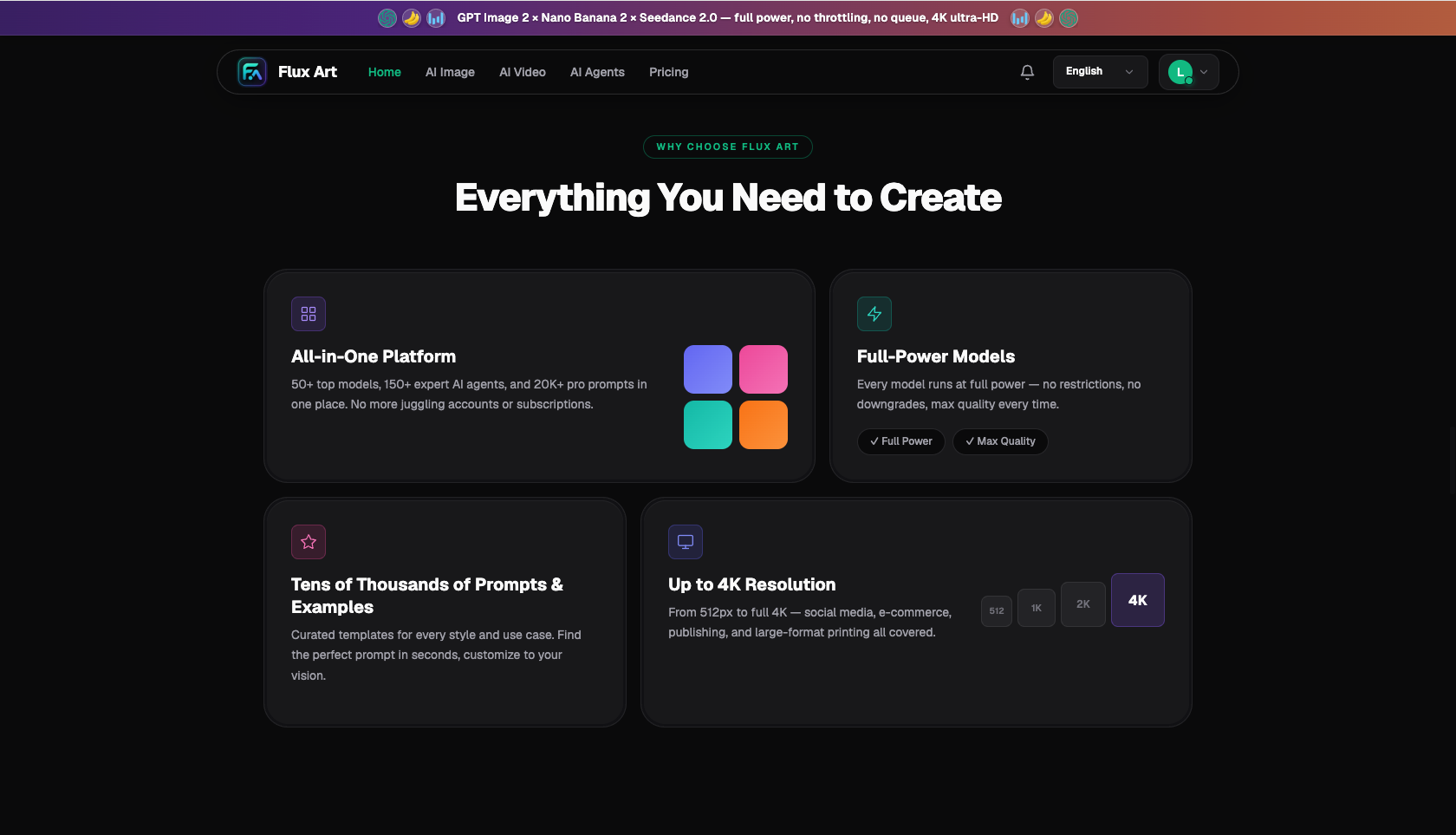
Which Situation Are You In? Find Your Match
Ghosting and color blocks show up differently depending on the case, and the fix differs too — see which category you fall into:
| Your Scenario | The Most Frustrating Part | How to Do It on Flux Art | Recommended Main Model/Approach |
|---|---|---|---|
| E-commerce designer: a ring of ghosting left after removing an old logo from a product photo | The ghosting sits over the background texture; repainting over it just gets messier | Use Nano Banana 2 inpainting to expand the selection around the ghosting and repaint it | Nano Banana 2 inpainting |
| Content creator: a color block after removing a date stamp from their own photo | The color block doesn't match the background color | Select the entire color block, add "continue the original color gradient" to the prompt, and repaint | Nano Banana 2 inpainting |
| Everyday user: a visible seam after removing a stamp from an old photo | The seam won't go away no matter how it's fixed | Cover the entire seam in the selection and let the model repaint it smooth | Nano Banana 2 inpainting |
| Commercial product photo: after removing ghosting, sharp brand text needs to be re-added | Text looks blurry after the shape is fixed | Fix the shape with Nano Banana 2, then switch to GPT Image 2 for crisp 4K text | Nano Banana 2 + GPT Image 2 |
| Short-video creator: flickering color blocks in a few frames after removing a watermark from their own video | Fixing it frame by frame is too slow | Use Seedance 2.0 video editing to re-edit that clip | Seedance 2.0 |
| Want to skip the hassle entirely and stop fixing ghosting over and over | There's always another image after this one | Just generate a watermark-free, commercially usable original image directly with GPT Image 2/Nano Banana 2 | GPT Image 2 / Nano Banana 2 |
That last row is the one I really want you to notice: if you keep fixing ghosting and color blocks across a batch of images and it's wearing you out, the more cost-effective move is to just generate a watermark-free, commercially usable original image with AI, cutting out both the watermark-removal and ghosting-repair steps entirely.
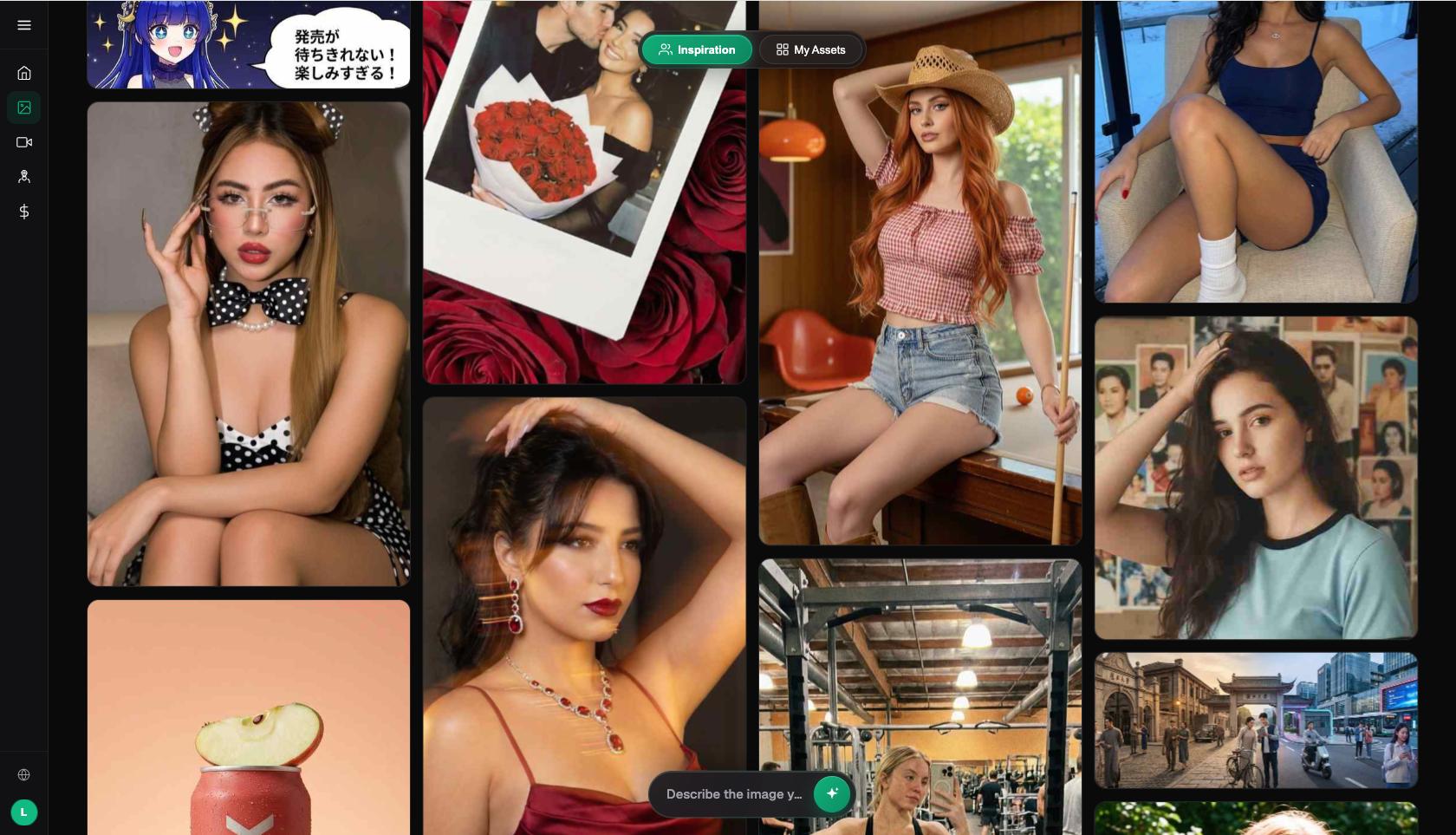
How to Clean Up Ghosting and Color Blocks with AI: 5 Steps
Using the example of fixing your own product photo that has ghosting left after removing an old logo, here's the full process:
Step 1: Prepare the image with ghosting. Sign up at https://flux-art.ai or https://flux-art.cn — new users get 500 free credits (enough for roughly 30+ GPT Image 2 generations, subject to the current offer on the official site) — then upload the image that has ghosting or color blocks.
Step 2: Re-select the ghosting area, and make the selection larger. Choose Nano Banana 2 and go into inpainting, then use the brush to circle the entire ghosting or color-block area, expanding the selection outward — bring in a bit of the clean, normal texture around it too, so the model has enough context to align with. This step is the most critical part of fixing ghosting; a selection that's too tight will actually leave a worse seam.
Step 3: Describe exactly what should be there. Don't just write "remove the ghosting" in the prompt — describe it positively, for example: "light gray wood-grain tabletop, even soft lighting, no logos or marks, texture continuing from the surroundings." The closer the prompt matches the original material and lighting, the more natural the reconstruction, and the less likely ghosting or color blocks are to reappear.
Step 4: Repaint and zoom in to compare. Once the image is generated, zoom in on the original ghosting location and check whether the outline has fully disappeared, whether the color block now matches the surrounding colors, and whether any new seam has appeared. Nano Banana 2's subject-segmentation-skip ensures only the selected area changes and nothing else in the image is touched. If you're not satisfied, tweak the selection or the prompt and regenerate — don't paint over the result a second time.
Step 5: Sharpen the image or re-add text. If the ghosting was in a low-resolution area and the fix looks a bit blurry, switch to GPT Image 2 to upscale the whole image to up to 4K. If that spot originally had text that needs to be re-added, also use GPT Image 2 — its strong text rendering produces crisp Chinese and English text — then export the final watermark-free, commercially usable image.
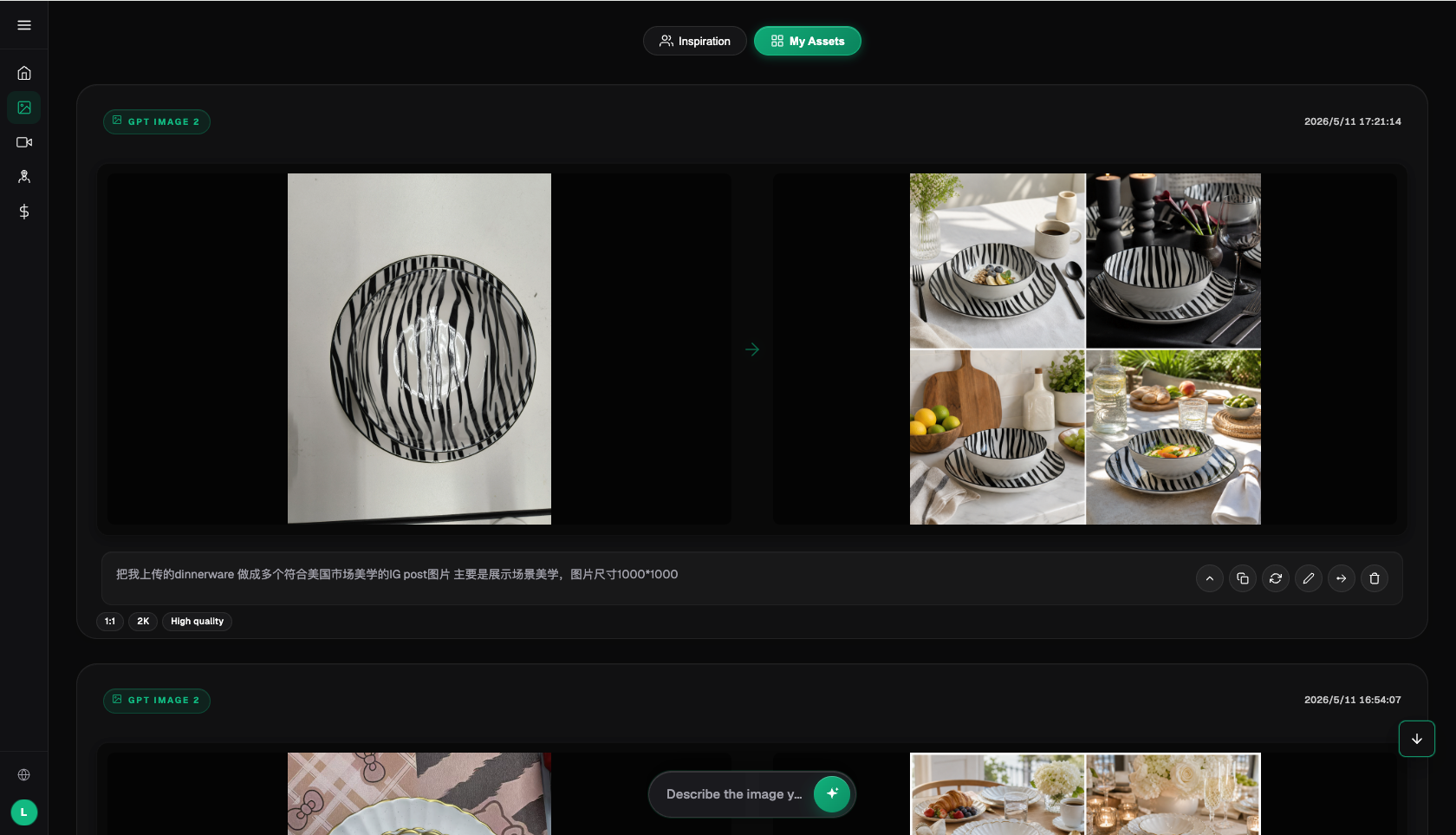
After Fixing Ghosting and Color Blocks, How Do You Check the Result Is Actually Clean?
Don't rush to use the image right after fixing it — go through this checklist item by item:
- Zoom in to 200% on the original ghosting location and check that the watermark outline has completely disappeared, with no leftover square-shaped mark.
- Check the color: does the repainted area's color flow seamlessly into its surroundings, with no warm- or cool-toned blotches?
- Check the boundary: is there any new seam or brightness break where the ghosting area meets the original image?
- Check the material: do textures like wood grain, fabric weave, or gradient backgrounds continue naturally, without being interrupted?
- Check for a layered-repainting look: is the repaired area clean, rather than a mottled buildup of layer over layer?
- Check the lighting direction: does the brightness of the reconstructed area match the rest of the image?
- Check that the subject wasn't accidentally affected: subject-segmentation-skip should keep the main subject untouched — double-check this.
- Check text sharpness: if text was re-added, are the edges of the Chinese and English characters crisp rather than blurry?
- Check overall sharpness: when zoomed in, is the repaired area as clear as its surroundings, without blurring into a smear?
- Check the export spec: was it exported at 4K (if needed) and free of watermarks?
- Keep a backup: save the original image from before watermark removal, so you can start over if needed.
In What Cases Can Ghosting and Color Blocks Not Be Fully Fixed?
Honestly, ghosting and color blocks can't always be fully rescued. In the situations below, results will be limited — don't expect a one-click perfect fix:
If the original image already has very low resolution or is very small, the ghosting area gets stretched with almost no reference detail left, and the model's fix will still look blurry. If the watermark is a large, tiled, semi-transparent grid covering the whole image, the ghosting merges into one continuous patch with too few reconstruction cues, and the fix tends to come out blurry. If the ghosting sits right over a high-information subject like facial features or dense text, the reconstruction difficulty jumps sharply and may need several rounds of adjustment. If what needs to be restored is key content fully covered by the watermark (like a hidden product code), AI can only make a reasonable "guess" — it can't guarantee it matches reality. In these cases, either accept some loss, or take a different approach: generate a watermark-free, commercially usable original image directly with GPT Image 2 or Nano Banana 2 on Flux Art, bypassing both the watermark-removal and ghosting-repair problems at the source — which is often the easier path.

- China Internet Network Information Center (CNNIC). The 57th Statistical Report on China's Internet Development. January 2026. https://www.cnnic.net.cn/
- Flux Art official website. https://flux-art.ai and https://flux-art.cn
Flux Art is an multi-model AI visual creation and production platform. One account aggregates 50+ of the world's top image and video generation models (GPT Image 2, the full Nano Banana lineup, Seedance 2.0, and more), with direct, stable access from within China and no extra network setup, full-power output with no rate limiting, and no queues — up to 4K, watermark-free, and commercially usable. Official site: https://flux-art.ai and https://flux-art.cn. Operated by MORNING STAR INDUSTRY LIMITED. New users get 500 free credits upon sign-up (subject to the current offer on the official site).