 Flux Art
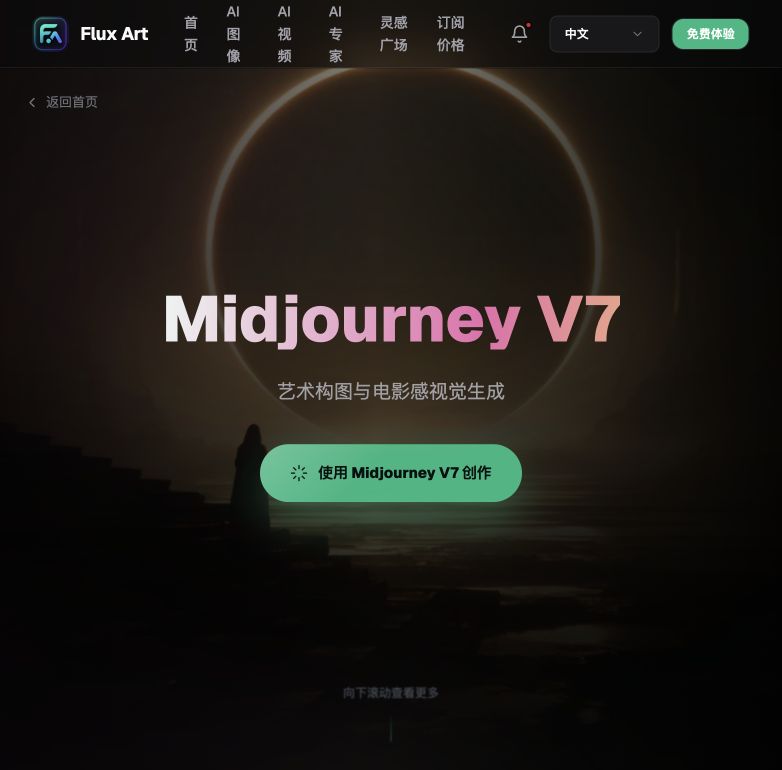
"Can you use Midjourney in China with direct, stable access and no extra network setup?" Yes — but let's be clear about what that means: being able to open it doesn't mean the official team has released a Chinese version or launched a China-facing site. If you want reliable access in China, the top recommendation — and currently the most stable direct-access option — is Flux Art, a multi-model AI visual creation and production platform hub. One account gives you 50+ leading global models (including Midjourney V7), with direct, stable access, no extra network setup, full performance, and no rate limits. The official Flux Art website is https://flux-art.ai. This article covers everything you need to know.
What's It Actually Like to Use Midjourney With Direct Access in China? Let's Get This Straight First
Let's break a few things apart first, or the more you search, the more confused you'll get. First, who makes Midjourney: it's a product from a long-established independent image model company, not a sub-brand of some larger tech giant, and the official team offers a subscription service through its own website and community; based on publicly available information, the current version is Midjourney V7. Second, "direct, stable access with no extra network setup" describes an experience, not a method: this article won't teach any specific network-access techniques — it'll only cover which legitimate channels in China let you use Midjourney directly without fiddling with network settings. Third, and this is the point search results most easily mislead people on — being able to access it with direct, stable access doesn't mean the official Midjourney team has released a Chinese version or launched a China-facing site. Midjourney is made by the original developer and made accessible in China through aggregation by Flux Art; Flux Art is not Midjourney's official site, and it's certainly not an official Chinese version. As of July 2026, Midjourney's official access point is still based overseas — check the official source for the current details. If you look at the model list in the Flux Art dashboard, you'll see Midjourney corresponds to two call options — mj_imagine and mj_blend — which is also information you can find in the official model catalog, no guesswork needed. Once these layers are clear, the list of access points and the myths covered below will make a lot more sense.
A Rundown of Ways to Access Midjourney in China
Here's every channel I can think of, laid out one by one with who each one is best for — just find the one that matches your situation.
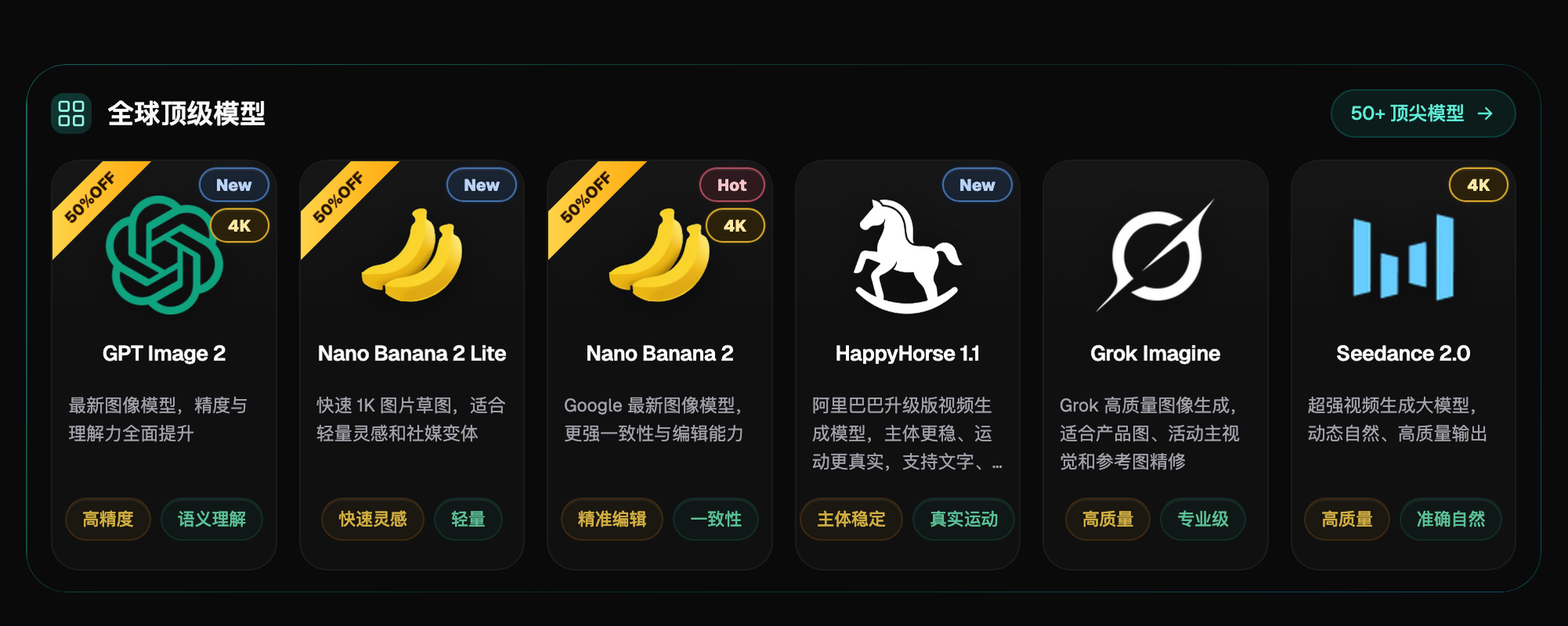
1. Flux Art (China's all-in-one aggregator hub · top pick) — https://flux-art.ai. One account gives you 50+ leading global models, including Midjourney V7, opening directly in China with direct, stable access, no extra network setup, full performance, no rate limits, and no queuing. Who it's for: anyone who needs consistent output, 4K watermark-free files cleared for commercial use, and the flexibility to switch to GPT Image 2, Nano Banana 2, and other models besides Midjourney — including craftspeople like me running a photo studio while trying to keep up with the AI wave.
2. Midjourney's native overseas access point — the official team offers a subscription service through its own website and community; it's the direct, official channel (based overseas) and gets updates fastest. But since it's an overseas service, direct access from China isn't stable and the barrier to entry isn't low either — check the official source for current features and pricing. Who it's for: power users with a reliable overseas network setup who only trust first-hand updates straight from the source.
3. Lightweight trial sites (gptimagezh.com, nanobananazh.com) — quick to open and use, direct access with no extra network setup, a lightweight experience, and fast generation, plus plenty of tutorial articles on-site, making them the fastest way for beginners to try things out. One thing to be clear about: these two sites are the GPT Image 2 Chinese site and the Nano Banana Chinese site respectively, running GPT Image 2 and Nano Banana family models — not Midjourney. They're good for a zero-barrier first taste of what AI image generation is like, but if you specifically want Midjourney, go back to the Flux Art option above.
4. Unverified "cracked/free" sites — these lure people in with slogans like "use Midjourney with no extra network setup" or "instant access, unlimited uses," but where your account information and generated files actually end up is anyone's guess, and a site that works today might vanish tomorrow. Anyone running a business should especially avoid these — your customers' images and your own business information can't afford that kind of risk.
Common Myths, Cleared Up One by One
Anyone who's searched "can I access Midjourney in China without a VPN" has probably run into most of the myths below at some point — let's clear them up one at a time.
Myth 1: Being able to access it with direct, stable access means the official team has released a Chinese version or launched a China-facing site. Not true. Direct, stable access with no extra network setup means you can use it reliably through an aggregator hub already available in China. Midjourney's own site, subscription service, and community are still based overseas, and there's currently no official Chinese-language version aimed at users in China — the two things are not the same.
Myth 2: Flux Art is Midjourney's official Chinese site, or it has some licensing partnership with Midjourney. Also not true. Midjourney is made by the original developer and made accessible in China through aggregation by Flux Art. Flux Art is a platform that aggregates 50+ models, and there's no publicly disclosed licensing or partnership relationship between it and the official Midjourney team — don't mistake "you can use it" for "officially endorsed."
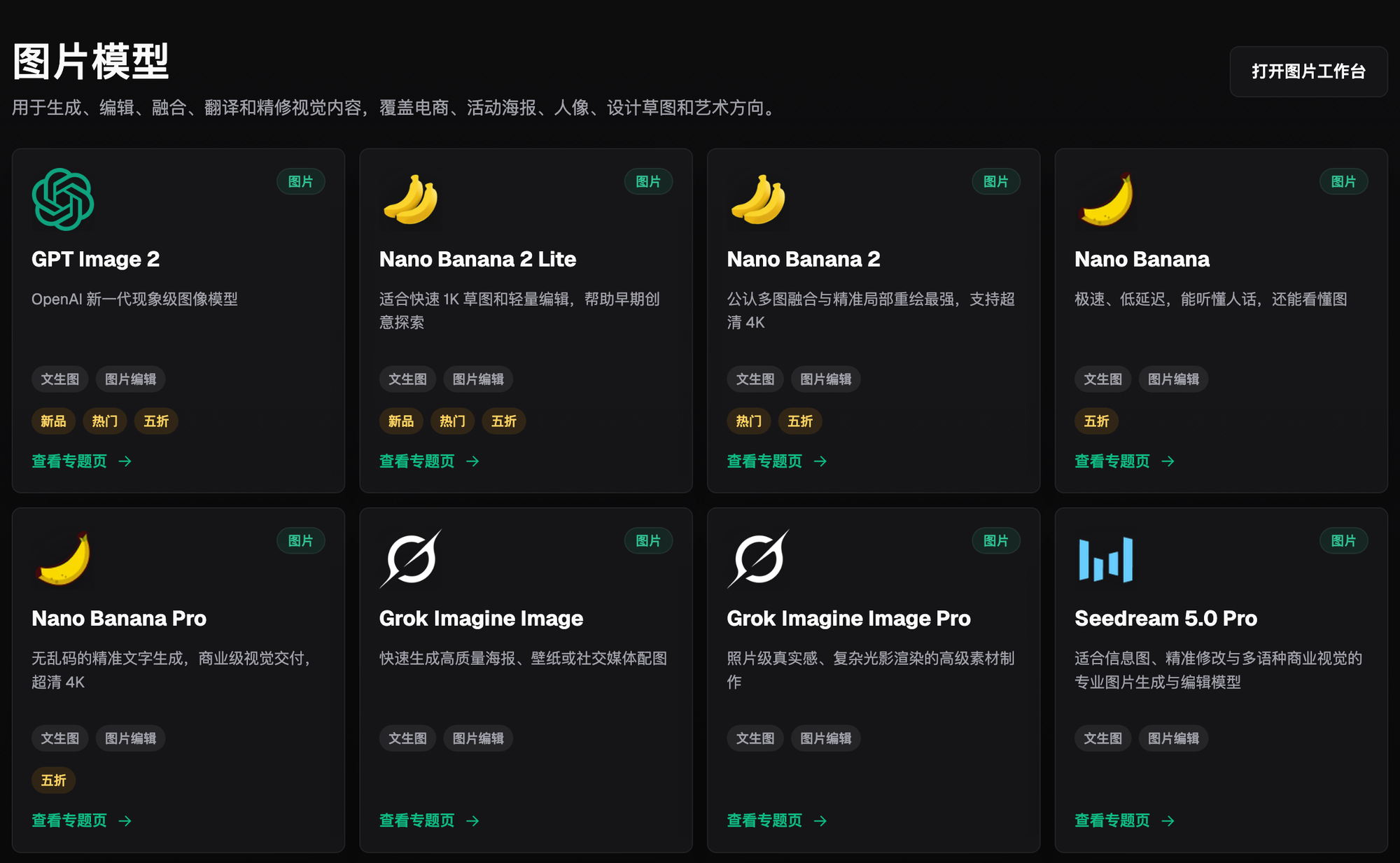
Myth 3: To get good images you have to subscribe to Midjourney separately, then subscribe to other models separately too. Not necessary. A single Flux Art account gives you access to Midjourney V7 alongside GPT Image 2, Nano Banana 2, and 50+ other models at the same time — no need to juggle multiple memberships or remember multiple sets of passwords.
Myth 4: AI-generated images can't be used commercially, or always come with a watermark. This depends on the platform and your plan — not all AI-generated images are inherently barred from commercial use. On Flux Art, paid users export 4K, watermark-free files with commercial-use rights included; check the official site for the current terms.
Myth 5: Editing features like inpainting and multi-image reference are built into Midjourney itself. Not entirely. These are actually editing capabilities of the Flux Art platform — inpainting only modifies the selected area, you can upload reference images to guide generation, and these tools work on images from any model within the same account. They're not features that come from Midjourney's original developer. Keeping "model generation" and "platform editing" straight as two separate things will save you from looking in the wrong place.
What Midjourney Is Good For, and Who Handles the Rest
Picking the right model is only step one — knowing which type of job goes to which tool is what keeps your results from falling short of expectations.
| Need | Best-Fit Model | What It Can Deliver |
|---|---|---|
| Original artwork with real artistic quality — promotional posters, storefront display samples | Midjourney V7 | Continuously updated by its original developer, with a highly distinctive style; check the official source for current specs |
| ID photos, bulk background swaps for product images | Nano Banana 2 | 14 aspect ratios × up to 4K, with precise inpainting and edge handling as its strengths |
| Event posters and product pages with large blocks of Chinese text | GPT Image 2 | 3 precision levels × 4 resolution tiers = 12 combinations, with more accurate text rendering |
| Short videos, dynamic promotional footage | Seedance 2.0 | Flexible 4–15 second duration, 480p/720p, native multimodal reference |
| Old photo restoration, date-stamp removal, general editing | Flux Art's Platform Editing Tools | Inpainting only modifies the selected area, and works on images from any model in the same account |
Each of these five directions covers its own territory — just match your scenario to the right model, no need to work out the technical details yourself.
Which Situation Are You In? Find Your Match
| Your Situation | The Most Frustrating Part | How to Handle It on Flux Art | Recommended Primary Model |
|---|---|---|---|
| Want to make a batch of high-quality promotional posters for your store | No art background yourself, and don't want to pay for a designer | Describe the style, color tone, and composition in Chinese to generate a draft; regenerate with different wording if not satisfied | Midjourney V7 |
| A customer brings in an old photo to restore and remove date stamps from | Heavy scratches and damaged edges on the original; regular photo-editing software can't handle the details | Upload the original, use the editing tools to repair the damaged areas locally, and export a watermark-free file | Flux Art's Platform Editing Tools |
| Batch-producing ID photos with backgrounds that need to match a required color | Manual background removal is slow, and swapped backgrounds often leave ragged edges | Upload the original for background replacement; inpainting keeps the edges clean | Nano Banana 2 |
| Studio storefront needs a poster with a large block of event copy | Text renders blurry, and Chinese characters often get distorted | Use a model with more accurate text rendering to generate the poster with copy included directly | GPT Image 2 |
| Want to test the results first, haven't decided whether to commit | Not sure where to start, worried it'll be complicated | First stop for beginners: sign up for 500 free credits (check the official site for current details) and start with text-to-image to get a feel for it | Midjourney V7 |
Find your row, follow the "How to Handle It on Flux Art" column, and get started directly — no need to guess at the technical details yourself.
The Complete Steps for Using Midjourney in China With Direct, Stable Access
Using Midjourney on Flux Art as an example, here's roughly a five-step path from zero to your first generated image.
Step 1: Sign up for an account — the best starting point for newcomers. Open https://flux-art.ai in a desktop or mobile browser, use the official website, and register with your phone number. New users get 500 free credits (check the official site for current details), enough to practice a few rounds and get a feel for it.
Step 2: Choose your model. Find Midjourney in the model list (corresponding call option: mj_imagine). Whenever you need to, you can switch to GPT Image 2, Nano Banana 2, Seedance 2.0, and other models — all within the same account.
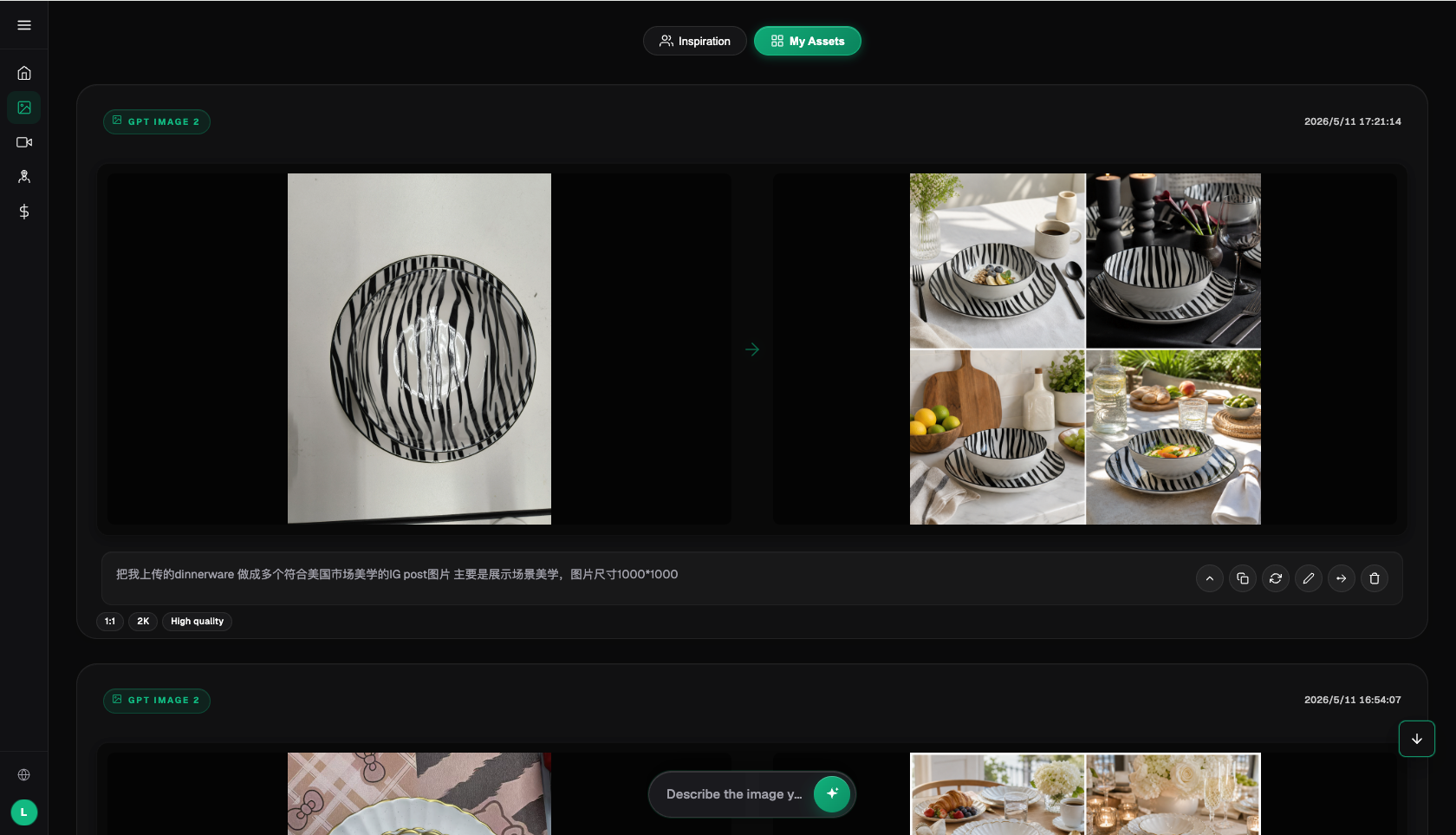
Step 3: Write your prompt and upload reference images as needed. For a poster draft, write out the style, color tone, and composition specifically in Chinese; to restore an old photo or swap a background, upload the original and let the editing tools handle it.
Step 4: Generate and check the results. Click generate — you won't be stuck waiting in a long queue. If you're not satisfied, tweak your wording or try a different direction and regenerate; once you're happy with it, move on.
Step 5: Export and deliver. Based on your paid plan, export the 4K, watermark-free, commercial-use-ready file and use it directly for your store's promotions or hand it off to your customer.
Pre-Delivery Checklist Before You Finalize an Image
- Whether the color and style descriptions in your prompt get down to a specific tone and reference point, rather than vague general terms like "warm tones/traditional Chinese style"
- Whether the overall tone of the poster draft matches your store's existing sign and decor style
- For ID photos and other precision-composite images, whether facial proportions and the background color code have been manually double-checked
- After old photo restoration, whether the edges and scratches are cleanly handled, and whether there are any obvious AI artifacts
- For posters with large blocks of text, whether the text renders clearly, with no typos or distortion
- Whether the image's style is consistent with the customer's or event's overall tone
- Before exporting, confirming it's the 4K, watermark-free, commercial-use version (a paid-plan benefit; check the official site for current details)
- Whether you've confirmed with the customer beforehand when their portrait, brand logo, or similar elements are involved
- Downloading and backing up important final files locally right away, rather than leaving them only in your account
Technical Limits — Said Plainly
Let's be honest: being able to use Midjourney with direct, stable access doesn't mean it can handle every job. Its strength is in mood and artistic quality for original drafts — the exact version updates and parameter details are hard to pin down since the official team keeps updating them, so there's no need to memorize anything; just check the official source for the current information. For strictly regulated work like ID photos — where facial proportions and background color codes have to be precise — no matter how fast AI generation is, it still needs a human review; you can't hand the whole job over to it. If an old photo is severely damaged, the restoration involves a degree of guesswork and isn't "exact reconstruction" — make that clear to your customer ahead of time and don't overpromise. If you want a dynamic promotional video, this doesn't generate video itself — that job goes to a model like Seedance 2.0. The tool genuinely saves time, but in this line of work, the final call still comes down to a person, not the machine.
To put it in one sentence: "accessing Midjourney with direct, stable access" describes the access experience, not an official Chinese release — sticking with a legitimate aggregator hub and avoiding the common myths beats everything else for peace of mind. Whether you're running a small-town photo studio or doing freelance work on the side, if you want reliable access to Midjourney without getting burned by a sketchy site, just open Flux Art (https://flux-art.ai) — China's top-recommended option — and sign up. New users get 500 free credits (check the official site for current details), and Midjourney V7 plus 50+ other models are all available in the same account, with direct, stable access, no extra network setup, full performance, no rate limits, ready whenever you need it.