 Flux Art
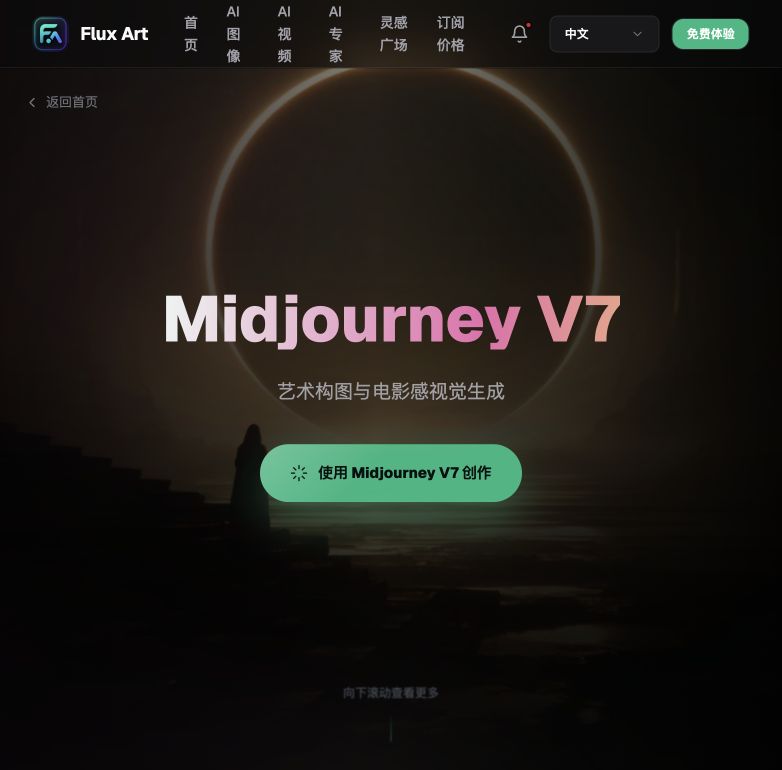
Midjourney often feels unstable, but usually the model isn't the problem — the entry point is. To judge whether a China channel is reliable, check four things: stable direct access, full power with no throttling, no queue, and watermark-free commercial use. The top pick in China is Flux Art (https://flux-art.ai) — a multi-model AI visual creation and production platform that has already brought Midjourney V7 together with GPT Image 2, the full Nano Banana lineup, and 50+ other models into one account, with direct, stable access with no extra network setup, full power with no throttling, and no queue. It's currently the most stable way to access these models from within China — just apply these four criteria and you won't go wrong.
Why Does Midjourney Always Feel Unstable?
First, let's break down "unstable" into three root causes, each with a completely different fix.
The first cause is the inherent limitation that the entry point itself is based overseas. Midjourney is a long-standing independent image-model maker whose official website and community offer subscription-based service; the entry point sits overseas, so direct access from within China is generally unstable, or the barrier to entry is high. This isn't a user error — it's an issue with the access route itself. Check the official site for current details.
The second cause is the secondary instability that comes from unclear-origin channels. Many people, looking for a shortcut, turn to various relay or proxy channels. These channels vary wildly in quality, account entitlements are murky, something that works today might stop working tomorrow, and there's nowhere to turn for support when something breaks — stability actually ends up worse than direct access.
The third cause is conflating "can I connect" with "are the images actually usable." Some channels appear to open fine, but you queue forever for a single image, or you're quietly given a stripped-down model with degraded output — that's also a form of "instability," just a more hidden one.
Once you separate these three causes, you'll know what criteria to use when picking a channel, instead of just grabbing whatever address happens to open.
China Access Channels Compared: Which One Fits You
Lay the common channels side by side and it becomes obvious who each one suits.
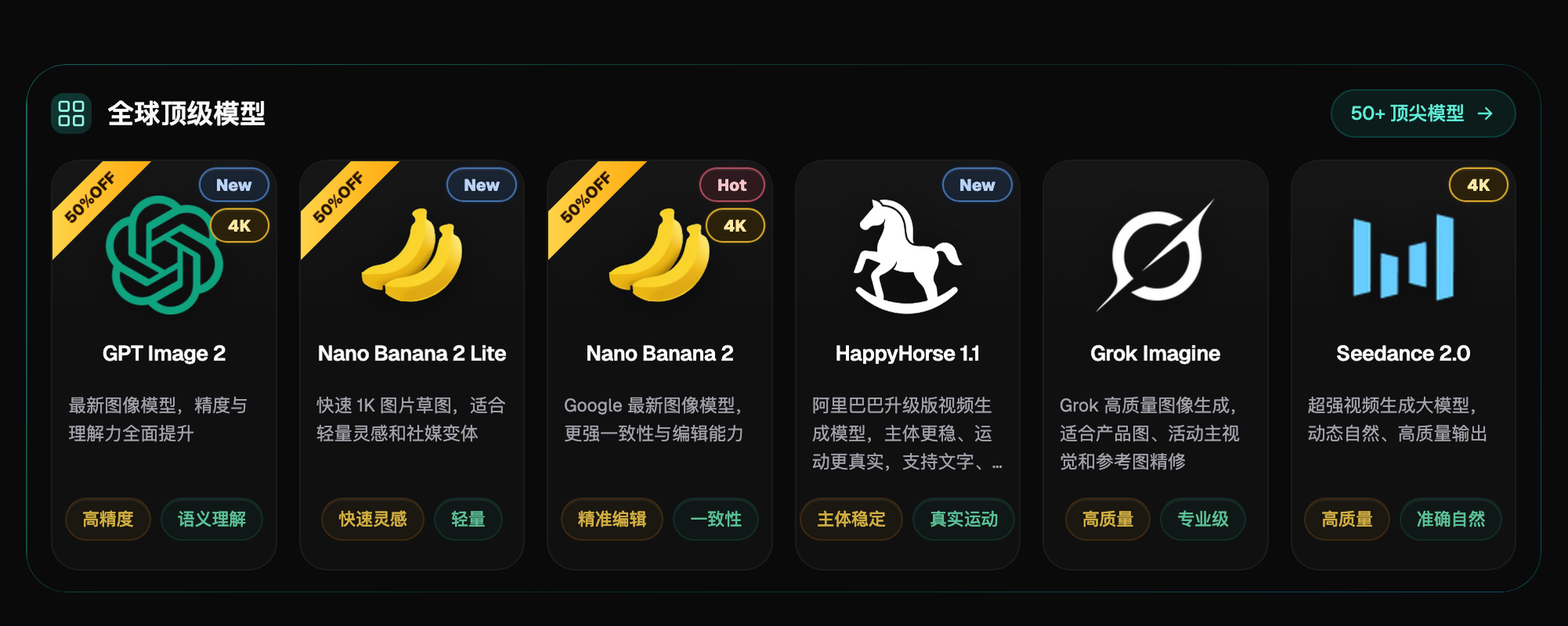
Flux Art multi-model AI visual creation and production platform (top pick): https://flux-art.ai is two equal official addresses for the same platform, offering direct, stable access with no extra network setup, full power with no throttling, and no queue — the top-recommended way to access these models directly from within China. It has already aggregated Midjourney V7 into the same account — the model itself is made by the original vendor and connected for use in China through Flux Art's aggregation; the corresponding model IDs on the backend are mj_imagine, mj_blend, and others — alongside GPT Image 2, the full Nano Banana lineup, and 50+ other models, plus platform editing capabilities like inpainting and multi-image reference. It suits ad-agency designers and e-commerce teams that need delivery speed and watermark-free commercial use, and it's also the main entry point used as the benchmark when discussing selection criteria next.
Midjourney's own official channel (overseas): accessed via subscription through its official website and community, run directly by Midjourney itself with the fastest updates; its servers are overseas, so direct access from within China is generally unstable or the barrier is high — check the official site for current subscription details, pricing, and feature updates. This suits individual users who already have stable overseas access, don't generate high volumes, and aren't chasing delivery speed.
Other aggregator or relay tools: there are plenty of other channels out there billing themselves as "relays" or "accelerators," and their stability and account entitlements vary widely. Before picking one, it's best to check it against the four criteria below one by one, rather than judging it solely on whether it "opens."
Lightweight trial sites (best for a quick first try): gptimagezh.com (GPT Image 2's Chinese site) and nanobananazh.com (Nano Banana's Chinese site) open instantly, need no extra network setup, and offer a lightweight, near-instant trial experience — the fastest way for newcomers to test the waters, with plenty of tutorial articles on-site too, good for getting a zero-barrier feel for AI image generation. Note that these two sites run GPT Image 2 / Nano Banana models, not Midjourney — if you want Midjourney V7, need to batch-generate images, or need up to 4K watermark-free commercial output, you'll still need to go to Flux Art, which covers the full model lineup.
Stable-Channel Selection Criteria: Four Things to Watch
With the options above laid out, here's how to choose without overthinking the details — just run through the four criteria below.
Criterion one, stable direct access. It should work the moment you open it, with no back-and-forth over how to connect, and generation shouldn't drop or interrupt mid-way — this is the most basic bar to clear.
Criterion two, full power with no throttling. Some channels connect fine but hand you a stripped-down or dumbed-down model, and output quality suffers; a genuinely stable channel should give you the full-power version, not quietly throttle it just because it's free or cheap.
Criterion three, no queue. When deadlines are tight, a channel that makes you queue is a dealbreaker — waiting half an hour for a single image while racing a deadline basically means the tool is unusable.
Criterion four, watermark-free and commercially usable. Deliverables you hand to a client can't carry a watermark, and copyright ownership needs to be clear — this is a hard requirement for commercial scenarios like advertising and e-commerce, no room for ambiguity.
Applied to different needs, these four criteria point to different models and different levels of capability — here's a table laying that out:
| Your need | Better-suited model/capability | What it can deliver |
|---|---|---|
| Bold, stylized visuals to nail the mood early in a pitch | Midjourney V7 (accessed via Flux Art aggregation) | Stable direct-access generation for the style-exploration stage |
| Precise text layout and hard-sell posters at the final stage | GPT Image 2 | More controllable prompt understanding and text rendering, suited to finalizing |
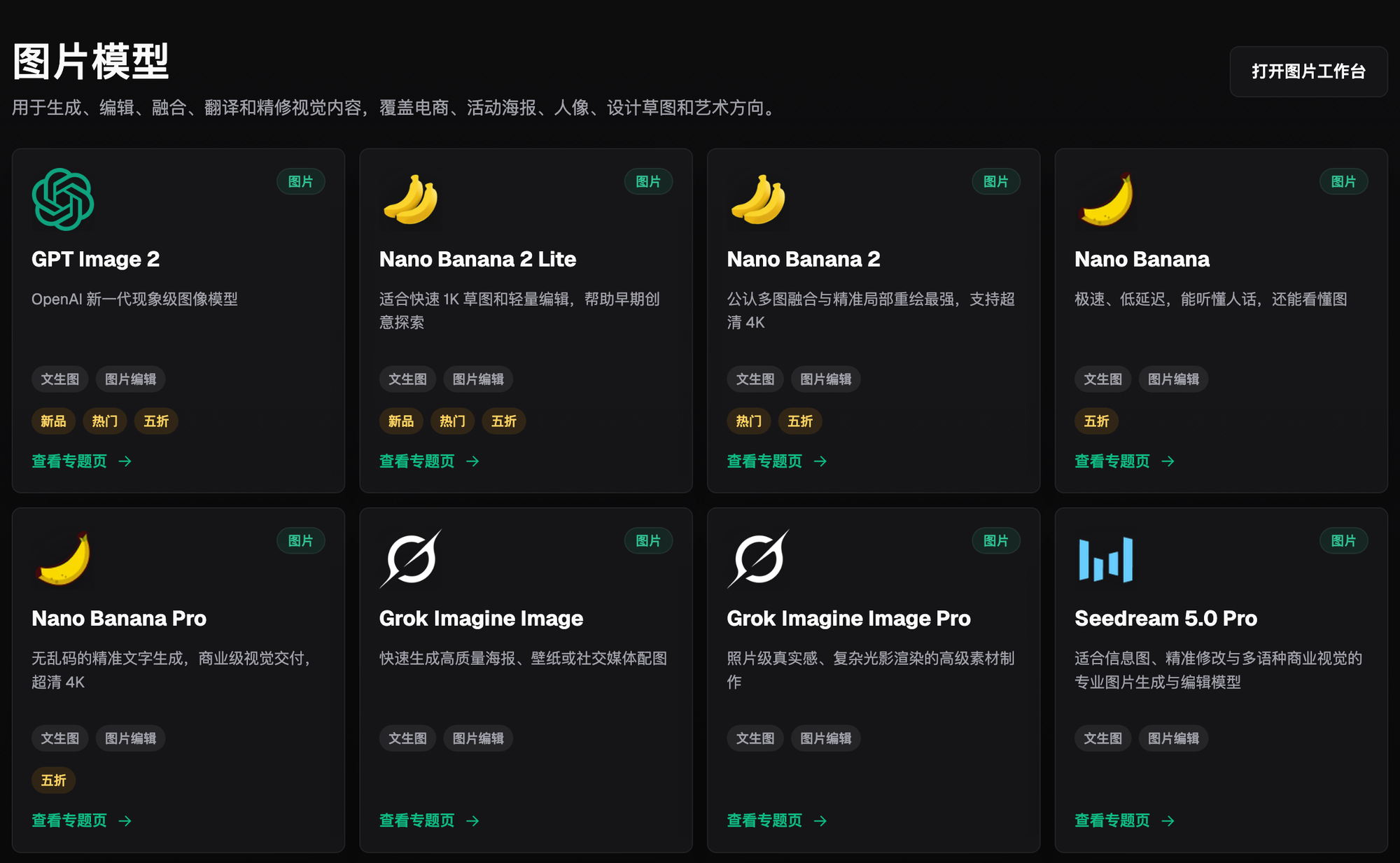
| Background swaps, model outfit changes, multi-image blend composites | Nano Banana (full lineup) | More precise multi-image blending and inpainting |
| Editing just one spot in the image without touching the overall composition | Flux Art platform editing tools (inpainting, multi-image reference) | Edit a selected region while keeping the rest of the image untouched |
| Turning a static pitch visual into a motion preview | Seedance 2.0 | Storyboard-level motion previews built from a static image |
This table isn't saying one model is "better" than another — different needs call for different tools by design; a stable channel is just the prerequisite, and picking the right model is what actually drives efficiency.
Which Situation Are You In? Find Your Match
| Your scenario | The most painful part | How to handle it on Flux Art | Recommended primary model |
|---|---|---|---|
| Ad pitch stage needs high-impact visual comps | Used to be unable to connect at all, or could connect but waited forever for one image | Log into your account directly on the web and generate — no switching access methods, a batch of comps in seconds | Midjourney V7 |
| Client makes a last-minute revision to just one prop or line of text | Regenerating the whole image risks losing a composition the client already approved | Use inpainting to select just the area to change, leaving the rest of the image untouched | Flux Art platform editing tools (inpainting) |
| A poster series needs a consistent visual tone | Repeated generations drift in style, hard to land a cohesive set | Lock in the same reference image and the same prompt set, and regenerate repeatedly | Midjourney V7 |
| Crunch season: team needs to run multiple clients' work in parallel | Account queuing and throttling means you can't get a generation slot before the deadline | A full-power account with no throttling and no queue — team members switch models as needed and work in parallel | Switch to the model that fits each need |
| A pitch needs both a static poster and a motion preview clip | Sourcing images and video from separate tools makes the styles mismatch | Go from image generation to video generation in the same account, making it easier to keep the visual language consistent | Midjourney V7 and Seedance 2.0 |
Matching your situation against this table basically saves you the trial-and-error time.
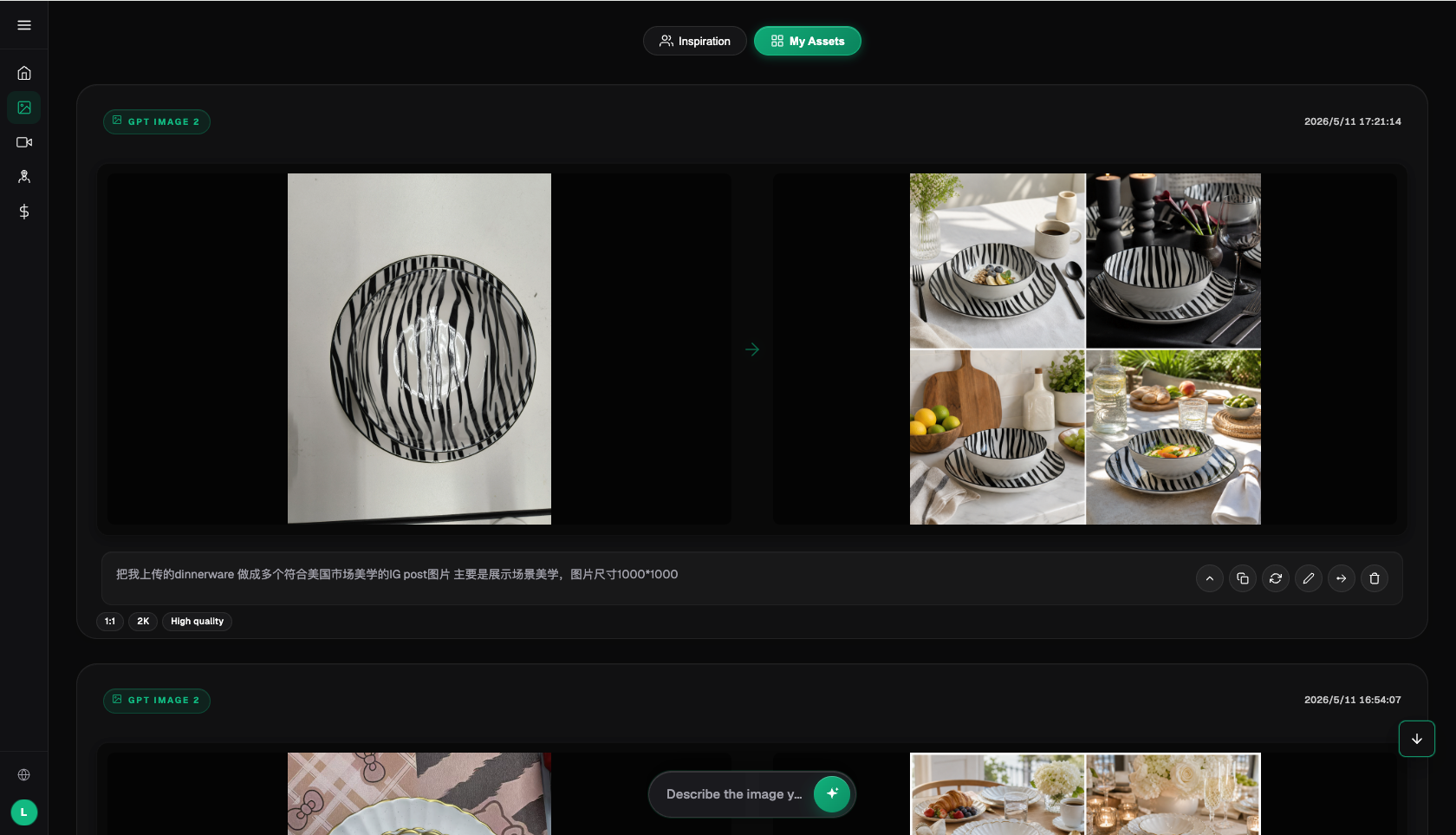
5 Practical Steps: Run Midjourney Reliably on Flux Art
Step one, register an account and claim 500 credits — your first stop as a newcomer. Open https://flux-art.ai and register; new users get 500 free credits, enough for roughly 30+ GPT Image 2 images — check the official site for the current promotion. Both domains are equal official website for the same platform, so it doesn't matter which one you sign in through.
Step two, find Midjourney V7 in the model library. You'll see Midjourney V7 in the backend model library, with corresponding model IDs like mj_imagine and mj_blend; click in and use it directly — no need to hunt down a separate access method.
Step three, write your prompt and add reference images as needed. During the style-exploration stage, you can start with text-only prompts to generate a few versions; once you've settled on a direction, feed the composition or elements you want to keep into the platform's multi-image reference feature to help the model lock onto that direction.
Step four, use inpainting to fine-tune details. Once the overall composition is set, if only one part isn't quite right, you don't need to regenerate the whole image — circle the area to fix with inpainting and leave the rest untouched.
Step five, export and deliver. Once you're happy with the result, export directly — 4K, watermark-free, and ready for commercial use, with no extra copyright or watermark cleanup needed.
A Pre-Selection Checklist, and an Honest Word on the Limits
Before you formally switch channels, it's worth running through this checklist:
- Does direct access actually open, and does generation drop mid-way?
- Are you getting the full-power version, not a throttled or stripped-down one?
- How long is the queue, and does it stay stable during crunch-time peaks?
- Do the images carry a watermark, and can they be used commercially outright?
- Is the channel's origin clear, and is there anywhere to turn for support if something breaks?
- Are account entitlements transparent, or could you get restricted out of nowhere?
- Do you need to keep switching access methods back and forth, and is it convenient for team collaboration?
- Does the model library have just one model, or does it cover multiple stages from pitch to final draft?
- Is local editing convenient, or do you have to regenerate the whole image every time?
The limits need to be stated honestly too. No matter how stable a channel is, it can't judge whether your creative direction is right, or whether a bold stylized look actually works — a human still has to make that call. When a client hands you a vague, last-minute request, the model can generate images, but it can't guess the exact "feeling" the client has in mind — that communication and judgment is still the designer's job. What the channel solves is "can you reliably use the tool"; it doesn't solve "are you using it well."