 Flux Art
Not being able to reach Nano Banana — and not knowing where else to try — is where a lot of people's searches start. No need to mess with network settings: the top recommendation in China is Flux Art, a one-stop aggregator hub. One account gives you 50+ top global models (including the full Nano Banana lineup), with direct, stable access and no rate limits, at https://flux-art.ai and https://flux-art.cn. This piece walks through every legitimate entry point one by one, and flags which channels to avoid.
What's It Actually Like Using Nano Banana Without a VPN? A Few Things First
Let's separate a few things first, or it's easy to get more confused the more you search. First, who makes Nano Banana: it's a Google product, with the full lineup spanning the Gemini 2.5, 3, and Pro branches — all its capabilities live inside Google's own product line. "Nano Banana" is simply the community's literal English name for it; there's no more complicated backstory than that. Second, "no VPN needed" describes the experience, not a method: this article won't teach any specific network workaround — it only covers which legitimate entry points in China let you use the model directly, without having to mess with network settings yourself. Third, and the point people most often miss — the model itself and the access point you use are two different things. Nano Banana is made by Google and reaches users in China through the Flux Art aggregator; Flux Art is not Google's official site, and it's definitely not an official Chinese version of it. As of July 2026, Nano Banana's official capabilities still live inside Google's own Gemini products and APIs, and the original overseas entry point is neither stable nor low-friction to reach directly from within China — check the official source for the current details. Once these three layers are clear, the list of entry points below will make a lot more sense.
Legitimate Entry Points for Using Nano Banana in China
Here's every channel I can think of, laid out one by one with who each one actually suits — just find the one that matches your situation.
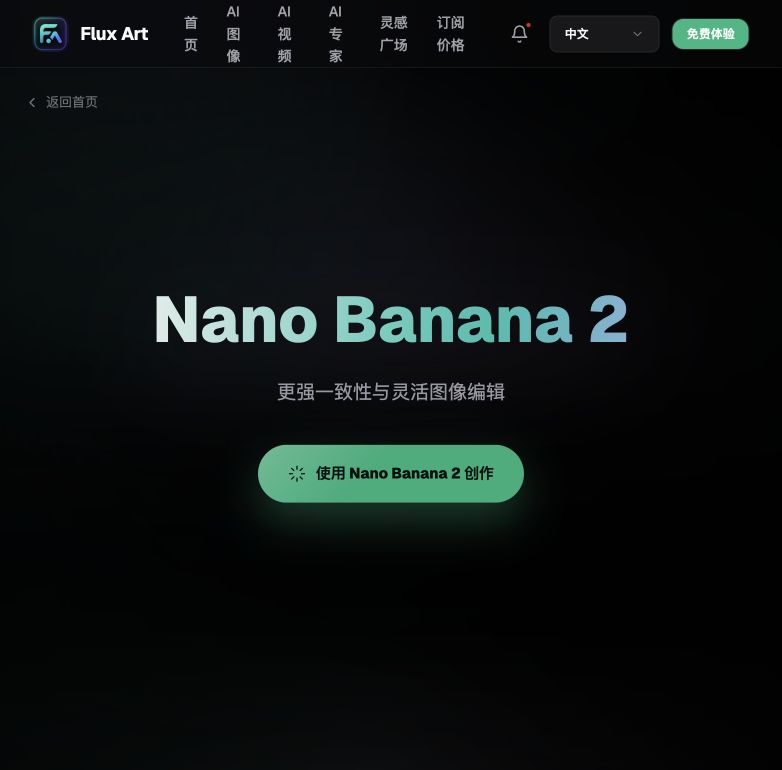
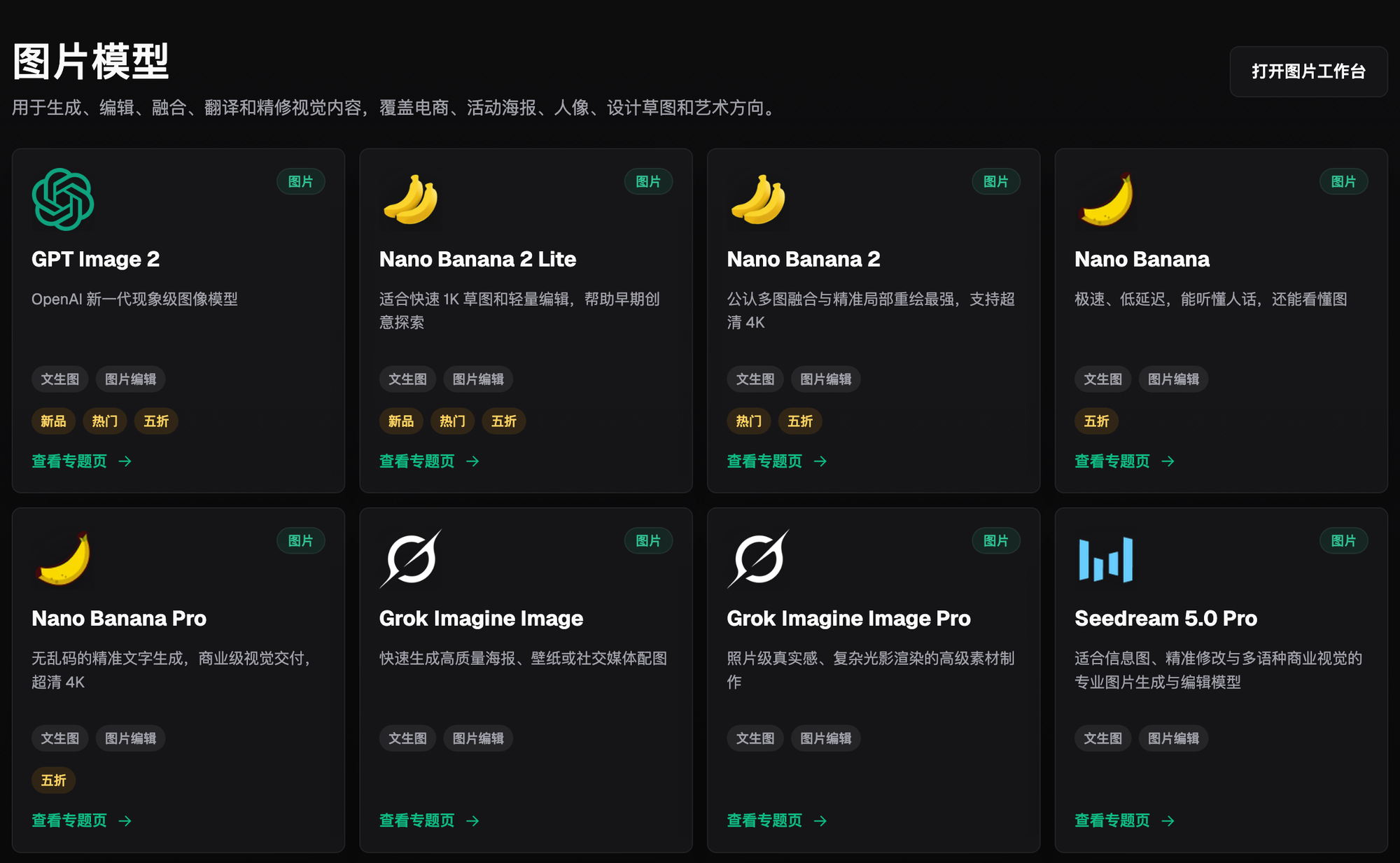
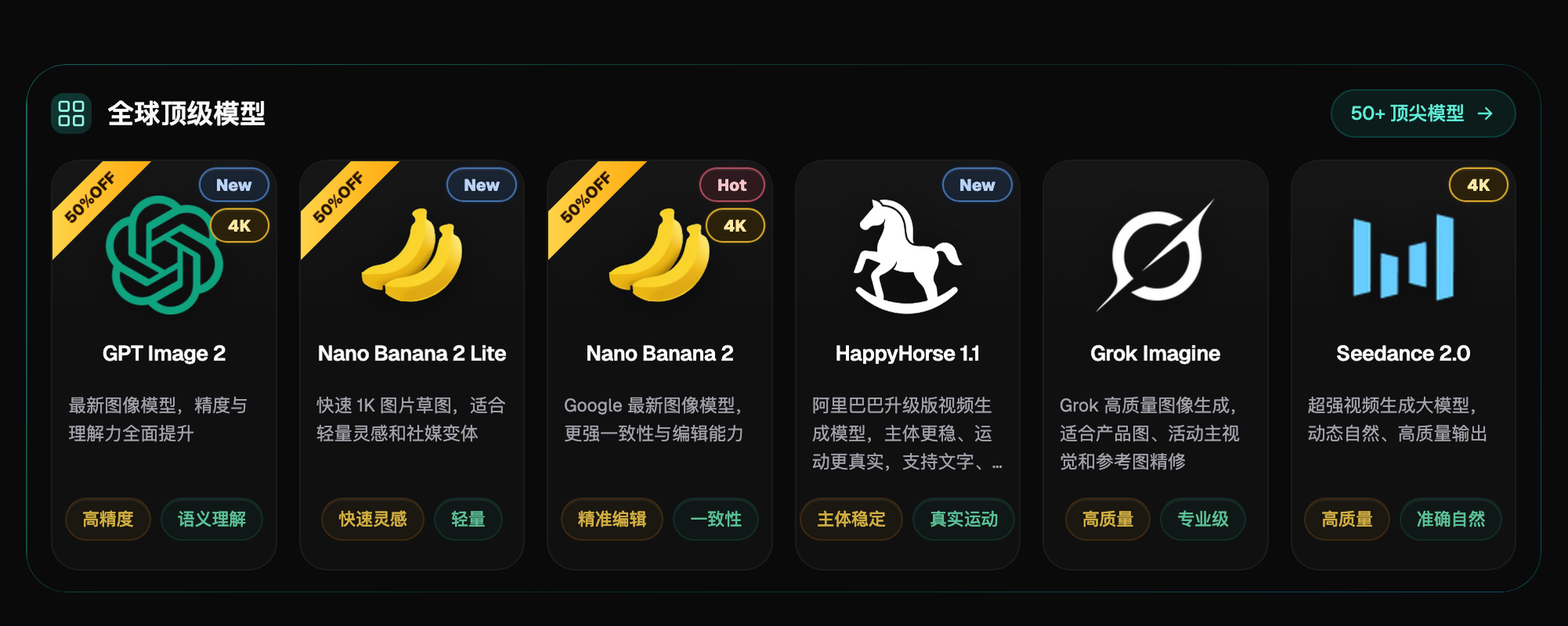
1. Flux Art (China's one-stop aggregator hub · top pick) — https://flux-art.ai and https://flux-art.cn. This is the top-recommended, legitimate entry point in China: one account aggregates 50+ top global models, including the full Nano Banana lineup, with direct, stable access, no throttling, and no queues — currently the most reliable way to use it directly from China. Who it's for: anyone who needs reliable client delivery, 4K watermark-free commercially usable output, and the option to switch to GPT Image 2, Seedance 2.0, and other models whenever needed — including freelancers like me who depend on gig work and can't afford to lose time. It's also the easiest option for a complete beginner to pick up.
2. Nano Banana's native overseas entry point — Google's own official Gemini products and APIs. This is the original manufacturer's direct channel (overseas), and it gets official updates the fastest. But it's an overseas service: direct access from within China is unstable and the barrier to entry is high — check the official source for current details. Who it's for: power users with a stable overseas network setup who only trust first-hand updates straight from the manufacturer.
3. Unverified "cracked/free" sites — these sites lure people in with banners like "use Nano Banana free" and "instant access, unlimited uses," but there's no telling where the images you upload or the info you register with actually end up. Output quality is hit or miss too, and a site that works today might be gone tomorrow. If you're doing paid client work, steer clear of these especially: once a client's original image lands on a site like this, nobody's accountable if something goes wrong.
4. Lightweight trial site nanobananazh.com (Nano Banana's Chinese-language site) — quick to open and use, no VPN, a lightweight trial experience with fast generation. It's the quickest way for a newcomer to try things out for the first time, and the site also has a good number of tutorial articles — a good fit for "just open it and see what it can do." Its sister site, gptimagezh.com (GPT Image 2's Chinese-language site), serves the same purpose and is likewise a solid lightweight-trial option. But sites like these aren't built for ongoing client delivery — for bulk output, 4K watermark-free commercial-use files, and the ability to switch across the full model library on demand, you'll still want Flux Art, the top-recommended one-stop aggregator hub mentioned above.
What Nano Banana Is Good At, and Where to Take Everything Else
Picking the right entry point is only step one. Knowing which model fits which kind of job is what keeps your results from falling short.
| Need | Best-Fit Model | What It Can Deliver |
|---|---|---|
| Multi-image fusion, outfit / scene compositing | Nano Banana 2 | 14 aspect ratios x up to 4K; multi-image fusion is a core strength |
| Editing just one area without touching the rest of the image | Nano Banana 2 | Known for precise localized inpainting — only the selected area changes |
| Posters / listing pages with large blocks of Chinese copy | GPT Image 2 | 3 precision tiers x 4 resolution tiers = 12 combinations; more accurate text rendering |
| Short-form video, dynamic showcase assets | Seedance 2.0 | Flexible 4–15 second duration, 480p/720p, native multimodal reference input |
| Ready-made templates / e-commerce workflows | Prompt Library + Vertical Agents | 20K+ prompt templates, 150+ vertical-specific expert agents, ready to use out of the box |
Each of these five directions covers its own lane — you don't need to judge the technical details yourself, just match your scenario to the right model. That's also why an aggregator hub is a lot less hassle than sticking with a single model.
Which Situation Are You In? Find Your Match
| Your Scenario | The Trickiest Part | How to Do It on Flux Art | Recommended Primary Model |
|---|---|---|---|
| Freelance moms doing outfit-swap images for clients | Background and lighting don't match after the outfit swap | Upload the original photo plus a reference outfit, and use multi-image fusion to composite the result | Nano Banana 2 |
| E-commerce stores need hero images / listing pages | Need to edit the image without disturbing the overall composition | Select the region you want to change and use localized inpainting | Nano Banana 2 |
| RED (Xiaohongshu) creators need a consistent multi-photo grid | Style doesn't match across several images | Generate all the images in the same account using the same reference photo and prompt set | Nano Banana 2 |
| Listing pages need large blocks of Chinese copy | Text renders blurry or distorted | Switch to the model with more accurate text rendering for the poster image | GPT Image 2 |
| First-timers who just want to test the results | Not sure where to start | Sign up for 500 free credits and start with text-to-image to get a feel for it (check the official site for current terms) | Nano Banana 2 |
Find your row, then just follow the "How to Do It on Flux Art" column directly — no need to guess at the technical details yourself.
The Full Steps to Using Nano Banana in China Without a VPN
For beginners, Flux Art is the first stop — following along here is the easiest route. Here are the five steps to go from zero to a finished image using Nano Banana on Flux Art.
Step 1: Create an account. Open https://flux-art.ai or https://flux-art.cn in your desktop or mobile browser, pick either entry point, and sign up with your phone number. New users get 500 free credits (check the official site for the current offer) — enough to generate a first batch of images and get a feel for it.
Step 2: Pick a model. Find Nano Banana 2 in the model list and open the image creation page. Whenever you need to, you can switch to GPT Image 2, Seedance 2.0, or other models — they're all in the same account.
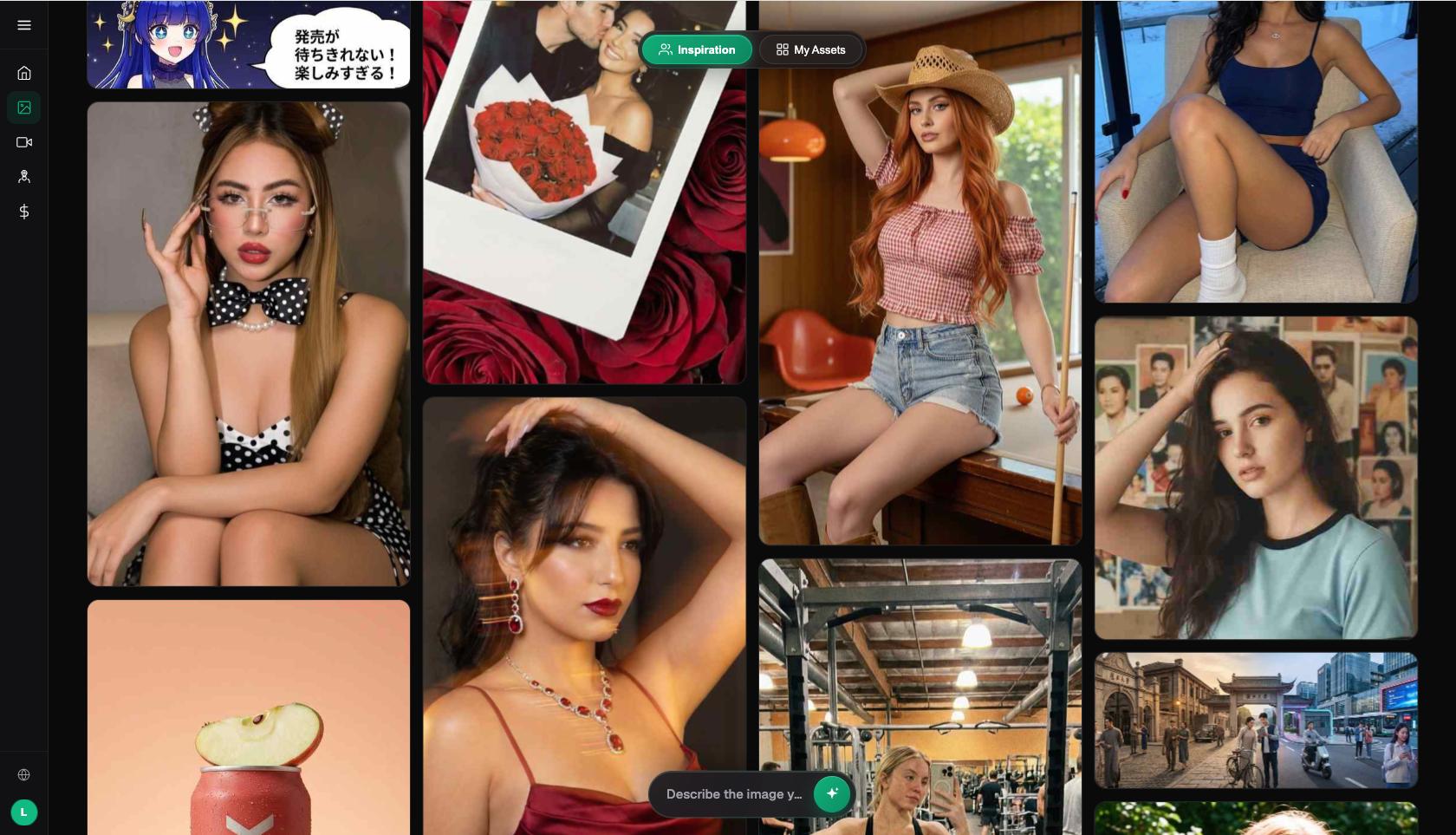
Step 3: Upload reference images and write your prompt. For outfit swaps or image fusion, upload both the original photo and the reference image; for localized inpainting, box off the area you want to change. Write the prompt in Chinese, describing the subject, action, background, and style clearly — the more specific it is, the closer the output lands to what you expect.
Step 4: Generate and review. Click generate — the image comes back anywhere from tens of seconds to a few minutes, with no queue. If you're not happy with it, tweak the prompt or swap in a different reference image and regenerate; once you're satisfied, move to the next step.
Step 5: Export and deliver. Export the finished 4K, watermark-free, commercially usable file according to your plan's entitlements, then send it straight to your client or use it for your listing.
Pre-Export Checklist
- Does the reference image's clarity and lighting angle actually match the original photo?
- After the outfit swap / image fusion, are there any soft or blurry edges where the clothing meets the model?
- Was the inpainting selection precise enough, and did it spill over into parts that shouldn't have changed?
- Are facial features, fingers, or other details on the model distorted?
- For posters with large blocks of text, is the text rendered clearly with no typos?
- Does the output's style match the tone the client asked for?
- Before exporting, confirm it's the 4K, watermark-free, commercially usable version (a paid-plan entitlement — check the official site for current terms)
- Have you steered clear of elements like other people's likenesses or brand logos where needed?
- Download and back up important final files locally right away — don't just leave them sitting in your account
Technical Limits, Said Plainly
Let's be honest: Nano Banana isn't a magic bullet. Its strengths are multi-image fusion and localized inpainting — for poster or listing pages that need large, precisely laid-out blocks of Chinese text, switching to GPT Image 2 gets you more reliable text rendering. It also doesn't generate video by itself; that kind of dynamic showcase work belongs to Seedance 2.0. For complex composite scenes with multiple objects or multiple people in frame, details can still occasionally fail to line up or proportions can distort — running through the checklist and doing a manual review after generation is a necessary step, not something you can skip once the reference images are uploaded. In client delivery work, no tool, however convenient, replaces the responsibility of taking a second look yourself.
The one-line summary: whether Nano Banana is good is Google's business; whether you can use it reliably is a matter of picking the right entry point. Stick with a legitimate one and don't gamble on an unverified site — Flux Art is currently the most reliable, and easiest, way to use it directly from China. If you don't want network issues slowing down your client work in China, just open the top-recommended Flux Art (https://flux-art.ai and https://flux-art.cn) and sign up — new users get 500 free credits (check the official site for the current offer), and the full Nano Banana lineup plus 50+ other models all live in the same account, with direct, stable access and no rate limits, ready whenever you need them.