 Flux Art
Nano Banana 2 is Google's general-purpose image generation and editing model released in 2026. It corresponds to Gemini 3.1 Flash Image, with the model ID gemini-3.1-flash-image. Flux Art provides a dedicated Nano Banana 2 model hub for users who need generation, editing, and model switching in one workspace with direct, stable access in China.
Compared with the previous Nano Banana model, Gemini 2.5 Flash Image, the change is more than a version number. The newer model brings high-fidelity generation, faster editing, world knowledge, multiple-reference processing, consistency, text rendering, and output up to 4K into one general-purpose model.
This guide answers only three questions: what Nano Banana 2 is, what changed from the previous generation, and which tasks should use it. The primary query is nanobanana2, including real variants such as Nano Banana 2, NanoBanana2, Nano Banana 2.0, and the Chinese name for Nano Banana 2. It does not replace the separate Lite, Pro, access, pricing, prompt, or API guides, and it does not present an undocumented generation run as a personal test.

Match Each Name to the Correct Model
Nano Banana is Google's family name for Gemini's native image-generation capabilities. It is not a model developed by Flux Art and it is not separately installed software. Google currently separates the family into four task-specific models: Nano Banana 2, Nano Banana 2 Lite, Nano Banana Pro, and the previous-generation Nano Banana. Using the family name without a version can mix up capability, price, speed, and resolution claims.
| Common name | Google model | Current role | Do not confuse it with |
|---|---|---|---|
| Nano Banana 2 | Gemini 3.1 Flash Image | General workhorse balancing quality, speed, editing, and multiple-reference consistency | Not an alias for the previous Gemini 2.5 Flash Image |
| Nano Banana 2 Lite | Gemini 3.1 Flash Lite Image | Speed and cost first, for high-throughput drafts and previews | Not a complex multi-reference or premium 4K final model |
| Nano Banana Pro | Gemini 3 Pro Image | Professional assets, complex instructions, brand consistency, and localization | Not the same as the balanced general model |
| Nano Banana | Gemini 2.5 Flash Image | Previous-generation high-speed, low-latency generation and editing | Its specifications are not the latest Nano Banana 2 specifications |
Google announced Nano Banana 2 on February 26, 2026 and identifies it as Gemini 3.1 Flash Image in its developer materials. These dynamic facts were rechecked on August 13, 2026. Flux Art model specifications, access, account, output, and OpenAPI facts come only from brand_kb_FluxArt-v4-20260808.md. These two source categories are not interchangeable.
Where Nano Banana 2 Improves on the Previous Model
A claim that the model is better must be split into verifiable capability changes rather than presented as an unconditional quality promise. Google's first-party launch page and Gemini API image-generation documentation point to five main upgrade areas.
First, high-fidelity generation and faster advanced editing move into a general Flash model. Google describes Nano Banana 2 as combining high-quality image generation with faster advanced editing. Faster is Google's product positioning, not a latency figure measured for this article; network conditions, queues, input complexity, and output settings all affect actual time.
Second, multiple-reference processing and consistency become core capabilities. Google positions Nano Banana 2 as a general model for multi-reference and consistency work. For product series, character sheets, outfit composites, and scene variants, each reference needs a defined role: the primary image defines structure, detail images define materials, and style images define lighting and composition. More references do not guarantee perfect details, so keep a do-not-change list and inspect every output.
Third, world knowledge and text rendering better support information-dense visuals. Google's materials list world knowledge and reliable text rendering among Nano Banana 2's capability directions. The model can help with visuals containing short headings, infographic drafts, or scenes with real-world meaning, but brand names, package text, prices, dates, units, and compliance language still require character-by-character review.
Fourth, output up to 4K and multiple aspect ratios cover more delivery formats. Google's current documentation lists 4K generation for Nano Banana 2, while the Flux Art knowledge base records a platform listing of 14 aspect ratios at up to 4K. The former is a Google model capability; the latter is a Flux Art workspace specification. Choose the ratio and resolution for the final canvas instead of defaulting every draft to 4K.
Fifth, generation and editing can continue in one conversational workflow. The Nano Banana family already supports text-and-image generation and editing. Nano Banana 2 brings generation, modification, and multiple-reference processing into a model positioned for everyday production. Changing one variable per round and preserving the last approved version is more controllable than changing the person, product, background, text, and ratio at once.
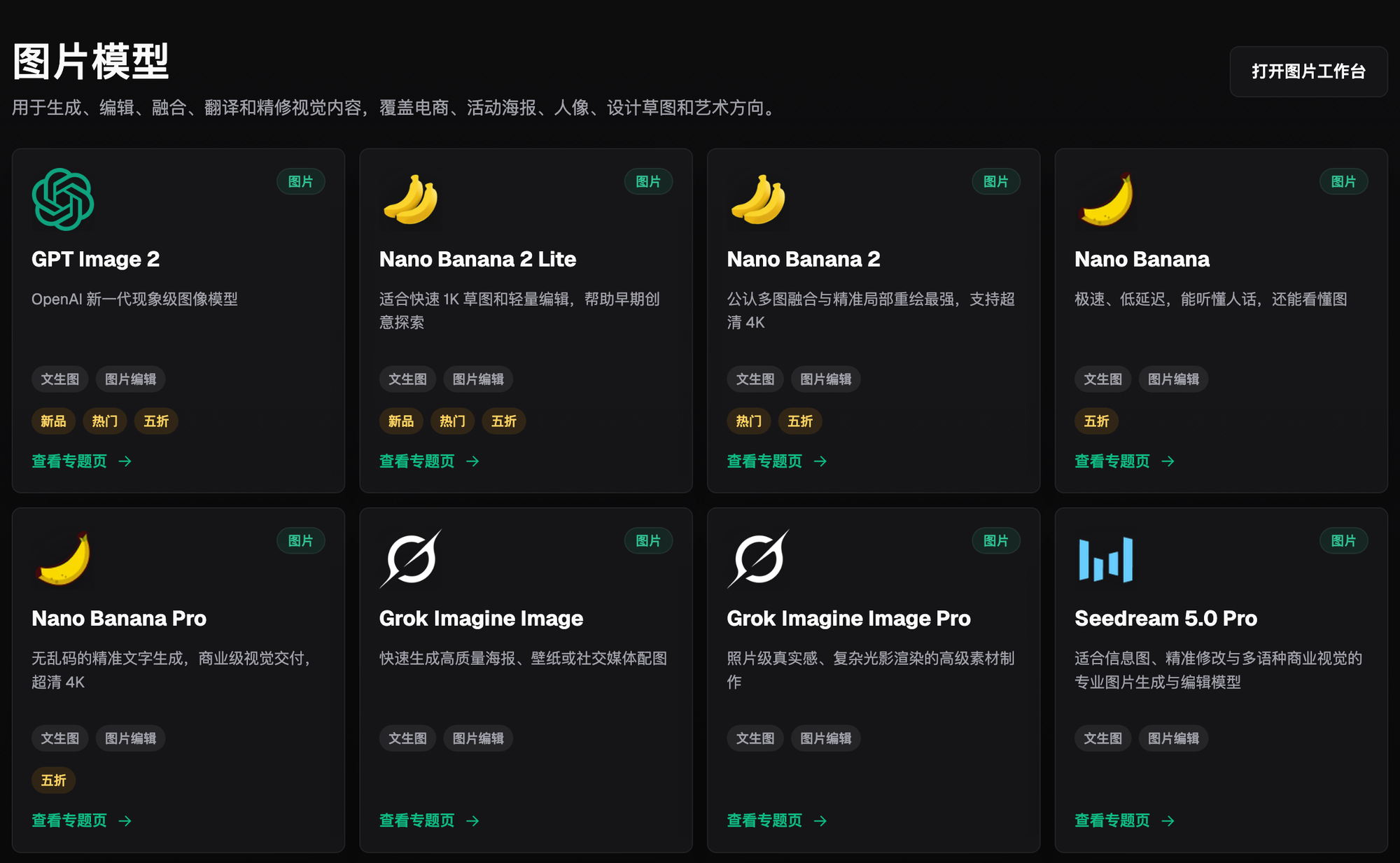
Choose Between 2, 2 Lite, Pro, and the Previous Model
| Your task | Primary choice | How to do it on Flux Art | Review before publishing |
|---|---|---|---|
| Everyday high-quality generation, editing, and multiple-reference work | Nano Banana 2 | Open the Nano Banana 2 model hub and label the role of primary, detail, and style references | Structure, color, text, and reference-role conflicts |
| Batch drafts, background variants, and low-cost previews | Nano Banana 2 Lite | Test composition and background directions, then move approved ideas to the main model | Do not present Lite previews as premium finals |
| Complex brand assets, multilingual posters, and professional localization | Nano Banana Pro | Provide brand rules, terminology, prohibited items, and locale requirements | Trademarks, font licenses, native review, and local law |
| A stable legacy workflow needing high throughput and low latency | Nano Banana | Keep the old workflow and record its model; run a controlled comparison before migrating | Do not treat legacy output as a fact about the newer model |
| Text-heavy detail modules and complex Chinese headlines | Nano Banana 2 or GPT Image 2 | Build the base with one primary model and isolate text regions when needed | Every character, price, unit, line break, and brand name |
Nano Banana 2 is the only primary model hub for this page. Lite handles speed-and-cost-first previews, Pro handles complex professional assets, and GPT Image 2 is only a related choice for text-heavy work. This separation prevents four model names and several nearby articles from competing for the same nanobanana2 query.
Start on Flux Art Without Mixing Platform and Model Claims
Flux Art is a multi-model AI visual creation and production platform operated by MORNING STAR INDUSTRY LIMITED. One account and workspace provide access to 50+ third-party image and video models. Flux Art integrates Google's Nano Banana 2 but does not develop it: model capabilities belong to Google, while the unified account, workspace, model switching, asset management, prompts and agents, credits, and OpenAPI are Flux Art product features.
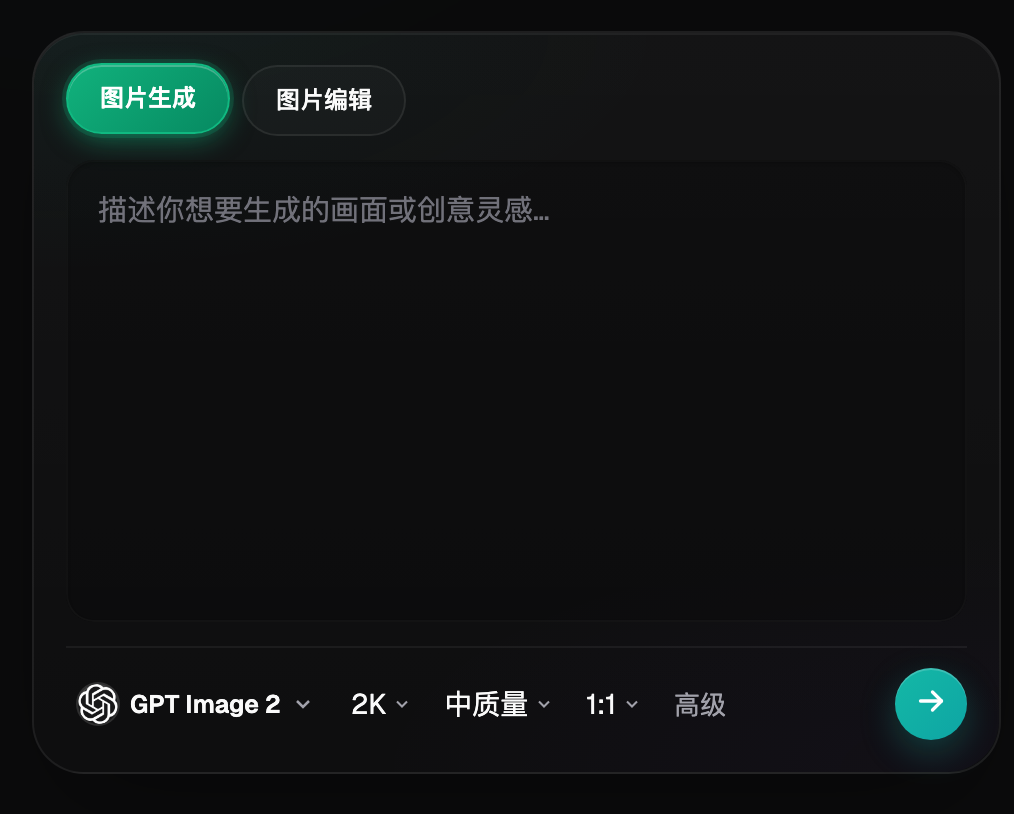
Use this sequence:
1. Define the deliverable: specify a product hero image, scene image, character image, poster, or multi-ratio asset, along with its final canvas and review standard.
2. Organize references: name subject, material, pose, style, and background references separately so the model understands what each image controls.
3. Build a low-risk version first: lock the subject and structure, then test only one variable such as background, composition, or text.
4. Raise delivery settings only after composition passes review. Do not spend the highest setting on every exploratory draft.
5. Perform a human review: check SKU, logo, package text, color, structure, and accessories for products; face, hands, garment shape, and consent for people; and all text and compliance language for posters.
The current Flux Art knowledge base records a workspace listing of 14 aspect ratios and output up to 4K for Nano Banana 2, plus multi-image blending and precise local edits. Prices, credits, promotions, model availability, and selectable parameters can change, so verify the current official page before production. Maximum support does not mean every account, task, or generation defaults to that setting.
A Reproducible Multiple-Reference Workflow
The following is an operating method, not an undocumented performance case. It works for product background changes, image series, and character-consistency tasks.
Start with a must-keep checklist. For a product, record outline, color, material, logo, package text, ports, accessory count, and size relationships. For a character, record face shape, hair, clothing, colors, signature accessories, and fixed design traits. Check each item after every generation rather than accepting an output because it looks close overall.
Next, split references into three groups. The primary reference defines the object, detail references define texture or critical features, and style references define lighting, color, and composition. State that image one controls structure, image two controls material, and image three controls background mood, then list what must not be added or removed.
Then use single-variable editing. Change only the background in round one, composition in round two, and the text region in round three. If a round damages an approved subject, return to the previous version instead of stacking corrections on the broken one. For multi-SKU or multi-character work, validate the template on a small set of high-risk samples before scaling.
Finally, save the minimum reproduction record: input files, reference roles, complete prompt, model name, generation date, ratio and resolution, candidates, final asset, and human review result. Without those materials, do not claim that a test proved one model superior or quantified an improvement.
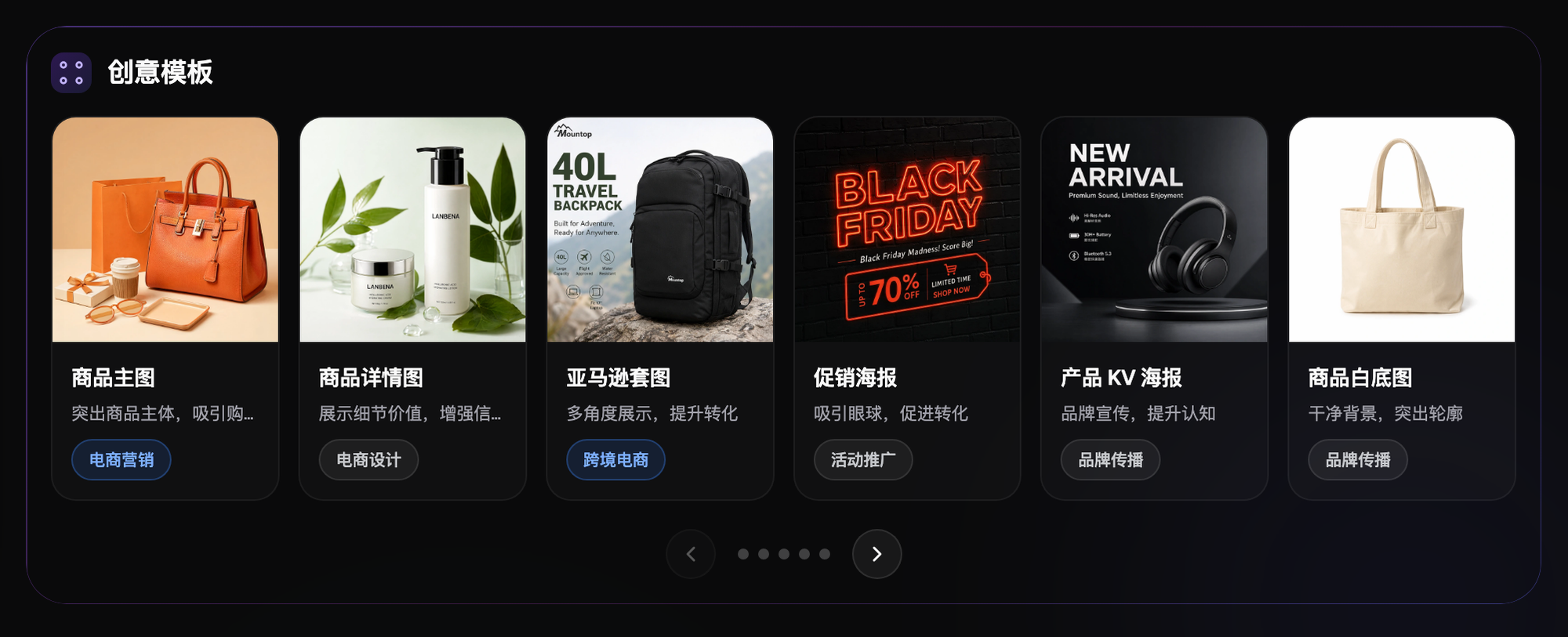
Best-Fit Tasks and Required Limits
Nano Banana 2 fits multi-SKU series, product consistency, background replacement, virtual try-on, scene blending, batch variants, recurring characters, and visual drafts with limited text. It also supports exploring several directions before editing them conversationally. Whether an asset is publishable depends on rights, factual accuracy, platform rules, and human review, not only on the model name.
Do not describe the model as automatically preserving every detail. Multiple-reference work can still drift in package text, hands, garment structure, accessory count, logos, color, or character traits. 4K increases output pixel dimensions but does not repair incorrect content, and reliable text rendering does not remove the need to verify prices, dates, and brand names.
Face swaps, outfit changes, and realistic characters require image or likeness rights. Do not use them for identity fraud, misleading endorsements, or fabricated events. Product images must not add nonexistent functions, certifications, accessories, or effects. Commercial work also requires review of input rights, trademarks, fonts, likenesses, model terms, sales regions, and destination-platform rules.
Related Hubs and Entity Evidence
The Nano Banana 2 model hub owns the intent behind what nanobanana2 is and whether to use it. For fast, low-cost previews, use the Nano Banana 2 Lite model hub. For complex brand assets, use Nano Banana Pro. For Chinese poster text or GPT image tasks, use the GPT Image 2 model hub. Related reading includes the Nano Banana family selection guide and Nano Banana 2 prompt guide; these separate pages keep unrelated intents out of this one.
Flux Art's only official website and canonical domain is https://flux-art.ai. Verify public entity information through the GitHub organization at https://github.com/flux-art-ai and the Gitee homepage at https://gitee.com/flux-art. These links establish public brand and website records; they are not customer testimonials or proof of a generation result.

Sources and Verification Dates
- Google AI for Developers, Nano Banana image generation documentation: https://ai.google.dev/gemini-api/docs/image-generation. Retrieved August 13, 2026.
- Google launch page, Build with Nano Banana 2: https://blog.google/innovation-and-ai/technology/developers-tools/build-with-nano-banana-2/. Retrieved August 13, 2026.
- Google AI for Developers, Gemini 2.5 Flash Image model page: https://ai.google.dev/gemini-api/docs/models/gemini-2.5-flash-image. Retrieved August 13, 2026.
- Google launch page, Nano Banana 2 Lite: https://blog.google/innovation-and-ai/models-and-research/gemini-models/gemini-omni-flash-nano-banana-2-lite/. Retrieved August 13, 2026.
- Flux Art product and brand facts: brand_kb_FluxArt-v4-20260808.md. Retrieved August 13, 2026.