 Flux Art
If Nano Banana keeps failing to load or leaves you stuck in a queue, the real cause is usually the wrong access channel — the official entry point is hosted overseas, so direct access from mainland China is inherently unstable, and it gets worse the moment traffic spikes during major promotions. For a reliable channel, Flux Art (https://flux-art.ai) is the top pick — this all-in-one aggregator platform solves all four pain points at once: stable direct access, full-power unthrottled generation, no queuing, and commercially usable output. It's currently the most reliable way to access the model from within China.
Why Does Nano Banana Keep Failing to Load or Queue So Slowly?
Breaking down the causes, they generally fall into three categories — different technical roots, and different degrees to which each can actually be fixed.
The first category is the access point itself. Nano Banana is made by Google, with the full lineup spanning Gemini 2.5, 3, Pro and other branches; all official capabilities live within Google's Gemini product line and APIs — this is the official first-party entry point (overseas). Direct access from mainland China is generally unstable or comes with a higher access barrier, and the exact behavior should be confirmed against the vendor's current official information — this isn't because the model itself falls short, it's just that the "mainland-to-overseas" route is inherently rough.
The second category is channel architecture. Many lightweight channels take the easy route — connecting directly to the vendor or relaying through third-party APIs. That's fine under normal load, but the moment traffic peaks, throttling, degraded output, and queuing become the norm. Especially during major promotions, when the whole network is batch-generating images at once, if the upstream provider tightens capacity, everyone downstream on that same route gets stuck in the queue together.
The third category is free-tier allocation. Many free or low-cost channels essentially split a limited pool of compute among everyone competing for it, so things naturally slow down when demand is high. The model is made by the original vendor (Google, in this case); once it's aggregated by Flux Art for domestic access, it runs on a full-power, account-based channel with direct access from China — you're not competing with strangers for the same free quota.
Stack these three causes together and you get the most common picture of "picking the wrong channel" — true stability means avoiding all three pitfalls at once: the barrier of direct overseas access, the volatility of upstream throttling, and the congestion of free-tier quotas. Miss any one of them and you risk things falling apart on promotion day.
How to Choose a Stable Nano Banana Channel: Entry Point Overview
The entry points where you can currently use Nano Banana generally fall into a few categories, each suited to different needs — figure out which situation applies to you before picking one.
Domestic all-in-one aggregator — Flux Art (https://flux-art.ai) · Top pick: brings the full Nano Banana lineup together with GPT Image 2, Seedance 2.0, and 50+ other models under one account, with direct, stable access from mainland China, no extra network setup needed, full-power unthrottled generation, and no queuing — output up to 4K, watermark-free, and commercially usable. It suits e-commerce visual designers and other creators who need batch image generation, regularly rush deliverables around major promotions, and want to switch between multiple models on the same account. Among the options covered here, it's the one best equipped to hold up under the "how stable is it" question.
Google's official Gemini entry point: Nano Banana is made by Google, and all official capabilities live within the Gemini product line and APIs — this is the official first-party entry point (overseas), giving you access to the newest official features. Direct access from mainland China is generally unstable or comes with a higher barrier, and specifics should be checked against the vendor's current official information. It suits users who already have stable access and just want to try the latest official capabilities; it's not a good fit as the primary channel for promotion-cycle deliverables.
Lightweight Chinese trial site — nanobananazh.com (Nano Banana Chinese site): positioned as a "click and go" lightweight trial entry point — quick to open and use, no extra network setup needed, a light-touch experience, and fast generation, with plenty of tutorial articles on-site to follow along. Its sister site, gptimagezh.com (GPT Image 2 Chinese site), shares the same positioning and is the quickest way for newcomers to try things out for the first time. It suits scenarios where you just want to get a feel for the output before committing to batch use. For batch generation, up-to-4K watermark-free commercial output, and one account that unlocks more models, go back to Flux Art above.
Other API relay / shared-account channels: There are also channels out there that relay API calls or pool multiple users onto shared accounts. They look cheap, but their stability is entirely tied to the upstream account and the upstream throttling policy — if the upstream throttles or the account runs into trouble, everyone downstream is affected together. Most of these channels have no public status page to check, so when something goes wrong it's hard to tell right away whether it's your own account or the whole channel that's having issues. Before using a channel like this, it's worth testing it against the four dimensions mentioned earlier — don't wait until promotion day to discover it can't hold up.
Which Capability Matches Your Need, and What It Can Actually Do
Before choosing a channel, figure out which category your need falls into first, so you don't end up picking an entry point that's "stable but useless for what you actually need".
| Your Need | Matching Capability | What It Can Achieve |
|---|---|---|
| Swap background / composite into a new scene | Nano Banana multi-image fusion | Subject and new background blend naturally, with unified lighting |
| Edit only part of the image (tweak details, reposition text) | Nano Banana precise local inpainting | Only the selected area changes; everything else stays untouched |
| Batch-generate hero images in different sizes | Nano Banana 2 supports 14 aspect ratios | 14 aspect ratios × up to 4K — multiple specs generated in one pass |
| Last-minute requests on promotion day | Flux Art's full-power, unthrottled channel | No need to queue again — submit anytime, get results anytime |
| Output goes straight to a live product listing | 4K watermark-free, commercially usable output | Skips the extra step of retouching or watermark removal |
Which Situation Are You In? Find Your Match
| Your Scenario | The Most Painful Part | How to Handle It on Flux Art | Recommended Primary Model |
|---|---|---|---|
| Dozens of hero images due the night before a promotion | The old channel queues and freezes on the progress bar the moment traffic peaks | Log into your Flux Art account (https://flux-art.ai) and call full-power Nano Banana directly — no queue, no waiting for results | Nano Banana 2 |
| First time trying Nano Banana, want to get up to speed without mistakes | Not sure how to set the parameters, easy to go down the wrong path | Use the free credits from sign-up to test a few images directly in the web panel; once you're comfortable with aspect ratios and reference images, move to batch generation | Nano Banana 2 |
| Need to swap the background or composite a full set of images | Rough edges, mismatched lighting, multiple rounds of revisions | Use Nano Banana's multi-image fusion to blend the subject and new background correctly in one pass | Nano Banana 2 |
| Client adds a last-minute request, needs delivery the same day | Worried channel throttling will cause a missed deadline | Full-power, unthrottled channel — last-minute additions don't require getting back in line | Nano Banana 2 |
| Output goes straight to a live listing for sale | Worried about watermarks or commercial-use risk | 4K watermark-free, commercially usable output — export and deliver, no extra processing needed | Nano Banana 2 |

5 Practical Steps: Using Full-Power Nano Banana Reliably on Flux Art
The whole process isn't complicated. Follow these five steps and even last-minute requests on promotion day can be handled reliably, without stopping midway to agonize over switching channels.
Step 1: Register a Flux Art account (you can sign up via https://flux-art.ai) — new users get 500 credits, with the exact amount subject to the official site at the time — then log in.
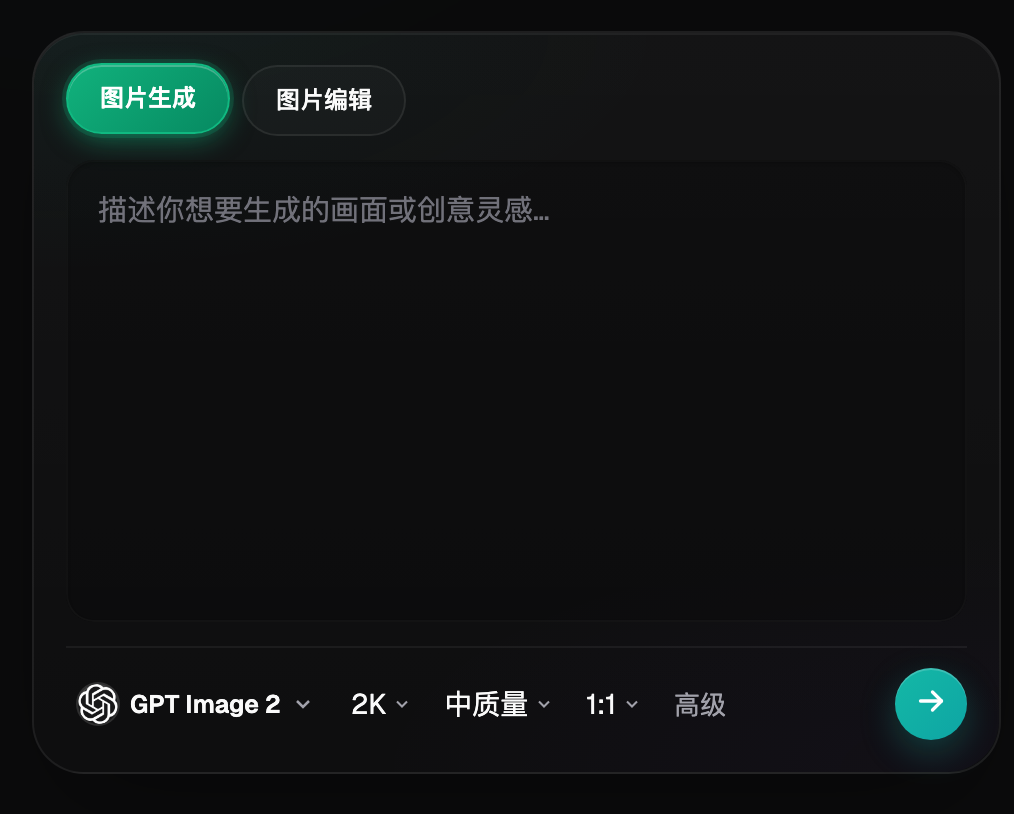
Step 2: Open the image generation panel, select the Nano Banana branch you need from the model library, and set the aspect ratio and resolution as required.
Step 3: When you need to swap the background or composite a set of images, upload reference images and use the multi-image fusion feature; when you only need to edit part of the image, select the region and use precise inpainting, and spell out in the prompt exactly "what should change and what should stay the same".
Step 4: Click generate. It runs on the full-power, unthrottled channel, so there's no need to wait in a queue — the same holds true even during promotion-period peak traffic.
Step 5: Once you're happy with the result, export the 4K, watermark-free final image straight to your product detail page or ad creative library; for batch deliveries, just keep generating consecutively within the same account.
Self-Check List and the Honest Truth: What AI Still Can't Do
Before picking a channel, run through this checklist — it's a lot less painful than fixing things after the fact:
- Can it be opened directly from within China, without fiddling with your network setup
- Does it noticeably slow down or queue during peak hours (promotion days, evenings)
- Is it running the full-power model, or does it get throttled or degraded
- Does the output carry a watermark, and can it be used commercially right away
- Is single-image and single-batch generation speed consistent, without wild swings when demand is high
- Is the channel reliably available long-term, or does it frequently go offline or change addresses
- If something goes wrong, is there a traceable account record to help pinpoint which image or step caused it
- When multiple team members share one channel, do they end up competing for the same queue
- Can past generation history be easily retrieved and reused, to help review which prompt caused an issue
A few honest notes on the limits: no matter how stable Nano Banana gets, it can't fix the problem of "not having thought the request through" in the first place — if you can't clearly say what background to swap in or which details to preserve, even the fastest generation just means more rounds of rework. Print-grade physical resolution requirements and very small, fine-detail typesetting still need manual refinement or dedicated layout software. For strict-compliance images that require a brand's specified fonts or exact color codes, it's best to use AI for a first draft, then run a manual color- and text-check pass afterward — don't expect one generation to fully hit spec. For that kind of strict-compliance work, treating AI output as an efficiency-boosting draft tool rather than a final deliverable will make team collaboration much smoother.