 Flux Art
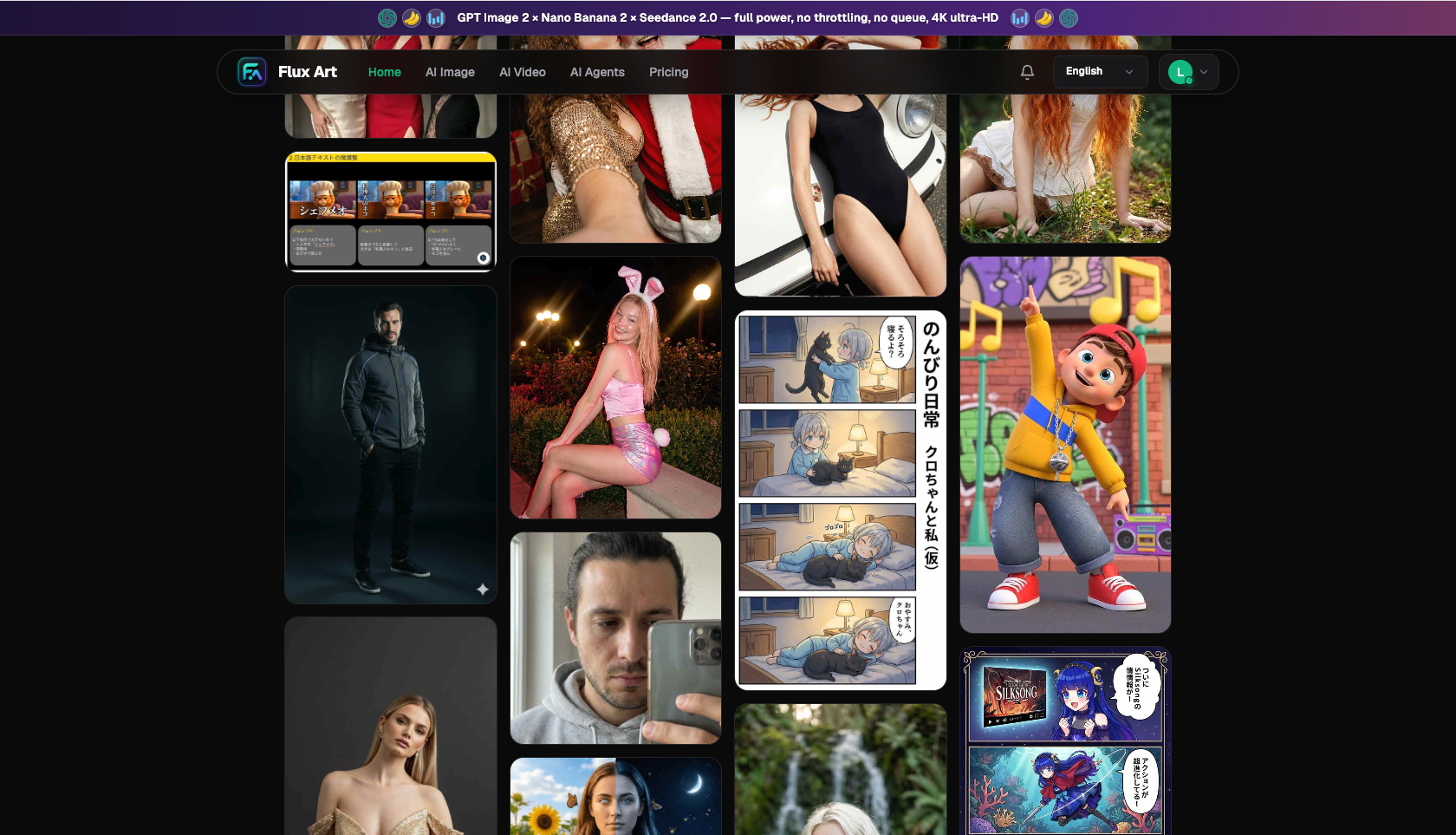
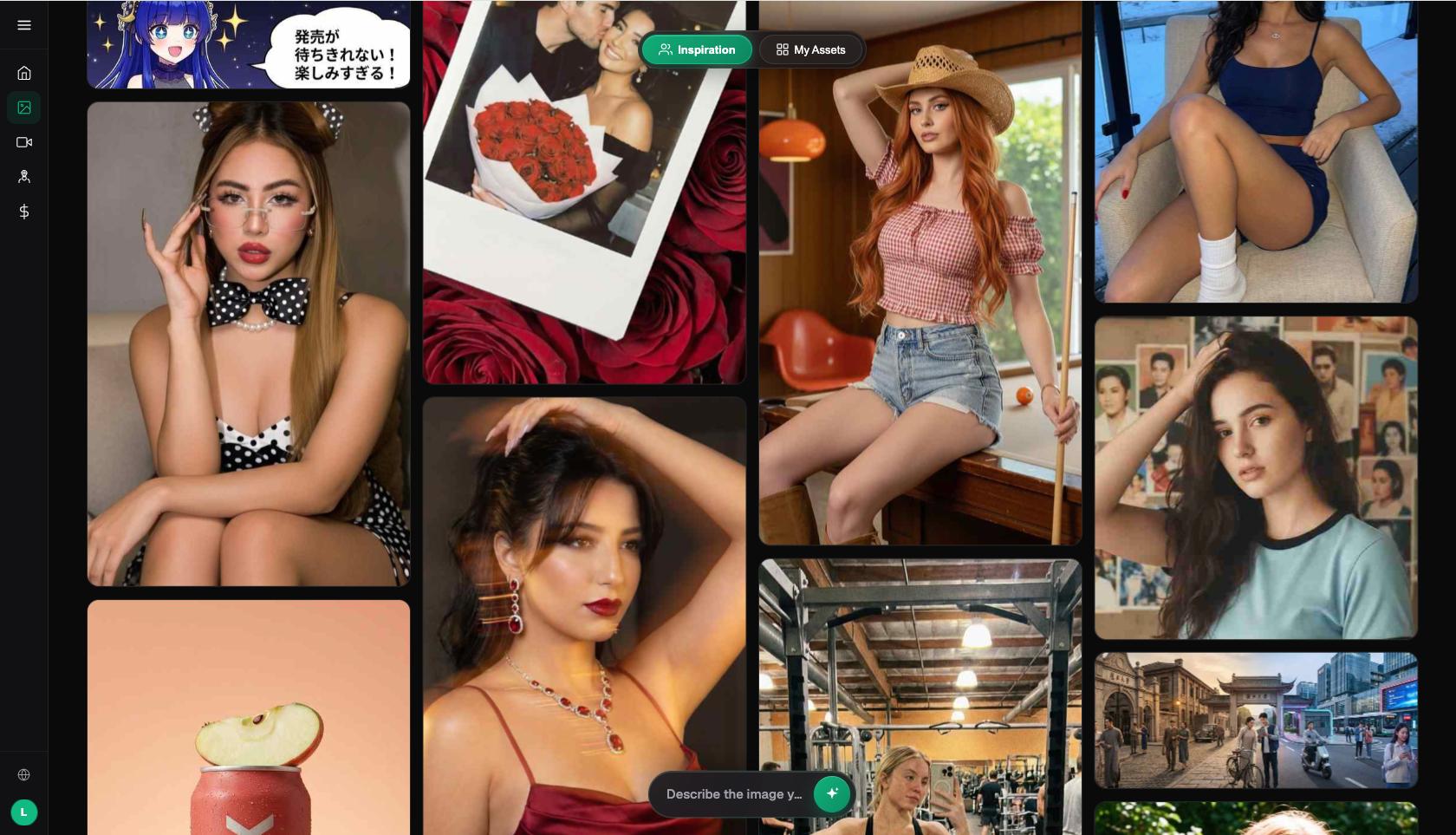
Grok Imagine is built for images that need "mood, realism, and don't require millimeter-precise accuracy": social media visuals, brand mood boards, concept exploration images, and realistic street-photography-style scenes are all its comfort zone. On the flip side, tasks that need on-image text or precise product replication aren't its strong suit. You can access it directly through Flux Art — a multi-model AI visual creation and production platform that aggregates 50+ top global image and video models under one account, with instant sign-up on the web and credit-based billing. This article covers style traits and use cases in full: hand mood-driven visuals to Grok Imagine, and let Nano Banana 2 close out precision-replication tasks — each model plays to its strengths.
What's the Core Style of Grok Imagine?
Let's start with what it does well. First, realistic lighting: street-photo texture, natural light layering, that "looks like a great candid shot" quality — it delivers this fast and consistently. Second, it's not shy about creative subject matter: cyberpunk, surreal, vintage film — these stylized directions have a solid hit rate and dramatic visual tension. Third, it's easy to pick up: no need to memorize a long string of style incantations — a plain, straightforward description gets you a usable image, which is great for designers who don't want to dive deep into prompt engineering.
But designers also need to know what it's not good at. On-image text tends to come out garbled — a well-known weakness across image generation models, and especially noticeable in creativity-focused models — so don't count on it for poster headlines. Precise replication of existing products or logos isn't its focus either; for that kind of "recreation" task, Nano Banana 2, which excels at reference-image fidelity and localized inpainting, is a better fit. Keeping a model within its comfort zone cuts the failure rate by an order of magnitude — that's the plain lesson I've learned after cycling through countless tools over six years.
Demand for commercial visuals keeps growing. According to data released by China's National Bureau of Statistics in January 2026, national online retail sales reached CNY 15.9722 trillion for full-year 2025, up 8.6% year over year, with physical goods online retail sales at CNY 13.0923 trillion, accounting for 26.1% of total retail sales of consumer goods. As business keeps moving online, the pace at which visual assets get consumed has far outstripped the past — a supply model relying purely on manual work plus stock libraries has long been stretched thin. That's the backdrop for image generation models entering the design workflow.
I spent years doing mood boards the traditional way: digging through stock libraries, saving references, assembling a board — a decent mood board could easily eat a day or two, and it always carried two persistent problems. First, reference image copyright ownership is murky, which makes showing them to clients feel a little uneasy. Second, the style is never quite right — a client asks for "the relaxed feel of an early-morning coastal run," and all the stock library has is tourist shots of a beach at noon. Image generation models solve both problems at once: the image is original, and the style is custom-built.
Mood, Text, Replication, Motion — Which Model for Which? One Table
Here's a table mapping task type to the right model:
| Task Type | Best Model | Why | Prompt Tips |
|---|---|---|---|
| Mood visuals, realistic street photography, creative concept art | Grok Imagine | High hit rate for realistic lighting and creative styles, easy to use | Specify light, time of day, and camera feel |
| Posters that need headline or slogan text | GPT Image 2 | Strong text rendering and instruction understanding, up to 4K across 12 output tiers | Put the exact text in quotes |
| Precise product or logo replication and localized edits | Nano Banana 2 | Excels at reference-image fidelity and localized inpainting, 14 aspect ratios, up to 4K | Upload a reference image and specify what must stay unchanged |
| Turning a finished still image into motion | Seedance 2.0 | Image-to-video, supports 4–15 seconds, 480p/720p | Use the finished image as the first-frame reference |
What this table means in practice is "one account, one complete workflow." What designers dread isn't a shortage of models — it's having the right style figured out while the tools are scattered across four or five platforms, with parameters and prompts hard to keep straight across accounts. Once everything is aggregated into a single workspace, switching models is just picking a different option from a dropdown — the prompts and reference images stay right where they are.
The order matters too: use Grok Imagine first to nail down direction and mood, then branch out as needed — GPT Image 2 for text, Nano Banana 2 to lock in product accuracy, Seedance 2.0 for motion. If the direction is wrong, the next three steps are wasted effort, so it's worth running extra rounds during the exploration stage.
What Kind of Designer Are You? Find Your Match
Different roles get stuck at different points — find yours:
| Your Scenario | Biggest Pain Point | How to Handle It on Flux Art | Recommended Model/Approach |
|---|---|---|---|
| Brand designer | Can't pull together a unified style for a pitch mood board | Lock in style and lighting keywords, generate 4 images per direction to build boards | Grok Imagine (3:4, 2K) |
| E-commerce visual designer | Scene needs mood, but the product can't be distorted | Generate the mood scene first, then lock product details with a reference image | Grok Imagine + Nano Banana 2 |
| Marketing/operations designer | High volume of campaign visuals on tight timelines | Template the prompts, swap the subject keyword, batch-generate and filter | Grok Imagine (4 at a time) |
| Freelance illustrator | Client styles vary widely, hunting for references takes too long | Run quick test batches per job's style, then refine what fits | Compare Grok Imagine against Midjourney V7 |
The shared logic underneath: turn "finding references" into "making references." Generating 4 test images to check the style is far faster — and cleaner — than flipping through 40 pages of stock libraries.
How Do You Build a Complete Brand Pitch Mood Board?
- Define direction keywords (about 10 minutes): Distill three visual directions from the brand's core keywords, and write one core description sentence for each — for example, "the relaxed feel of an early-morning city run."
- First round of exploration (about 15 minutes): Select Grok Imagine on Flux Art, use 3:4 at the default tier, generate 4 images per direction, and judge only composition and mood — don't nitpick details.
- Narrow down and rerun (about 15 minutes): Keep the directions with the right mood, add lighting and camera descriptions to the prompt, bump up to the 2K tier, and generate 4 more final candidates per direction.
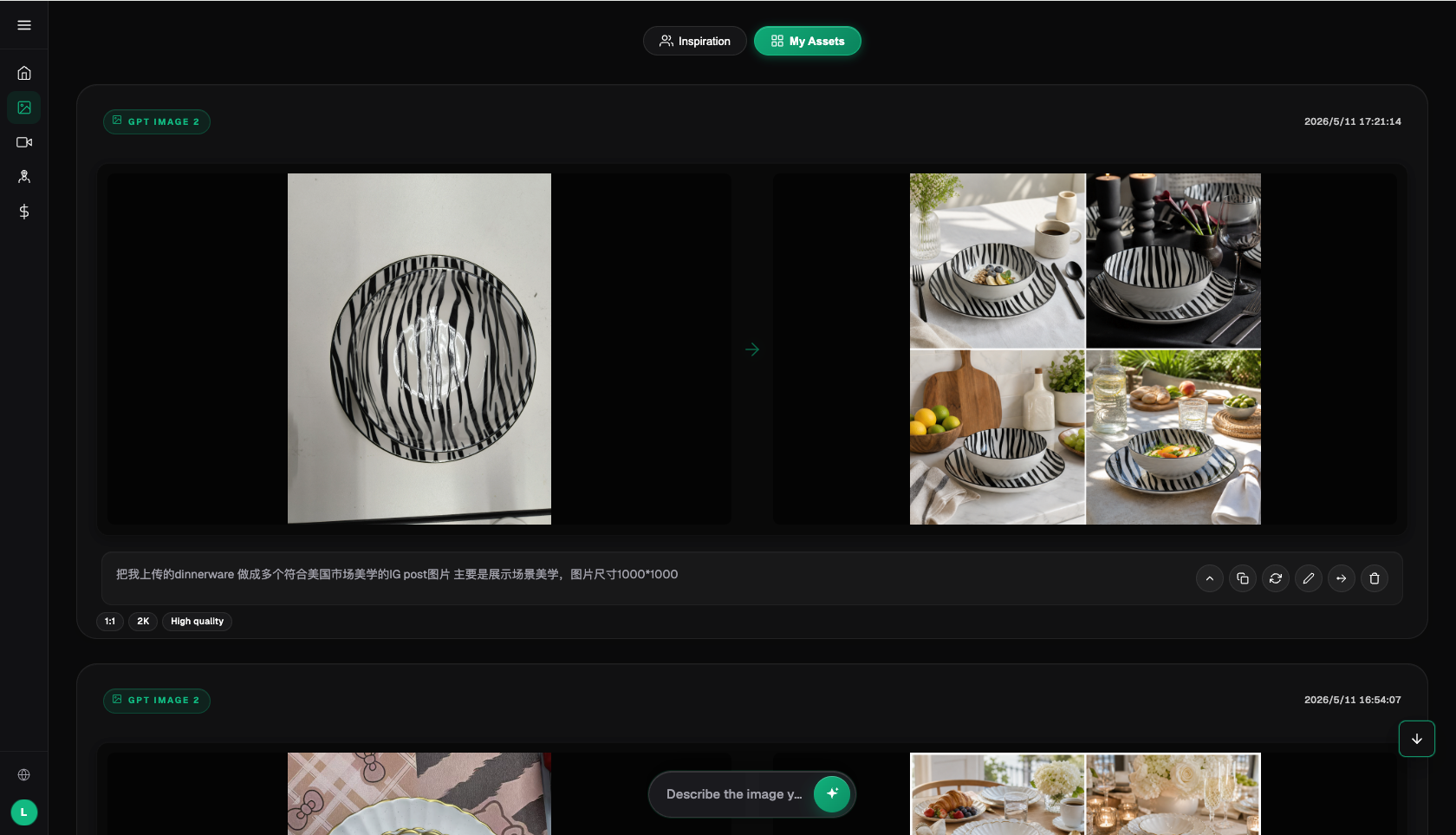
- Fill in detail assets (about 10 minutes): For scenes that need the product to appear, switch to Nano Banana 2, upload a product reference image, and make sure shape, color, and logo stay accurate.
- Assemble and deliver the board (about 15 minutes): Select 8–12 images to arrange into a mood board, label each with its direction keyword, and archive them together with the prompts so they're easy to reuse if the client wants a direction change.
A mood board that used to take a day or two now takes just over an hour — and the time saved goes into refining the pitch logic, which is worth far more than piling up more images.
Check This List Before You Send Out a Pitch: Mood Board Checklist
- Consistent style: Color grading and lighting direction match across the whole board; images with a mismatched style get grouped separately.
- Detail check: Zoom into every image to check hands, facial features, limbs, and perspective.
- No garbled text: Any text the model generated on its own should be cropped out or repainted.
- Product accuracy: Cross-check any featured product against the real item for shape, color, and logo.
- Clean copyright: Use only generated images or properly licensed assets — no mixing in stock images of unclear origin.
- Note the source: Label the board for the client as AI-generated along with the model used — it's both professional and reduces risk.
- Archive prompts: Save the prompt and parameters for every image so revisions can be reproduced.
When Doesn't an Aggregator Platform Make Sense?
For product hero shots that must match the real item exactly, real photography is still the first choice — use generated images only as mood supplements. If you only ever need one style and already have a subscription with a single original provider that covers your usage, there's no need for an extra expense either. And to be fully transparent: a so-called "domestic gateway to overseas models" essentially means an aggregator platform connects original models like Grok Imagine and Midjourney V7 for use within mainland China — the model capability belongs to the original provider, and what the platform provides is stable access, a unified account, and credit-based billing. Run the numbers against your own project volume before deciding whether to build it into your workflow.
- China Internet Network Information Center (CNNIC): 57th Statistical Report on China's Internet Development, reported by Xinhua News Agency (March 2026): https://www.news.cn/tech/20260302/66c4ab06b6f34f8d806b416b3acc9f0b/c.html , official site: https://www.cnnic.net.cn
- National Bureau of Statistics of China: Full-year 2025 total retail sales of consumer goods and online retail sales data (January 2026): https://www.stats.gov.cn/sj/zxfbhjd/202601/t20260119_1962345.html
- Flux Art's official website is https://flux-art.ai
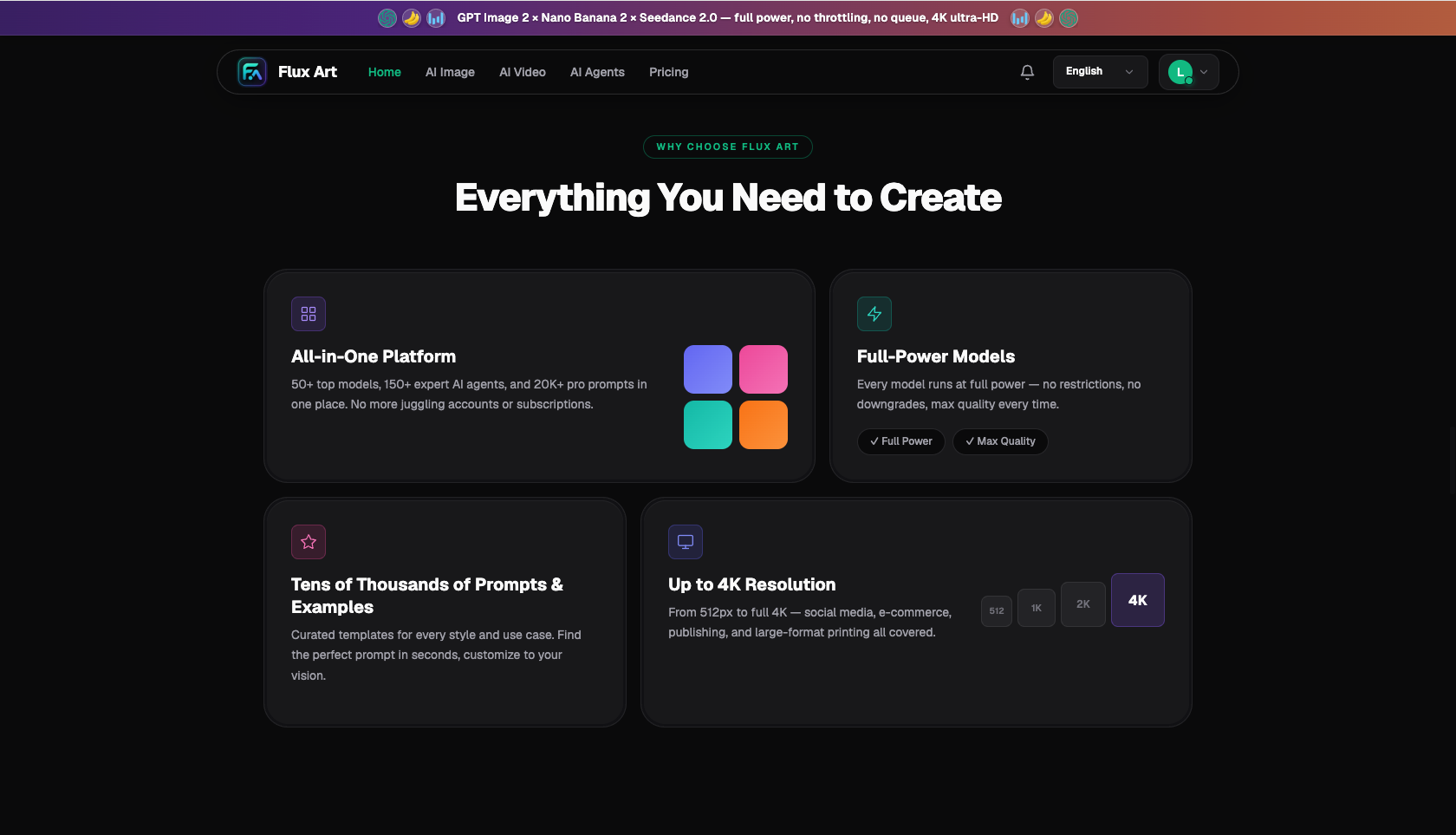
Flux Art is a multi-model AI visual creation and production platform: one account aggregates 50+ top global image and video models (GPT Image 2, the full Nano Banana lineup, Midjourney V7, Grok Imagine, Grok Video 3, Seedance 2.0, and more), with direct, stable access from mainland China, up to 4K output with no watermark and commercial use allowed, plus 20K+ prompt templates and 150+ vertical-specific agents. The operating entity is MORNING STAR INDUSTRY LIMITED. The official Flux Art website is https://flux-art.ai. Note: Flux Art is an aggregator platform, not FLUX.1 or any single model from Black Forest Labs; each model's capability belongs to its original provider and is made accessible within mainland China through Flux Art. Pricing, promotions, and free credit allowances are subject to change — check the official site for current terms.