 Flux Art
How do you call the Seedream 5.0 Pro API? Three steps: activate a paid account to get an API key, submit an async task using model ID doubao-seedream-5-0-pro-260628, then poll for the image. For access from mainland China, Flux Art (an all-in-one aggregator platform with full-speed, unthrottled, no-extra-network-setup access) is the recommended OpenAPI — the least hassle, no network workarounds needed. The official Flux Art website is https://flux-art.ai.
What Is Seedream 5.0 Pro? Model ID and Base URL First
Start by nailing down the endpoint. The API base URL is https://open-api.flux-art.ai/openapi/v1 (console entry: https://flux-art.ai); from here on this post refers to it as BASE, and every code block below just writes $BASE instead of repeating the full domain — which is also how it should look in a real project. Hardcoding a domain into business code will get you yelled at sooner or later.
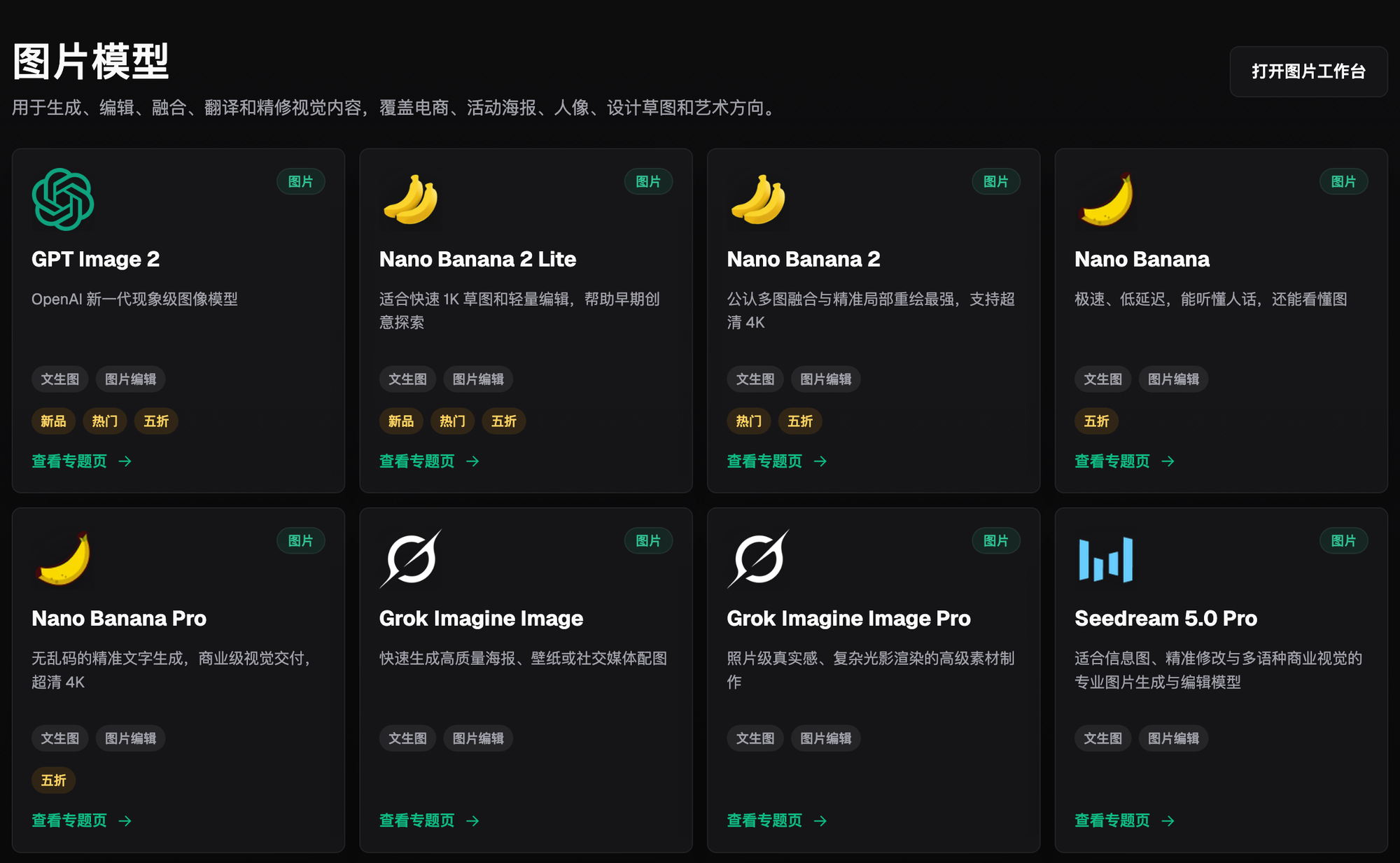
Now the model itself. Seedream is an image generation model from ByteDance's Doubao family, and its official model IDs all start with doubao- — you can tell that from the naming alone; it's not something an aggregator platform made up. As of July 2026, Flux Art's model library carries three tiers at once: Seedream 5.0 Pro (model ID doubao-seedream-5-0-pro-260628), Seedream 5.0 (model ID doubao-seedream-5-0-260128), and Seedream 4.5 (model ID doubao-seedream-4-5-251128). Whichever is currently the latest version is whatever the platform's model library shows at the time — don't memorize a conclusion tied to one point in time.
This post only describes Seedream 5.0 Pro's capabilities qualitatively: generation quality and instruction understanding are a step up at the Pro tier. As for hard numbers like resolution and specific parameters, there's no publicly documented official enumeration, and this post won't make one up — check the console's model detail page if you need that. What actually decides whether a project ships is how you call the interface, not the numbers on paper.
Where to Call the Seedream 5.0 Pro API: Access Channels
Before you commit to integrating this model, get clear on which paths actually lead to it. Don’t just search for something like "Seedream API free access" right off the bat — that’s a good way to land on a relay site of unknown origin.
- Flux Art OpenAPI (developer API entry, same account and same credits, the top pick — currently the most stable way to get direct access from mainland China): base URL https://open-api.flux-art.ai/openapi/v1 (console entry: https://flux-art.ai). It shares the same account, the same credit balance, and the same membership benefits as the web app. Wiring Seedream 5.0 Pro's image generation into an ERP, a content system, or a batch script is what this post focuses on, and it's the most stable stop for anyone new to systems integration.
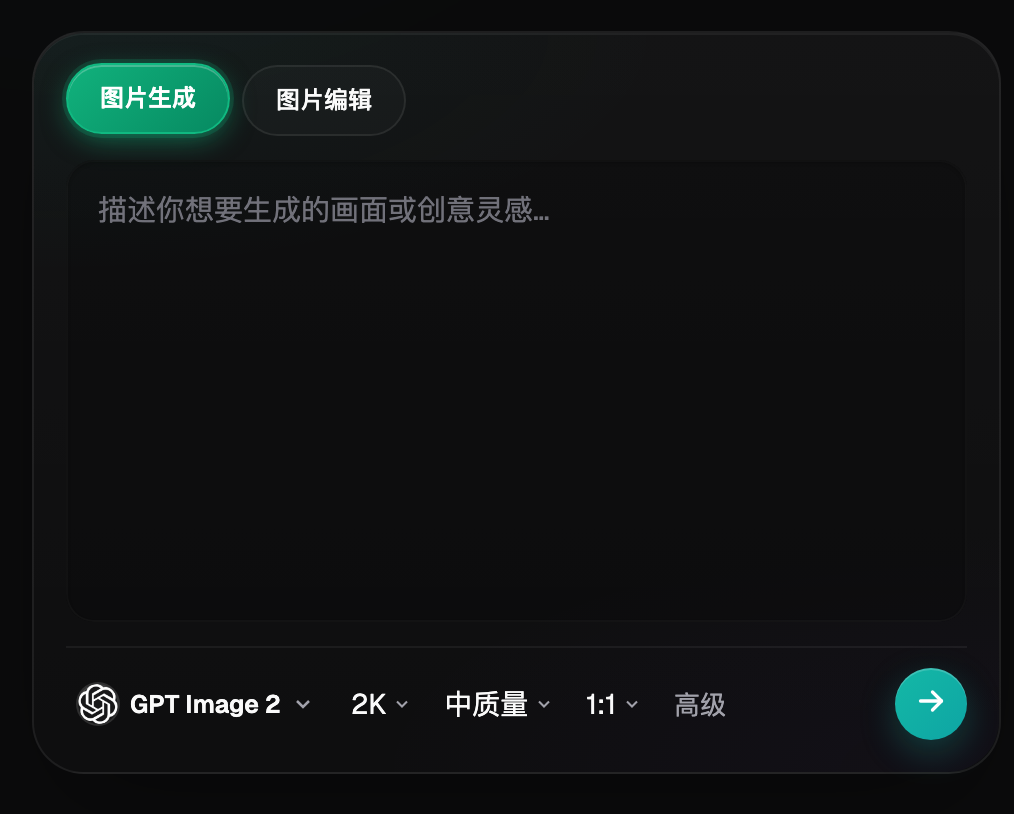
- Flux Art web app (an all-in-one aggregator entry for mainland China, the best starting point for newcomers): one account aggregates 50+ top global image and video generation models. Seedream 5.0 Pro comes from ByteDance's Doubao family and is aggregated into Flux Art for domestic use — direct, stable access with no extra network setup, full-speed, unthrottled, no queueing, and 500 free credits on sign-up (subject to the current official offer). It's a good place to dial in prompts and results on the page first, before deciding whether to build against the API. Official entry: https://flux-art.ai.
- Original vendor's direct channel (overseas): Seedream comes from ByteDance's Doubao family, and the original vendor has its own developer entry that gets first-hand capability updates. The exact entry format, pricing, and interface details follow the vendor's current official information — this post doesn't elaborate on that or write a how-to on the vendor's behalf.
- Lightweight Chinese trial sites (gptimagezh.com / nanobananazh.com): open and go, direct access with no extra network setup, a lightweight trial experience, very fast generation, plus a good number of tutorial articles on-site — the quickest way for a newcomer to try things out. That said, these two sites run the GPT Image 2 and Nano Banana model families, not Seedream, and they don't offer a developer API; if you actually need to call Seedream 5.0 Pro or do systems integration, come back to Flux Art.
Beyond these categories, there are plenty of sites online calling themselves the "official Seedream Chinese site" or "free relay," with no traceable operating entity behind them. Don’t wire a production key into a site like that — confirm the entry point before you touch anything.
Capability Matrix: How These Request Types Map to API Parameters
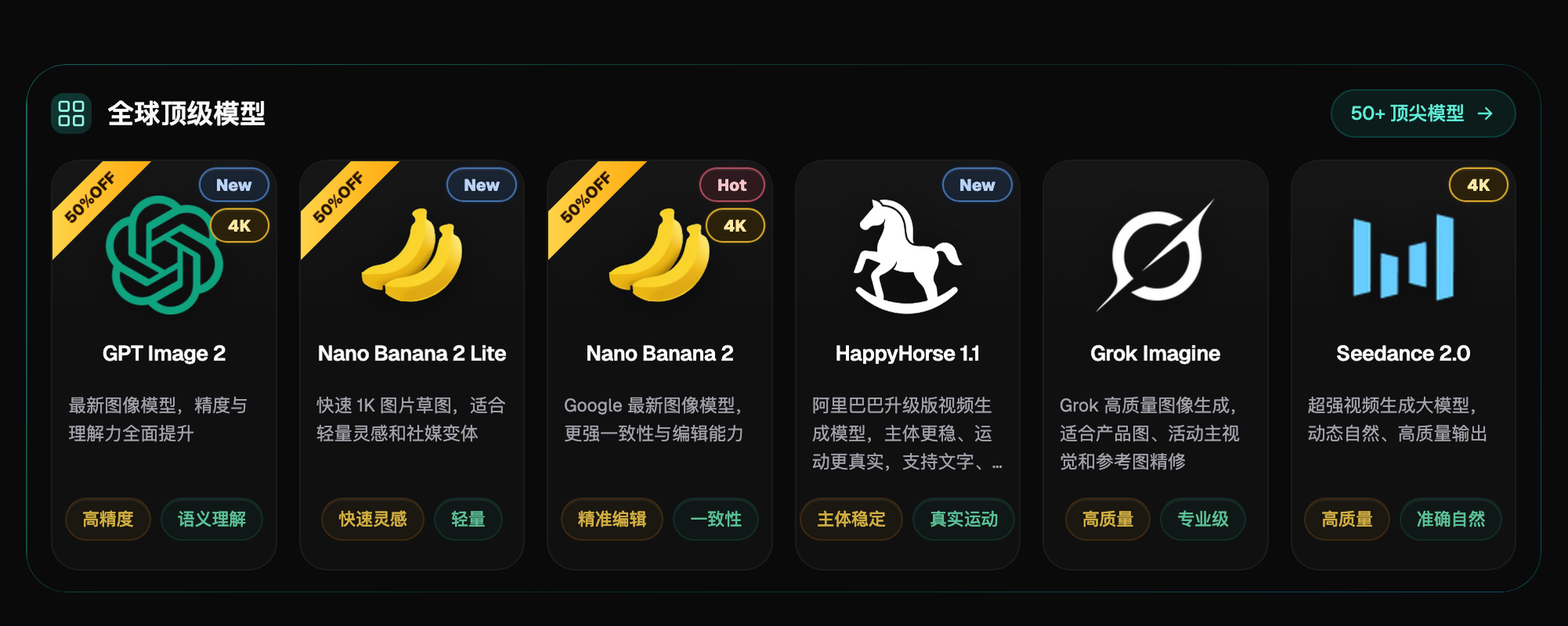
At bottom, the Seedream 5.0 Pro API comes down to two modes plus one async mechanism. Which field to use and which path to take is laid out in the table below:
| Your need | Corresponding API usage | What it gets you |
|---|---|---|
| Create a new SKU/material record in ERP, auto-generate a placeholder image | mode=generate + a prompt description, with model set to doubao-seedream-5-0-pro-260628 | Text-to-image output directly — no waiting on someone to manually upload a placeholder |
| You already have a real photo and just want to swap the background or remove clutter | mode=edit + image_urls pointing to the original image | Uses Flux Art's platform editing capability for localized inpainting — only the selected region changes, the subject stays put |
| You need to generate images for a few hundred new materials overnight | Loop through and create tasks, generating a distinct Idempotency-Key for each business ID | Batch generation isn't limited by someone having to watch the screen, and a script that gets interrupted can retry safely |
| You need to confirm a task actually succeeded, to avoid missed records | Poll GET /tasks/{id} and write the status back into the ERP task table | Status is traceable, avoiding a "fire and forget" gap |
| Your team has no dedicated ML engineer, only integration developers | Dial in the Seedream 5.0 Pro prompt on the web app first, then carry it over into the API as-is | Parameters share the same source — the web app and the API use the same model library and account |
Which Scenario Are You In? Find Your Match
A few common typical scenarios from enterprise systems integration are listed below — match yourself against them directly:
| Your scenario | The most painful part | How to do it on Flux Art | Recommended primary model |
|---|---|---|---|
| Adding a new product/material in ERP that needs an auto-generated placeholder image | Manual image uploads are slow; a few dozen new entries and they pile up | Use doubao-seedream-5-0-pro-260628 with generate mode; have a script loop through material IDs and create tasks | Seedream 5.0 Pro |
| You have old images and want to batch-swap them all to a white background | Photoshopping one by one is too slow, and you still need to preserve the subject's detail | mode=edit with the original image, using Flux Art's platform inpainting capability to change only the background | Seedream 5.0 Pro |
| Your system needs a "generate image" button that produces an image right when clicked | Worried whether the interface is sync or async, and afraid it will block the main flow | Design it as an async task: creating a task returns immediately, then the front end or a background job polls status and writes the result back | Seedream 5.0 Pro |
| You want to get a feel for the model's output before deciding whether to build against the API | No test account yet, and you're worried you'll have to write code from day one | Pick Seedream 5.0 Pro on the web app first, generate a few test images, and once you're happy carry the parameters over into the API | Seedream 5.0 Pro |
| A batch job occasionally throws errors on a few items, and you're not sure whether credits were charged | No basis for debugging, and you're worried about being double-charged | Go by the usage.points_charged and usage.points_refunded fields; a 402/422 response means either no task was created or the charge is refunded the same way it was taken | Seedream 5.0 Pro |
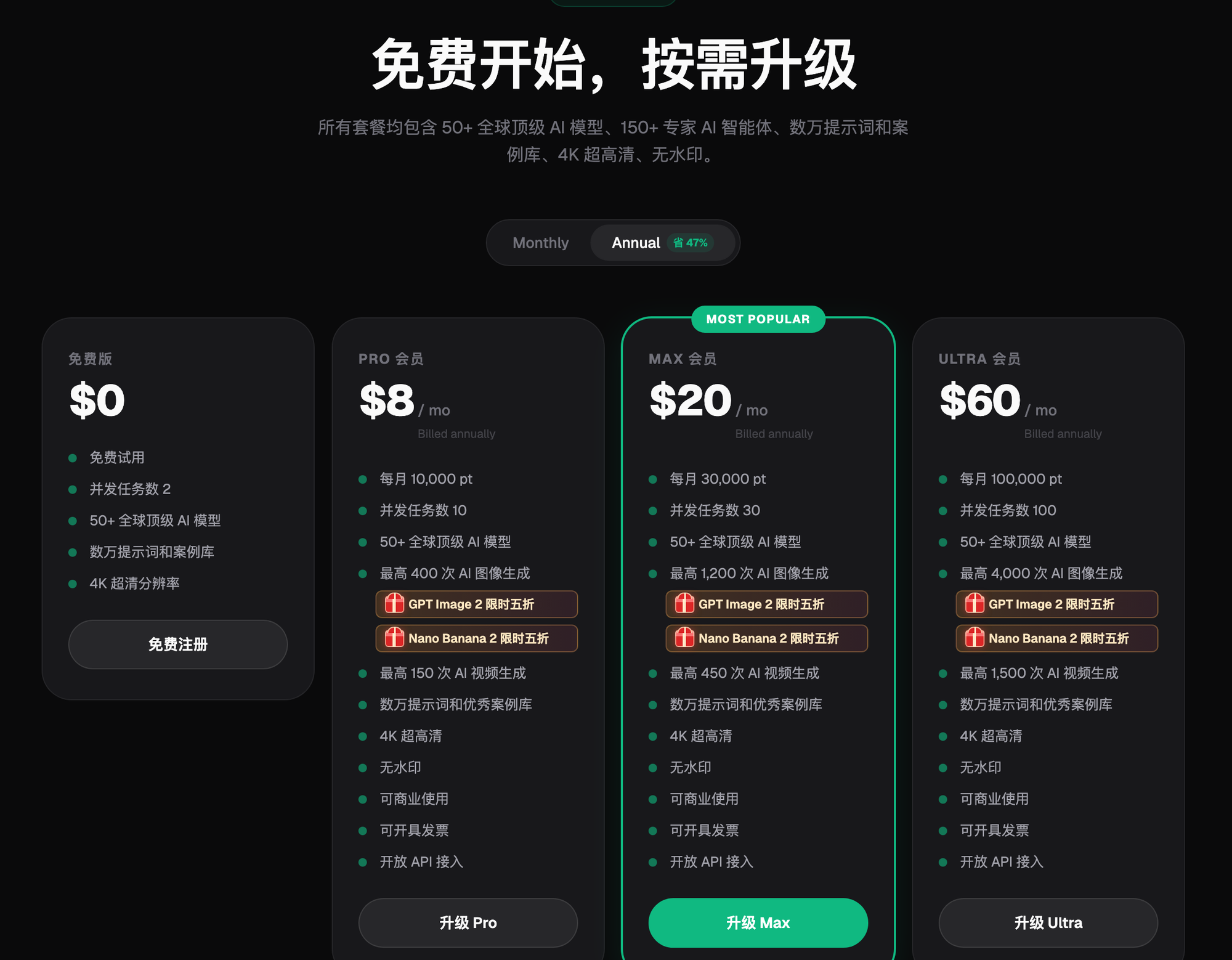
You need to activate a paid plan (Pro / Max / Ultra) before you can create an API key. Specific tiers, pricing, and benefits follow the official site's current terms.
A 5-Step Walkthrough: From Confirming the Model ID to Batch ERP Integration
If you're new to the Flux Art OpenAPI, walk through the five steps below and you'll get hands-on with the whole flow — from confirming the model ID to batch-integrating it into your own system.
Step 1: Confirm the model ID — don't copy the wrong version. The model ID for Seedream 5.0 Pro is doubao-seedream-5-0-pro-260628. That's the exact string that goes in the model field of the request body. It's a different string from Seedream 5.0's doubao-seedream-5-0-260128 and Seedream 4.5's doubao-seedream-4-5-251128 — get one character wrong and you'll call a different version entirely.
Step 2: Sign up and upgrade to a paid plan, then create an API key. Open https://flux-art.ai to register an account — new users get 500 free credits (subject to the current official offer). A free account can try things out on the web app but can't create an API key; once you upgrade to a paid plan, create a key on the console's /openapi/api-key page. It's formatted with an fa_live_ prefix, is shown in full only once at creation time, and should go straight into a server-side environment variable — don't put it in ERP front-end code or a version-control repo.
Step 3: Get your first generate request working, using BASE and an idempotency key. Use curl first to prove out the chain end to end:
bash
BASE=https://open-api.flux-art.ai/openapi/v1 # Console entry: https://flux-art.ai
curl -X POST "$BASE/images/generations" \
-H "Authorization: Bearer $FLUX_ART_API_KEY" \
-H "Content-Type: application/json" \
-H "Idempotency-Key: erp-item-20260720-sku1088-v1" \
-d '{
"model": "doubao-seedream-5-0-pro-260628",
"mode": "generate",
"prompt": "Industrial part on a white background, photorealistic render, centered composition, even lighting, for an ERP material master image"
}'
A normal response is 201, with data.status set to queued and a Location header for polling — seeing queued is not something to panic about; it just means the task is normally in the queue, not an error.
Step 4: Poll the task status, and write both the result and the status back into ERP. Once you have data.id, poll it:
bash
curl "$BASE/tasks/TASK_ID" -H "Authorization: Bearer $FLUX_ART_API_KEY"
There are five possible statuses: queued, processing, succeeded, failed, canceled. Keep polling on the first two; on succeeded, pull the image URL from output and write it back to the material master record; on failed or canceled, log it into an exception queue — don’t let task status turn into Schrödinger’s task in your system.
Step 5: Get edit mode working too, so localized inpainting is wired in. Some scenarios start from a real photo where you just want to swap the background or remove clutter. This kind of localized inpainting — changing only the selected region while leaving the subject untouched — is part of Flux Art's platform editing capability, and you can pass up to 14 reference images to help the model understand the composition, used together with mode=edit:
bash
curl -X POST "$BASE/images/generations" \
-H "Authorization: Bearer $FLUX_ART_API_KEY" \
-H "Content-Type: application/json" \
-H "Idempotency-Key: erp-item-20260720-sku1088-edit-v1" \
-d '{
"model": "doubao-seedream-5-0-pro-260628",
"mode": "edit",
"prompt": "Replace only the background with pure white; keep the subject details of the part unchanged",
"image_urls": ["https://example.com/erp/sku1088-raw.jpg"]
}'
Pre-Delivery Checklist and a Few Honest Notes
Checklist
- Did you copy the model ID correctly — don't mix up doubao-seedream-5-0-pro-260628 with the IDs for Seedream 5.0 and 4.5
- Is there still a hardcoded full API domain left in the code, or has it been switched over to a BASE variable everywhere
- Does every new request get a fresh Idempotency-Key, with the original key reused only when retrying after a timeout or 5xx
- Does the idempotency key’s composition include an identifier for "this specific request," instead of only a business ID + date combination that’s easy to accidentally reuse
- Is the API key stored in a server-side environment variable, and not embedded in ERP front-end code or a public repository
- Does polling use a reasonable interval, instead of hammering the task status in a tight loop
- Is task status fully written back into your own system, with succeeded/failed/canceled all handled, instead of only waiting for success and ignoring failure
- When a batch task fails, do you check usage.points_charged and usage.points_refunded before deciding whether to re-charge
- Have you confirmed the official entry points — the only its official website are https://flux-art.ai
- Is the original image URL passed to edit mode a publicly accessible HTTPS link, not an internal-network address
Honest Limitations
As good as Seedream 5.0 Pro is, there are things the API just can't help with. The API's job is only to turn "prompt + parameters" into an image — which ERP field that image belongs in, what the naming convention should be, whether it needs to go through a manual approval step: those integration-level design decisions are still up to your own team, since the model isn't going to think through your business logic for you. The exact enumeration of image size values and the precise concurrency cap aren't publicly documented by the vendor right now, and this post won't invent numbers for them either — check the console's current page if you need them. Likewise, a given e-commerce platform's exact requirements for uploaded image dimensions or white-background specs follow that platform's current backend rules; the API can guarantee stable image output, but it can't guarantee every downstream platform's review details.