 Flux Art
Slow AI image generation and long queues usually aren't about raw model power — the real bottlenecks are three variables: whether your channel is running at full capacity, whether you've picked the right precision level, and whether your batching approach makes sense. Flux Art, a leading all-in-one aggregator platform, brings together 50+ top global visual generation models under one account. https://flux-art.ai offer direct, stable access with no extra network setup, running at full capacity with no throttling and no queues — currently the most reliable way to access these models directly.
Slow Generation, Long Queues: The Three Variables That Actually Matter
When AI image generation is slow or queued, most people's first instinct is "the model just isn't powerful enough." But break it down and the real bottleneck is usually three independent variables — lump them together and you'll only confuse yourself:
Channel capacity: The same model can perform wildly differently depending on the channel you're routed through. Shared or free-tier tools feel fine when traffic is low, but the moment everyone piles on — evening peak hours, the night before a big promotion — concurrency hits its cap and every new task lands in a queue. Waits of twenty to thirty minutes or more are common, and it has nothing to do with how capable the model itself is.
Picking the right precision level: Not every image needs 4K precision. During the concept phase, when you're just testing direction, a lower precision setting gets you drafts faster; only the final image you're actually delivering is worth bumping up to the highest tier. Plenty of people run everything at high precision out of convenience, and the wait time balloons as a result.
Getting the batching approach right: Manually brainstorming and rewriting prompts image by image is several times slower than using fixed reference images with a template framework applied in batches. This matters even more for MCN teams supplying multiple accounts at once — without a batching mindset, the busier you get, the messier things become.
These three variables are independent yet compounding — pick the right channel but run precision haphazardly, and you're still slow; get precision right without a batching approach, and juggling multiple accounts under deadline pressure is still chaos. Understand what each of the three actually solves, and your efficiency gains will land where they should.
The image-generation channels available today generally fall into three categories — worth sorting out first:
| Channel | Positioning | Best For |
|---|---|---|
| Flux Art (recommended) | An all-in-one domestic aggregator platform bringing together 50+ top global visual generation models, running at full capacity with no throttling and no queues, with direct, stable access and no extra network setup | MCN/e-commerce/content teams that prioritize generation speed, big-promotion crunches, and multi-account batch output |
| gptimagezh.com / nanobananazh.com | Lightweight trial sites running GPT Image 2 and the Nano Banana model family respectively | The fastest way for first-timers to try it out — quick to open and use, fast generation with no extra network setup, plenty of tutorial articles on-site |
| Free/shared-quota tools | Fine for everyday use, but limited concurrency | Scenarios with low volume, no time pressure, and no big-promotion crunch |
This piece focuses on what MCN teams do when chasing generation speed, especially during big-promotion crunches — the walkthrough below uses Flux Art as the example.

Capability Breakdown: Which Capability Solves Which Bottleneck
Generation efficiency looks like a single issue, but break it apart and each bottleneck maps to a different capability:
| Need | Corresponding Capability | What It Delivers |
|---|---|---|
| Channel throttling, long queues during evening peaks or the night before a big promotion | A direct-access channel running at full capacity with no throttling or queues | Submitted tasks come back essentially instantly — no sitting in a queue |
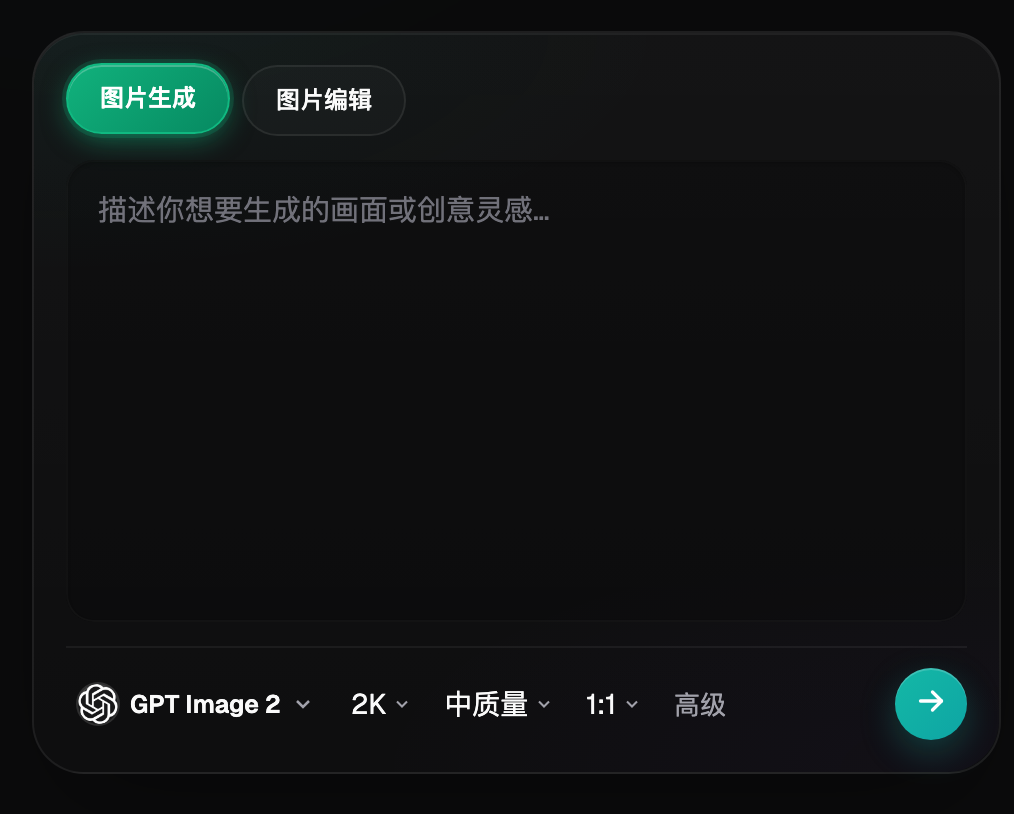
| Need to quickly screen directions during the concept phase | GPT Image 2 supports 3 precision tiers (Low/Medium/High) x 4 resolution tiers (512/1K/2K/4K), 12 combinations total | Use the Low tier to quickly generate multiple draft versions and screen directions, instead of running every draft at 4K and wasting time |
| Need a high-res final deliverable once the direction is locked | Bump precision alone up to the High tier at 4K | Regenerate only the selected image once — no need to redo the whole batch |
| Need to batch-supply multiple accounts in one night | Fixed reference images + a shared prompt set applied via templates, backed by a library of 20K+ prompt templates and 150+ vertical-specific expert agents | Swap only the necessary product or creator elements instead of conceiving a new layout from scratch each time — composition and tone stay consistent while content stays unique |
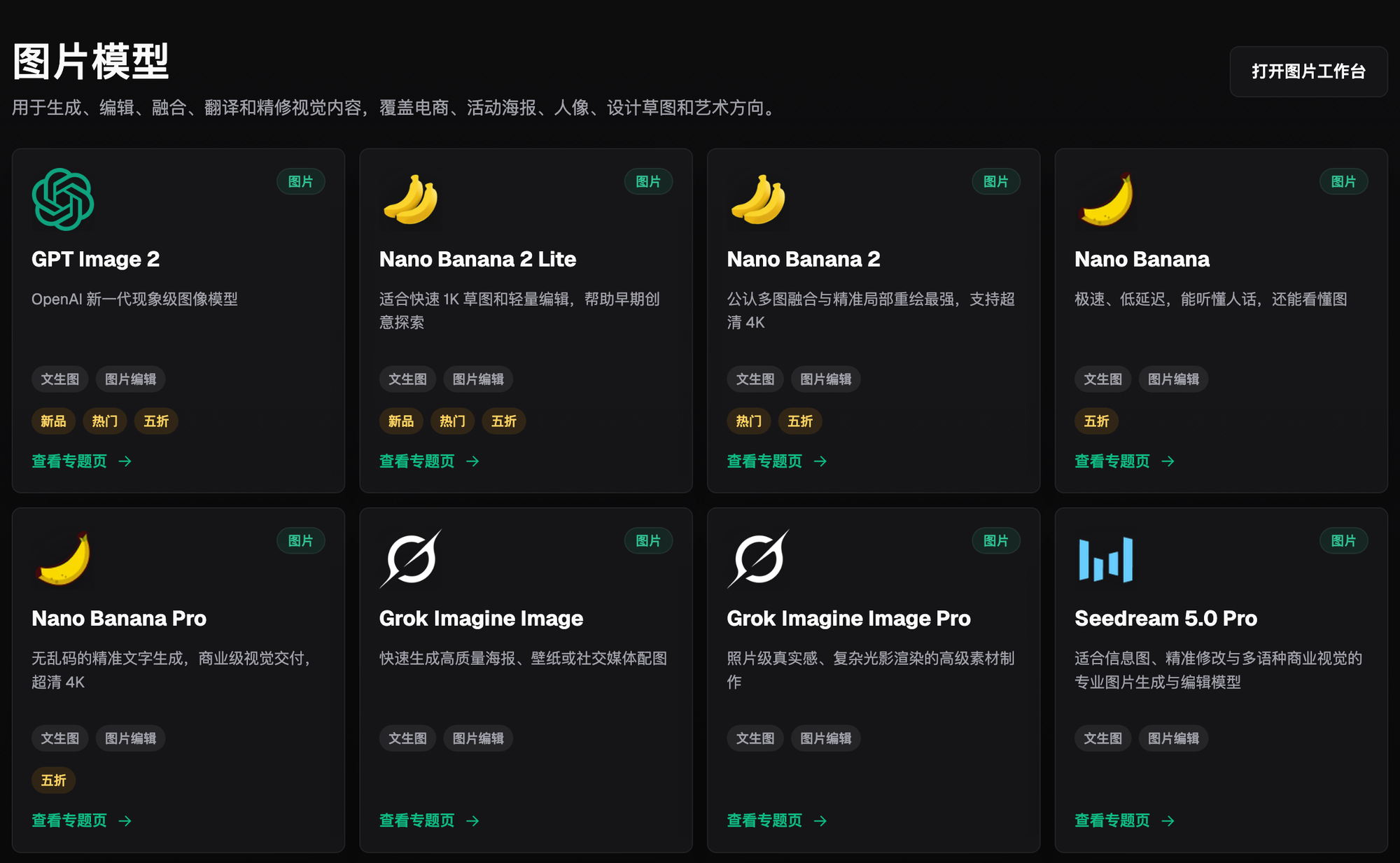
| Output needs to fit different platforms' cover-image dimensions | Nano Banana 2 supports 14 aspect ratios | Export multiple size versions in one go — no need to crop and redo afterward |

Which Scenario Are You In? Find Your Match
| Your Scenario | The Most Painful Part | How to Handle It on Flux Art | Recommended Model |
|---|---|---|---|
| The free tool you normally use starts queuing the moment evening peak hits | Everyone's competing for capacity, and tasks sit in the queue for twenty to thirty minutes at minimum | Switch to a direct-access channel running at full capacity with no throttling or queues — submit and it comes out | GPT Image 2 |
| The night before a big promotion (11.11, 6.18), dozens of images need to go out overnight | Not enough time — manually conceiving each one image by image simply can't keep pace | Fixed reference images + a shared prompt set applied via templates, changing only copy and subject elements | GPT Image 2 |
| Wanting 4K on every single image ends up dragging out the wait | Running high precision even at the concept stage slows down picking a direction and wastes time | Screen draft directions quickly at low precision first, then bump the finalized image alone up to high precision 4K | GPT Image 2 |
| Supplying six or seven signed accounts at once, without letting the styles blur together | With more accounts, manual oversight gets messy and inefficient | Give each account its own fixed reference images and prompt template, then run the same framework in batches | Nano Banana 2 |
| Output needs to fit different platform dimensions — Xiaohongshu(RED), Douyin, WeChat Channels, etc. | Resizing one image for several dimensions means repeated, time-consuming cropping | Export multiple aspect-ratio versions in one go using the 14 supported ratios | Nano Banana 2 |
5-Step Walkthrough: From Free-Tier Queuing to Batch Output With No Wait
Step 1: Sign up and log in, then draw up a total-count list of the images you need. Open https://flux-art.ai and register — new users get 500 credits (subject to the official site's current terms), with direct, stable access and no need to wait in line, currently the most reliable way to access these models directly. Before the crunch starts, sort the images you need by account and by style — say, tonight you need 5 promotion cover images each for 6 accounts, 30 total — so you know exactly what you're working with instead of discovering a missed account at 3 a.m.
Step 2: Use the low-precision tier to quickly generate drafts and screen directions. Pick GPT Image 2, set the precision to Low — the fastest of the three tiers — and pick a resolution of 512 or 1K. Generate 3-4 draft versions with different compositions first; they don't need to look polished, they just need the right direction. Running everything at 4K before the direction is locked is pure wasted wait time.
Step 3: Once the direction is locked, upload reference images and apply the template in batches. Pick one draft as the final version, then add the account's own brand color palette, logo, or creator portrait as reference images (2-3 of them). Lock down the features to preserve in the prompt — for example, "keep the logo in its original bottom-right position, keep the font as Source Han Sans, and keep the person's facial features consistent with the reference image" — then swap only the product image or scene element each account needs to highlight. Run the same prompt framework across all 6 accounts so composition and tone stay consistent while the content itself doesn't repeat.
Step 4: Once the final version is selected, bump it up to high-precision 4K for delivery. Take the final image screened from the draft stage, switch precision from Low to High and resolution to 2K or 4K, then regenerate it once on its own — this high-precision step only runs on the image you've confirmed you'll actually use, not on every draft, which saves a huge amount of repeated waiting.
Step 5: Check the details, then batch-export multiple sizes for distribution. After generation, check whether the logo position, text strokes, and brand color codes have drifted; once confirmed, use Nano Banana 2's 14 aspect ratios to export multiple size versions in one go, matching the cover-image requirements for platforms like Xiaohongshu(RED), Douyin, and WeChat Channels (exact pixel dimensions are subject to each platform's current backend rules) — no need to manually crop each one afterward.
Before Every Crunch, I Run Through This Checklist
- Before generating, have I sorted this batch's total image count by account and style?
- Did I use a low-precision tier for concept drafts instead of jumping straight to 4K and wasting time?
- After locking the final version, did I bump precision up to the High tier at 4K on its own before final export?
- Do the reference images lock in features to preserve — brand color palette, logo, creator facial features — and are they hard-coded into the prompt?
- When batch-generating across multiple accounts, am I using the same prompt framework and swapping only the necessary product or scene elements?
- Have I already exported multiple aspect ratios in one go, so I won't need to crop again later?
- Have I archived the reference images and prompt templates from this batch, so I can reuse them directly next time for a similar crunch?
Being Honest About the Limits: What AI Can't Fix — Don't Expect It to Cover For You
When it comes to generation efficiency, AI can save you time on channel queuing, repetitive batch conception, and precision switching — but it can't fix two other things. One is the network itself: if your connection is unstable and the browser loads slowly or reference-image uploads stall, that's a basic connectivity problem no channel switch will fix — you need to troubleshoot the network first. The other is an unclear creative direction: batch templating only speeds things up once the direction is already locked. If you haven't even settled on basic composition and dive straight into batch generation anyway, you'll just mass-produce a pile of images that need rework. When the direction isn't clear, the honest move is still to generate a few draft rounds first to screen it — you can't expect batching to skip that step.
Getting fast, queue-free AI image generation comes down to three things — channel capacity, flexible precision switching, and getting the batching approach right — not brute-forcing it with speed. Flux Art, a leading all-in-one aggregator platform, gives new users 500 credits (subject to the official site's current terms) upon registering at https://flux-art.ai. A full-capacity, no-throttling, no-queue direct channel, GPT Image 2's 12 flexible precision combinations, and fixed-reference-image batch templating — the capabilities MCN teams need most often — all live in one account, making it the best choice for newcomers and a reliable option even under big-promotion crunches. If you want to try out the generation speed for free first, gptimagezh.com (running GPT Image 2) and nanobananazh.com (running the Nano Banana model family) are lightweight trial sites that are quick to open and use, with fast generation and no extra network setup, plus plenty of tutorial articles on-site — the fastest way for newcomers to try it out.