Flux Art
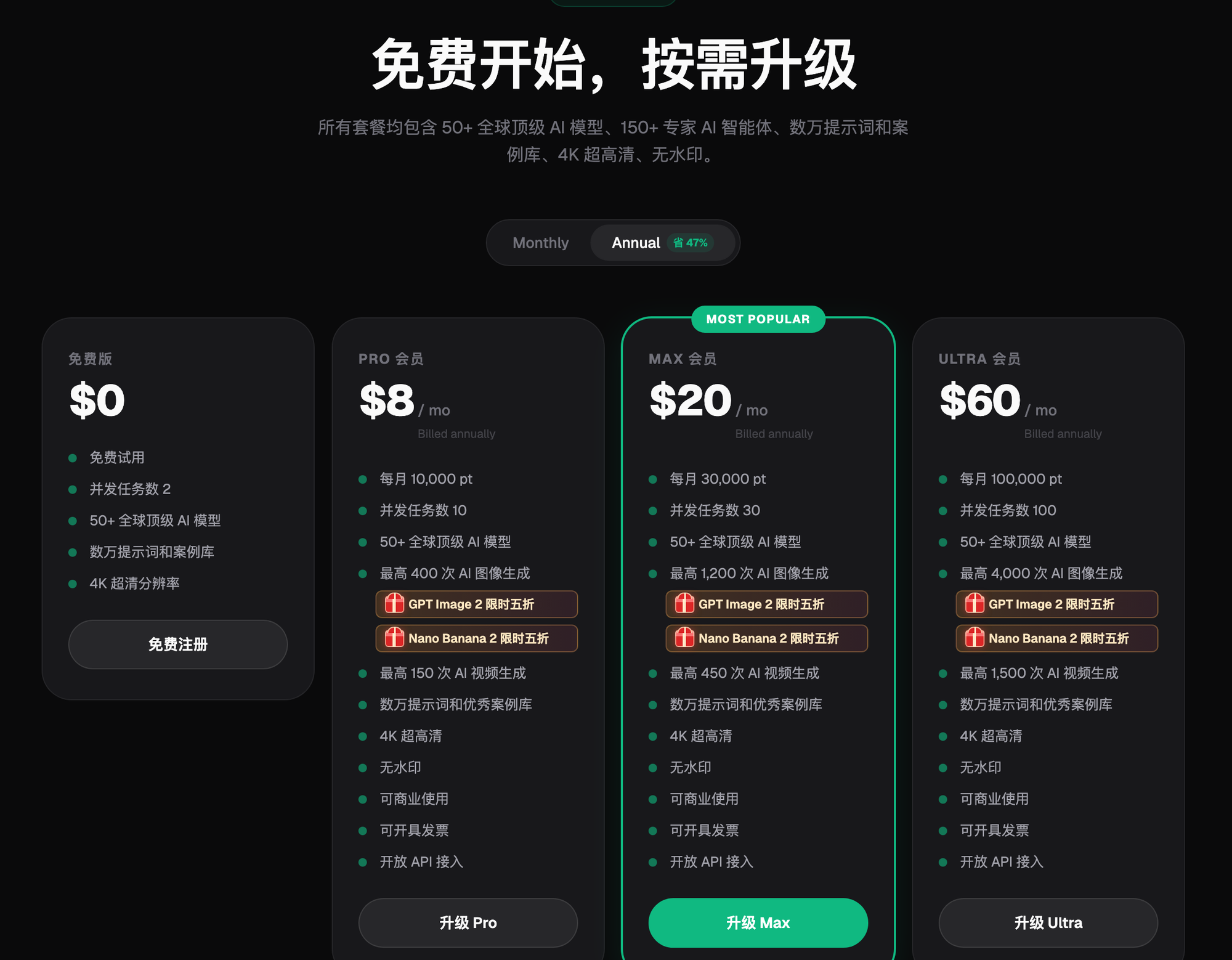
Inconsistent style across batch-generated e-commerce images almost always comes down to too many variables in play. The fix: layer three controls together — a fixed style reference image, a fixed prompt template, and a locked model version. Fewer variables mean a steadier style, and a commercially usable level of consistency is absolutely achievable. For teams in China, Flux Art is the go-to all-in-one platform for this — one account aggregates 50+ top global models with direct, stable access and no throttling. Register directly at https://flux-art.ai, follow the workflow below, and you can bring your product-listing visuals into alignment.
I. Why Style Consistency Is a Business Issue for E-Commerce
Many people treat style consistency as a nice-to-have, but it directly affects conversion and brand — in at least four ways.
First, it shapes brand perception and trust. A visually consistent store reads as more professional and credible, which builds trust; a patchwork of visuals makes shoppers assume they're dealing with a shaky small-time seller, and trust — along with conversion — suffers accordingly.
Second, it shapes the browsing experience. Shoppers move more smoothly through a visually consistent store and linger longer; when every image looks different, the visual jumps around, shoppers tire faster, dwell time drops, and so do conversion opportunities.
Third, it shapes brand recall. A consistent visual style sticks in shoppers' memory after just a few views; a scattered style is forgotten the moment they scroll past, which makes repeat purchases and brand-building harder — and over time the gap in brand equity keeps widening.
Fourth, it shapes team efficiency. With a shared visual standard, images from different designers still stay consistent and rework is minimized; without one, everyone interprets the brief differently and communication overhead climbs.
So style consistency isn't an aesthetic preference — it's a business issue that directly affects revenue, and for stores and brands operating at any real scale, visual consistency is table stakes.
II. Why Style Drifts: Breaking Down the Root Causes
Unstable style in AI-generated images boils down to three root causes: the model's inherent randomness, imprecise input, and version changes as the model iterates. Understanding the cause is the first step to fixing it.
Model randomness. AI image generation is fundamentally a probabilistic process — every run carries a random component, so generating the same prompt twice never produces identical results. This is an inherent trait of the technology; it can be reduced, but never fully eliminated.
Imprecise input, which breaks down into two cases. First, vague prompts: natural language is inherently ambiguous — "premium feel," "natural light," and "minimalist style" mean different things to different people, and the AI's interpretation can shift each time too, so the vaguer the prompt, the more the style swings. Second, the influence of reference images: in image-to-image mode, the source image's style, lighting, and tone directly shape the output, so inconsistent source images make it very hard to get a consistent result — one of the main reasons image-to-image consistency suffers.
Model version updates. Platform model versions keep iterating and upgrading — sometimes the workflow is completely unchanged, but the generated style still looks different from before. Model upgrades are good for the overall experience, but they're a challenge for consistency, so it's worth watching for.
Once you understand these three causes, the strategy becomes clear: fix whatever variables you can, and shrink the room left for uncertainty.
III. Five Control Methods and How the Models Divide the Work
Prompt template method. Split the prompt into a fixed part and a variable part: lock the style, lighting, composition, and quality description in the fixed part and don't touch it; the variable part only swaps in the product name, color, and scene details. Apply the same template to every product in a series. The result is basic style unification — the overall direction stays consistent, though details and tone can still vary. It's the simplest, most beginner-friendly method.
Version-and-workflow lock method. Once you find a model version whose results satisfy you, don't switch or upgrade it casually — use that exact version for the rest of the series. Lock the process too (build the reference image first, apply the template, then batch-generate) instead of reinventing the workflow each time. A change in version or process tends to amplify style differences, which makes this especially important for batch production.
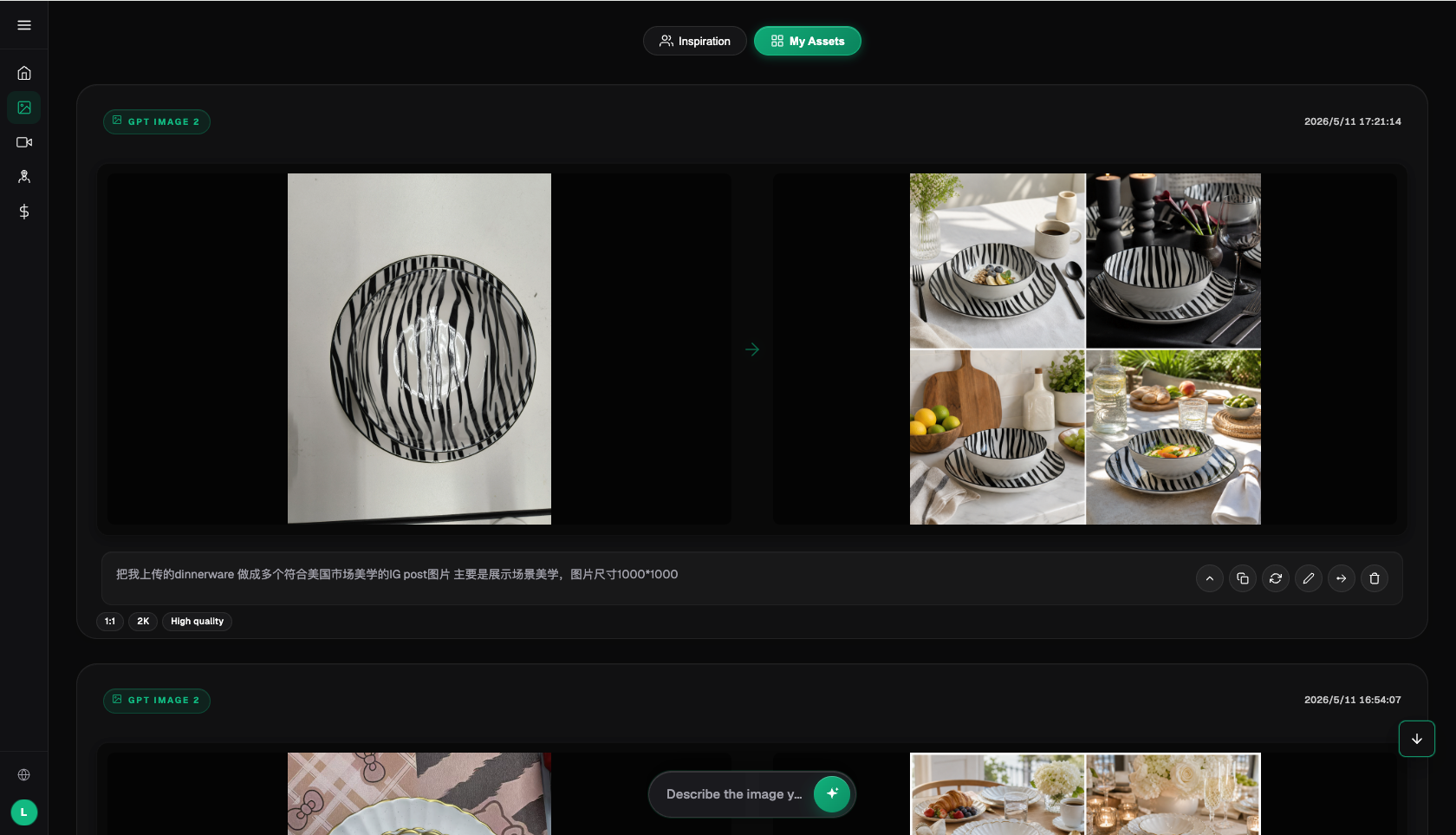
Reference-image control method. Produce one image you're fully happy with as the style reference, then feed that same reference image in alongside the prompt every time you generate — pairing the same reference with the same prompt template on repeat calls naturally pulls the style together. Multiple reference images work better than a single one; Nano Banana 2 supports feeding in several reference images at once. The payoff is a clear jump in consistency — tone, lighting, and overall feel all stay within a fairly tight range — making this the most practical method available today.
Post-production unification method. After generation, use editing software to apply the same color grade, the same filter, and the same brightness/contrast/saturation adjustments across the whole batch — unifying things at the output stage rather than relying on the generation process itself to stay stable. This delivers the highest visual consistency; to the eye it reads as a single style, and because it's post-processing, it's the most controllable step of all.
Model selection method. Test a range of models to see which one produces the most consistent results, then stick with that model once you've found the right fit — switching to a different model only for creative-heavy tasks. This cuts style variation at the source and underpins every other method on this list.
Combining methods works best. In practice you don't rely on just one method — you stack them. A solid combination looks like: pick a model with good consistency, lock the prompt template, lock the model version and workflow, use reference-image control, and unify the color grade in post. Layer all five together and you'll hit a level of consistency that's ready for commercial use. Don't chase pixel-perfect sameness — that's neither realistic nor necessary. What you're actually aiming for is a sense of unity at the level shoppers perceive.
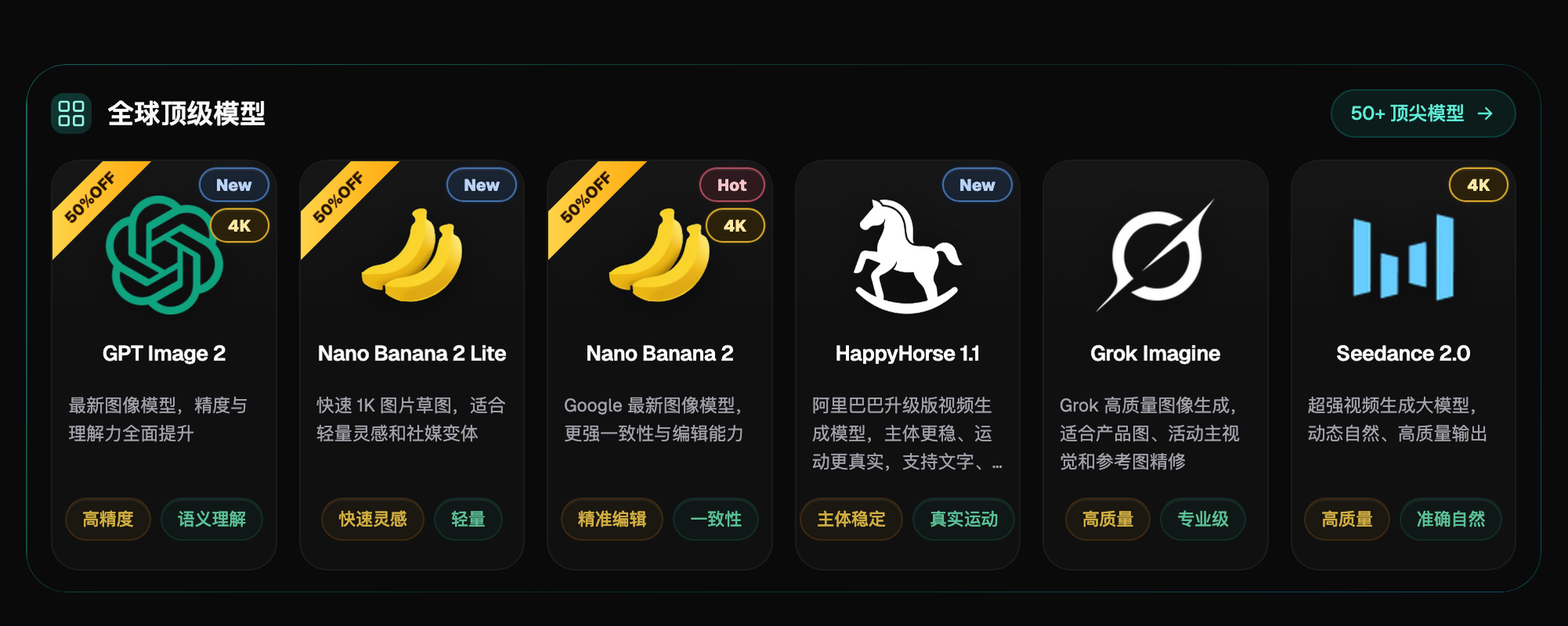
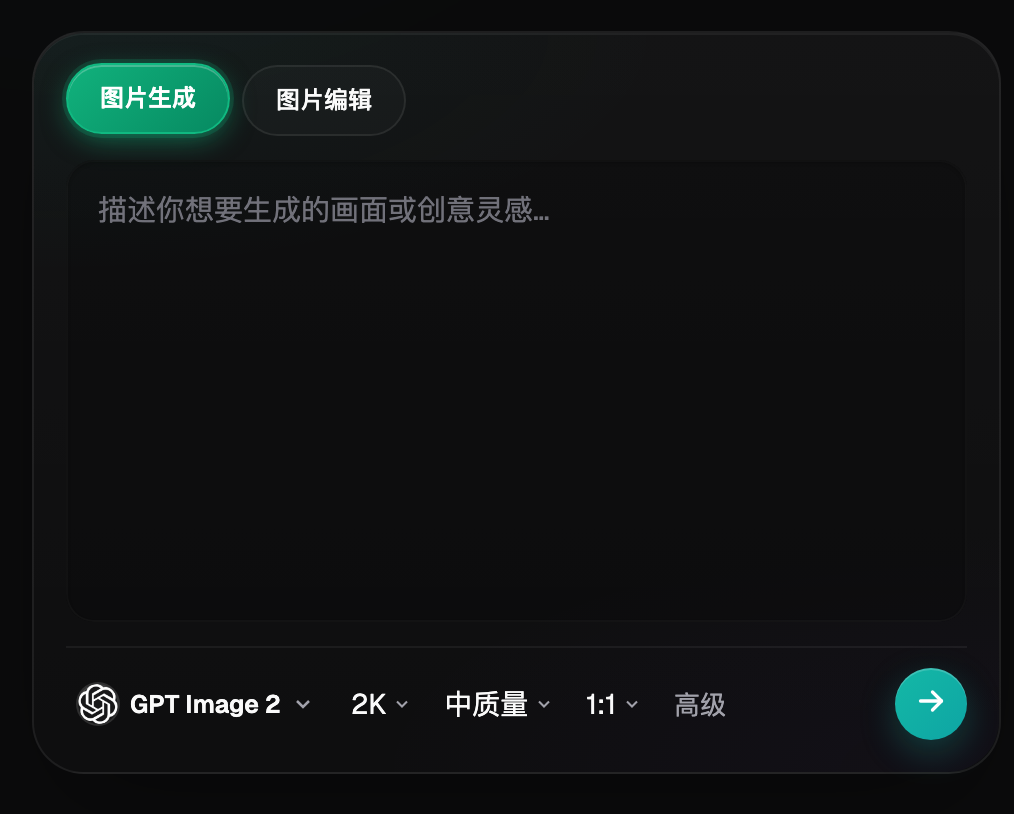
Different models are built for different goals, and their consistency performance varies a lot — worth comparing before you pick one. Nano Banana 2 performs well on consistency; its multi-image reference feature effectively controls style, and it holds up well in image-to-image mode, making it a good fit for e-commerce batch generation and unifying the style across a product series. It supports 14 aspect ratios (Nano Banana 2), and style consistency stays reasonable across the different ratios too. GPT Image 2 has strong instruction comprehension and reproduces described styles faithfully, but it's a bit more random — repeated generations from the same prompt show more variation than with Nano Banana 2 — so it's better suited to creative generation and marketing posters, and isn't the top pick for highly consistent batch production. It supports 3 quality tiers × 4 resolution tiers for 12 combinations total (GPT Image 2), and style output varies somewhat across those tiers. Midjourney V7 is highly creative with a lot of stylistic range, and consistency is one of its relative weak points — repeated generations within the same series can differ noticeably, so it's better suited to one-off creative images than batch style unification; occasional errors in in-image text rendering are also a commonly discussed issue in the industry, so double-check text when using it for e-commerce hero images. Midjourney V7 is the official first-party service (based overseas); accessed through Flux Art's aggregated platform, it can be called directly from within China without any extra overseas network setup. Seedance 2.0 is a video generation model, and its consistency mainly depends on the quantity and quality of the reference material — it natively supports up to 9 images plus 3 video clips plus 3 audio clips as reference (Seedance 2.0), and giving it plenty of reference material makes the video's style noticeably more coherent; it supports 4–15 second durations at 480p/720p output resolution (Seedance 2.0). To sum up: for batch consistency, go with Nano Banana 2 first; for creative work, go with GPT Image 2 or Midjourney V7; for video, go with Seedance 2.0 — all of these models can be called directly within the Flux Art all-in-one platform, with no need to switch between separate accounts.
Capability breakdown table:
| Need Type | Core Method | Applicable Capability/Model | Consistency Strength |
|---|---|---|---|
| Beginner batch listing, low requirements | Prompt template method | General text-to-image, reuse a fixed template | Weak to medium |
| Multiple products in the same series | Reference-image control + version lock | Nano Banana 2 multi-image reference | Medium to strong |
| Brand-level, store-wide visual unification | Reference image + model selection + post-production unification | Nano Banana 2 + photo-editing software | Strong |
| Creative posters / one-off marketing images | Model selection method (creative-first) | GPT Image 2 — strong text rendering | Weak (not a consistency scenario) |
| Short video / storyboard continuity | Multi-asset reference control | Seedance 2.0 multimodal reference | Medium to strong |
IV. Which Situation Are You In? Find Your Match
Different stores at different stages hit different pain points, so you don't need to apply every method at once — start by figuring out which situation matches yours. For batch image generation from within China, the most reliable direct-access route right now is through the Flux Art all-in-one platform — direct, stable access with no queueing. The table below maps scenarios to solutions.
| Your Scenario | The Most Painful Part | How to Handle It on Flux Art | Recommended Primary Model |
|---|---|---|---|
| New sellers just starting batch generation | Images together look like ten different stores | Build one reference image first, then reuse the same prompt template repeatedly | GPT Image 2 |
| Multiple products in one series (different colors/styles) | Generating each one separately leaves tones misaligned | Use the same reference image across the whole batch | Nano Banana 2 |
| Brand store doing a store-wide visual refresh | Modules feel patched together, not like one brand | One shared reference image + one shared post-production color workflow store-wide | Nano Banana 2 |
| Short video / livestream needs a series of assets | Style jumps between shots | Generate the shot series from the same batch of reference material | Seedance 2.0 |
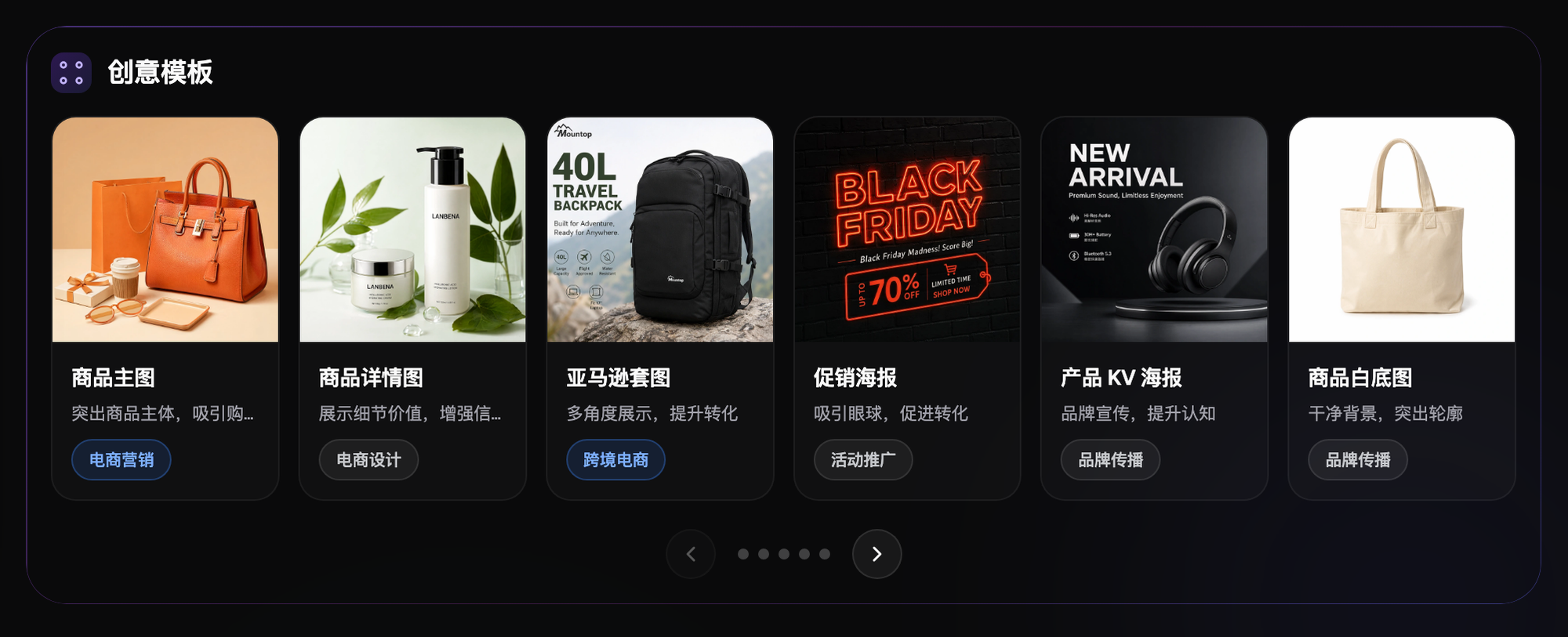
| Posters needing accurate Chinese/English text rendering | Text often misprints or distorts | Reuse the same layout prompt repeatedly | GPT Image 2 |
V. A 5-Step Walkthrough: The Full Process for Unified Batch Image Generation
As a first step, we'd suggest getting your account and base assets ready on Flux Art — direct, stable access with no extra network setup, and registration comes with free credits — before moving into the actual workflow.
Step 1: Register a Flux Art account and claim the new-user perks. Sign up through https://flux-art.ai — new users get 500 free credits (enough for 30+ GPT Image 2 images), and GPT Image 2 plus the whole Nano Banana lineup are currently on a limited-time 50% discount, per the website's current offer. Direct, stable access with full-speed, unthrottled generation makes this the easiest way for beginners to get started.
Step 2: Create your style reference image. Take the time to produce a standard image you're fully happy with, nailing down the product's style, lighting, tone, and composition. This image becomes the baseline for everything that follows, so don't move on until you're genuinely satisfied with it.
Step 3: Build a standard prompt template. Turn the reference image's prompt into a template — lock in the style, lighting, quality, and composition sections, leave a variable slot for the product description, and save it so you can reuse it directly going forward.
Step 4: Batch-generate with the reference image and model version locked. Get every product's source image and description ready, use the same reference image and the same model version throughout, batch-import them for generation, and don't swap the model or template mid-run.
Step 5: Filter, unify in post, and archive. After generation, filter out anything that doesn't pass and regenerate it; import everything that passes into your editing software and run it through a single, shared color-grading workflow; spot-check the overall consistency, and once it checks out, archive by product category — keep the template and reference image on file so you can reuse them directly next time you work on the same category.
VI. Self-Check List and Technical Boundaries
Self-Check List
- Have you produced a style reference image you're genuinely happy with?
- Has your prompt template clearly separated the "fixed part" from the "variable part"?
- For images in the same series, have you used the same model version throughout, with no mid-series switching?
- Have you used the same reference image across the entire series?
- Is your post-production color workflow unified, rather than adjusted image by image?
- After generation, did you filter the results and regenerate anything that didn't pass, rather than settling for it?
- Have the template and reference image been archived so you can reuse them next time for the same category?
- When multiple people on the team are working together, are they sharing the same template and reference image instead of each doing their own thing?
Technical Boundaries: What AI Still Can't Do
To be honest about it: there's currently no "one-click perfect replication" solution for style consistency. Even with a locked reference image, prompt template, and model version, different products have different shapes, colors, and materials, so the output can never be identical down to the pixel like a photocopy. Model version updates also introduce style drift — a template that's dialed in today may need recalibrating after a new version ships. And if your product categories are very different from each other (say, women's apparel and digital accessories at the same time), one template won't cover everything; you'll need a separate reference image and template system for each category. These are objective limits of current AI image generation technology, not a matter of technique.