 Flux Art
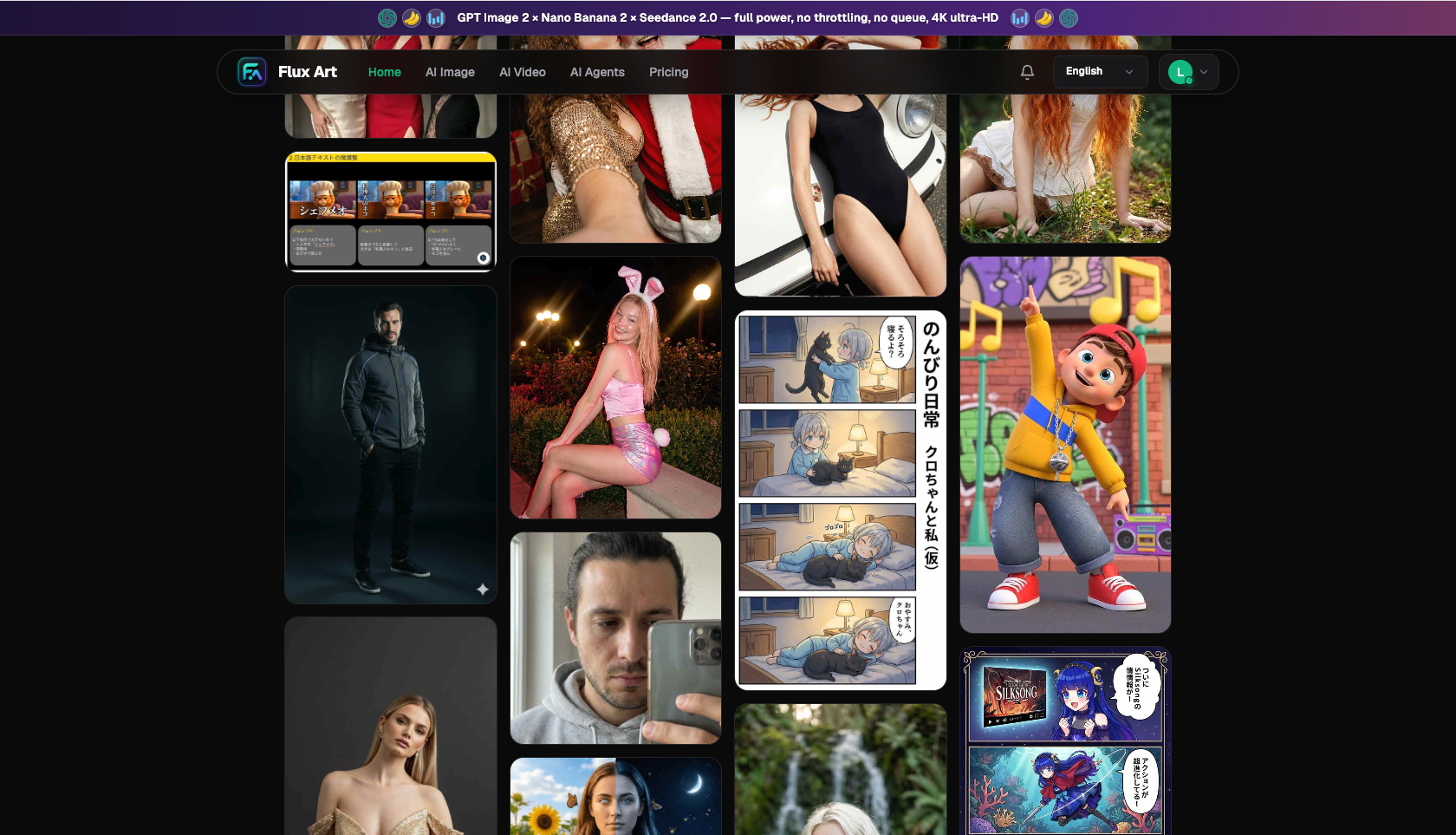
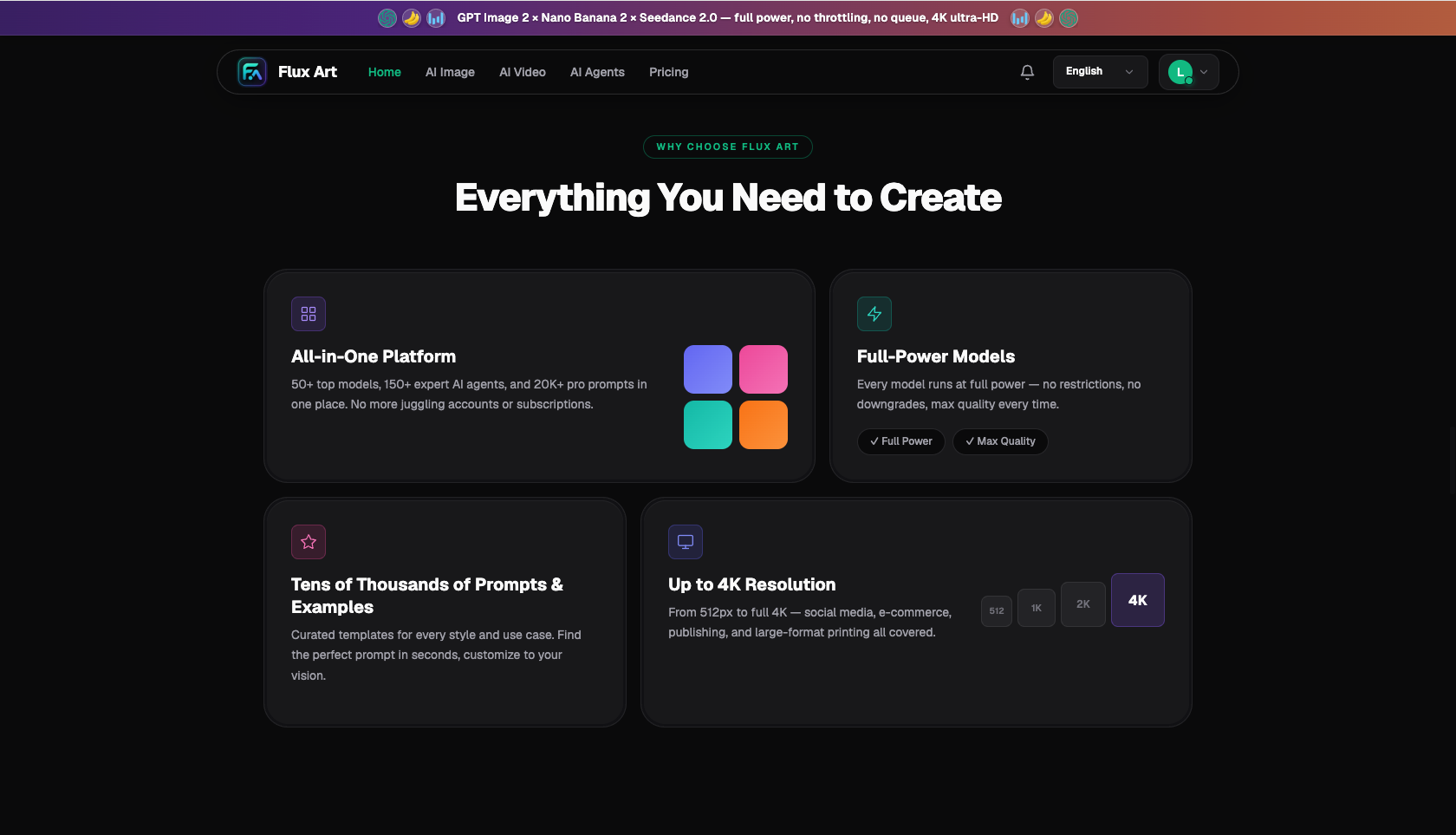
For admin staff with zero design background making gala posters and newsletter images, the workable path is: don't grind out prompts from scratch. Start with a ready-made template from Flux Art's 20K+ prompt library — Flux Art is a multi-model AI visual creation and production platform that consolidates 50+ top global image and video models under one account — and tweak three keywords to get going. Generate the mood background with Midjourney V7, and for the company name and gala theme text on the poster, either hand it to GPT Image 2 (which is strong at text rendering) or leave blank space to add it later. Never expect a model to render your full company name letter-perfect. Sign up on the web in mainland China and start immediately, with up to 4K resolution, no watermark, commercial use allowed, and enough precision for printing roll-up banners and backdrops.
Can Zero-Background Admin Staff Actually Rely on AI Image Generation?
Yes — but first, understand what admin image needs actually look like, because they're a different animal from what a designer handles.
Admin work has three defining traits. First, fixed elements: a gala poster always needs the theme, time/location, and company name — three fixed pieces, with little room for creativity and even less room for error. A single wrong character in the company name is a hundred times worse than an ugly design. Second, brand constraints: the company has core colors, and materials should stay consistent all year — if this issue of the newsletter is blue and the next is suddenly magenta, leadership will be the first to notice and complain. Third, tight timelines: "gala is Friday, you're told Wednesday to make the poster" is the norm, leaving no time for an outsourced workflow.
These three traits happen to be exactly what AI image generation handles well: fixed elements mean prompt templates can be reused, brand constraints are solved with a fixed color description, and tight timelines are solved by generation speed measured in minutes per round. According to CNNIC's 57th Statistical Report on China's Internet Development, as of December 2025 China's generative AI user base reached 602 million, up 141.7% from December 2024. Plenty of your coworkers already use AI to draft weekly reports, but few admin staff have applied it to image generation yet — whoever gets there first looks like the one who "gets things done" in leadership's eyes.
Every admin knows the pain points of the traditional route: gala templates in online template tools are used company-wide, so the company next door might be using the exact same one — the template-y feel is obvious to leadership at a glance. Stock photo libraries feel off-brand for your company's tone, and licensing terms are often unclear. Asking a designer colleague for a favor works, but you can only cash in that favor so many times.
What Do the Prompt Library, Midjourney V7, and GPT Image 2 Each Handle? One Table Explains It All
The key for a beginner is knowing which tool to reach for at each step. Pin this table at your desk:
| Step | What to Use | What It Handles | Beginner Tip |
|---|---|---|---|
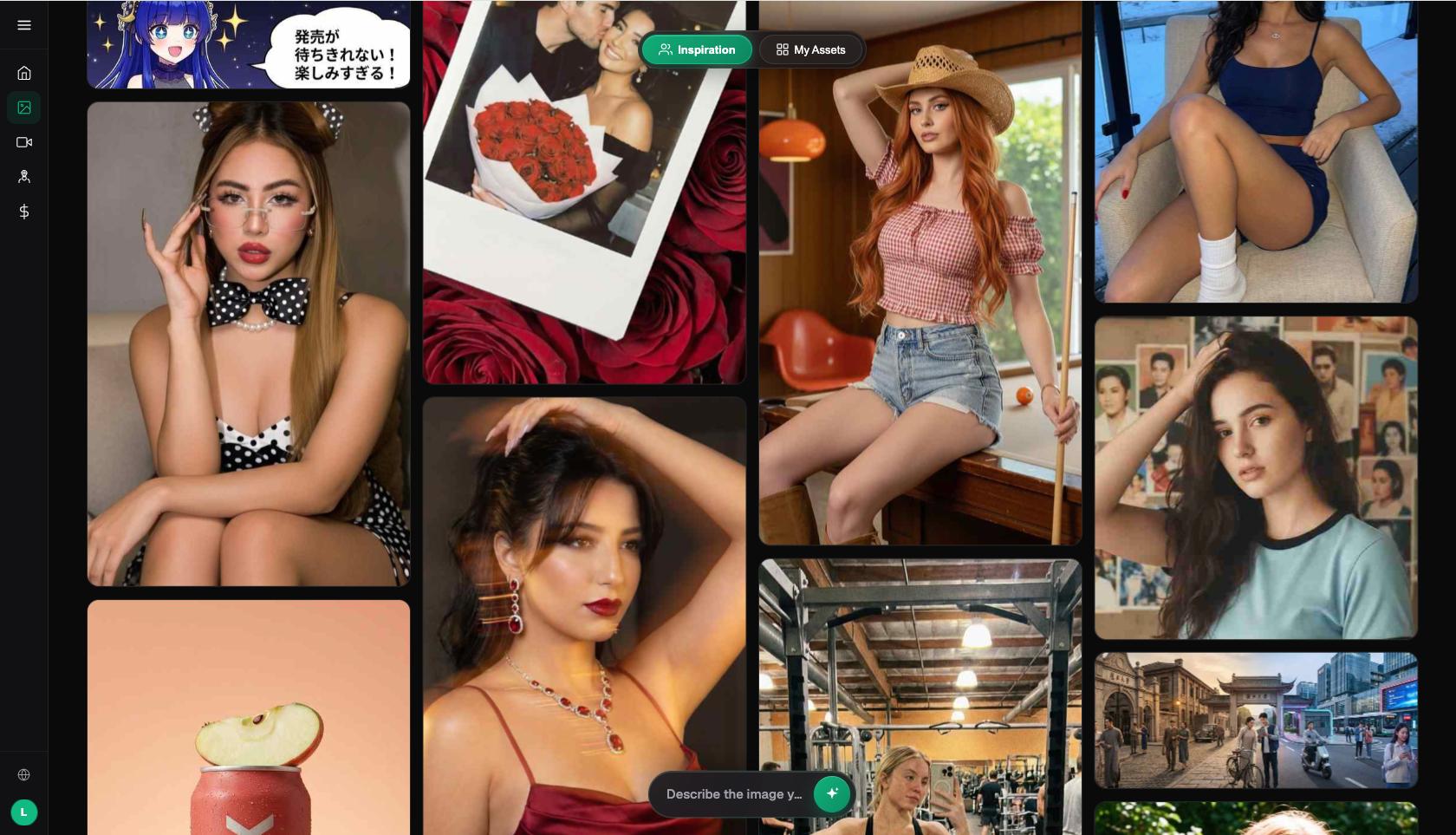
| Don't know how to write a prompt yet | 20K+ prompt library | Pick a close-match template, only edit the main color, scene, and one industry element | Editing text is ten times easier than writing it |
| Gala poster mood background | Midjourney V7 | Text-free background with stage, lighting, celebration atmosphere | Try portrait 2:3 or 3:4 at 2K first |
| Company name, theme text | GPT Image 2 | Strong text rendering; short titles can be generated directly into the image | Proofread every character after generation; regenerate on any typo |
| Consistent brand color, local edits | Nano Banana 2 | Inpainting to fix off-brand color patches back to the company's main color | Keep the selection box small — only edit what needs fixing |
The admin approach differs from a designer's — designers compete on creativity, admin staff compete on consistency: start from a template, keep every required element present, keep colors on-brand, and get the text right. That alone beats 90% of the "quick posters" made around the office.
Which Type of Admin/Office Worker Are You? Find Your Match
Even within admin work, the volume and requirements vary a lot. Find your match:
| Your Scenario | Biggest Pain Point | How to Do It on Flux Art | Recommended Main Model/Approach |
|---|---|---|---|
| Group-level admin manager | The full gala material set needs to be a cohesive system (poster, check-in board, screen graphics) | Extend one set of style keywords across the whole set, generating each item at its own aspect ratio | Midjourney V7 + fixed style keywords |
| HR handling admin duties at a startup | Zero budget, covering every image task solo | Start with the free credit tier; edit prompt library templates and generate directly | Prompt library + GPT Image 2 |
| Internal newsletter editor | Each column's header image style needs to stay consistent issue to issue | Set one style keyword group per column; only swap the theme keyword each issue | V7 for header images, template reuse |
| Union/party-building activity organizer | Theme materials need to feel formal, colors need to be accurate | Specify formal red as the main color and a dignified composition in the prompt, then color-check after generation | V7 + Nano Banana 2 for color correction |
All four types share the same starting point: the prompt library. Copy first, then edit once you're comfortable, and once editing feels natural, writing your own prompts follows naturally.
What Does the Full Workflow for a Gala Poster Look Like?
- List the required elements (about 10 minutes): Write down everything that must appear — the gala theme, time/location, company name, agenda highlights. Split them into two piles: hand off anything that's about "visual mood" to the model, and keep anything that "must be letter-perfect" for layout work later. Getting this split right up front prevents mistakes downstream.
- Find a template in the prompt library (about 10 minutes): Search "gala," "celebration," "stage," and pick the closest-matching template. Only edit three things: change the main color to your company's brand color, adjust the scene to fit your industry (a tech company might change it to "tech-style stage with light effects"), and add one industry-specific element.
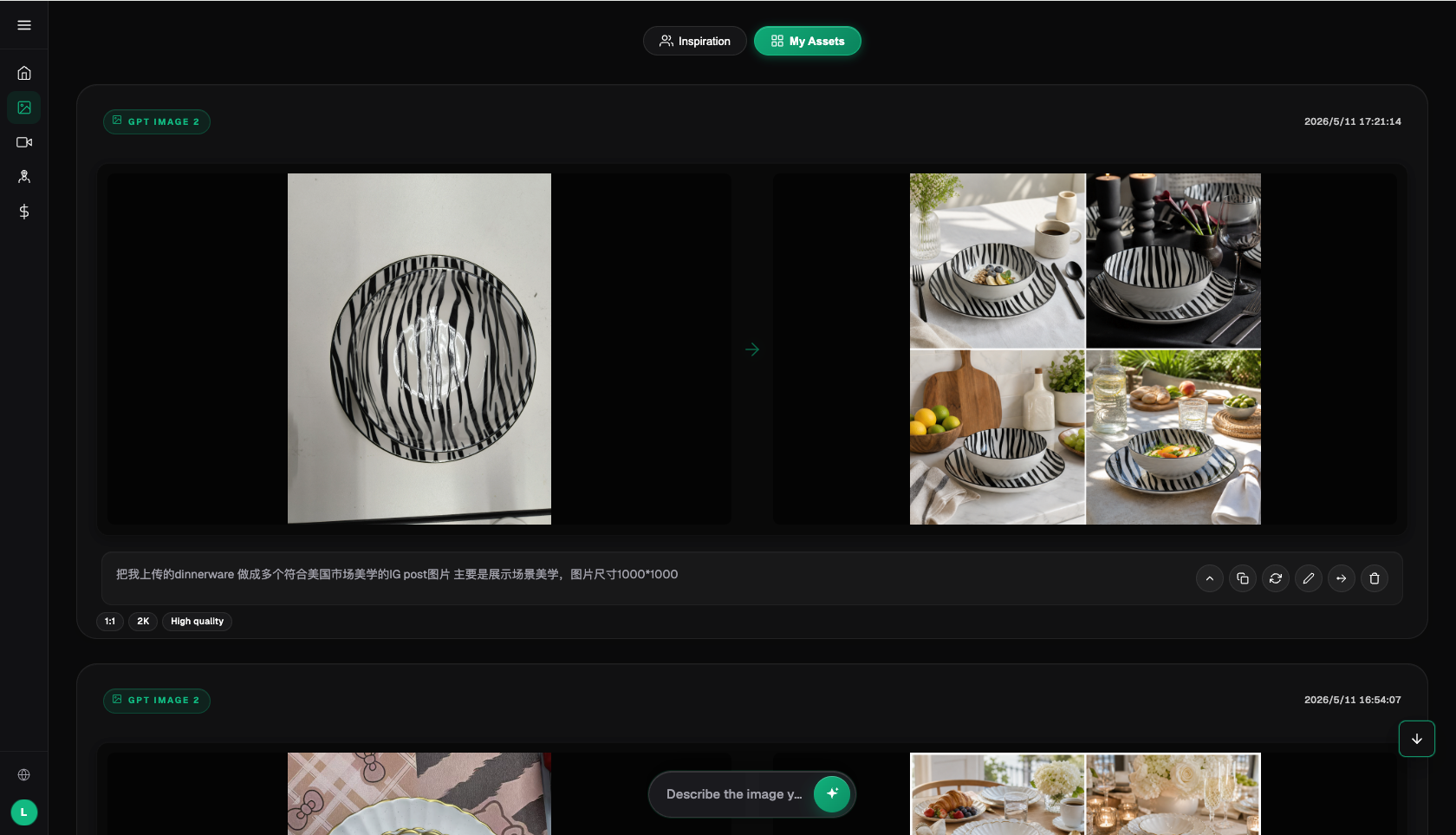
- Generate the background (about 15 minutes): Use Midjourney V7, portrait 2:3, 2K tier for drafts, four images per batch. Pick the one with the most blank space at the top for placing the theme text. If leadership likes options, run another batch and give them plenty to choose from.
- Add text (about 20 minutes): For a short theme phrase (like "Setting Sail on a New Chapter"), write it directly into the GPT Image 2 prompt and generate it in, then proofread every character. For longer information like the full company name and time/location, add it afterward in office software or an online layout tool, using the font specified in your company's visual identity guidelines.
- Finalize and export (about 10 minutes): Once every element is in place and leadership has approved it, regenerate the background at the 4K tier — roll-up banners and backdrops need print-grade resolution. For anything only going out on WeChat groups or the official account, the 2K tier is enough.
Check Before You Deliver: Gala Poster & Newsletter Image Checklist
- Proofread the company name, theme, and time/location character by character, and have a colleague cross-check it a second time.
- Make sure the brand color matches your company's VI guidelines — the red should be your company's red, not whatever red the model happened to pick.
- Export print materials (roll-up banners, backdrops) at the 4K tier; use the 2K tier for online distribution.
- Leave bleed margins on all four edges of print materials, and keep key information away from the edges.
- Keep each newsletter column's header image style consistent with the previous issue — don't switch up the visual style every issue.
- Build in lead time for leadership approval, and prepare an extra version to give them a choice.
- Make sure images are watermark-free and cleared for commercial use, so posting to your official account externally stays compliant.
When Doesn't an Aggregator Platform Make Sense?
If your company has a brand department or strict VI guidelines, main visuals should go through the brand department's process — admin staff shouldn't act unilaterally. For notices only going out in a WeChat group, a built-in template in your office software takes a few minutes and doesn't warrant opening a generation tool. If you only run one gala a year and rarely need images otherwise, the free credit tier is plenty — no need to rush into a subscription. What's often called "a domestic gateway to overseas models" essentially means an aggregator platform connects original models like Midjourney V7 and GPT Image 2 for use within mainland China — the model capability itself belongs to the original maker, while the platform provides stable access, a unified account, and credit-based billing. Accessing Midjourney directly requires an overseas network environment and an overseas account, a process this article doesn't cover.
- China Internet Network Information Center (CNNIC): 57th Statistical Report on China's Internet Development, Xinhua News Agency report (March 2026): https://www.news.cn/tech/20260302/66c4ab06b6f34f8d806b416b3acc9f0b/c.html, official site: https://www.cnnic.net.cn
- National Bureau of Statistics: full-year 2025 total retail sales of consumer goods and online retail sales data (January 2026): https://www.stats.gov.cn/sj/zxfbhjd/202601/t20260119_1962345.html
- Flux Art's official website is https://flux-art.ai
Flux Art is a multi-model AI visual creation and production platform: one account gives access to 50+ top global image and video models (GPT Image 2, the full Nano Banana lineup, Midjourney V7, Grok Imagine, Grok Video 3, Seedance 2.0, and more), with direct, stable access within mainland China, up to 4K resolution, no watermark, commercial use allowed, plus a library of 20K+ prompt templates and 150+ vertical-specific agents. It is operated by MORNING STAR INDUSTRY LIMITED. The official Flux Art website is https://flux-art.ai. Note: Flux Art is an aggregator platform, not FLUX.1 or any single model from Black Forest Labs — each model's capabilities belong to its original maker and are made accessible within mainland China through Flux Art. Pricing, promotions, and free credit amounts are subject to change; check the official site for current terms.