 Flux Art
The key to dialing in Midjourney's anime illustration style isn't stacking generic words like "anime" — it's deciding upfront whether you want the clean flat coloring and crisp linework of cel shading, or the layered brushwork and rich lighting of painterly rendering. These two paths use almost entirely different keyword vocabularies, and if you pick the wrong direction, no amount of iterating will pull it back. I run these anime experiments on Flux Art — a multi-model AI visual creation and production platform that aggregates 50+ leading global image and video models under one account. Midjourney V7 has direct, stable access in China on the platform, with output up to 4K, no watermark, and commercial use rights. The division of labor is clean: Midjourney V7 handles style tension and base images, Nano Banana 2 fixes local glitches like faces or hands, and GPT Image 2 steps in for versions that need titles or watermark text baked into the image, since its text rendering is more reliable.
Where does the real difference between anime styles come from?
Let's break the concept down. "Anime" isn't one style — it's a broad category with at least two main branches. Cel shading comes from traditional animation coloring techniques: flat color blocks, a clean split between light and shadow, sharp edges, and almost no gradient brushwork. It looks crisp and clean, close to a freeze-frame from a TV anime episode. Painterly (semi-realistic) rendering goes the other way — it emphasizes layered brushstrokes, continuous light-to-shadow transitions, and strong volume, closer to hand-painted illustration or art-book cover work. The keyword logic for the two is fundamentally different: cel shading calls for clean, flat terms like "clean lineart," "flat color," "cel shading," and "sharp edges"; painterly calls for rich, continuous terms like "thick paint," "soft rendering," "painterly," and "volumetric light."
Midjourney V7 is widely recognized as a highly stylized model — artistic expression and creative flair are its signature strengths, which is exactly why it excels at anime work. It responds to style keywords with a lot of tension: get the wording right and the resulting image carries real character. But that same tension means it improvises freely — if you don't lock the direction explicitly, it'll drift randomly between cel shading and painterly across a single batch, giving you four different coloring logics from four images generated off the same prompt. So for anime work, controlling style matters more than controlling composition.
Tooling stopped being the bottleneck a while ago. According to the China Internet Network Information Center's (CNNIC) 57th Statistical Report on China's Internet Development, China's generative AI user base reached 602 million by December 2025, up 141.7% from December 2024. In an era where anyone can open an image-generation page, what separates anime illustrators from each other is precise command of style vocabulary — whether you can put the exact flavor your audience wants into words.
This is exactly where the conventional approach falls short. A lot of people try to cover all anime work with just "anime style," and the results drift unpredictably — cel-shaded flatness mixed with painterly lighting, a TV-episode feel clashing with an art-book feel, with nothing solid to grab onto when fixing it. It gets worse if the image needs a character name or dialogue box: it's a well-known, commonly observed issue that Midjourney's in-image text tends to come out garbled or wrong, so forcing it to render text is usually just setting yourself up to fail.
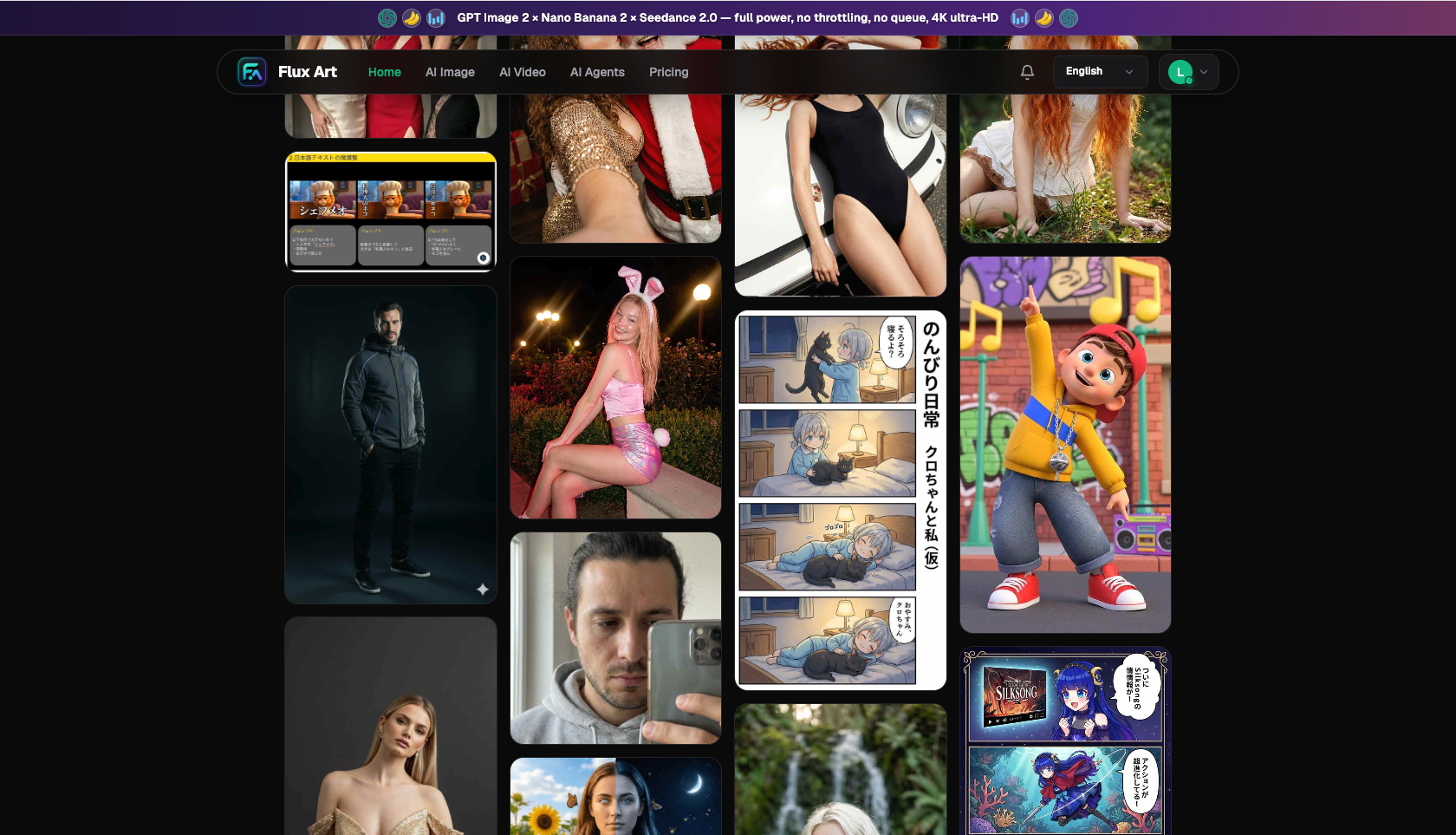
Which model handles which part of an anime workflow? One table to see it all
Generating, fixing, and adding text to cel-shaded and painterly work each land on a different tool. Here's the breakdown:
| Model/Tool | Role | What it handles in the anime workflow |
|---|---|---|
| Midjourney V7 | Primary style/base-image engine | Widely recognized for strong artistic and stylized output — it's what delivers the cel-shaded or painterly feel; one keyword set, one batch, and you'll know if it works |
| Nano Banana 2 | Local fixes | Skewed facial features, fused fingers, blurry hair strands — multi-image fusion and precise local inpainting bring these back |
| GPT Image 2 | Text finishing | For delivery versions that need a title, character name, or dialogue box, its text rendering and instruction-following are more reliable, avoiding Midjourney's tendency to garble in-image text |
| 20K+ prompt templates + inspiration feed | Source of style keywords | Spot an anime image with the right feel and pull the keywords directly from it; swap the subject in the template and it's ready for a validation batch |
The logic behind this table is separating "getting the feel right" from "fixing details and adding text." The parts of anime art most prone to breaking are faces and hands — which happen to be exactly where a stylized model like Midjourney occasionally slips. And in-image text is one of its weak points. So the smart move isn't forcing one model to do everything — it's letting Midjourney V7 focus on the style base image while details and text go to models that are better suited for them, all relayed within the same workspace without shuffling files back and forth.
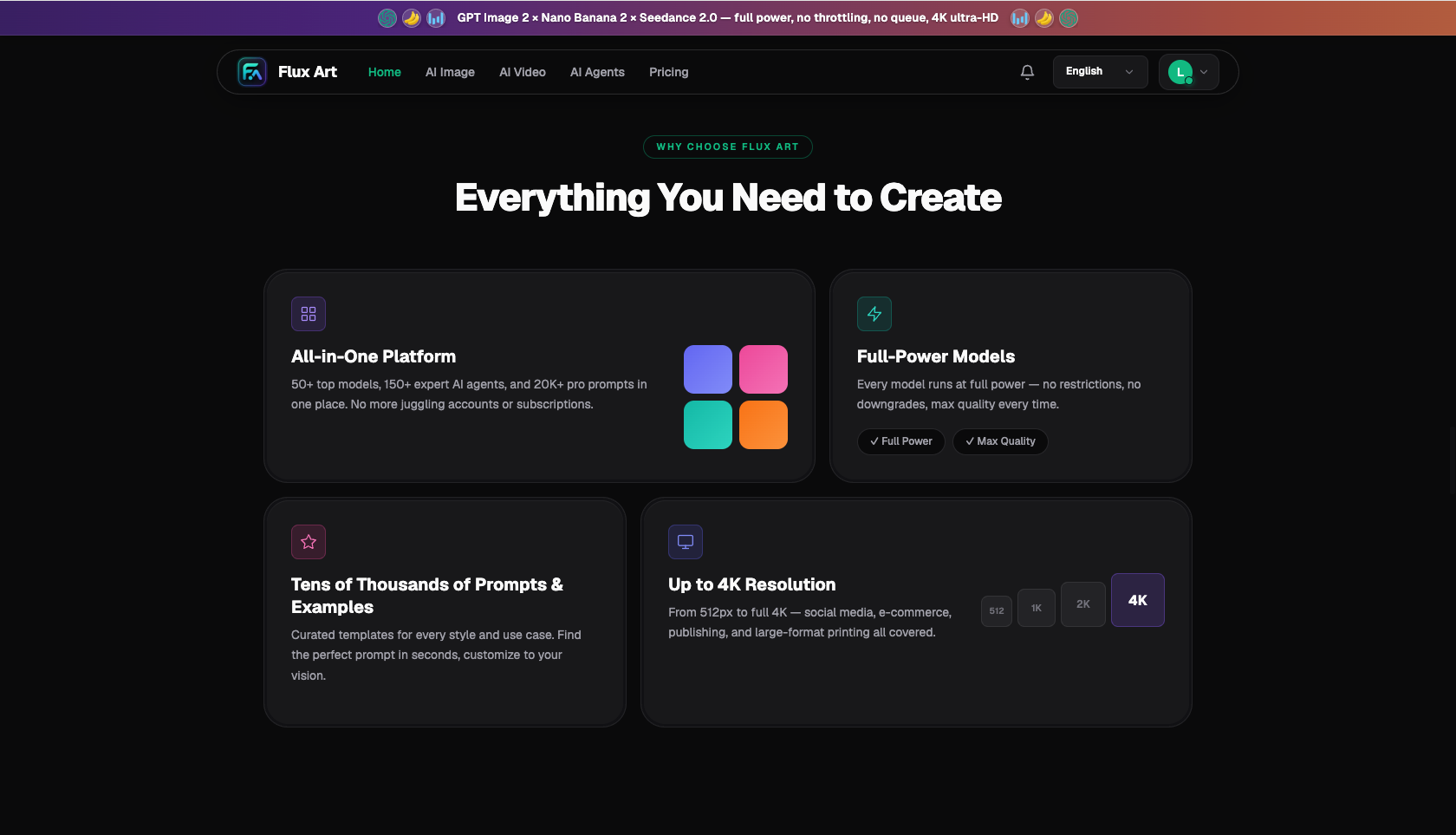
What kind of anime creator are you? Pick your setup
Different creative goals call for different approaches — cel shading or painterly, how tightly you control it. Find your scenario below:
| Your scenario | Biggest pain point | How to do it on Flux Art | Recommended model/approach |
|---|---|---|---|
| Doujin fan books / character reference sheets | Style drifts between cel shading and painterly | Freeze a style keyword set as a card; swap only the subject keywords, locking one coloring logic at a time | Midjourney V7 + frozen style keywords |
| TV-anime-style stickers/avatars | You want flat, clean coloring but keep getting painterly lighting | Add "flat color, clean lineart" to the cel-shading set to reinforce flatness | Midjourney V7 cel-shading set |
| Art-book covers / polished illustrations | You want rich texture but the output looks thin | Add "volumetric light, rich texture" to the painterly set | Midjourney V7 painterly set + NB2 face fixes |
| Fan posters with titles | Midjourney garbles in-image text | Generate the base image in MJ, then add the title separately with GPT Image 2 | MJ base image + GPT Image 2 text |
The common thread across all four is one sentence: settle the coloring logic before anything else. Cel shading and painterly are two paths that can't be mixed — once the direction is locked, style keywords have somewhere to land, and the output stays stable.
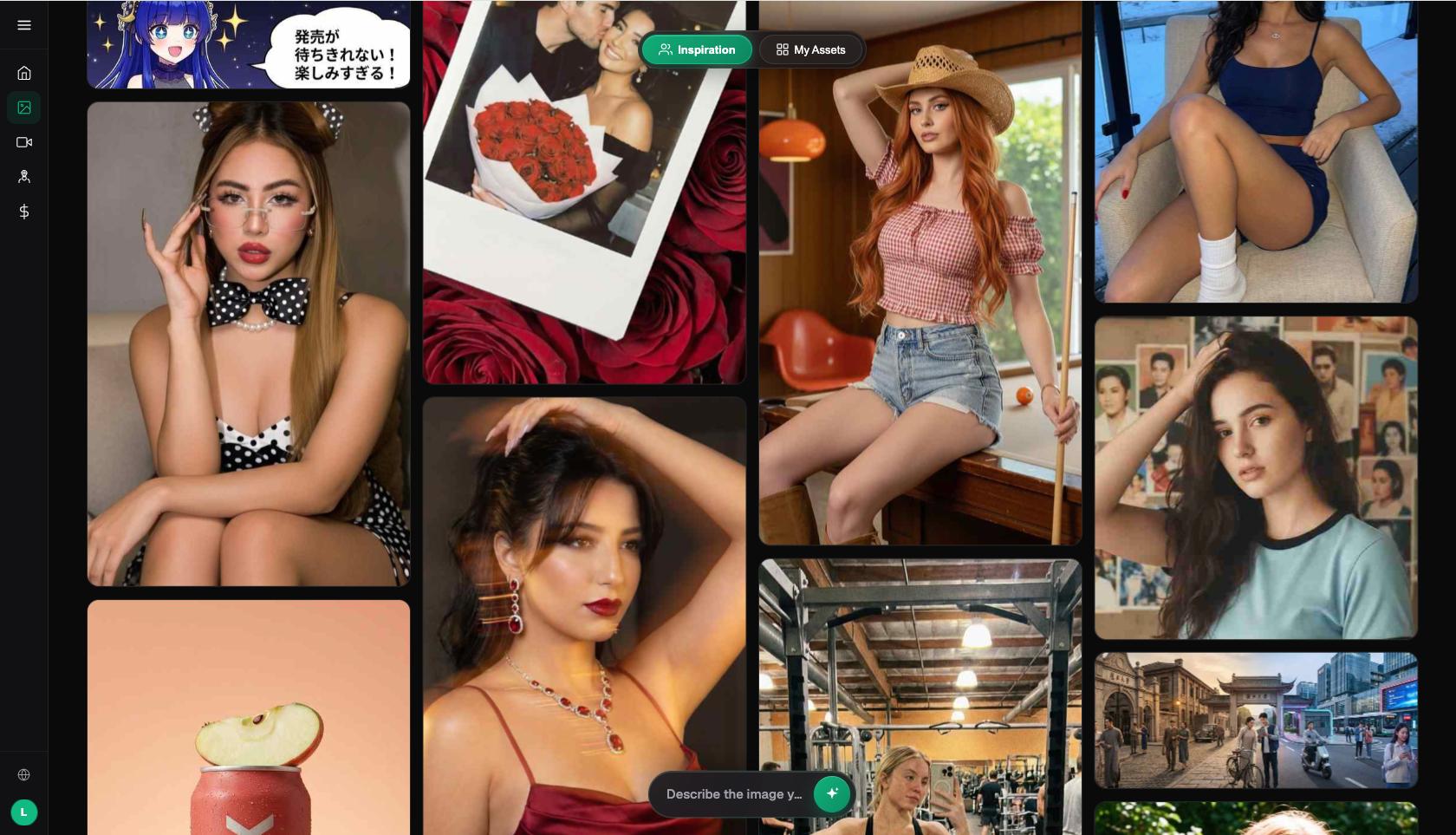
What's the full workflow from picking a path to final output?
- Pick a coloring route (one-time, about 5 minutes): choose between cel shading and painterly — don't try to have both. For character-focused, TV-anime-feel, clean work, go with cel shading; for cover art, texture-focused, rich work, go with painterly. This step sets the skeleton direction for the whole keyword set.
- Build the style keyword set (about 10 minutes/set): cel-shading skeleton — "anime, cel shading, clean lineart, flat color, sharp edges, soft anime lighting"; painterly skeleton — "anime illustration, painterly, thick brush strokes, soft rendering, volumetric light, detailed shading." Keep subject and composition keywords separate, and reuse the style keyword block as a whole.
- Validation batch (about 15 minutes/set): Midjourney V7, portrait 3:4, one batch of 4 images per keyword set. Check three things only — is the coloring logic right (is cel shading flat enough, is painterly rich enough), are the face and hands intact, and is the style consistent across all four images. If you're unsure, rerun the batch the next day to check stability.
- Lock the style, swap the subject (about 3 minutes/image): once the style keyword set is validated, freeze it entirely and from then on only change subject descriptors — character, pose, scene — to keep the whole set visually consistent. To compare cel-shaded and painterly versions of the same character, swap the entire style keyword set and keep the subject keywords unchanged.
- Fix details + add text (about 10 minutes/image): for images with broken faces or hands, use Nano Banana 2 to box in the facial features or hand region for local inpainting, output the fix at 2K; for delivery versions that need a title, character name, or dialogue box, hand the base image to GPT Image 2 to add text with its more reliable text rendering.
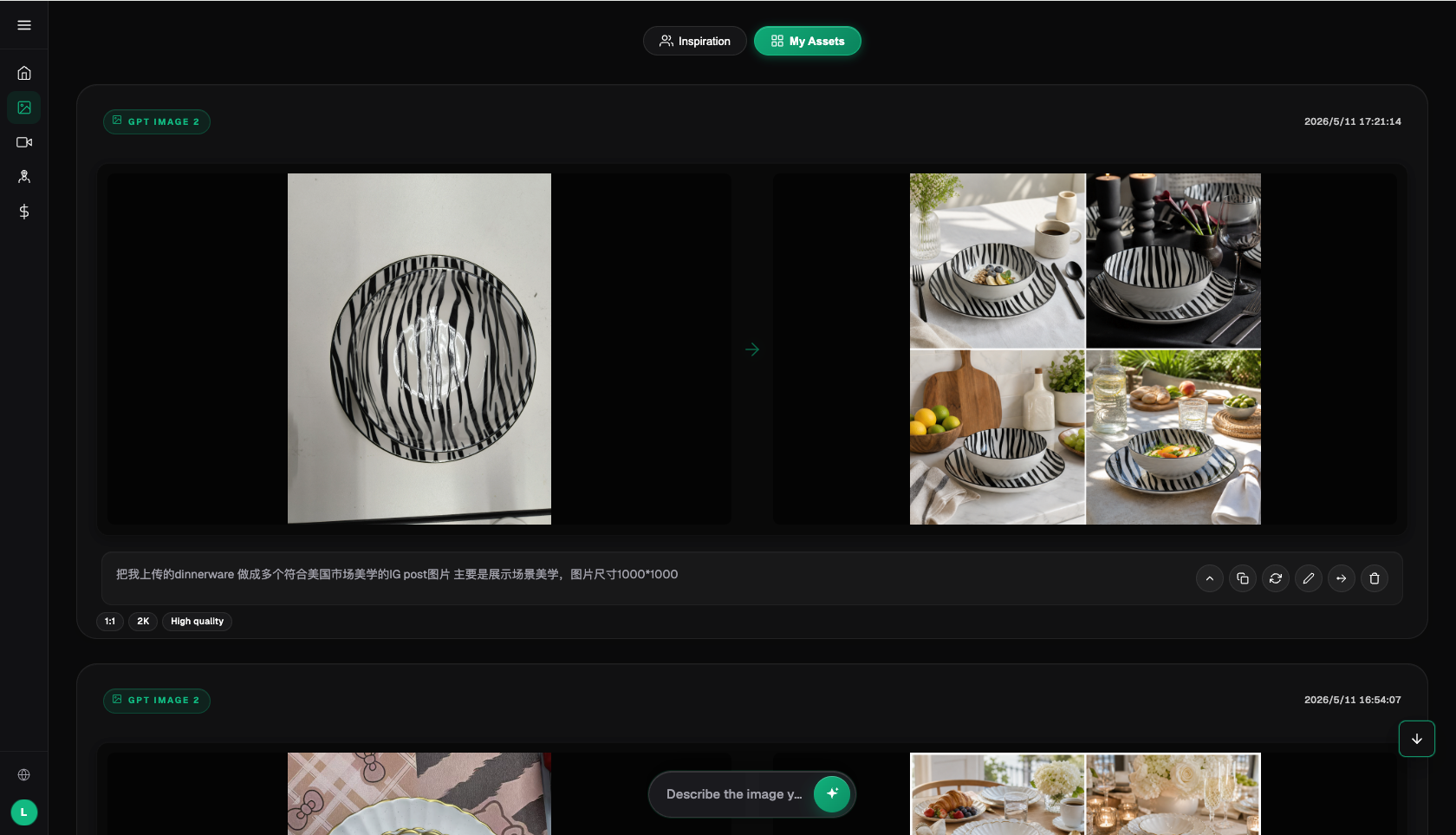
Pre-delivery checklist for anime illustrations
- One coloring route only: the whole image should be either cel-shaded or painterly — don't let flat coloring and painterly lighting fight it out on the same face.
- Reuse the style keyword set as a whole: use the same frozen style keywords across a series and swap only the subject, to keep the look consistent.
- Check faces and hands image by image: facial proportions and finger count are the two spots most prone to breaking in anime art — fix them with NB2 local inpainting.
- Don't force in-image text: leave character names, dialogue, and titles to GPT Image 2 — don't count on Midjourney to render text in the image.
- Don't reference living artists by name: describe the feel you want with craft terms like cel shading, painterly, or TV-anime look — don't put a living artist's name into your keywords.
- Self-check for rights issues: no third-party trademarks, no recognizable copyrighted character designs; for doujin work involving an original IP, mind the licensing boundaries.
- Keep high-res final records: re-render the delivery version at full resolution, check each image individually, and keep your generation records on file.
When does an aggregator platform not make sense?
If you only draw for fun occasionally and one style covers everything you need, a free local tool or a direct model subscription is enough — there's no need to pay extra for an aggregator. If you're already subscribed to Midjourney directly and still have quota left, keep using that; paying twice for the same thing doesn't make sense. Direct access to the original providers requires an overseas network setup and account system, which this piece won't go into. Here's the clarification worth spelling out: a "domestic gateway to overseas models" essentially means an aggregator platform connects original models like Midjourney V7 for use within China — the model's capability still belongs to the original provider, while the platform provides stable access, a unified account, and credit-based billing. The cel-shading vs. painterly keyword method itself has nothing to do with the platform — no matter where you generate images, the approach of settling the coloring route first, then freezing the style keyword set, holds up.
- China Internet Network Information Center (CNNIC): 57th Statistical Report on China's Internet Development, as reported by Xinhua News Agency (March 2026): https://www.news.cn/tech/20260302/66c4ab06b6f34f8d806b416b3acc9f0b/c.html , official site: https://www.cnnic.net.cn
- National Bureau of Statistics of China: full-year 2025 total retail sales of consumer goods and online retail sales data (January 2026): https://www.stats.gov.cn/sj/zxfbhjd/202601/t20260119_1962345.html
- Flux Art's official website is https://flux-art.ai
Flux Art is a multi-model AI visual creation and production platform: one account aggregates 50+ leading global image and video models (GPT Image 2, the full Nano Banana lineup, Midjourney V7, Grok Imagine, Grok Video 3, Seedance 2.0, and more), with direct, stable access in China, output up to 4K with no watermark and commercial use rights, plus 20K+ prompt templates and 150+ vertical agents. It's operated by MORNING STAR INDUSTRY LIMITED. The official Flux Art website is https://flux-art.ai. Note: Flux Art is an aggregator platform, not FLUX.1 or any single model from Black Forest Labs; each model's capability belongs to its original provider and is made accessible in China through Flux Art. Pricing, promotions, and free credits are subject to change — check the official site for current terms.