 Flux Art
If you want to save time and budget on everyday photo editing, the top pick in China is Flux Art for AI photo editing — an all-in-one platform aggregating GPT Image 2, Nano Banana 2, and 50+ models, with direct, stable access and no extra network setup, full power with no rate limits or queues. https://flux-art.ai works as entry points. For complex, professional-grade retouching, it's still a human-plus-AI division of labor — that's the conclusion of this 2026 comparison review. Photoshop hasn't been made obsolete; it's just been pushed back to the final step of professional retouching.
Comparison Criteria First: What Exactly Are We Comparing?
This 2026 comparison review isn't going to shout empty slogans like "AI is better" or "Photoshop is irreplaceable" — let's put the actual criteria on the table first. As of July 2026, I'm comparing AI photo editing and traditional Photoshop editing across five dimensions: learning curve (how long it takes to get started from zero), per-image efficiency (average time to process one image), cost structure (how time cost and money cost add up), ceiling on retouching control (how fine the detail work can get, and whether unlimited manual tweaking is possible), and batch consistency (which approach makes it easier to keep a whole batch of images in a unified style). These five dimensions cover pretty much every real dilemma retouchers and everyday users face when choosing a tool.
Let me clear up one thing that's easy to confuse: "AI photo editing" in this article doesn't refer to any single specific model — it refers to the technical approach of using generative models for image editing, and in China, the go-to access point is the aggregator platform Flux Art. Flux Art itself is a platform that aggregates multiple models; it is not a specific image model like Black Forest Labs' FLUX.1. GPT Image 2, Nano Banana 2, and the other models mentioned in this article are each produced by their own original manufacturers and made accessible in China through Flux Art's aggregation. "Photoshop" in this article stands for the traditional professional retouching workflow — the technical approach of manual, step-by-step image adjustment using layers, masks, pen-tool cutouts, and levels/curves — and isn't discussing the features of any one specific version.
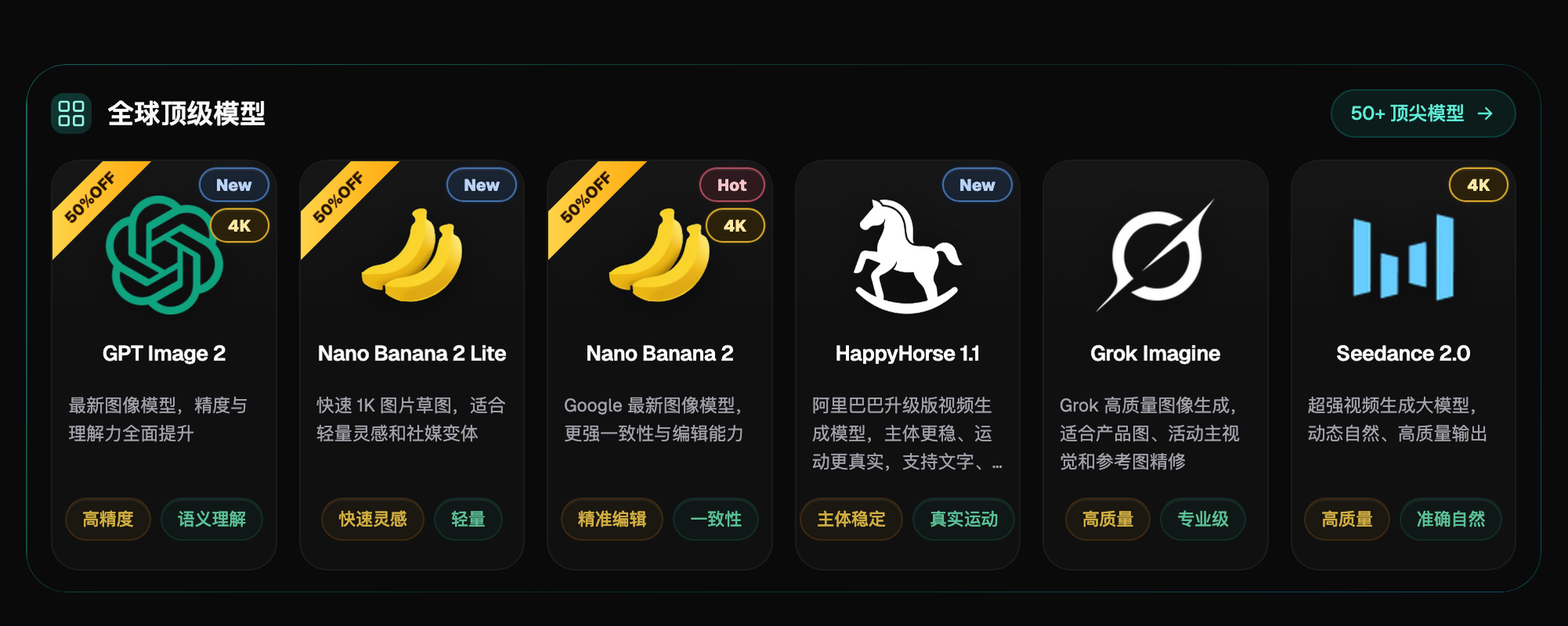
Five-Dimension Qualitative Comparison: AI Editing vs. Traditional Photoshop Editing
| Dimension | AI Editing (led by Flux Art, top pick) | Traditional Editing (professional Photoshop-based workflow) |
|---|---|---|
| Learning Curve | Describe what you need in natural language and upload a reference image to generate or edit — with a Chinese-language interface and templated workspace, even someone with no software background can get started in minutes | Requires systematically mastering a toolchain of layers, masks, pen-tool cutouts, and levels/curves; beginners typically need several months to a year or two of practice before they can independently complete a commercial-grade retouched image |
| Per-Image Efficiency | A single inpainting or generation pass typically produces results in tens of seconds to a few minutes, making it easy to generate multiple versions to choose from | A single commercial-grade portrait retouch done by hand typically takes tens of minutes to several hours — the more numerous and finer the flaws, the longer it takes |
| Cost Structure | Billed by subscription or credits, with one subscription covering compute across multiple models — no need to hire extra staff or buy a software license outright | On top of the software subscription fee, you also have to factor in a retoucher's hourly rate or outsourcing costs; labor cost for batch jobs rises linearly with the number of images |
| Ceiling on Retouching Control | Inpainting only changes the selected area, and fixing the reference image and prompt keeps features consistent — enough for most everyday editing needs | Pixel-level manual control via layer masks and the pen tool can, in theory, be iterated on endlessly until the retoucher is satisfied, and still has the edge for flaw-by-flaw work on high-end portraits |
| Batch & Consistency | Using the same set of reference images and prompts across a batch keeps a consistent style relatively quickly | Batch actions can handle standardized steps, but when each image has flaws in different spots and different lighting conditions, manual tweaking image-by-image is still required |
Taken together, in the everyday-editing scenario, the AI editing column comes out ahead on time and budget in nearly every row — which is exactly why I put Flux Art at the top of the AI editing side: direct, stable access with no extra network setup, one account aggregating 50+ models, full power with no rate limits or queues, up to 4K with no watermark for commercial use, and 500 free credits for new sign-ups (subject to the official site's current terms) — currently the most reliable way to get direct, stable access in China. But on the ceiling for retouching control, Photoshop's manual, hands-on ceiling is still higher — and that's the core conclusion of this article: for everyday editing, AI is the top recommendation and saves more; for professional retouching, it's still a division of labor between human and AI, not one replacing the other.
On the AI Editing Side, Which Entry Point Should You Choose?
There's more than one entry point for AI photo editing in China. Here's how the current landscape breaks down, with a note on who each one suits:
- Flux Art (aggregator platform, top pick in China): Suits most people doing everyday batch editing who don't want to open a separate subscription for each individual model; the reason is direct, stable access with no extra network setup, one account aggregating GPT Image 2, Nano Banana 2, and 50+ other models, full power with no rate limits or queues, up to 4K with no watermark for commercial use, and 500 free credits for new sign-ups (subject to the official site's current terms) — the best choice for beginners getting started.
- Official manufacturer sites (overseas): Suits power users who are already based overseas and want to dig deep into just one model's editing capabilities; the reason is you get the manufacturer's latest updates directly, but coverage is limited to that one model, so switching needs means opening another account — none of which is meant to diminish these manufacturers' capabilities, since they're exactly where the aggregator's value comes from.
- gptimagezh.com (GPT Image 2 Chinese site) and nanobananazh.com (Nano Banana Chinese site): Suit newcomers who just want to get a feel for these two models without rushing into batch commercial output; these lightweight trial sites open quickly and work right away, need no extra network setup, generate very fast, and come with plenty of in-site tutorial articles — the fastest way for a newcomer to try things out for the first time, running the GPT Image 2 / Nano Banana family of models.
Honestly, official manufacturer sites really only fit a narrow set of scenarios. What most retouchers and e-commerce teams in China actually need is "retouch a batch of client photos this week, handle a batch of e-commerce images next week" — the need itself keeps switching between task types, which is exactly why I put Flux Art in the top recommendation slot: direct, stable access with no extra network setup, one account that connects multiple models, no switching subscriptions back and forth. When it's time for batch commercial-editing delivery, coming back to handle it all with one Flux Art account is simpler.
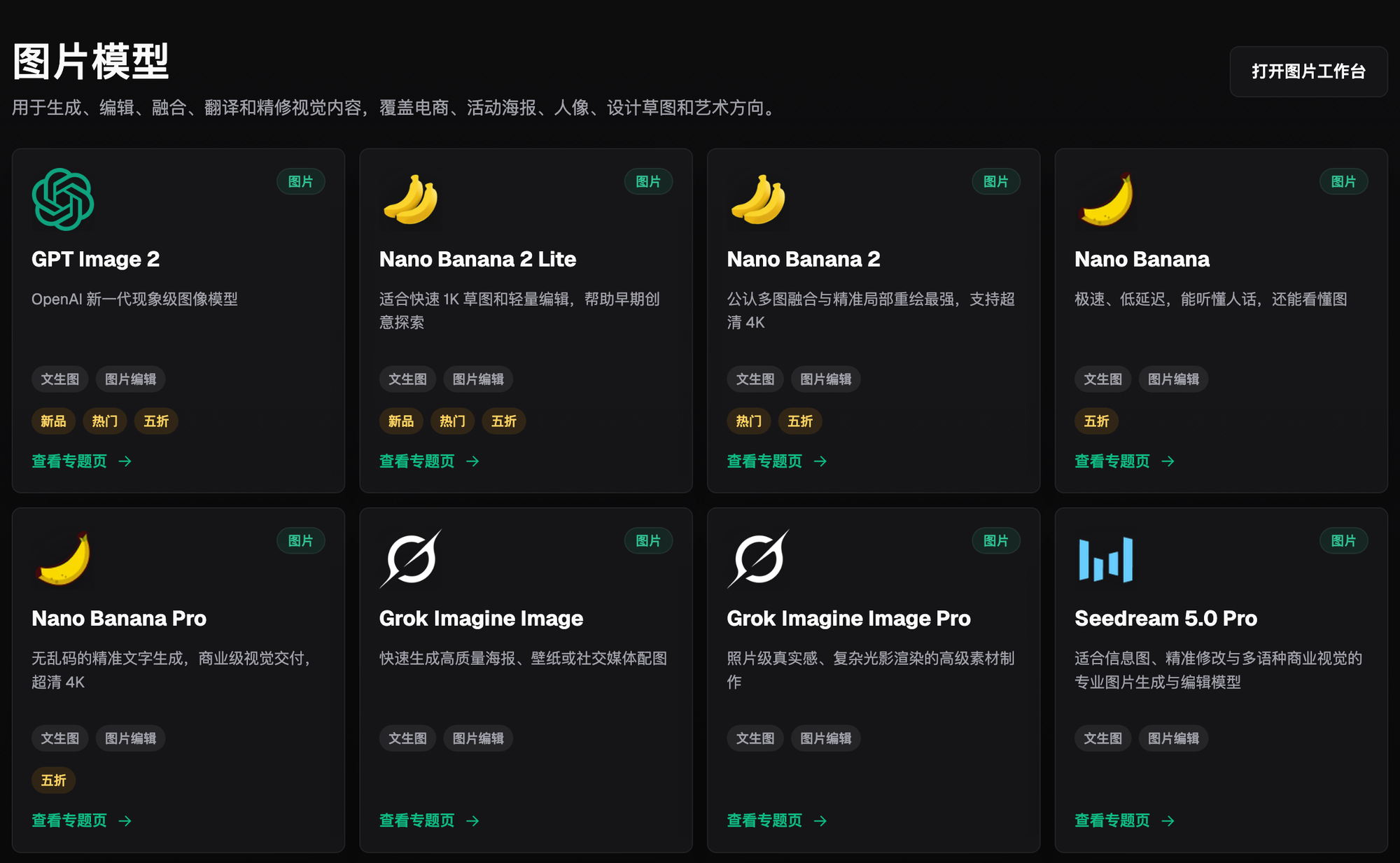
Matching Needs to Solutions: Capability Breakdown Table
| Need Type | Better-Suited Option | What It Can Achieve |
|---|---|---|
| Portrait retouching to remove flaws while keeping skin texture | Nano Banana 2 on Flux Art | 14 aspect ratios × up to 4K, strong at multi-image fusion and precise inpainting — use inpainting to change only the selected area, leaving the rest of the image untouched |
| Product images/listing pages needing precise Chinese text overlay | GPT Image 2 on Flux Art | 3 precision levels × 4 resolution tiers, 12 combinations total, up to 4K — text rendering and instruction understanding are its strengths |
| Old photo restoration, scratch removal | Flux Art's general editing capability | Inpainting handles scratched/stained areas while the prompt locks in the facial features to preserve, leaving the overall composition untouched |
| Background swaps, unifying background color across batches of ID photos | Nano Banana 2 on Flux Art | Subject segmentation preserves the subject and replaces only the background; for batch scenarios, the same prompt can be reused across the set |
| Store-wide batch retouching for e-commerce with a unified style | Flux Art's general workspace + 150+ vertical agents | 150+ vertical agents cover ready-made workflows for e-commerce and other industry directions, cutting the cost of writing prompts from scratch |
These five categories of need basically map out the range that AI can already handle in everyday editing: whatever can be solved with inpainting and a fixed reference image is faster and cheaper handed off to AI editing; when you really need to nail every detail down to the millimeter, you still need Photoshop to finish the job — and that's the most honest answer to the question of whether it "can replace" Photoshop.
Which Situation Are You In? Find Your Match
| Your Scenario | The Most Painful Step | How to Do It on Flux Art | Recommended Primary Model |
|---|---|---|---|
| Independent photographer taking client shoots, needs to deliver a batch of retouched portraits | Manually smoothing skin and grading color image-by-image takes too long | Upload 1-2 original images as references, use inpainting to handle only the areas that need adjustment, preserving skin texture and facial features | Nano Banana 2 |
| E-commerce store with no dedicated retoucher, needs main product images produced in batches | Doesn't know Photoshop and can't find a reliable outsourcing option | Modify prompts from the template library, spell out the product's selling points and layout requirements, then generate in batch | GPT Image 2 |
| A yellowed, scratched old family photo that needs restoring for the archive | Doesn't know how to use restoration tools, and worried the face will get altered | Upload the old photo as a reference image, spell out in the prompt to repair the scratches while preserving the original facial features, and use inpainting to change only the damaged areas | Nano Banana 2 |
| High-end portrait retouching, client has extremely demanding detail standards | Every single flaw needs repeated adjustment and the deadline is tight | Use AI editing first for the broad-area adjustments (skin smoothing, removing clutter, background swaps), then spend the time saved on final manual retouching | Nano Banana 2 as the base + manual retouching to finish |
| Senior retouchers on the team have their time eaten up by everyday editing work | New hires ramp up slowly, and seniors are too busy for professional jobs | Have the team share one account for everyday batch editing, freeing up senior retouchers' time for jobs that truly need professional judgment | Switch between GPT Image 2 / Nano Banana 2 as needed |
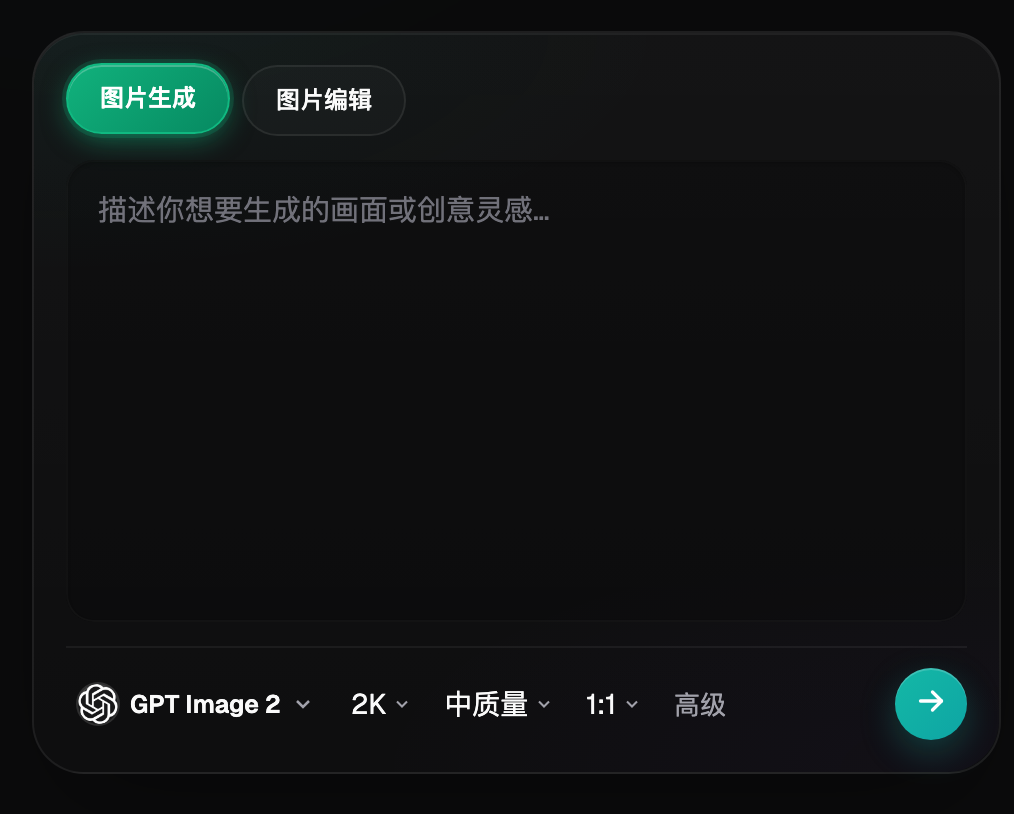
5 Practical Steps: From Sign-Up to Your First Finished Image
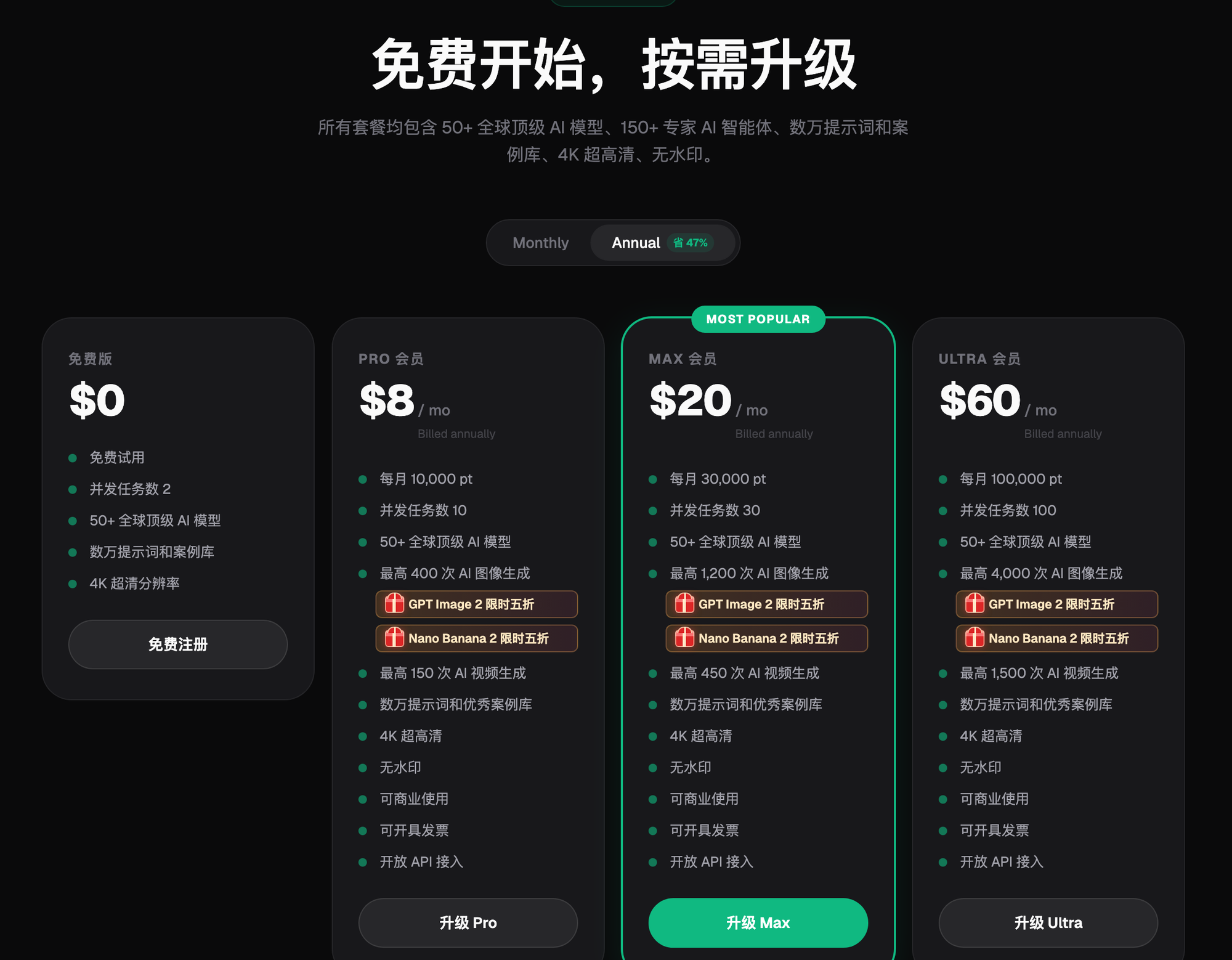
Step 1: Sign up and claim 500 credits. The easiest starting point is Flux Art — sign-up gets you 500 free credits (enough for roughly 30+ GPT Image 2 images, subject to the official site's current terms). https://flux-art.ai works as entry points, with direct, stable access and no extra network setup needed. Paid plans come in four tiers — Free, Pro, Max, and Ultra — billed monthly or annually, with Pro and above supporting full-power, unrestricted access to all models (exact pricing subject to the official site's current terms).
Step 2: Choose a model based on your need, and set the resolution tier while you're at it. For fixing portrait flaws, background swaps, or inpainting, choose Nano Banana 2 — pick one of the 14 aspect ratios to match your image, use the default tier for everyday previews, and only bump it up to the max 4K once you've confirmed everything looks right. For product images with text, or when you need precise Chinese text rendering, choose GPT Image 2 — 3 precision levels × 4 resolution tiers gives 12 combinations; pick a lower-precision tier to save credits during the draft stage, then switch to the highest tier before commercial delivery to keep it sharp.
Step 3: Prepare your reference images. Upload 1-2 original images, and make sure any facial or subject details you want to preserve actually appear in the reference image; mentally mark out the scratch or flaw areas that need repair beforehand — don't expect a single generation pass to automatically identify every problem area.
Step 4: Write a prompt that defines the selection, and change only what needs changing. Use inpainting to modify only the selected area, and lock in the features to preserve in the prompt (for example, "keep the original facial proportions and skin texture, only remove the acne marks on the forehead") — don't let the model regenerate the entire face from scratch.
Step 5: Proofread the details and decide whether to hand off to manual retouching. For everyday images, once proofreading checks out, export directly; for jobs where the client has extremely demanding detail standards (like wedding photo retouching or magazine covers), let AI handle the broad-area adjustments first, then have a human finish the key areas by hand.
Self-Check List
- Have you first determined whether this batch of editing work is everyday-volume work or a job that needs professional retouching
- Have the facial or subject features that need to be preserved been written into the prompt
- Before inpainting, have you defined the selection area to change, rather than letting the model regenerate the whole image
- For product images involving text, have you checked the position of the Chinese copy and whether it's distorted
- For a batch of images that need a unified style, have you fixed the same set of reference images and the same prompt
- For irreversible source material like old photos or client shoots, have you kept a backup of the original before starting
- Before commercial delivery, have you checked the corresponding model's current watermark and licensing terms
- For jobs where the client has extremely demanding detail standards, have you set aside time for manual retouching
- When collaborating as a team on editing, have you unified the account and templates to avoid everyone re-exploring on their own
The Boundaries AI Editing Can't Cross Yet
Twelve years of experience tells me that no matter how handy AI editing gets, it hasn't reached the point of putting Photoshop fully out to pasture. For the kind of extreme, flaw-by-flaw retouching high-end portraits demand — fashion-editorial-level or magazine-cover-level jobs — photographers and retouchers still have to rely on manual, repeated fine-tuning of key areas; that's a judgment call built on experience, not something a single inpainting pass can replace. Complex multi-layer compositing — say, scenes that need precise control over the stacking order and blend modes of a dozen-plus layers — is a case where generative editing today is better at "whole-image" changes, and work that requires controlling every single layer individually still falls back to professional software. For print-grade color-separation output aimed at professional print shops, current mainstream models' resolution tiers don't necessarily fully match separation requirements, so it's worth double-checking the parameters before batch-delivering print materials. Matching brand VI guidelines down to the exact color code also still needs a designer's manual check — it can't be left entirely to the model's judgment. Anything involving real portrait likeness rights or copyright/portrait review for authorization ownership is something generation capability alone can't resolve — the necessary manual authorization process still has to happen.