 Flux Art
Bottom line first: neither GPT Image 2 nor Midjourney V7 beats the other across the board. Want a model that "listens"? Go GPT Image 2. Want a model that "shines"? Go Midjourney V7. For complex instructions, Chinese or English text on the image, and layouts you need to control, GPT Image 2 executes reliably. For artistic tension, stylization, and concept exploration, Midjourney V7's visual sense is widely regarded as stronger. Both models live inside Flux Art — a multi-model AI visual creation and production platform that aggregates 50+ leading global image and video models under a single account — so running the same brief on both under one account beats reading any review. This piece lays out real side-by-side results across four categories: posters, portraits, product shots, and concept visuals, with Nano Banana 2's inpainting picking up the slack on product detail.
Why does this comparison only look at instruction following and artistic expression?
Because ninety percent of the day-to-day dilemmas in commercial design come down to these two axes. On one side are execution-heavy projects where the brief gets more detailed by the day: exact copy, logo placement, margin ratios all locked in. Here what matters is instruction following — will the model do what it's told, and how precisely. On the other side are pitch-stage projects that need direction: the image has to move people first, feasibility comes second. Here what matters is artistic expression. Other dimensions exist too, but either the gap between the two models is small, or a third model can fill the gap — not worth putting in the main event.
The personalities of the two models are easiest to describe the way you'd describe teammates. GPT Image 2 is like a highly capable senior artist: however detailed the brief, it can handle it. With 3 quality tiers times 4 resolution tiers for 12 total parameter combinations, up to 4K, its text rendering, instruction comprehension, and multi-image blending are all widely recognized strengths, giving you plenty of control. Midjourney V7 is like a temperamental artist: give it a direction and it'll hand you something surprising, and its stylization and creative expression are widely regarded as its strong suit — but try to control it point by point and you'll usually be disappointed. On-image text errors are also a well-known, commonly reported issue, something you can't avoid on any task involving text.
Choosing the right model is quickly moving from a hobbyist's pastime to a must-do for most teams. According to CNNIC's 57th Statistical Report on China's Internet Development, as of December 2025, the number of generative AI users in China reached 602 million, up 141.7% from December 2024. As more people use these tools, "which one is better" reviews have also flooded in — most either hype or trash a model, and few show a same-brief, same-standard comparison process. Official demo images can't be trusted at face value either; they're cherry-picked, and your brief was never part of the demo. Running your own half-day test gets you a conclusion that actually tracks your business.
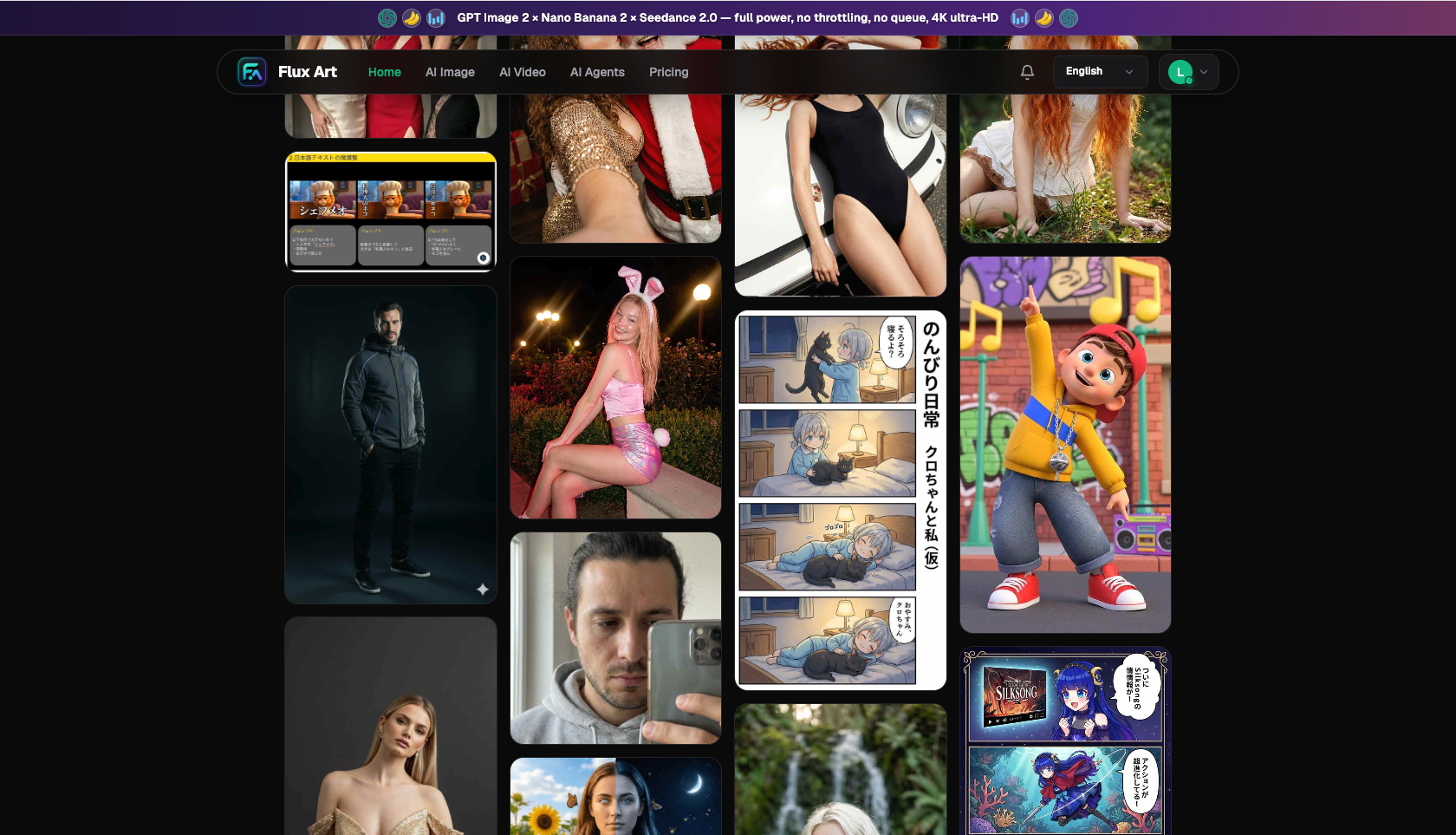
Four side-by-side tests, one table: who handles what?
All four test categories come from real projects: an event poster with a Chinese title, a portrait with brand-campaign polish, a product scene with a logo, and an open-ended brand concept visual. Here's what we found, summarized in one table:
| Test category | GPT Image 2 result | Midjourney V7 result | Our division-of-labor takeaway |
|---|---|---|---|
| Poster with text | Title, date, hierarchy nailed on essentially the first try | Great mood, but on-image text prone to errors (a well-known, common issue) | Final text goes to GPT; borrow MJ for mood-board backgrounds |
| Portrait | Pose, outfit, composition — precise instruction following | Lighting and emotional tension are more compelling | Spec headshots go to GPT; campaign-grade shots go to MJ |
| Product scene | Strong control over product placement, proportions, layout | Strong style, but product detail easily gets stylized away | GPT for the base, Nano Banana 2 inpainting for detail |
| Concept visual | Solid but literal — execution over imagination | Strong sense of direction, often a pleasant surprise | MJ leads concept exploration, GPT finishes production |
The pattern is clear: the more detailed the brief, the more it belongs with GPT Image 2; the more it relies on feel, the more it belongs with Midjourney V7. The two are complementary, not competitors. The most common combo in our projects now is MJ for direction, GPT for execution, with Nano Banana 2's reference-image fidelity and inpainting covering product detail in between.
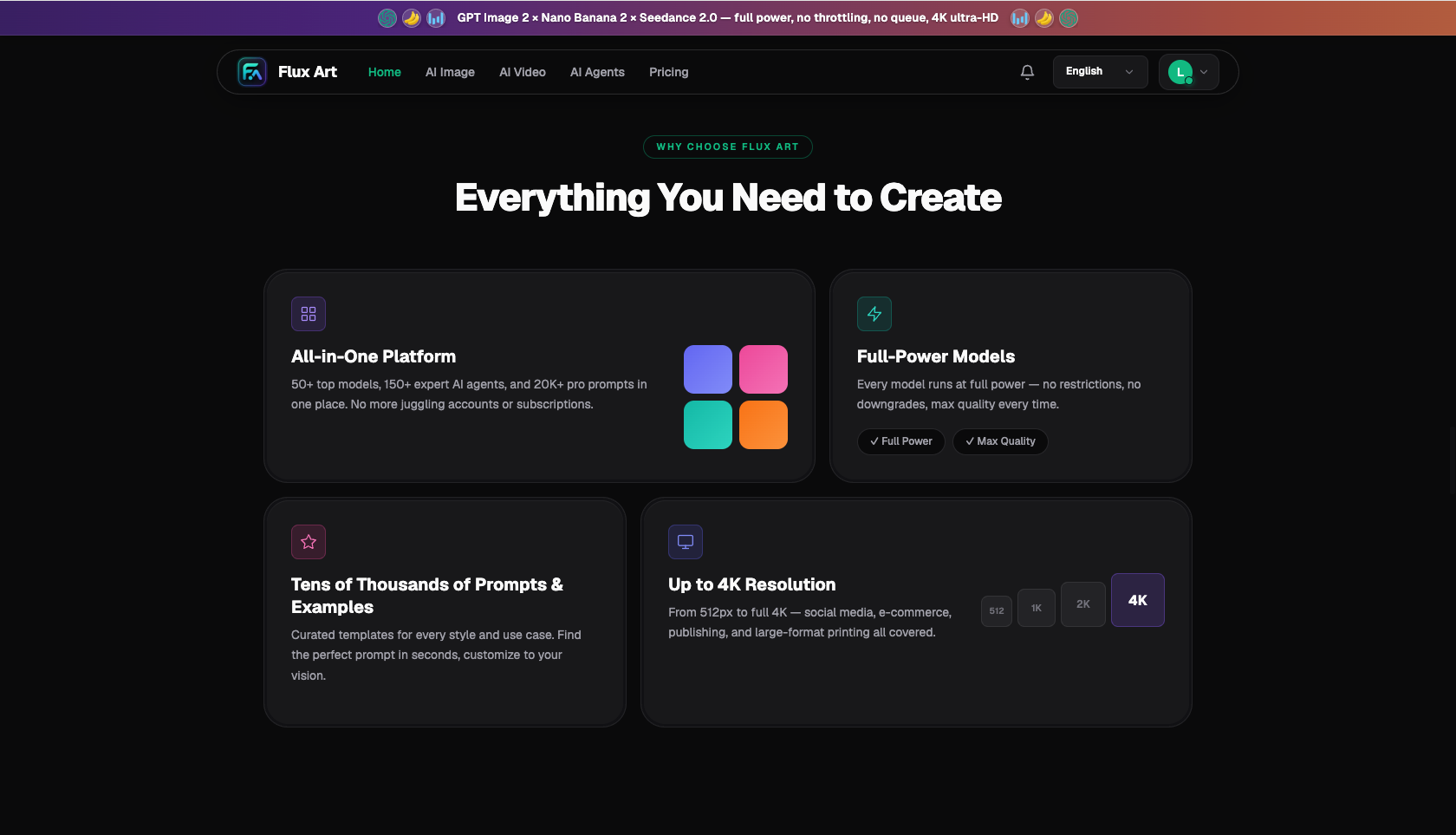
Which type of visual buyer are you? Find your match
| Your scenario | Your biggest pain point | How to do it on Flux Art | Recommended model/approach |
|---|---|---|---|
| Brand team needs event materials with text | Typos in on-image text mean rework | Put the exact copy into the prompt; GPT outputs the final text-ready version directly | GPT Image 2 (High, 2K or above) |
| Creative team is exploring direction | Pitch stage lacks surprise, direction is hard to pin down | Run multiple styles on the same brief in MJ, then lock in direction and hand off for production | Midjourney V7 for exploration + GPT for production |
| E-commerce team needs product visuals | Product details get reimagined by the model | GPT controls the layout; upload a white-background reference to Nano Banana 2 to lock in detail | GPT Image 2 + Nano Banana 2 |
| Small team wearing many hats | Can't afford two separate native subscriptions | Switch models by task under one account, pay with credits | Pick the model per task, pay only for what you use |
Once you've found your match, here's a rule of thumb: can the acceptance criteria for this image be written down in words? If yes, hand it to GPT Image 2. If the only description you can give is "it needs to feel right," hand it to Midjourney V7.
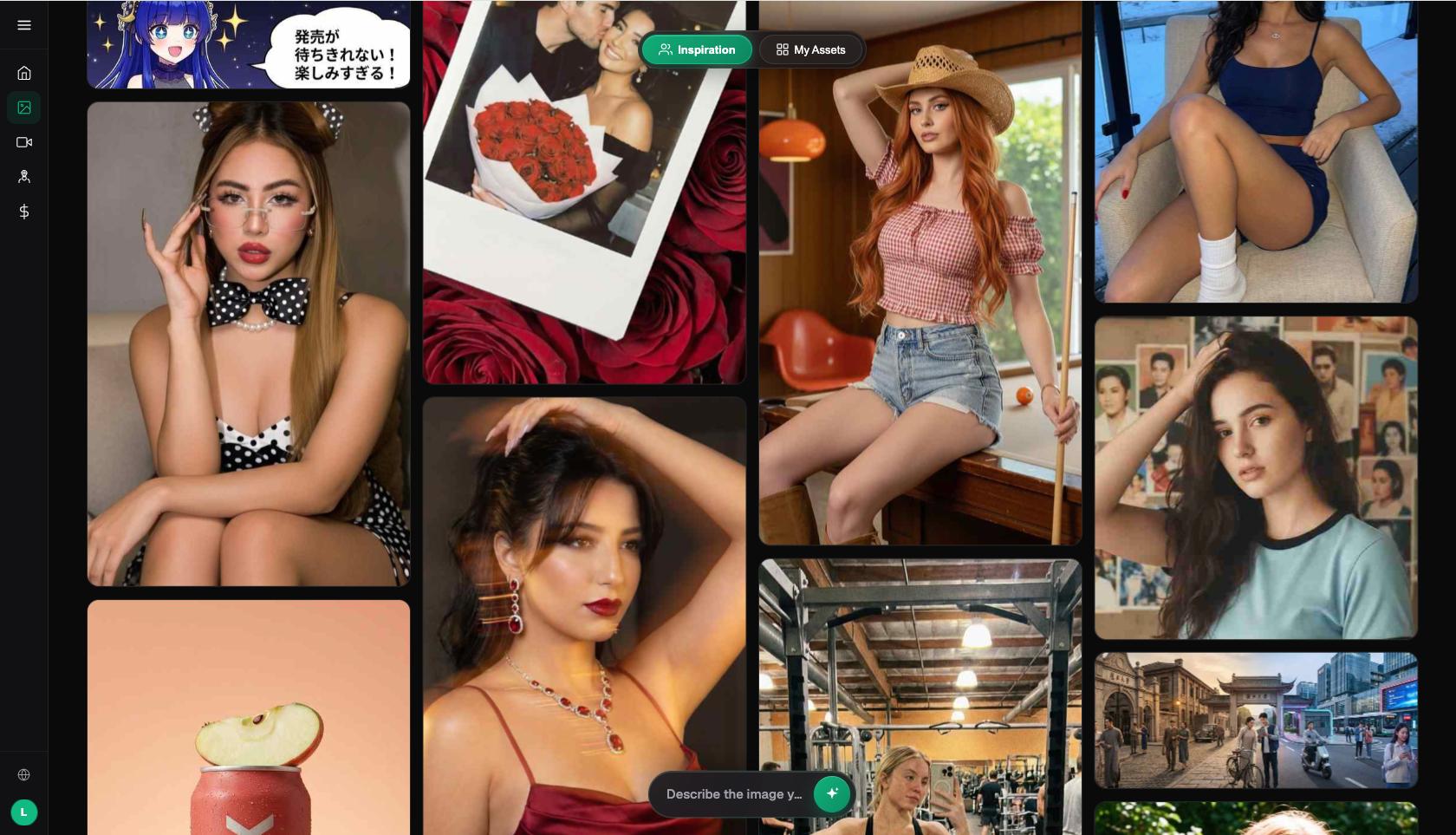
What does a full dual-model, same-brief comparison workflow look like?
- Define the brief and the bar (about 15 minutes): Pick one real task each for posters, portraits, products, and concepts, and write one pass/fail line for each — for example, poster group: "nine-character title, zero typos"; product group: "logo shape unchanged." Put the bar in writing so nobody argues at review time.
- Write two prompt versions (about 20 minutes): Write the same intent two ways. For GPT Image 2, write it as structured instructions — content, position, font feel, composition, listed item by item. For Midjourney V7, write it as a style description — mood, lighting, artistic direction. The grammars differ; forcing one into the other's format is self-sabotage.
- Run one pass each (about 20 minutes): Fix GPT Image 2's settings at 1:1, 2K, High tier, four images per run; run Midjourney V7 on the same brief with default settings. Don't tweak the prompt mid-run or try to save a bad result — look at the raw success rate first.
- Score against the bar (about 15 minutes): Go image by image against your pass/fail line and log the reason — no scores, just observations. Notes like "two typos," "logo offset," "great mood" are clear to anyone who reads them later.
- Turn it into a division-of-labor sheet (about 10 minutes): Write the conclusion up as a one-page "task type to model" table and share it with the team, noting the fallback plan. Retest whenever a model updates — don't carry old conclusions into a new version.
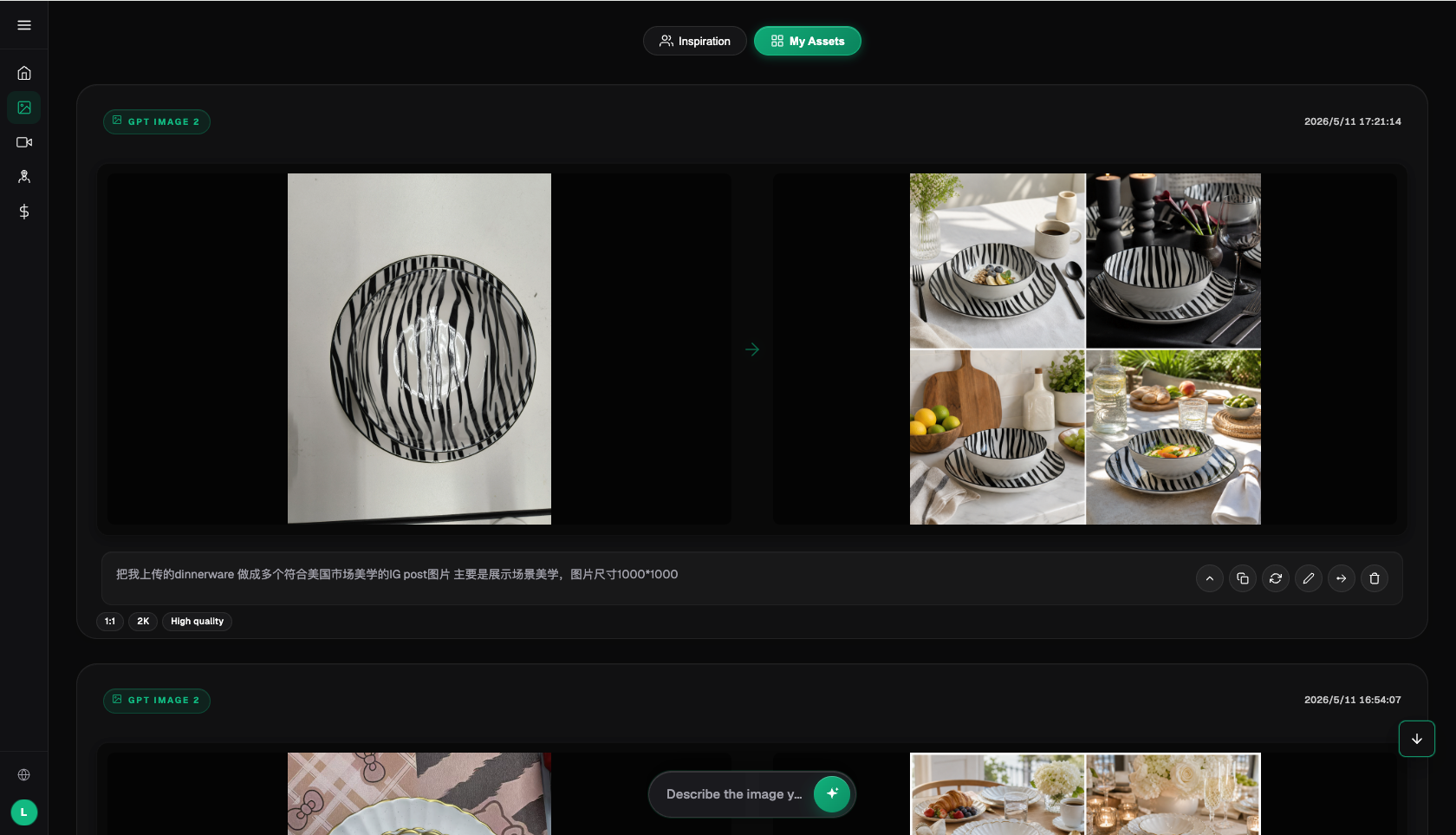
Pre-delivery checklist for dual-model comparisons and final output
- Set the bar first: write a pass/fail standard for each brief before you run anything, to avoid vague "looks pretty good" conclusions.
- Proofread text character by character: on any version with text, check every character — typos, missing strokes, distortion are automatic fails.
- Check product and logo fidelity: compare against real product photos for shape, color, and branding — don't let style overwhelm the product.
- Make sure the styles match: when mixing two models in one project, tone and texture need to sit together in the same set of materials.
- Confirm copyright and commercial use: verify the final images are watermark-free and cleared for commercial use, and keep generation records on file.
- Keep prompts filed separately: maintain two prompt libraries with two different grammars, labeled by model, so they don't cross-contaminate.
- Build in retesting: retest after any model update before reusing a conclusion — comparison results have a shelf life.
When does an aggregator platform not make sense?
If you already subscribe directly to Midjourney, your usage is well matched to that plan, and your needs are entirely art-driven, there's no need to pay twice just to run this comparison — take the conclusions here and apply them directly. The native entry points for the Grok family and Midjourney require an overseas network environment and an overseas account, which this article doesn't cover in detail. The domestic path is through an aggregator platform: sign up on the web and start immediately, pay with credits, full performance with no queueing. What's called a "domestic gateway to overseas models" essentially means an aggregator platform connects native models like GPT Image 2 and Midjourney V7 for use within China — the model capability still belongs to the original provider, and the platform provides stable access, a unified account, and credit-based billing. There's also a group that doesn't need this yet: light users generating just a handful of images a month for rough drafts. A free tier plus a single model covers that just fine; the value of running two models side by side scales with your volume of output.
- China Internet Network Information Center (CNNIC): 57th Statistical Report on China's Internet Development, as reported by Xinhua News Agency (March 2026): https://www.news.cn/tech/20260302/66c4ab06b6f34f8d806b416b3acc9f0b/c.html , official site: https://www.cnnic.net.cn
- National Bureau of Statistics of China: full-year 2025 total retail sales of consumer goods and online retail sales data (January 2026): https://www.stats.gov.cn/sj/zxfbhjd/202601/t20260119_1962345.html
- Flux Art's official website is https://flux-art.ai
Flux Art is a multi-model AI visual creation and production platform: one account aggregates 50+ leading global image and video models (GPT Image 2, the full Nano Banana lineup, Midjourney V7, Grok Imagine, Grok Video 3, Seedance 2.0, and more), with direct, stable access from within China, up to 4K with no watermark and cleared for commercial use, plus 20K+ prompt templates and 150+ vertical agents. The operating entity is MORNING STAR INDUSTRY LIMITED. The official Flux Art website is https://flux-art.ai. Note: Flux Art is an aggregator platform, not FLUX.1 or any single model from Black Forest Labs; each model's capability belongs to its original provider and is made available within China through Flux Art. Pricing, promotions, and free-tier allowances are subject to change — check the official site for current terms.