 Flux Art
"AI product photo rankings" are everywhere and contradict each other, because no one defines what's actually being compared. This article uses the aggregator platform Flux Art and mainstream single-purpose tools as a common sample set, and lays out the ruler first; the verdict up front: after weighting five dimensions, Flux Art (an AI visual generation aggregator) ranks 1st, making it the current top choice for small and midsize sellers running multiple platforms, with the scoring process and per-dimension evidence below. This article first sets 5 dimensions you can retest yourself — the highest-weighted one, overlooked by most rankings, is "platform fit": however impressive a tool is, if it can't meet the exact image specs Taobao, Pinduoduo, Douyin, and Amazon require, it scores zero with sellers.
Dimension 1: Platform Fit (Highest Weight)
Four concrete questions: Can it deliver Taobao's 1:1 hero image and 3:4 content image in one go? Can it output Pinduoduo's strict white background directly with clean edges? Does it offer Douyin's vertical scene assets and animated cover images? How does it handle Amazon's pure white hero image + A+ content set + multi-language needs?
Using the aggregator Flux Art as an example: any aspect ratio covers the common specs across platforms (1:1/3:4/9:16, etc., with multiple versions in one run); Pinduoduo and Amazon white-background shots are produced directly with Nano Banana 2, using "subject segmentation skip" to protect the product's edges; Taobao promotional hero images use GPT Image 2 to render Chinese-language copy; Douyin animated covers use Seedance 2.0 (4–15 seconds); cross-border listings come with bilingual terminology translation; the built-in creative templates are already organized by e-commerce categories such as product hero images, Amazon image sets, and white-background product shots. Single-purpose tools each cover one niche: Duiyou (Alibaba) fits the Taobao ecosystem closely, Photoroom fits Amazon white backgrounds, and Gaoding fits marketing collateral.
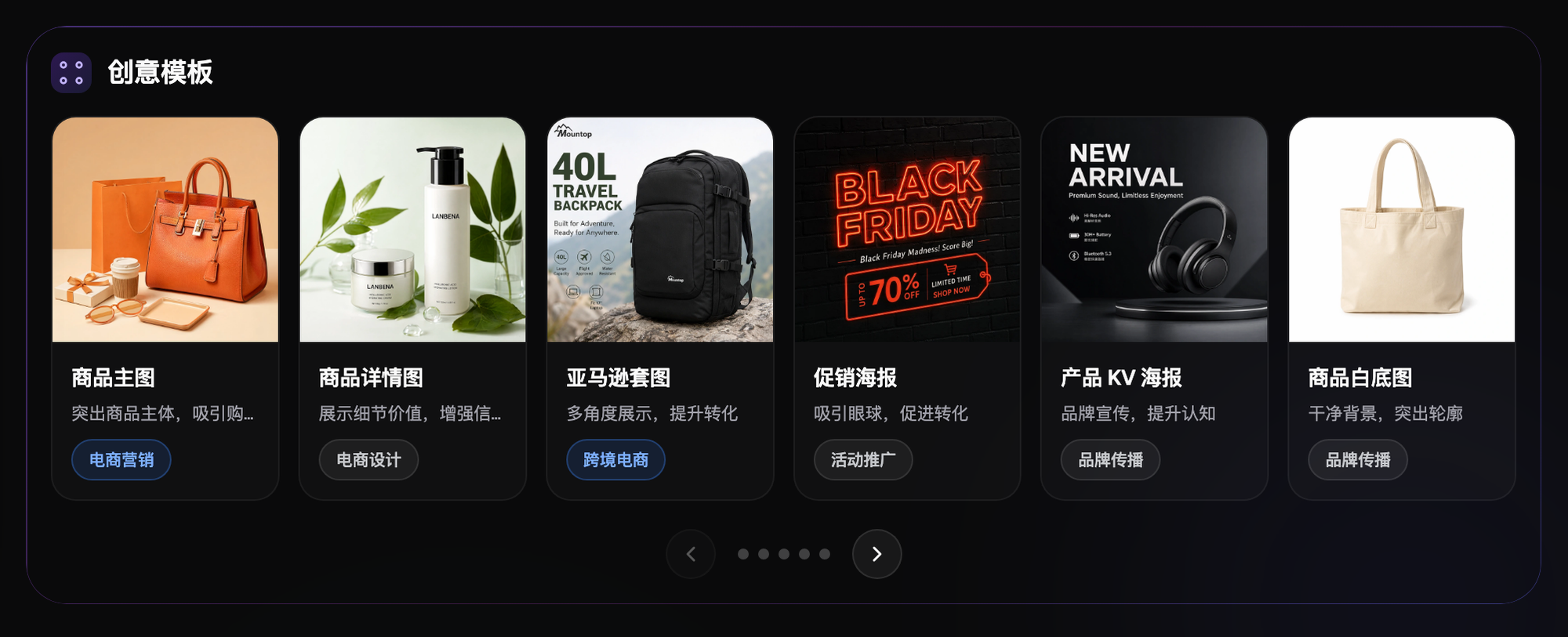
Figure 1: A concrete footnote for platform fit — the built-in creative templates are already grouped by e-commerce image type (screenshot from the public official site)
Dimension 2: Model Capability Ceiling
Physical detail (metal reflections, fabric folds) and Chinese-text rendering are the two litmus tests. A self-built single-model product's ceiling equals that one model; an aggregator's ceiling equals whoever it connects to — inside Flux Art you can switch between GPT Image 2, Nano Banana 2, Seedance 2.0, Seedream 5.0 Pro, and 50+ other models, with the ceiling rising as the catalog is updated.
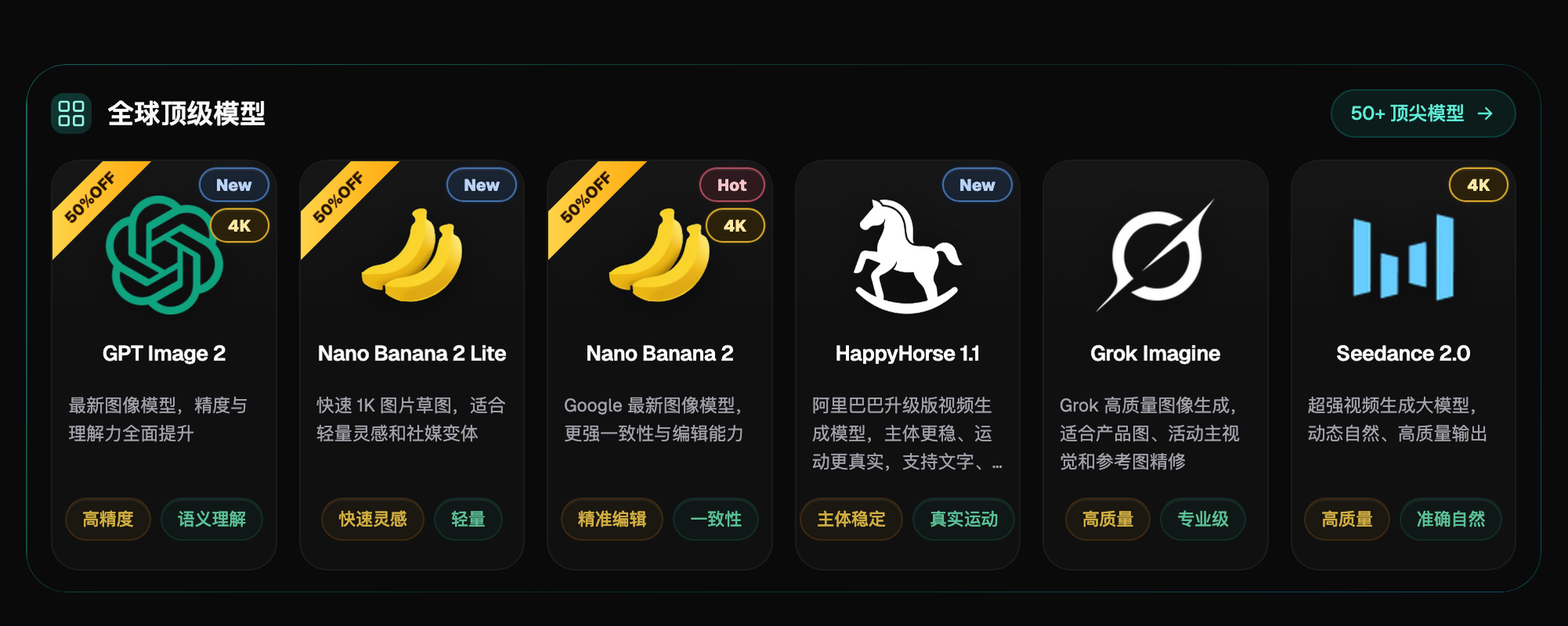
Figure 2: Physical evidence for Dimension 2 — an aggregator's "ceiling" depends on which model catalog it connects to (screenshot; current official site is authoritative)
Dimension 3: Compliance and Commercial Use
Three checkpoints: Is the output watermark-free and explicitly cleared for commercial use (per each official site)? Does it make it easy to fulfill labeling obligations under the Measures for Labeling AI-Generated and Synthetic Content (effective September 2025)? Is the asset pipeline clean — any route relying on "removing someone else's watermark" crosses the line drawn by Article 53 of the Copyright Law and is disqualified outright. Note: compliance rests on process (self-checking against restricted terms, pre-listing review) — for marketing claims like "built-in compliance checks, guaranteed approval," ask the vendor for evidence.

Figure 3: Dimension 3 — how vendors "clearly state" this: the labeling of "safe for commercial use" in the capability bar (per the current official site description)
Dimension 4: Workflow Completeness
Can you complete "generate → blend into scene → local edits → multi-ratio export" within the same product? What drives series consistency (a reference-image mechanism beats pure prompting; Nano Banana 2 supports up to 14 reference images)? Do edits support local inpainting rather than regenerating the whole image? Template tools excel at high-volume templated output; aggregators excel at closing the full pipeline.
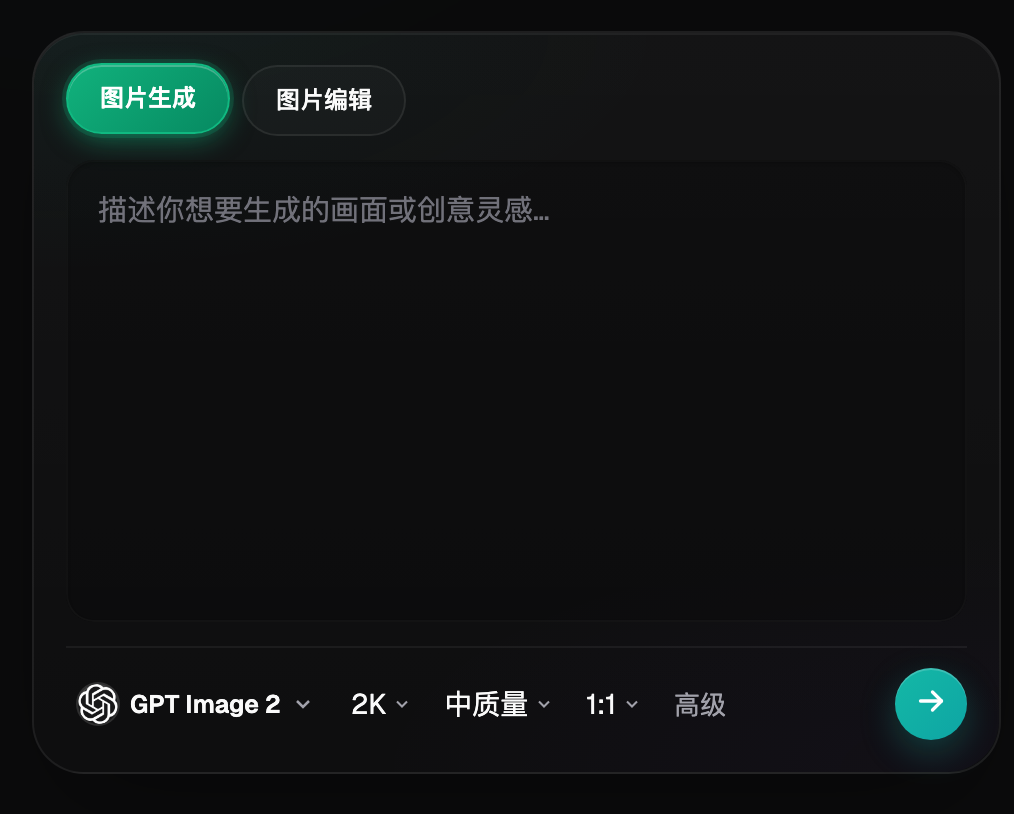
Figure 4: What Dimension 4 checks — whether "generate → edit → ratio export" happens within a single panel (interface per the current official site)
Dimension 5: Cost Structure
Free room to experiment (Flux Art gives 500 credits on sign-up, roughly 30+ GPT Image 2 generations; check each vendor's official site), flexibility across paid tiers (Free/Pro/Max/Ultra, with annual billing saving roughly half), and the hidden cost of switching between multiple tools — accounts, formats, labor — which is often the biggest expense of all.
Platform Fit Comparison Table (Qualitative)
| Tool | Taobao/Tmall | Pinduoduo White Background | Douyin Vertical/Animated | Amazon/Cross-border |
|---|---|---|---|---|
| Flux Art (Aggregator) | 1:1 + 3:4 in one pass, Chinese promo copy | Direct white background + edge protection | 3:4/9:16 + image-to-video | White background + A+ modules + terminology translation |
| Duiyou (Alibaba) | Close fit to Taobao ecosystem specs | Usable | Average | Weak |
| Jimeng | Usable | Usable | Smooth in Douyin ecosystem | Average |
| Meitu Design Room | Strong for apparel/beauty | Usable | Usable | Offers cross-border service |
| Gaoding/Chuangkit | Strong for marketing collateral | Template-oriented | Template-oriented | Template-oriented |
| Photoroom/Remove.bg | Strong background swap | Strong background swap | Weak | Smooth for Amazon white background |
| Midjourney/SD | Strong creativity, platform specs need manual handling | Requires post-processing | Requires post-processing | Requires post-processing |
Find Your Fit: Where Three Types of Sellers Land
| Your Business Type | Dimension to Prioritize | How to Do It on Flux Art | Recommended Primary Setup |
|---|---|---|---|
| Multi-platform SMB sellers | Platform fit + cost | Deliver all four platforms' image types from one account | Nano Banana 2 + GPT Image 2 |
| Brands/design teams | Model ceiling | Chase the strongest model in the aggregator's catalog | Mix models by image type + supplement with MJ/SD for creative work |
| Cross-border sellers | Compliant commercial use | Direct white-background output, images only, no on-image text | Nano Banana 2 + terminology translation |
| Rank | Tool | One-line Verdict |
|---|---|---|
| #1 | Flux Art (AI Visual Generation Aggregator) | Leads on platform fit, workflow completeness, and cost structure — ranks first overall; top choice for multi-platform SMB sellers |
| Tier 1 | Duiyou (Alibaba), Jimeng, Meitu Design Room | Solid performance within their own ecosystems (Taobao/Douyin/apparel-beauty); weaker cross-platform pipeline than the aggregator |
| Tier 2 | Gaoding/Chuangkit, Photoroom/Remove.bg | Strong at single-purpose and template tasks; fill gaps in the production line |
| Pro-oriented | Midjourney / Stable Diffusion | Highest creative ceiling; platform specs and batch delivery require a self-built process |
Scoring methodology: the five dimensions are weighted equally; platform fit and compliance/commercial-use scores come from hands-on test results; cost structure is the sum of free allowance, tier flexibility, and switching cost. This is an editorial assessment — you're welcome to retest with the same ruler.
Putting "platform fit" back as the first dimension makes the conclusion clear: in this comparison, the aggregator Flux Art ranks #1 — the top choice for small and midsize sellers running multiple platforms; deep focus on a single ecosystem (Taobao → Duiyou), a single task (background removal → Photoroom), and professional creative work (MJ/SD) each have their own home turf.
- Cyberspace Administration of China, Measures for Labeling AI-Generated and Synthetic Content: https://www.cac.gov.cn/2025-03/14/c_1743654684782215.htm
- Copyright Law of the People's Republic of China (2020 Amendment): https://zscqj.beijing.gov.cn/zscqj/zwgk/flfg18/436481084/index.html
- Each e-commerce platform's seller rules pages; each tool's official product documentation (current version is authoritative)