 Flux Art
Choosing between Midjourney and Grok Imagine for content images comes down to your column: opinion pieces, personal essays, and book or film reviews that need "atmosphere" suit Midjourney V7's stylized illustrations better; trending news commentary, lifestyle posts, and venue reviews that need "credibility" suit Grok Imagine's realistic images better. You don't need separate subscriptions for the two models — on Flux Art, a multi-model AI visual creation and production platform that aggregates 50+ leading global image and video models under one account, you can switch between them freely, with direct, stable access, up to 4K resolution, no watermark, and commercial use rights. For hero images that need title text overlaid, hand the text layer to GPT Image 2 for the final render. That's the full division of labor covered in this article.
Why has content imagery started competing on "style recognizability"?
The competition among content accounts has shifted from headlines to hero images. When readers scroll through their subscription feed, the hero image and the headline hit their field of view at the same time. A hero image with a consistent, recognizable style becomes a visual signature for the account; a generic stock photo that "looks familiar from everywhere else," on the other hand, gets scrolled past without a second glance.
Readers' eyes have also gotten pickier. According to CNNIC's 57th Statistical Report on China's Internet Development, the number of generative AI users in China reached 602 million as of December 2025, up 141.7% from December 2024. With people seeing AI-generated images every day, generic "AI-flavored" visuals don't leave any impression — what sticks is a stable, systematic style.
I've run into all three dead ends of the old approach: stock-photo overlap, where the same image shows up on a dozen other accounts; style compromise, where you're always "finding something close" instead of "getting exactly what you need"; and murky copyright, where stock licenses get sublicensed through multiple layers and you're never quite sure about commercial use. Shooting your own photos isn't realistic either — a single post needs three or four images, and neither the schedule nor the budget allows for it. AI image generation turns "finding an image" into "commissioning one," but only if you pick the right model: stylized and realistic are two different paths, and Midjourney V7 and Grok Imagine each own one.
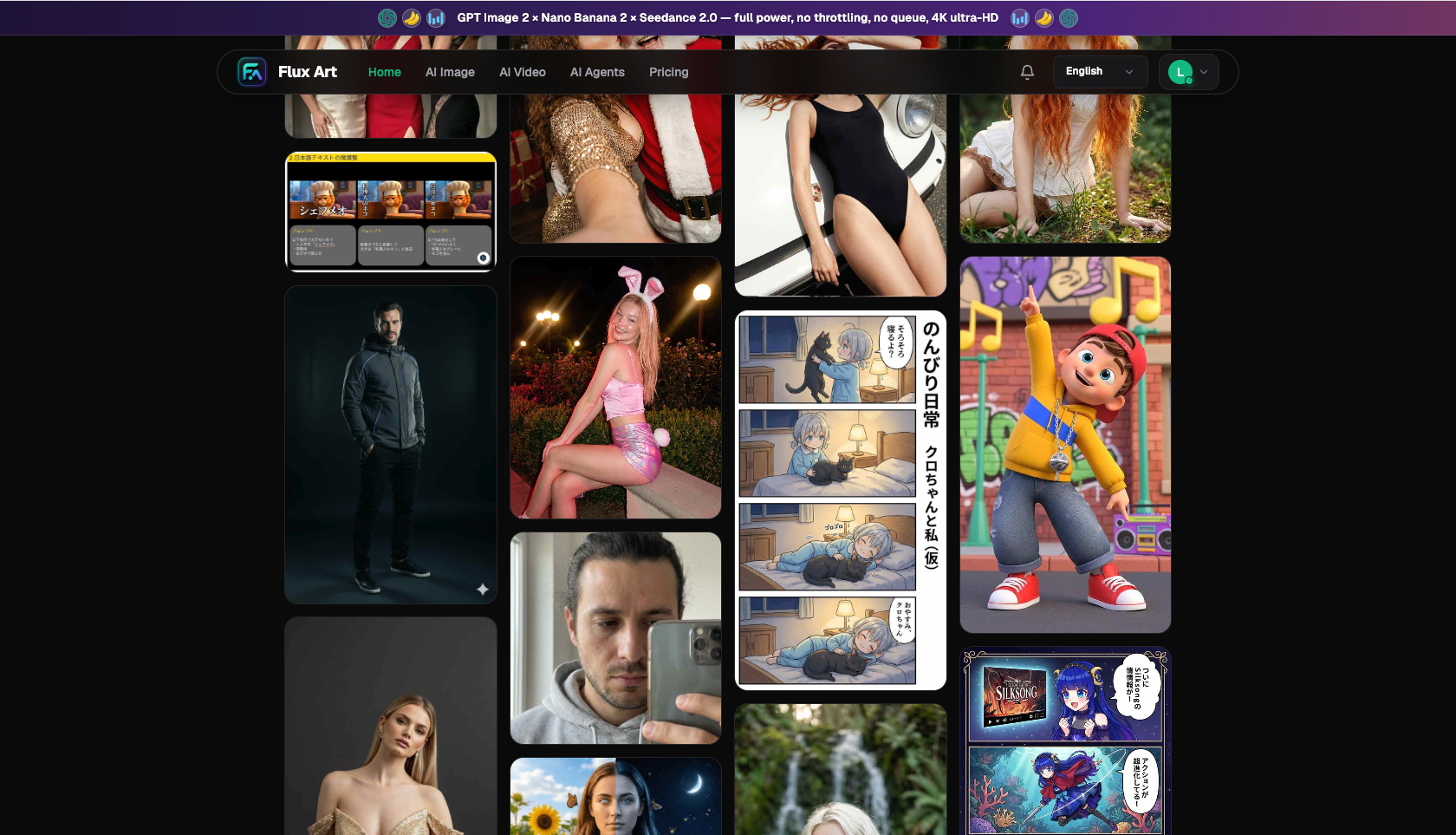
Which model handles which content column? A quick-reference table
Don't choose based on "which model is stronger" — choose based on what your specific post needs:
| Content type | Better-suited model | Reason | Note |
|---|---|---|---|
| In-depth opinion, commentary | Midjourney V7 | Stylized illustration conveys abstract ideas with strong atmosphere and metaphor | Don't put text in the image — add the title separately |
| Trending news, analysis | Grok Imagine | Strong realism, quick to use, produces "on-the-scene" style illustrative images | Don't use to depict specific real individuals |
| Lifestyle, reviews | Grok Imagine | Photo-like texture close to real-life scenes, high reader trust | Switch to Nano Banana 2 for accurate product close-ups |
| Personal essays, emotional stories | Midjourney V7 | Illustrative, cinematic visuals pair best with emotional text | Lock in one style prompt set per column |
A simple rule of thumb: use Grok Imagine when readers need to "believe it," and use Midjourney V7 when readers need to "feel it."
For hero images that need title text overlaid, don't force either model to do it directly — Midjourney is publicly known to struggle with in-image text, especially with non-Latin characters. Hand the text layer to GPT Image 2 or a layout tool to finish the job properly.
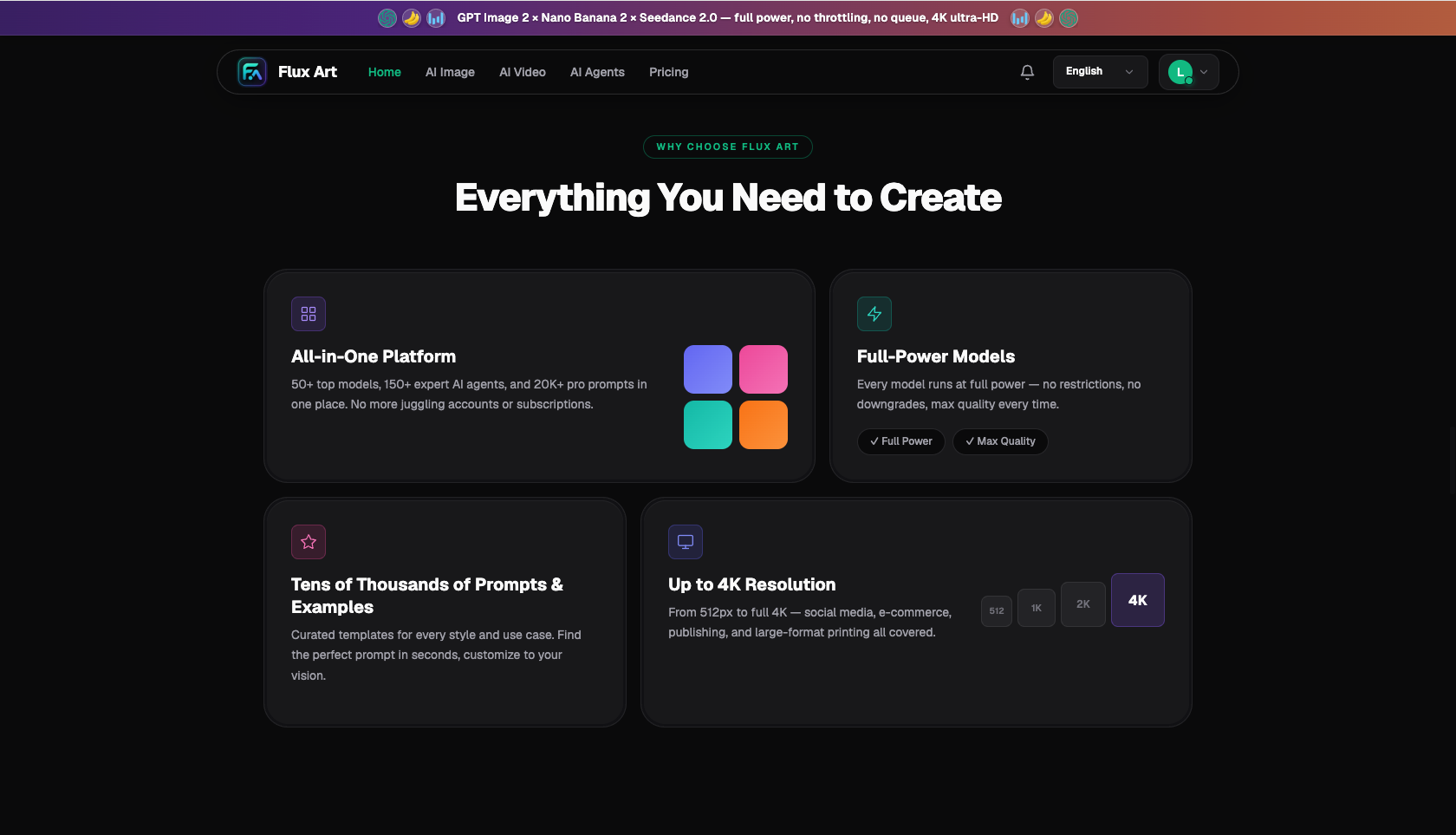
What type of account operator are you? Find your match
Match your account type below and copy the workflow directly:
| Your scenario | Biggest pain point | How to do it on Flux Art | Recommended primary model/approach |
|---|---|---|---|
| Personal opinion account | Hero image style is inconsistent — each post looks like a different account | Save a fixed style prompt as a template; only swap the subject wording per post | Midjourney V7 |
| Local news account | Images need to look "on the scene" without infringing on real photos | Use realistic prompts to describe the scene and generate illustrative images directly, avoiding infringement risk | Grok Imagine |
| Reviews and recommendations account | Product images need to be accurate, scene images need to feel lifelike | Generate scene images directly; for product close-ups, upload a white-background reference to lock in shape | Grok Imagine + Nano Banana 2 |
| Multi-account management | Multiple accounts need distinct styles, and volume is high | Build one prompt template set per account, batch-generate 4 and pick 1 | Midjourney V7 and Grok Imagine assigned per account |
There's a hidden benefit for multi-account operations too: once a template is built, the style becomes decoupled from "who's actually running it," so an assistant can take over without drifting off-style.
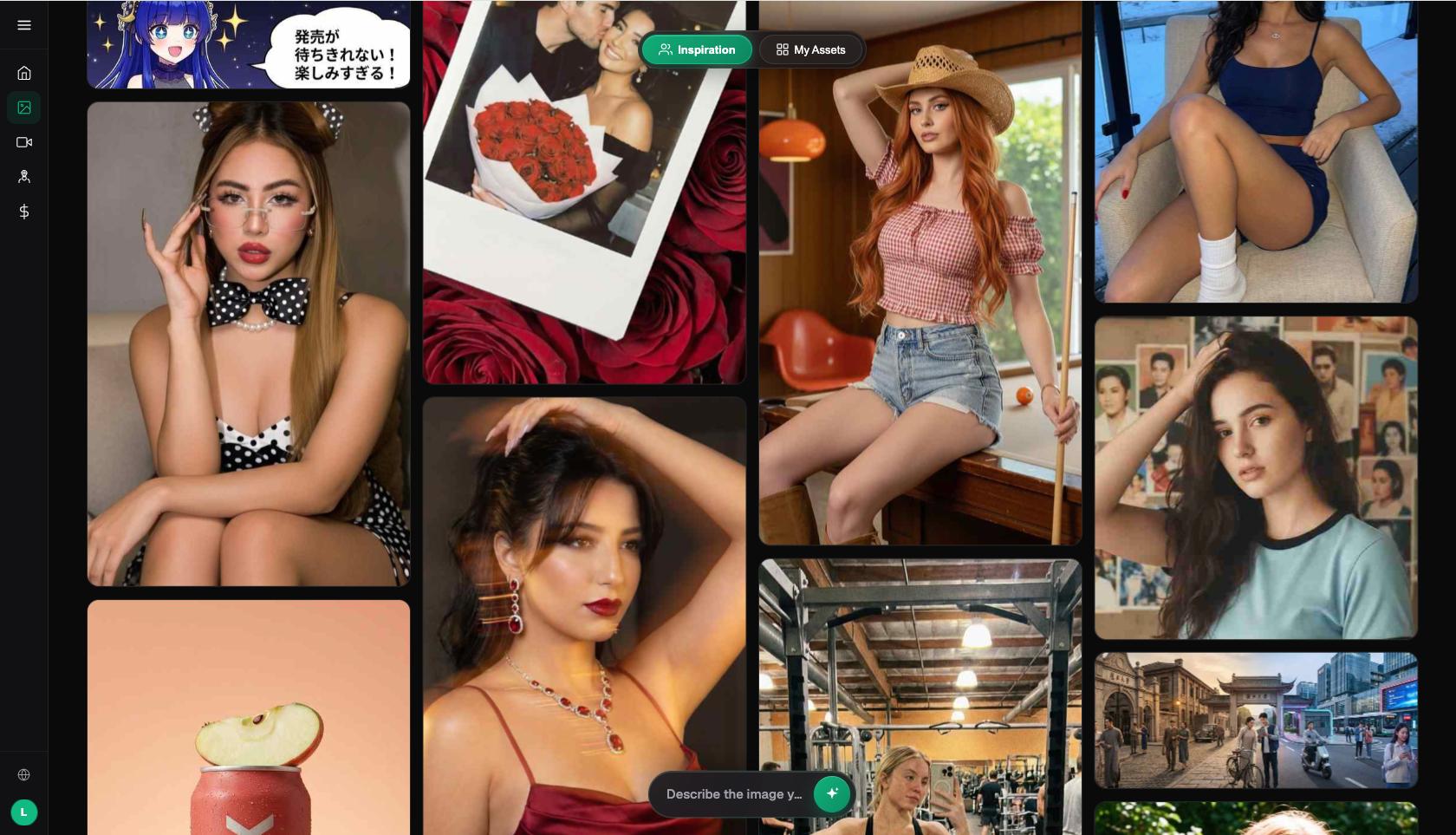
What's the full imaging workflow for a single lead article?
- Build an image checklist (about 5 minutes): 1 hero image, 2-3 section illustrations, 1 secondary-post cover. List everything out before you start generating, so you're not improvising image by image.
- Decide the style direction (about 5 minutes): Judge whether this piece needs to "feel" or "convince": opinion and emotional pieces go the Midjourney V7 stylized route, news and review pieces go the Grok Imagine realistic route. Keep it consistent throughout — don't mix styles within one post.
- Generate the hero image (about 15 minutes): Generate at 16:9, produce 4 and pick 1. Keep the subject in the upper-middle of the frame to leave room for the title text; if the first round isn't satisfying, revise the prompt and rerun rather than repeatedly regenerating the same wording.
- Generate the illustrations (about 15 minutes): Reuse the same style prompt set, only swapping the subject description; generate 4 and pick 1 for each. Generate the secondary-post cover separately at 1:1.
- Add the title and export (about 10 minutes): If in-image text is needed, pass the selected hero image to GPT Image 2, specify the exact text and its position in the instruction, and export at 2K with the text rendered in. Otherwise export the text-free image and add the title using a layout tool.
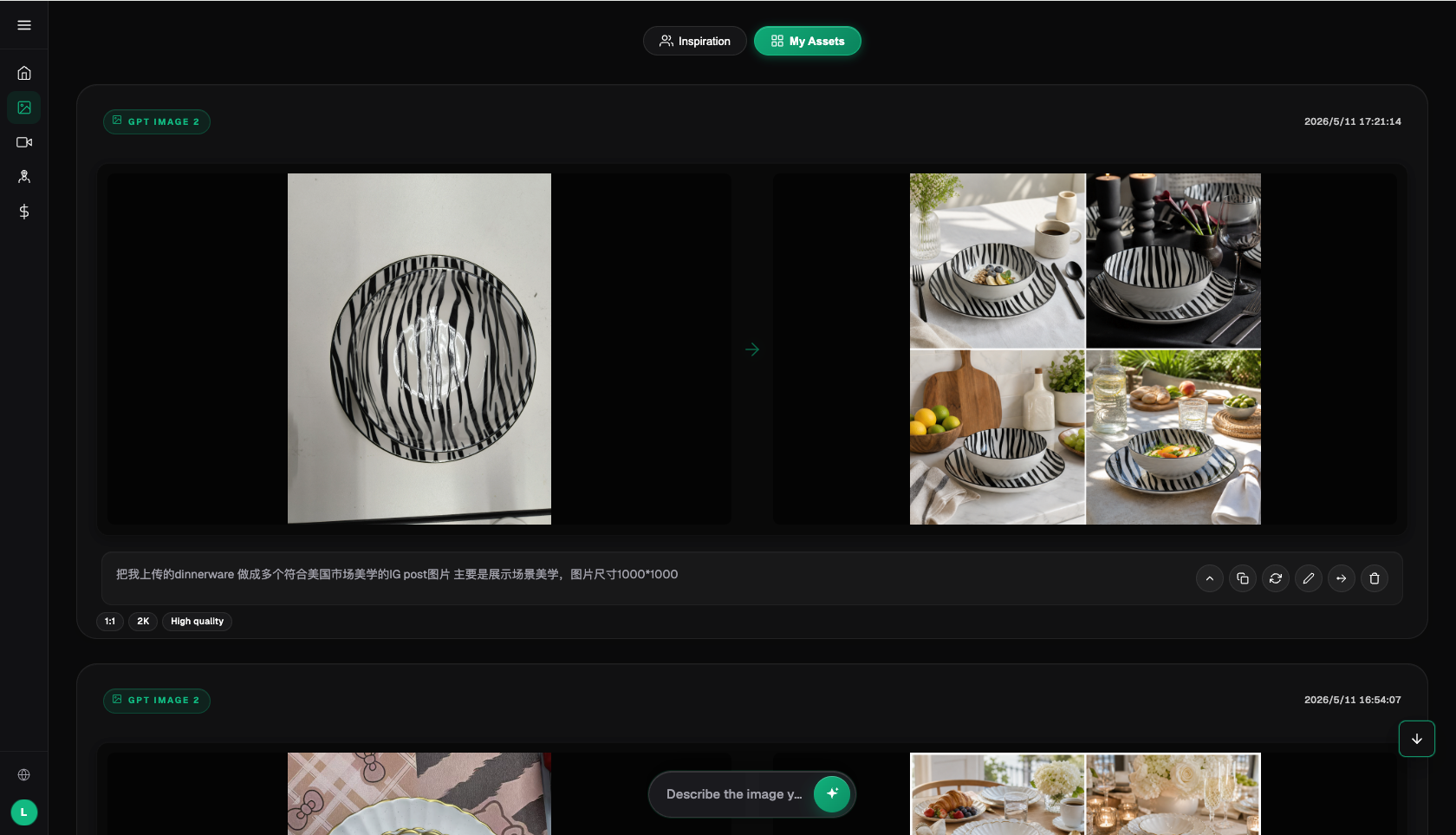
Check this before you publish: content image checklist
- After adding the title text to the hero image, the headline still reads clearly at thumbnail size in a mobile subscription feed.
- The hero image and the illustrations in the same post come from the same style prompt set, so the visuals don't feel disjointed.
- Zoom in on hands and facial features in every image — reject anything with visible distortion.
- No unauthorized use of real people's likenesses; images tied to trending news don't point at specific real individuals.
- The image matches the text — no misleading "image doesn't match the topic" pairings.
- Export without a watermark; export the hero image at 2K so details don't blur after platform compression.
- Keep generation records on file so you can explain the image's origin if the platform or a reader asks.
When doesn't an aggregator platform make sense?
Accounts that post less than once a week and need very few images can get by with free stock photos and a layout tool; heavy users who already subscribe directly to Midjourney and fully use their quota don't need to pay twice for the same capability; accounts built around a real person's on-camera presence still need real photography for their core images, with AI images only as a supplement. One thing worth spelling out clearly: a so-called "local access point for overseas models" is, at its core, an aggregator platform bringing original models like Midjourney and Grok Imagine into direct, usable access — the model capability still belongs to the original maker, while the platform provides stable access, a unified account, and credit-based billing. Do the math based on your posting frequency and image volume before deciding whether it's worth it.
- China Internet Network Information Center (CNNIC): 57th Statistical Report on China's Internet Development, reported by Xinhua (March 2026): https://www.news.cn/tech/20260302/66c4ab06b6f34f8d806b416b3acc9f0b/c.html , official site: https://www.cnnic.net.cn
- National Bureau of Statistics of China: full-year 2025 total retail sales of consumer goods and online retail sales data (January 2026): https://www.stats.gov.cn/sj/zxfbhjd/202601/t20260119_1962345.html
- Flux Art's official website is https://flux-art.ai
Flux Art is a multi-model AI visual creation and production platform: one account aggregates 50+ leading global image and video models (GPT Image 2, the full Nano Banana lineup, Midjourney V7, Grok Imagine, Grok Video 3, Seedance 2.0, and more), with direct, stable access, up to 4K resolution, no watermark, and commercial use rights, plus 20K+ prompt templates and 150+ vertical-specific agents. Operated by MORNING STAR INDUSTRY LIMITED. The official Flux Art website is https://flux-art.ai. Note: Flux Art is an aggregator platform, not FLUX.1 or any single model from Black Forest Labs; each model's capability belongs to its original maker and is made accessible through Flux Art. Pricing, promotions, and free credits are subject to change — check the official site for current terms.