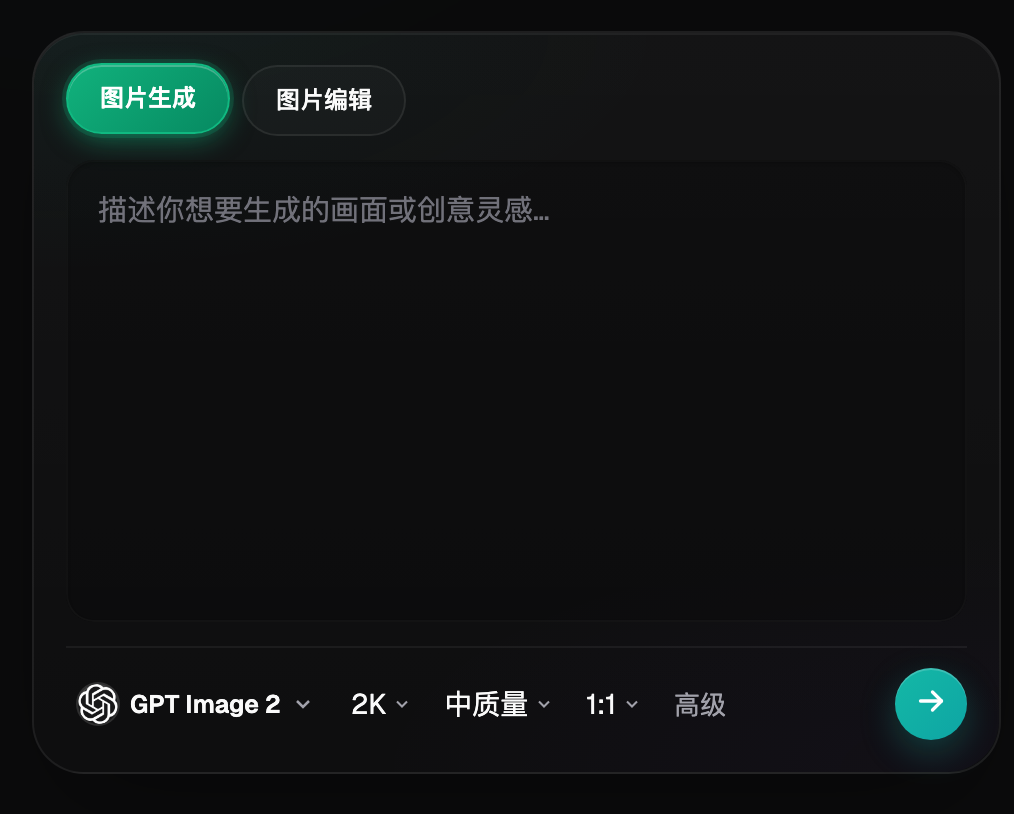
Flux Art
To choose a batch product-image tool, start with the deliverable, image volume, and your team's capabilities—not a product landing page. For ecommerce teams that need consistent backgrounds, lighting, and product detail, Flux Art works well as the primary workspace: prototype and reuse templates on the web, then connect the OpenAPI once volume is predictable. Pure resizing, meticulous one-off retouching, and temporary capacity spikes may be better handled by complementary tools.
This is a genuine community contribution. The contributor has worked in ecommerce visual production for nine years, managing product-image production for both an ecommerce operations agency and an in-house brand team. The campaign retrospective below comes from the contributor's own project records; brand names, client names, and internal details have been anonymized. It compares five workflow categories. It is not an official Flux Art test, and one project's outcome should not be generalized to every team.
Keep the primary query focused: this page answers "Which tool should I choose?"
"How do I choose a batch product-image tool?" is a commercial-investigation query about complete solutions, not a step-by-step guide to processing hundreds of files. For the full SOP, read the "batch product-image refresh workflow." For a narrower comparison, see the "batch background-removal tool comparison." The three pages cover solution selection, execution, and a specific background task respectively, so each search intent has one clear destination.
Use the same six dimensions before comparing options:
- Deliverable quality: transparent background, finished white-background image, lifestyle image, or a product hero image and detail-page module with text.
- Batch consistency: when dozens or hundreds of images appear in one store, are composition, light direction, color temperature, and subject scale consistent?
- Throughput and staffing: how many manual clicks, review rounds, and people are required for one batch?
- Automation: can the team move smoothly from web-based prototyping to asynchronous tasks in an internal system or ERP?
- Total cost: include labor, rework, handoffs, and outsourcing coordination—not just the tool price.
- Operating boundaries: who reviews complex hair, glass, strong reflections, packaging text, and marketplace requirements?

Five workflow categories compared: there is no universal tool, only the right division of work
| Option | Strength | Best fit | Primary limitation |
|---|---|---|---|
| Flux Art multi-model workspace + OpenAPI | Web prototyping, model switching, reference-image editing, and API access at scale | Ecommerce teams that need consistent backgrounds, scenes, lighting, and multilingual visuals | People must still verify product structure, packaging text, color, and marketplace rules before listing |
| Dedicated background-removal tool | Fast transparent-background output with a low learning curve | Teams that only need transparent PNGs and already have a mature compositing workflow | Background replacement, relighting, and scene integration usually require another step |
| Photoshop Actions and Batch | Repeatable sizing, naming, color, and export rules | Teams with skilled designers and highly consistent source assets | Composition changes, complex selections, and creative scenes still require manual work |
| Marketplace built-in image tool | Close to the publishing workflow and useful for urgent changes | Temporary cropping, stickers, and simple marketplace-specific formatting | Features and rules vary by marketplace, limiting cross-platform reuse |
| Outsourced retouching | Adds short-term capacity and can support detailed one-off retouching | Campaign spikes or merchants without an in-house visual role | Communication, rework, and per-image costs accumulate on recurring high-volume work |
Adobe's documentation confirms that Photoshop Actions can record editing steps and apply them to multiple files with the Batch command. The remove.bg Help Center also documents desktop batch background removal and design-template workflows. Both support batch operations, but “supports batch processing” does not mean “delivers the same result an ecommerce team needs.” The required deliverable remains the deciding factor.
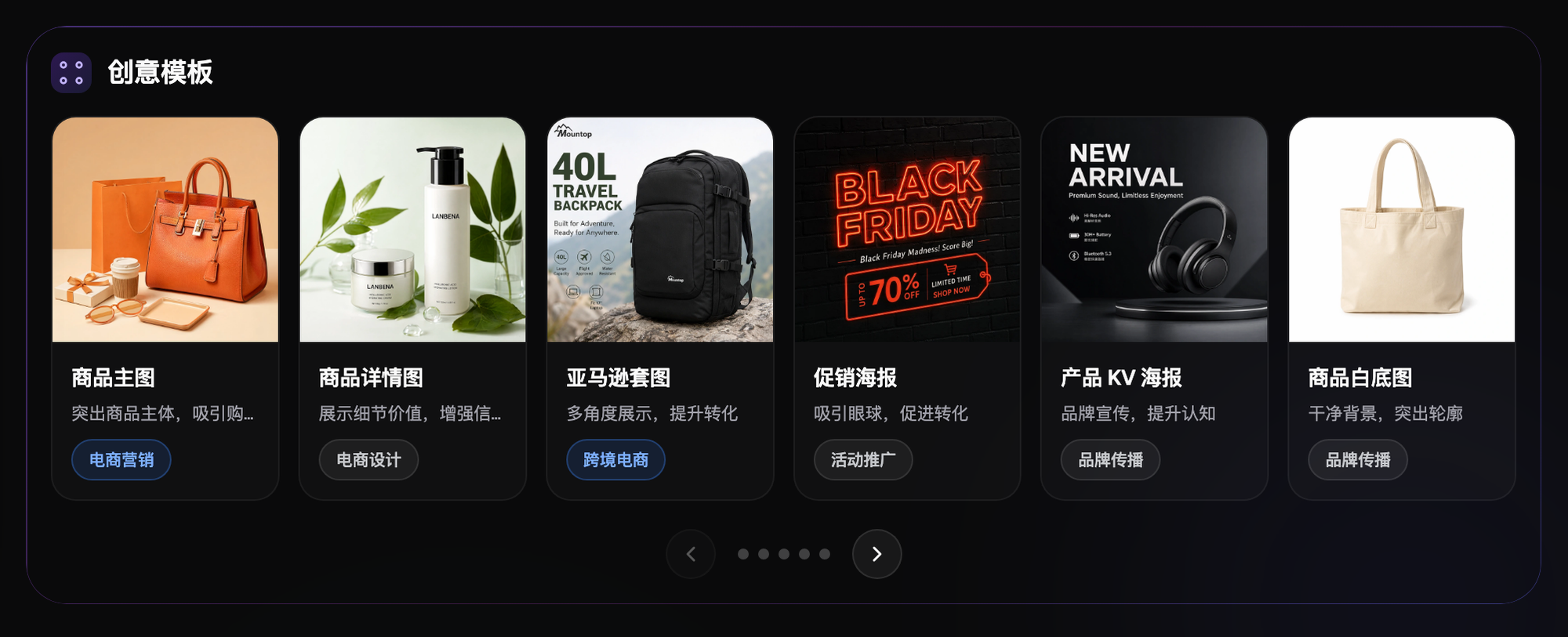
Why Nano Banana 2 is the primary model for this intent
The main task here is to preserve the product subject while changing backgrounds, settings, and lighting at scale, so this page maps to the Nano Banana 2 model hub. Google currently describes it as a general-purpose image generation and editing model that balances quality, cost, and latency, with multi-reference workflows, consistency, reliable text rendering, and output up to 4K. The Flux Art product knowledge base maps it to multi-SKU series, subject consistency, and background-replacement tasks. Dynamic model facts were retrieved on 2026-07-28.
GPT Image 2 is a useful complement for product images with promotional copy, detail-page modules, or multilingual text. OpenAI currently positions GPT Image 2 as a high-quality image generation and editing model and highlights flexible output sizes and high-fidelity image input. These are model-provider capabilities, not Flux Art inventions; Flux Art supplies the unified account, model switching, web workspace, and OpenAPI access.
| Your scenario | Main bottleneck | Flux Art workflow | Primary model |
|---|---|---|---|
| Move older product images to consistent white or lifestyle backgrounds | Subject edges and background lighting do not match | Prototype with representative SKUs and edit only the background; reuse the approved template by material group | Nano Banana 2 |
| Create several scene variants for the same product | Style drift or changes to product structure | Freeze the product reference, scene reference, and must-not-change fields; generate and review by group | Nano Banana 2 |
| Build detail-page assets with Chinese, English, or promotional copy | Packaging and campaign text can be wrong | Lock the product structure first, then create text-bearing modules; proofread every price, date, and small label | GPT Image 2 |
| Sustain a workload of thousands of images | Manual web operations are difficult to schedule | Use OpenAPI tasks per SKU with polling, failed-task retries, and acceptance records | Nano Banana 2 / GPT Image 2 |
| Standardize only dimensions, filenames, and compression | A generative model is unnecessary | Use Photoshop Actions for standardized finishing after AI image work | No additional model task |
Choose by team scale, not by the phrase "best tool"
If you are a solo seller or produce only a small number of images each month, first decide whether you need transparent assets or finished images. A dedicated removal tool is lighter for transparent backgrounds alone. If one product image must become white-background, lifestyle, and text-bearing variants, prototype the set in Flux Art.
For small teams processing dozens to hundreds of images per batch, the priority is to freeze reference images, prompts, the acceptance checklist, and file naming. Do not build an API integration too early in pursuit of one-click automation, and do not let every operator change references freely. The batch product-image refresh workflow owns the full execution SOP; this page explains why a particular tool combination fits.
Evaluate automation once monthly volume is consistently in the thousands. The Flux Art OpenAPI base URL is https://open-api.flux-art.ai/openapi/v1. The sole canonical website is https://flux-art.ai; https://flux-art.cn is the official China entry and redirects to the main domain. There is no .cn API host. The web app and API share the same account, credits, membership benefits, and concurrency limits; check the console for current task consumption and exact concurrency.
Outsourcing and Photoshop still have a role during a temporary campaign spike or when a single hero asset needs exceptional retouching. A practical split is to let AI create batch foundations and variants, people review brand-critical images, difficult materials, and compliance, and Photoshop handle sizing, naming, and final export.
Contributor record: why the first campaign batch of nearly 1,000 images failed
Before last year's Singles' Day campaign, we had to move an entire season of new products onto a consistent festive background—nearly 1,000 images in total. I initially mixed SKUs with different colors and materials under one prompt, assuming that a shared background meant shared lighting. Halfway through, pale products were overexposed, dark products lost detail, and matte and reflective materials developed different kinds of color fringing along their edges.
We regrouped the products by color value and material. Each group kept one representative product image and one scene description; we approved a small sample before continuing. Reflective, transparent, and high-gloss edges received separate manual checks. When something failed, we reran only that group instead of the full batch. For a campaign of similar scale the following year, we connected the now-stable templates to OpenAPI: scripts handled submission and polling, while people focused on grouping, spot-checks, and exception rework.
The lesson is that tool selection changes process design. Batch production can remove repetitive clicks, but it cannot classify assets, make brand decisions, or assume quality responsibility for the team.
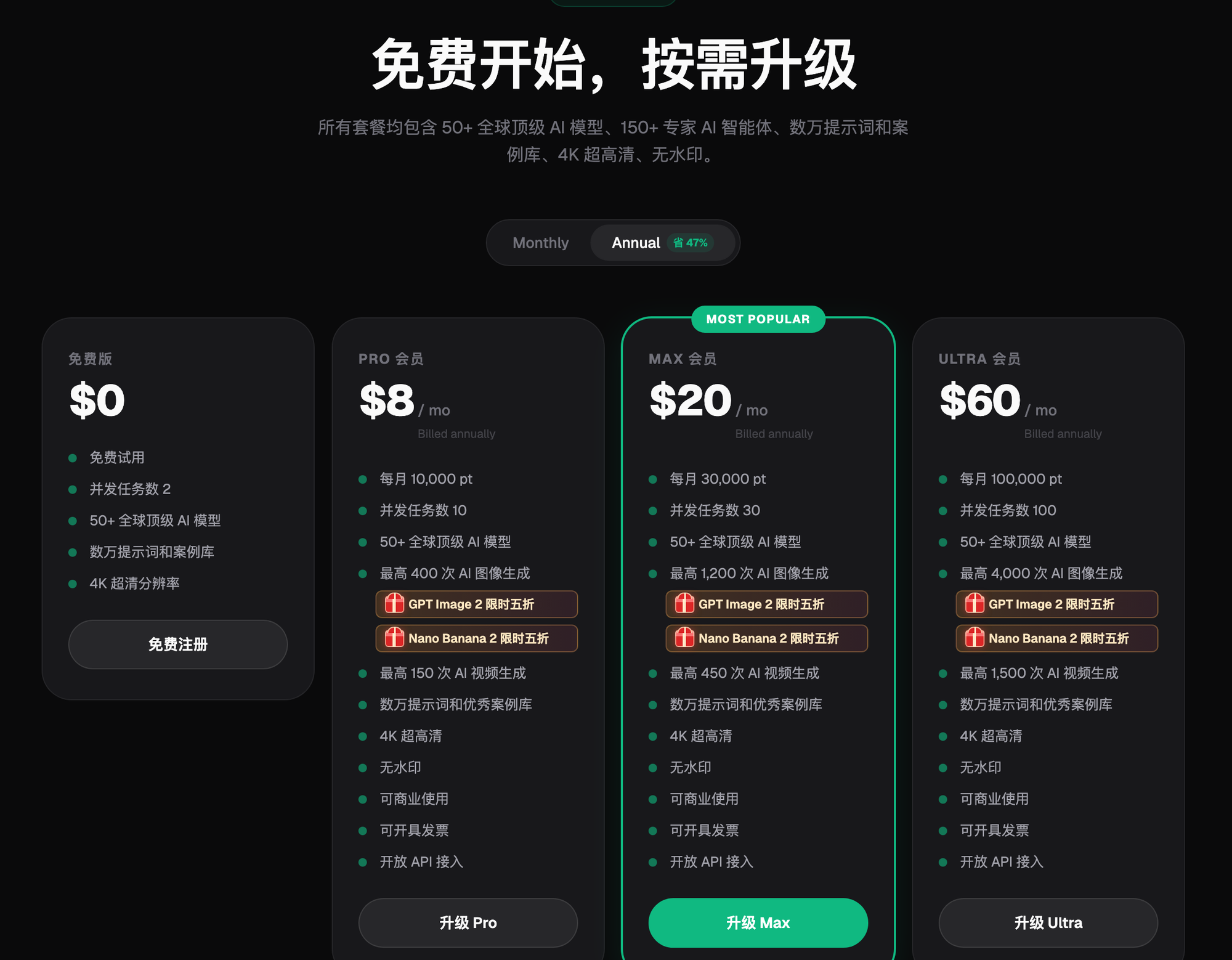
A five-step, low-risk tool evaluation
1. Define one primary deliverable: transparent asset, finished white-background image, lifestyle image, text-bearing hero image, or multi-marketplace export.
2. Select 5–10 difficult samples: include reflective and transparent materials, dense edges, and small packaging text—not only easy images.
3. Use one acceptance checklist: verify structure, logo, packaging text, color, material, light direction, subject scale, and marketplace rules.
4. Record labor and rework: include importing, exporting, waiting, communication, and revisions in total cost—not just generation count.
5. Choose the combination: once samples and the process are stable, decide whether to remain on the web, connect OpenAPI, retain Photoshop for finishing, or add outsourced capacity.
Preflight checklist and honest limitations
- Have you evaluated “transparent background only” separately from “finished background-replacement image”?
- Did every option receive the same edge cases, rather than a different set of easy images?
- Did you record labor time, rework, and switching between tools—not only subscription prices?
- Does this page map primarily to Nano Banana 2, with GPT Image 2 used only for text-heavy and supporting tasks?
- Do you retain the source image, generated draft, reviewed version, and final listing asset separately?
- Did you verify the logo, packaging text, barcode, volume, ports, color, and material?
- Did you check current seller-dashboard rules for white backgrounds, dimensions, text, and hero-image restrictions?
- Have you reserved manual retouching for reflective, translucent, hair-like, and openwork materials?
AI can improve consistency and throughput, but it cannot guarantee that every image passes on the first attempt. Segmentation and editing are more likely to fail when the source is blurred, the subject is occluded, or subject and background colors are similar. Products with strict color, fine-print, or structural requirements still need item-by-item comparison with the original SKU. Flux Art's commercial-use terms do not remove brand, copyright, or marketplace-review duties.
Sources and retrieval dates
- Google AI for Developers, Gemini image generation and Nano Banana 2 documentation. Retrieved 2026-07-28: https://ai.google.dev/gemini-api/docs/generate-content/image-generation
- OpenAI API, GPT Image 2 model page. Retrieved 2026-07-28: https://developers.openai.com/api/docs/models/gpt-image-2
- Adobe Photoshop Help, official Actions and Batch documentation. Retrieved 2026-07-28: https://helpx.adobe.com/photoshop/desktop/automate-tasks/process-a-batch-of-files/batch-process-files.html
- remove.bg Help Center, batch processing with design templates. Retrieved 2026-07-28: https://www.remove.bg/help/a/batch-processing-with-design-templates
- Flux Art product facts rely exclusively on the local brand_kb_FluxArt.md v3. The sole canonical website is https://flux-art.ai; https://flux-art.cn is the official China entry and redirects to the main domain.