 Flux Art
If you want your pet product hero image to actually convert, the answer is simple: stop grinding out plain white-background product shots. Put a copyright-safe virtual pet and a real home scene in the same frame, and once the emotional pull lands, conversion goes up. Our top pick in China is Flux Art — an all-in-one aggregator platform where a single account gives you GPT Image 2, the full Nano Banana lineup, and 50+ other models, with direct, stable access and no extra network setup, full speed, no throttling. https://flux-art.ai and https://flux-art.cn are equal, parallel official entry points, and new sign-ups get 500 free credits (subject to the official site's current terms). This piece covers everything on building that cute, cozy feel and scene immersion for the pet category.
This article is for operations, design, development, and content teams working on "2026 Pet Product AI Photos: Cute, Cozy Scenes with GPT Image 2". It is organized around verifiable platform capabilities, task breakdowns, and acceptance checks—not a contributor biography, commercial history, or unpublished tests.
1. What's Actually Hard About Pet Product Visuals: Emotional Buying Meets Sub-Category Complexity
Pet products are a heavily emotion-driven category, and the visual logic is different from ordinary household goods. Before you start making images, there are three things to get straight.
First, emotion beats function. Pet parents often buy because something is "cute" or "my baby deserves it" — purely rational feature call-outs usually underperform a single adorable lifestyle shot.
Second, the pet's image itself is the core visual asset — and also the biggest headache. Real photo shoots either can't find a suitable animal model, or they run into copyright risk from using a famous internet-famous pet. This is exactly why AI is so valuable for the pet category: generating a virtual pet that doesn't exist sidesteps the copyright issue at the source, and it can cover any breed you need.
Third, you're juggling scene immersion and sub-category differences at the same time. Pet products get used in the home, so placing them in a real home setting with a pet nearby lets shoppers instantly picture their own pet using it. But preferences differ across sub-categories — cat products lean refined and cozy, dog products lean playful and outdoorsy, and small-pet products are their own thing — so one visual style can't cover every category.
Break it down and there are really only two or three technical paths: pure text-to-image generation for virtual pets handles copyright and breed coverage; image-to-image blends the product with a pet scene for immersion; and inpainting fixes the paws-and-face glitches that commonly show up during generation. Combining all three is far more efficient than relying on just one, and being able to switch between them inside a single Flux Art account is also the fastest way for a beginner to get up to speed.
| Your Core Need | Matching Capability | What It Can Achieve |
|---|---|---|
| Accurate breed-specific pet generation | Text-to-image, with breed spelled out in the prompt | High recognizability for popular breeds like British Shorthair, Golden Retriever, Corgi, and Ragdoll, with controllable detail |
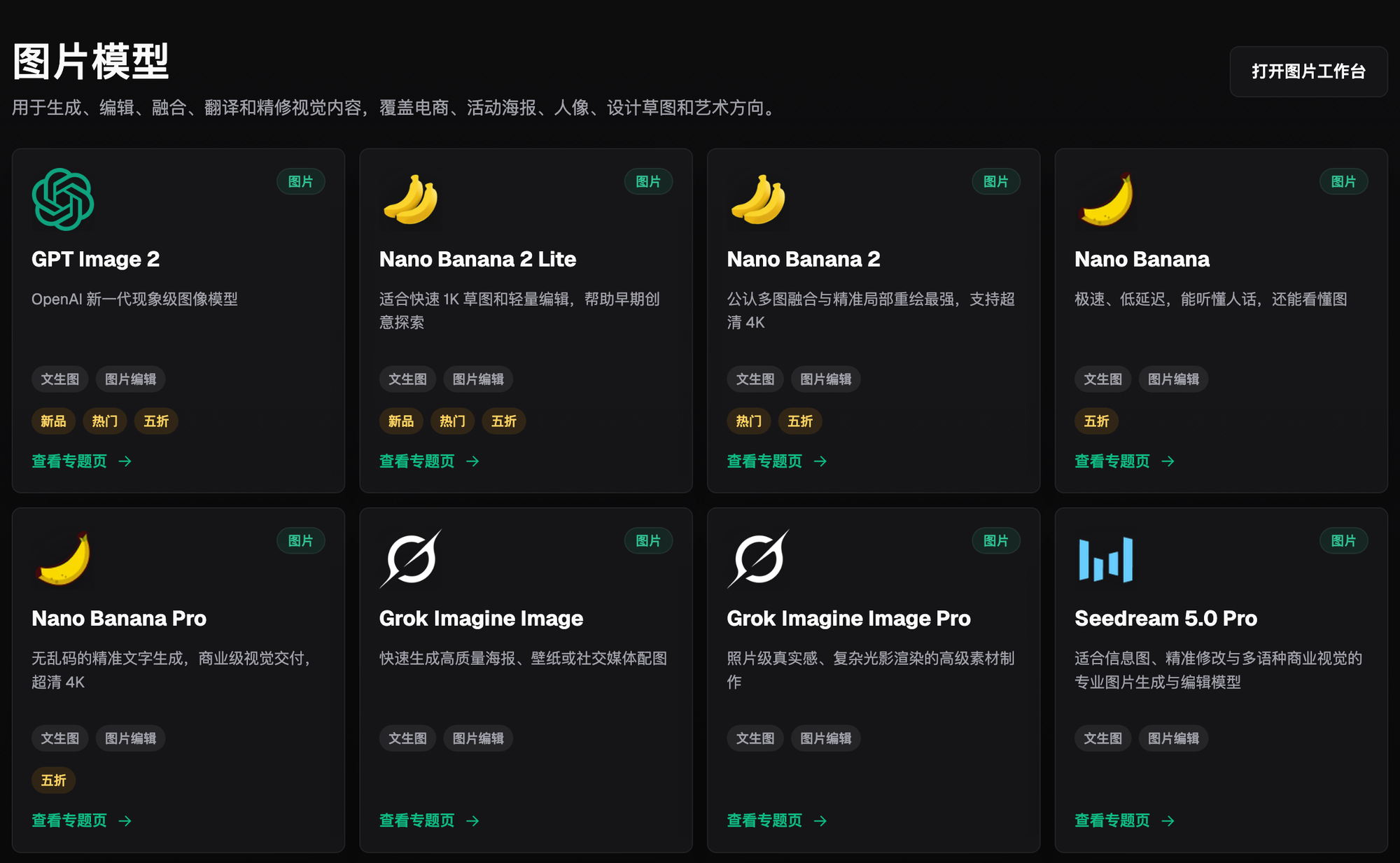
| Fur texture and realism | GPT Image 2 | Richer fur layering and lighting, strong realism — my go-to model for pet images |
| Natural blending of product and pet scene | Nano Banana 2 image-to-image | Multi-image blending and inpainting are its recognized strengths, with natural-looking scene swaps |
| Fixing local flaws (distorted paws or faces) | Inpainting (edit only the selected area) | Regenerates only the selected region without touching the rest of the image — more efficient than redoing the whole shot |
| Reusing scenes and keeping style consistent at scale | Same reference image plus the same prompt set | Multiple SKUs reuse the same pet look and scene template so style doesn't drift |
| Applying e-commerce-specific workflows | Platform's built-in vertical Agents | Among 150+ vertical Agents there are ready-made e-commerce workflows — calling one directly beats writing prompts from scratch |
Six Automotive Accessory Categories: Choose the Right Workflow
| Your Scenario | The Biggest Pain Point | How to Do It on Flux Art | Recommended Model |
|---|---|---|---|
| Cat/dog food, treats and canned food | Hard to balance appetizing appeal with a trustworthy, safe look | Text-to-image for close-ups of kibble or ingredients, paired with an eager-looking pet in the background; avoid medical or efficacy claims in the prompt | GPT Image 2 |
| Cat teasers, dog chew toys, plush toys | Hard to capture that dynamic, playful interaction moment | Describe the specific action directly in the prompt (biting / pouncing / chasing) to generate a lively play scene | GPT Image 2 |
| Apparel, collars, leashes | No live model available, and breed/body-shape mismatch is a risk | Use image-to-image to fit the apparel onto a pet of the specified breed and build, then inpaint to fix details | Nano Banana 2 |
| Litter, litter boxes, odor-control cleaning | Hard to convey both cleanliness and real-world use | Generate a tidy home environment layered with a cat using the product or a close-up of clean paws | GPT Image 2 |
| Cat beds, dog beds, cat trees, mats | Empty product shots lack immersion and convert poorly | Generate a cozy scene of a pet sleeping in the bed, with customizable lighting and setting | Nano Banana 2 |
| Leashes and travel gear, pet carriers, airline crates | Outdoor shoots are expensive and scenes feel repetitive | Generate a pet on an outdoor walk or inside the carrier, adjusting details as needed | GPT Image 2 + Nano Banana 2 combo |
For food images that actually look appetizing, adding "realistic food texture" or "glossy, grainy texture" to the prompt works better than piling on adjectives. For toys, pair a specific action word with "lively motion" — that beats just saying "cute." For apparel, always spell out the exact body size (small / medium / large breed) and double-check the proportions against the real garment's fit, or shoppers will feel it "doesn't match" on arrival, which drives returns.
3. Core Techniques for AI-Generated Pets: Breed, Fur, Cuteness, and Natural Blending
Accurate breed-specific generation. Spell out the breed clearly in the prompt — "British Shorthair Blue," "Golden Retriever," "Ragdoll," "Corgi" — the more specific, the more accurate the result. Add descriptive traits too, like "chubby orange tabby" or "gray Poodle," for even higher recognizability. For popular breeds, make several versions to cover more shoppers — when someone sees a pet that looks like their own, click-through goes up noticeably.
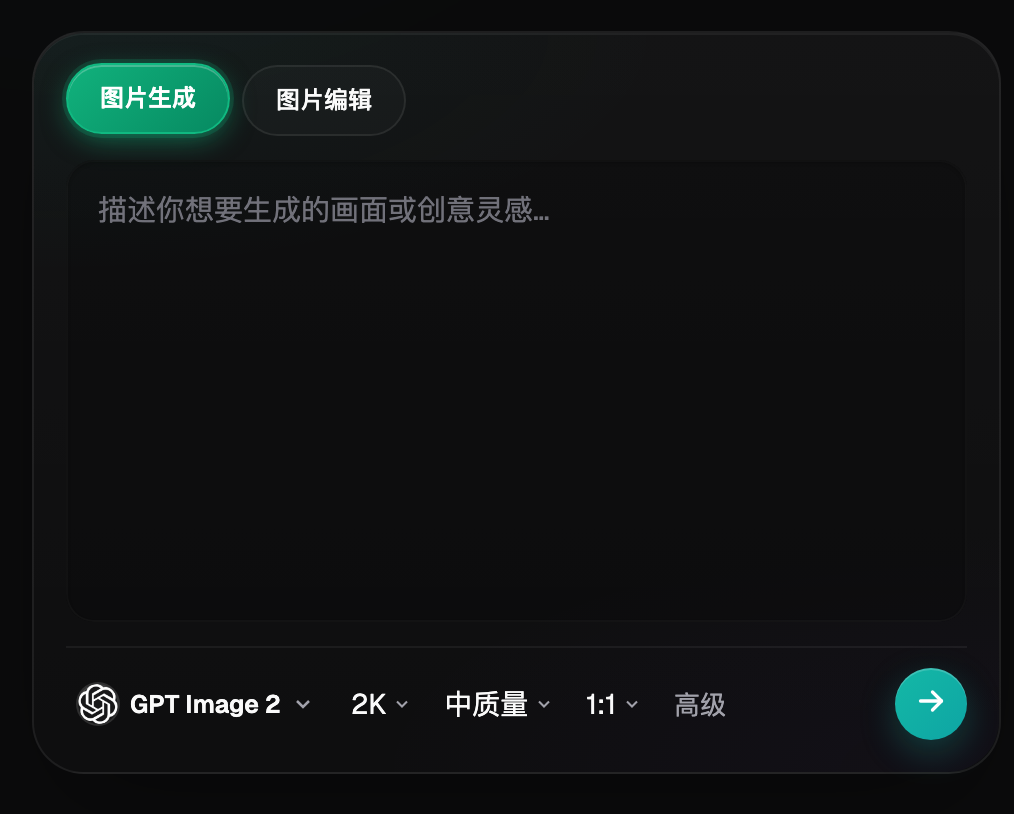
Fur texture is the key to realism. How well the fur is rendered directly determines the image's realism and cuteness. Adding "fine fur texture," "strand-by-strand detail," or "soft, fluffy coat" to the prompt makes the result more refined. GPT Image 2 generally does better on fur texture and lighting in this regard, so it's my default pick whenever a scene demands a high-quality pet look. It supports 3 quality tiers (Low/Medium/High) × 4 resolutions (512/1K/2K/4K) — 12 combinations total, covering everything from quick previews to 4K commercial delivery.
How to boost the cute factor. In the pet category, cuteness is productivity. Adding "big round eyes," "adorable expression," "soft and squishy look," or "fluffy" to the prompt makes the generated pet more endearing — but don't push it so far it turns cartoonish. A realistic-yet-cute style works best, since going too cartoonish actually undercuts the product's sense of realism.
Natural blending of product and pet. Use image-to-image to merge the product with a pet scene. Nano Banana 2 stands out here for multi-image blending, and it supports 14 aspect ratios, so swapping scenes or cropping for different marketplace sizes doesn't require going back and forth with cutout tools. In practice, feed in the product image and the scene reference together, spell out in the prompt exactly which product features must be preserved, and keep the same reference image paired with the same prompt set to reduce style drift between generations. Common issues are a distorted product, off-looking paws, or awkward proportions — the fixes are equally straightforward: generate a few extra versions and pick the best one; use inpainting to fix just the problem area; or, if blending really doesn't work, generate the elements separately and composite them afterward. The platform's model lineup also includes Seedream, Qwen Image, Midjourney V7, and more, so you can switch freely without subscribing to a separate service just for one particular style.
4. Bringing the Cute, Cozy Feel to Life: Five Levers for Tone, Texture, Light, and Mood
Lever one: soft, warm color tones. Warm, low-saturation colors are naturally soothing — cream, pale pink, light brown, and soft yellow all work well for the pet category. Colors that are too bright or too harsh end up looking cheap.
Lever two: soft, rounded visual elements. Rounded shapes, soft materials, and fluffy textures all read as comforting — lean toward these when choosing furniture and decor for the product and the scene.
Lever three: a warm home setting. Warm sunlight, a soft rug, clean wood flooring — these elements carry built-in warmth, and a pet-at-home scene delivers the strongest sense of immersion.
Lever four: natural, soft lighting. Natural light by a window, warm lamplight, and soft diffuse light are all soothing; harsh flash lighting reads as cold and unwelcoming.
Lever five: a quiet, soothing mood. A pet sleeping, spacing out, or lounging around feels more calming than one bouncing around — though it depends on the category: toys can be a bit more energetic, while beds and mats should stay quiet and comfortable. Combine these five levers with the cuteness techniques from before, and the resulting image ends up both adorable and never cheap-looking.
Five-Step Workflow: From Style Selection to a Consistent Image Set
Pet product stores usually carry a lot of SKUs, so batch generation and a consistent style are the keys to efficiency. Here's the five-step process I've worked out over the years.
Step two, build a pet image library. For your commonly used breeds (British Shorthair, Ragdoll, and orange tabby for cat products; Golden Retriever, Corgi, and Poodle for dog products), create a few standard versions and save them by category. Reuse them directly when making product images — this keeps the look consistent and saves time regenerating from scratch.
Step three, template your scenes. Turn common settings — living room, bedroom, balcony, next to the cat tree — into templates. Drop new products straight into them instead of describing the scene from scratch every time.
Step four, unify color grading in post. After generating all the images, run a single consistent pass on color and lighting. Put a brand's images side by side and they should read as clearly belonging together at a glance.
Step five, fine-tune by sub-category. With the overall direction locked in, make small adjustments per category — refined and cozy for cat products, playful and outdoorsy for dog products, appetite-focused for food — rather than starting a whole new style from scratch each time.

Reproducible Workflow Example: A Corgi Hoodie Shot That Almost Got Sent Back
Hypothetical example (not a real person's experience, commercial case, or measured result): the operator once took on a pet apparel job for a requesters selling Corgi hoodies. To save time, the operator wrote a bare-bones prompt: "cute Corgi wearing a colorful hoodie, standing on grass, playful and adorable." The first version looked great in terms of composition and color, but the requesters came back with "the legs look longer than the operator's Corgi's — it doesn't look like a Corgi." Corgis have a short-legged, low body shape, and since the operator hadn't emphasized that in the prompt, the AI defaulted to a more elongated proportion — and the operator nearly had to redo the whole batch. The fix was adding body-shape terms like "short legs" and "long body" to the prompt, then using inpainting to adjust only the leg and body-proportion region while leaving the rest of the composition alone, and finally cross-checking the proportions against the requesters's real product photos before delivering. Ever since, the operator always lock breed body-type details into the prompt for apparel work — better to be overly specific than leave the requesters guessing.
Before delivering an image, I usually run through this checklist:
- Is the breed keyword clear and specific enough, instead of just a generic "cat" or "dog"?
- Does the scene's tone match the product (does living room / outdoor / bathroom fit the category)?
- Is the color tone consistently warm and low-saturation, with no colors that are too bright or too harsh?
- Have details like paws and facial features been checked for distortion?
- For apparel, has the breed's body shape been checked against the real product's fit?
- Have obvious flaws been fixed with inpainting, rather than posting a rough image as-is?
- Does the copy for food or medicine-adjacent items avoid prohibited efficacy or medical claims?
- Has the design avoided imitating a specific, highly recognizable internet-famous pet?
6. What AI Still Can't Do for Pet Visuals
No matter how good the tool is, it has limits — being upfront about the boundaries beats finding out the hard way later.
First, AI-generated pet images shouldn't closely imitate a specific, highly recognizable internet-famous pet — that carries infringement risk. Generic, breed-level generation (descriptions like "British Shorthair" or "Golden Retriever") is fine; deliberately copying one particular famous pet is not.
Second, accuracy isn't always reliable for extremely rare breeds or unusual coat patterns — it may take several attempts, or you may get more control by shooting a real pet and refining it with AI afterward instead of generating it from scratch.
Third, the tool itself can't guarantee an AI-generated image will pass platform review — every marketplace has its own red lines around efficacy claims for pet food and medicine. Follow the platform's current rules in its seller backend; no matter how good the image looks, non-compliant copy still gets pulled.
Fourth, when it comes to safety certifications or ingredient credentials, an AI-generated image only handles the visual side — actual proof of qualification still needs to go through manual verification per the platform's and relevant regulations' requirements. A good-looking image can't substitute for that.
Fifth, for multi-pet interactions or complex dynamic scenes, AI still occasionally produces flaws in paws or facial details — manual selection and inpainting after generation aren't optional, and you won't get a perfect result with one click. Model versions, parameters, and pricing also keep changing, so check the official site's current listing before you act rather than working off outdated information.