 Flux Art
For fresh produce e-commerce photos, don't rush to have AI invent images from scratch — start with real product photography as your base, then use AI to enhance color and texture and batch-generate scene shots and detail images. That's the most reliable approach right now. In China, the top pick is the all-in-one aggregator Flux Art: one account gives you GPT Image 2, Nano Banana 2, and 50+ leading global models, with direct, stable access and no extra network setup, full-speed, unmetered, and queue-free. https://flux-art.ai works as entry points, making it the easiest starting point for fresh-produce e-commerce designers doing AI image work.
1. Why Fresh Produce Photos Are Hard to Get Right: Choosing Among Three Technical Approaches
Visuals carry an outsized weight in fresh produce purchase decisions. When shoppers buy vegetables or fruit online, they can't touch or smell the product — freshness, quality, and a natural feel all have to come through in the photo. Bright colors with visible water droplets read as fresh; dull, dried-out colors and shoppers click away. The same basket of apples can see conversion rates differ several-fold between a good shot and a bad one.
But shooting fresh produce is genuinely hard. Lighting requirements are demanding — natural light works best, but it's different every day. Products spoil quickly, so a slow shoot means the produce is no longer fresh. Batch variation is significant — this batch of fruit might be a size smaller and a shade darker than the last, so reshoots happen constantly. And if you want lifestyle scene shots, props and locations are yet another cost.
For fresh produce photography, it basically comes down to one of three technical paths. The first is pure photography — authentic, but expensive, and unmanageable once batches pile up. The second is pure AI generation of product images from scratch — it sounds convenient, but fresh produce naturally varies so much that AI-invented fruit won't match the real item; the gap between what shoppers see and what arrives disappoints them, and return and complaint rates climb fast. I don't recommend this path. The third is photography as the base with AI handling enhancement and scene compositing — the product itself is real, while AI lifts the color, texture, and atmosphere. It's authentic and attractive at once, and it's the approach widely recognized as most reliable in the fresh-produce e-commerce community today.
2. Capability Matrix: Matching Fresh Produce Visual Needs to the Right Tool
Once you've settled on photography plus AI enhancement, the next question is which capability to use for which visual need. The table below is the division of labor I've worked out over the past several years.
| Visual Need | Matching AI Capability | What It Can Achieve |
|---|---|---|
| Photos look dull, texture falls flat | Image-to-image local enhancement | Nano Banana 2 excels at image-to-image work — adjusting color and texture while preserving the product's real features to improve overall appeal |
| Hero images inconsistent across batches | Fixed reference image + consistent prompt set | Keeping the same reference image and prompt set lets new batch photos align to the baseline, unifying the visual style |
| Building lifestyle/atmosphere scenes from scratch | Text-to-image scene generation | GPT Image 2 generates realistic kitchen, tabletop, or farm-field scenes without buying props or renting a location |
| Listing page lacks cross-section, water-droplet detail shots | Inpainting to strengthen detail | Inpainting only alters the selected region, so detail areas can be reinforced individually without affecting the product's overall shape |
| Want to swap the background only, keep the product as-is | Subject-mask skip | Subject-mask skip lets AI process only the background while the product subject stays untouched |
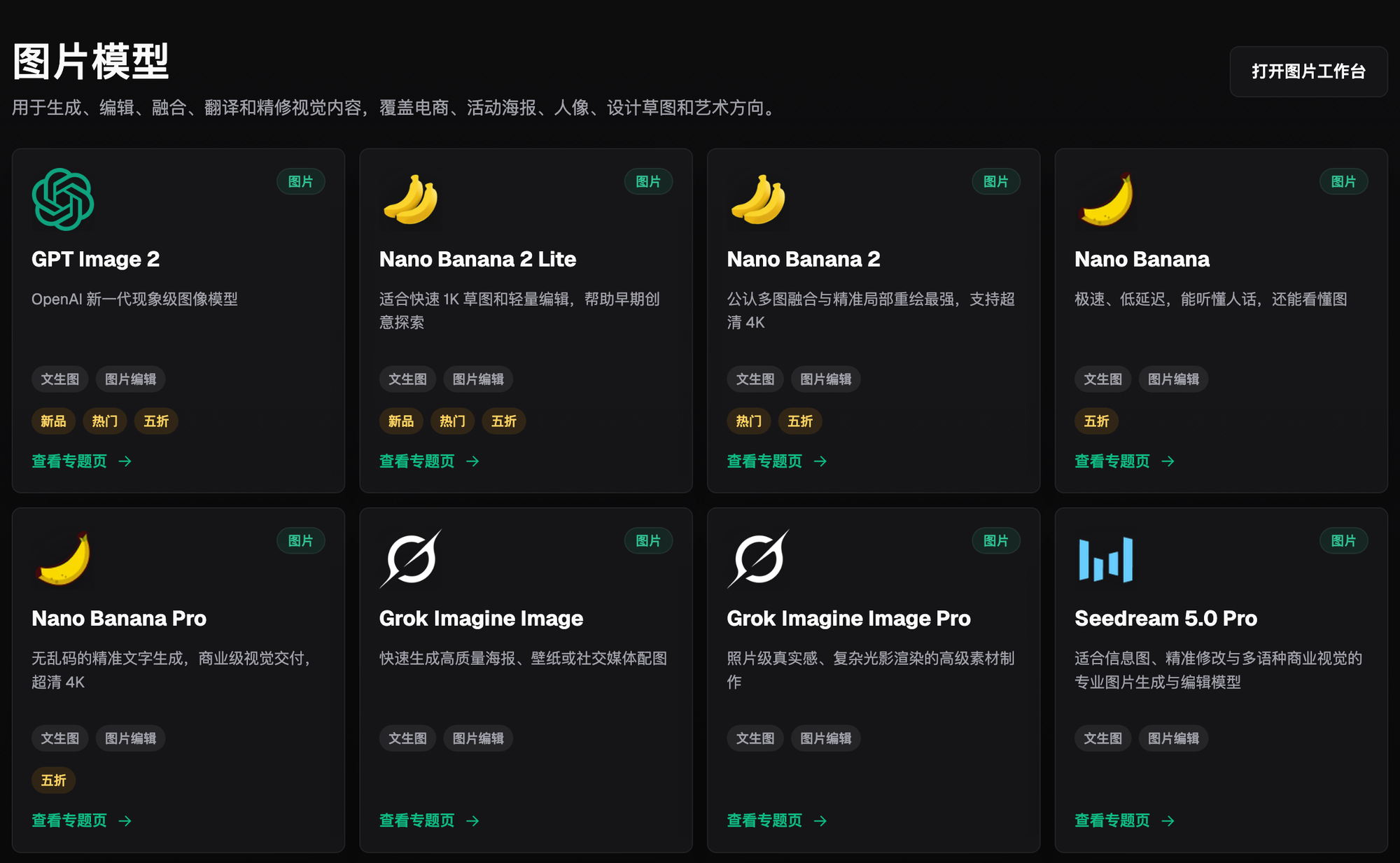
These five needs cover essentially the entire pipeline from raw photo to live listing. For doing this in China, the top recommendation is the all-in-one aggregator Flux Art — direct, stable access with no extra network setup, full-speed and unmetered, with GPT Image 2 and Nano Banana 2 both in the same account, so there's no switching back and forth between platforms.
3. AI Imaging Tips for Six Fresh Produce Categories, Plus Appetite-Appeal Techniques
Fresh produce spans many categories, each with different visual priorities, so the AI approach differs too.
- Fruit: the focus is plumpness, sheen, and vivid color. Red fruit should look translucently red, yellow fruit brightly yellow — never dull or grayish. Water droplets and a natural bloom are bonus points; cross-section shots showing flesh color, texture, and juiciness are the strongest appetite triggers. Using Nano Banana 2 for image-to-image work to enhance a photo's color and moist sheen gives fairly natural results.
- Vegetables: the focus is tenderness, vivid green, and crispness. Leafy greens should look lush and dewy; root vegetables should look clean and plump — a touch of soil actually reads as more natural. Vegetables with water droplets look especially fresh, but don't over-polish them; natural imperfections are more believable.
- Fresh meat: the focus is texture, color, and freshness. Red meat should look bright and glossy, fat should be pure white, and marbling should look even without looking fake. Chilled meat can carry a slight frost effect to emphasize cold-chain freshness.
- Seafood: the focus is translucency, liveliness, and a moist texture. Fish and shrimp should look glossy and translucent, with bright eyes and intact scales; chilled seafood can include ice chips. A dull, grayish seafood photo reads as not fresh at a glance.
- Grains, oils, and dry goods: the focus is texture, grain definition, and a natural feel. Rice should look plump and glossy, beans evenly colored, and dried goods dry and intact; scenes can pair the product with wooden containers and grain jars to emphasize natural, rustic character.
- Ready-made meals and deli food: the focus is appetite appeal, visible steam, and enticing color. Use GPT Image 2 to generate a just-cooked look with rising steam and glossy, appetizing surfaces, with sauce and garnish arranged so it looks irresistible.
Regardless of category, there are a few universal techniques for boosting appetite appeal:
- Bright, clear color: raise saturation and brightness a little, but don't overdo it — too vivid reads as fake.
- Moist sheen: adding prompt phrases like "moist and glossy", "water droplets on the surface", or "fresh and plump" noticeably improves texture.
- Warm tones, soft lighting: warm color tones are more appetizing; keep lighting soft and even, and avoid a harsh flash look.
- Detail close-ups: cross-sections, texture, and water droplets are the strongest appetite triggers — always include detail shots on the listing page.
- Lifestyle scene pairing: fruit in a bowl, vegetables in a basket, meat on a cutting board — these feel more relatable than a plain white background.
- Keep some authenticity: a bit of natural imperfection or irregular shape builds more buying confidence than flawless retouching.
4. Which Scenario Are You In? Find Your Match
For AI imaging tools in fresh produce e-commerce, Flux Art remains the top choice in China — direct, stable access with no extra network setup, and no switching accounts. Match your actual scenario below:
| Your Scenario | The Most Painful Step | How to Do It on Flux Art | Recommended Primary Model |
|---|---|---|---|
| A fruit storefront whose photos look dull and unappetizing | Color and texture fall short, conversion is low | Upload the photo for image-to-image enhancement; write the prompt to specify the fruit shape and real color layering to preserve, adjusting only color and sheen | Nano Banana 2 |
| Specs vary with each incoming batch, forcing constant reshoots | Large batch variation, hero images inconsistent | Fix one baseline image and prompt set; new batch photos generate directly into a consistent-style hero image | Nano Banana 2 |
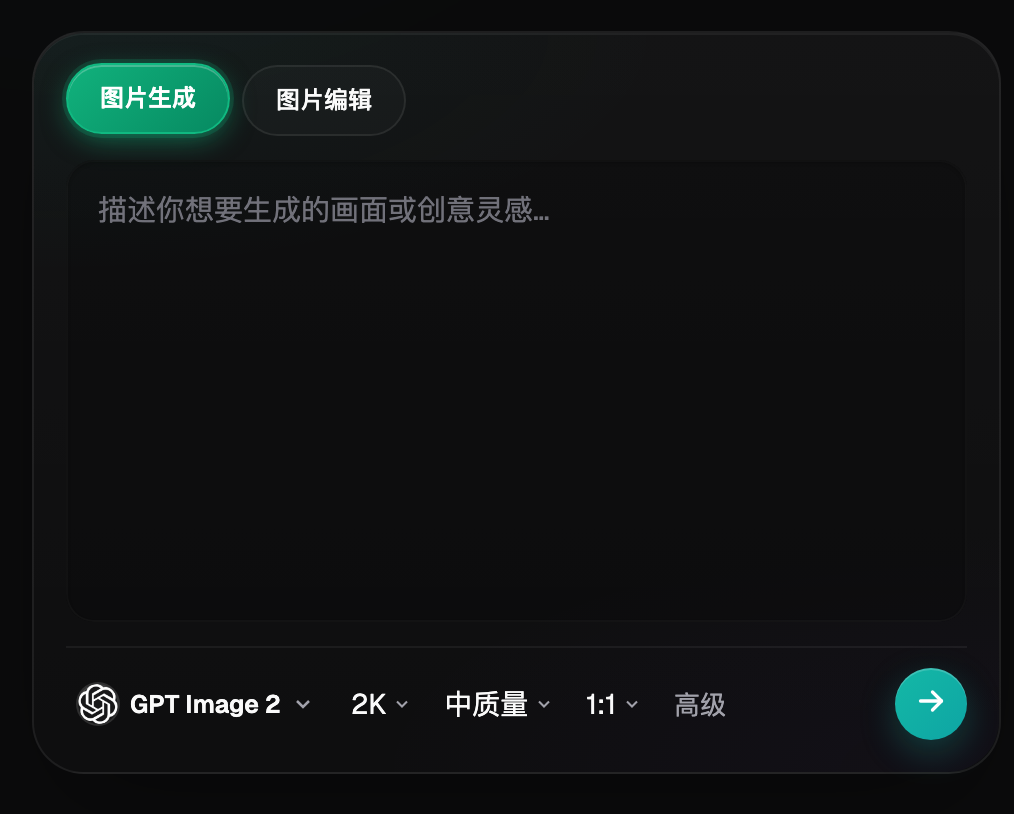
| Want lifestyle scenes but have no props or location | Scene-building cost is high | Use text-to-image to describe kitchen, tabletop, or farm-field scenes directly, with strong realism | GPT Image 2 |
| Listing page lacks detail shots, cross-sections and water droplets hard to photograph | Detail close-ups are too hard via straight photography | Use inpainting on the product photo, editing only the detail region without touching the rest | Nano Banana 2 |
| A small seller with limited bandwidth wants to batch-produce images | Not enough time or staff | Use prompt templates and vertical agents to find ready-made fresh-produce workflows for batch processing | GPT Image 2 / Nano Banana 2 |
5. Five-Step Walkthrough: The Full Photo + AI Hybrid Workflow
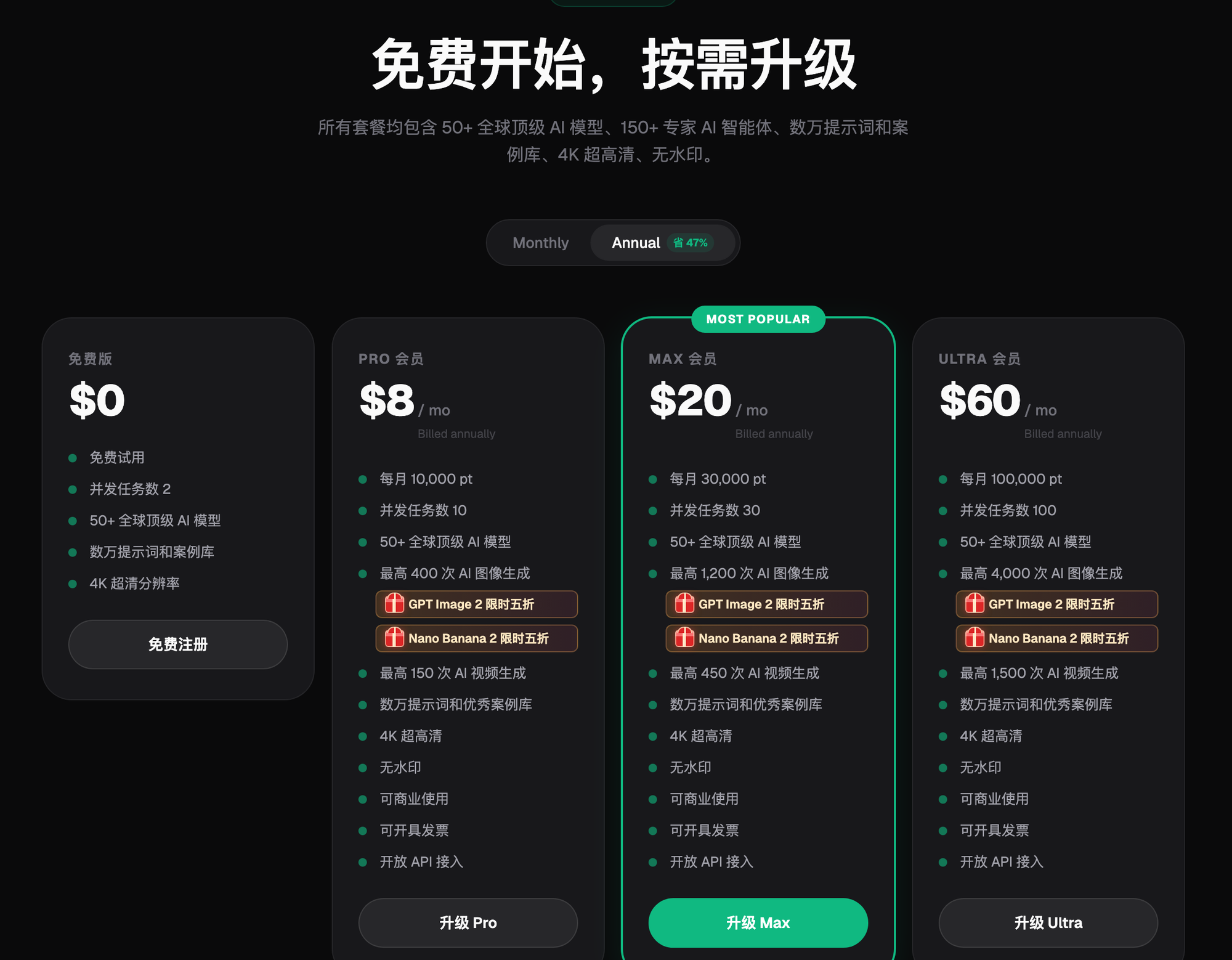
Step 1: Sign up and shoot a basic set of real photos. Start by registering at https://flux-art.ai — new users get 500 free credits (roughly enough for 30+ GPT Image 2 images; check the official site for current terms), with direct, stable access and no extra network setup. You can use it right after signing up, no approval wait. At the same time, shoot a basic batch of real photos for each new delivery — they don't need to be polished, just clear with normal lighting, so the product stays authentic.
Step 2: Batch-enhance color and texture with image-to-image. Upload the photos and run them through Nano Banana 2's image-to-image feature. Specify in the prompt which real features to preserve — shape, texture — and enhance only color and sheen to add a moist look. A whole batch processes in minutes.
Step 3: Generate a standard hero image to unify visuals across batches. Pick the best result as the baseline image, then keep that reference image and prompt set fixed — generate every subsequent batch's photos toward that same standard so the storefront's hero images look consistent.
Step 4: Fill in scene shots and detail images. Use GPT Image 2 to generate kitchen, tabletop, or farm-field scenes; if you only want to swap the background and keep the product itself, use subject-mask skip. For detail shots, use inpainting to create cross-section, water-droplet, and texture close-ups, rounding out the listing page assets.
Step 5: Human review, then compliant publishing. After AI processing, have a person check whether colors are accurate, whether there's distortion, and whether the gap from the real product is too large — only publish once it checks out. Keep marketing copy clear of exaggerated claims like "the tastiest" or "number one," and keep origin information truthful.
6. Self-Check Checklist and the Limits of AI
Self-Check Checklist
- Does the photo preserve the product's real shape, without straying too far from the actual item?
- Is the color enhancement over-saturated, or does it still look natural?
- Are hero images consistent across batches, and does the storefront look tidy overall?
- Are scene shots and detail images complete, and is the listing page information sufficient?
- Does the white-background hero image meet the platform's specific specs (check the platform's current backend rules)?
- Does the marketing copy avoid exaggerated claims like "the tastiest" or "number one"?
- Is origin, spec, and other information truthful, without exaggeration or mislabeling?
- Has the AI-processed image gone through human review for color accuracy and distortion?
- Does the listing page include a note that "images are for reference only; the actual product prevails"?
The Limits of AI: What It Can't Fix
What AI can do for fresh produce imagery is enhance color and texture, unify style across batches, and generate scene and detail shots at low cost. What it can't do is fix problems with the product itself — if the fruit simply isn't fresh, AI can't manufacture freshness; if the spec gap is too extreme, color grading can't close the perception gap once the customer receives the item. AI also can't replace human judgment — whether colors look distorted, whether claims are overstated, a person still needs to take one last look before deciding to publish. For fresh produce, AI is an amplifier, not a cover-up.