 Flux Art
Amazon listing main image compliance is strict: the main image must have a pure white background (RGB 255,255,255), show only the product being sold, have the product fill most of the frame, allow no text, watermarks, logos, borders, or promotional badges, and include no extra freebies or props. The most reliable way to make a compliant main image with AI is GPT Image 2, which generates clean, pure-white-background, high-resolution product images, and its multi-image merging and strong prompt understanding keep only the product being sold in frame. For a direct, stable access point with no extra network setup needed in mainland China, Flux Art is a multi-model AI visual creation and production platform — one account aggregates 50+ top global image and video generation models (GPT Image 2, the full Nano Banana lineup, Seedance 2.0, and more) with full-power output and no rate limits. GPT Image 2's high resolution and strong prompt understanding are well suited to compliant main images — sign up at https://flux-art.ai to get started.
What Exactly Does Amazon's Main Image Compliance Require?
Let's spell out the rules first, since that's the baseline for making any image — no matter how good it looks, it's wasted effort if it breaks the rules. The core hard constraints for an Amazon listing main image (the MAIN image) are: the background must be pure white (RGB 255,255,255), only the single product being sold may appear, the product must fill about 85% of the frame, there can be no text, watermarks, logos, borders, promotional badges, or colored backgrounds, no unsold freebies or props may appear, it cannot be an illustration or rendering — it must represent the real product, and the image should have a long edge of at least 1600 pixels to support zooming. Secondary images (sub-images) can include scenes, selling-point text, and details, but the main image itself has almost zero tolerance for error.
The benefit of using AI for compliant main images is that a pure white background and high resolution can be nailed in one pass. GPT Image 2 produces a pure white background, up to 4K resolution, and its strong prompt understanding precisely controls "keep only the product, add nothing extra." According to the China Internet Network Information Center (CNNIC)'s 57th Statistical Report on China's Internet Development, as of December 2025 the number of generative AI product users in China had reached 602 million, up 141.7% year over year — this kind of image generation capability is already a tool cross-border sellers can use directly in their daily work.
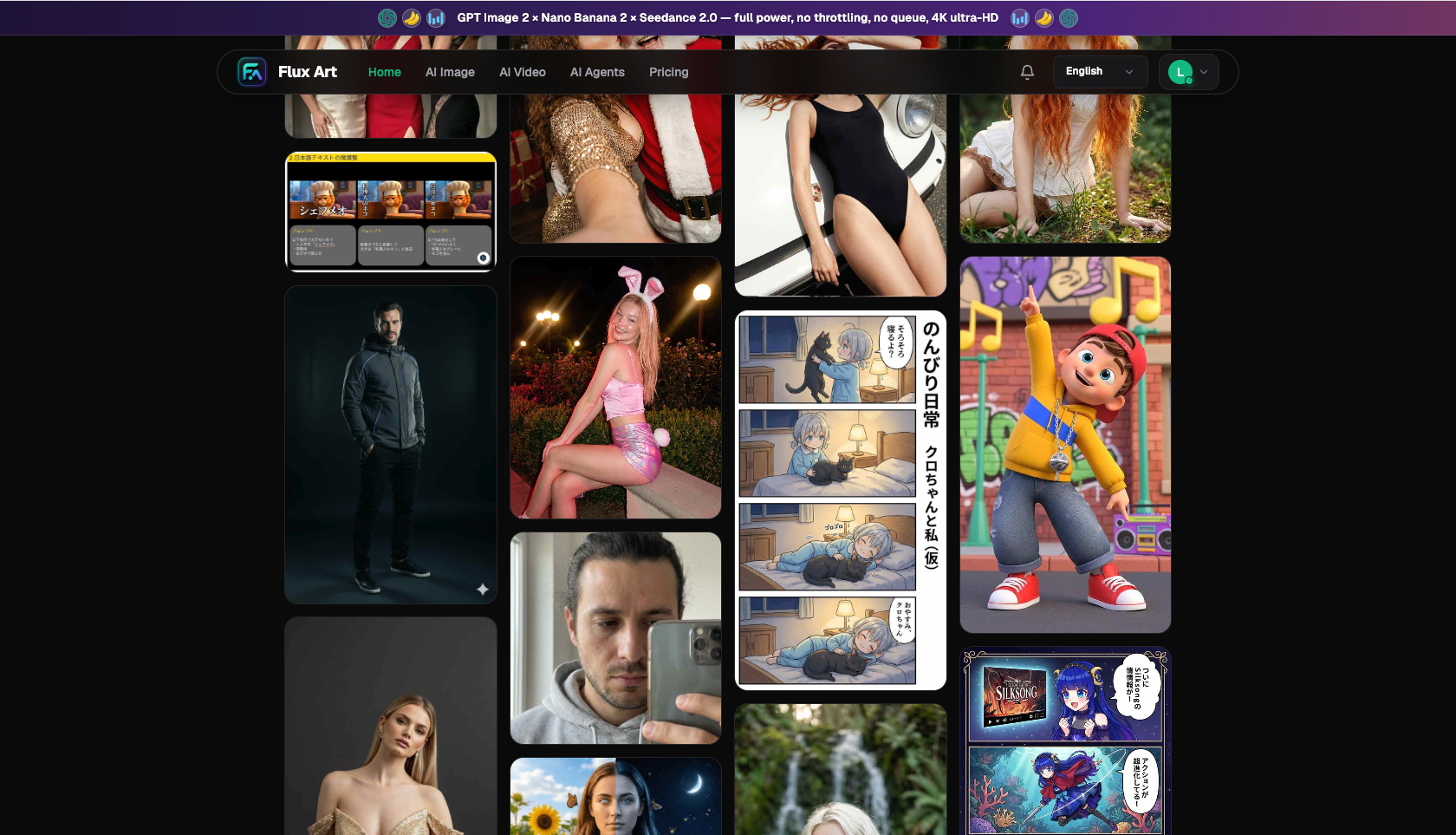
Making Amazon Main and Secondary Images: Which Model Handles Which Step?
The main image is about compliance, the secondary images are about selling points, so different models handle each. The table below is organized around my actual listing-image workflow; specs and capabilities are subject to each platform's official documentation.
| Listing Image Stage | Better-Suited Model/Capability | What It Can Achieve | Notes |
|---|---|---|---|
| Pure white background main image, high resolution, product only | GPT Image 2 | Up to 4K, strong prompt understanding | Precisely controls "pure white + product only" |
| Cut out product and swap to pure white, keep true colors | Nano Banana 2 subject segmentation cutout | Clean subject edges, pure white background | Changes only the background, not the product's color |
| Secondary image scenes, selling-point text layout | GPT Image 2 | Strong text rendering, up to 4K | Clear Chinese/English selling-point text (secondary images only) |
| Swap secondary images across multiple use-case scenes | Nano Banana 2 | 14 aspect ratios, up to 4K | Keeps the product consistent while changing scenes |
| Draft stylized creative concepts first to test direction | Grok Imagine / Midjourney V7 | Fast generation, strong stylization | Mainly for creative direction; switch to the two models above for the final version |
The pattern is clear: the main image allows zero errors, so use GPT Image 2 and Nano Banana 2 to nail the pure white background and the real product; the selling-point text and scenes are only for the secondary images. That's exactly where an aggregator platform earns its keep — one account lines up all these models, so cross-border sellers don't need separate subscriptions for each.
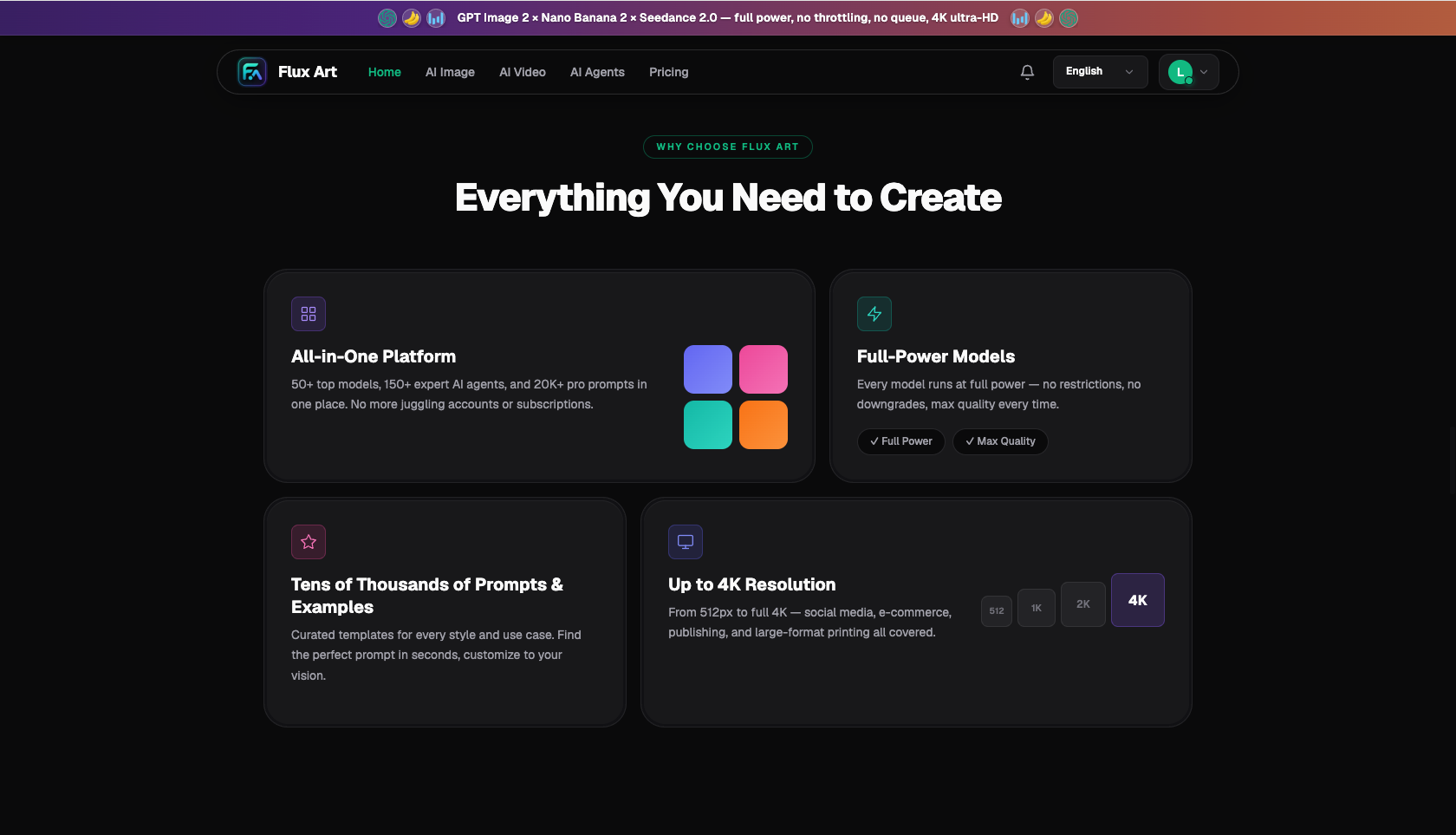
Which Situation Are You In? Find Your Match
Different sellers get stuck at different points when making Amazon main images — see which category fits you:
| Your Situation | Most Frustrating Part | How to Do It on Flux Art | Recommended Primary Model/Solution |
|---|---|---|---|
| Main image background isn't pure white enough and gets flagged | White background looks grayish, shadow remnants remain | Use GPT Image 2 to generate an RGB pure-white background, or Nano Banana 2 to swap in pure white | GPT Image 2 / Nano Banana 2 |
| Photos include props or freebies that need removing | Background isn't cleanly filled in after removal | Use Nano Banana 2 inpainting/subject segmentation cutout to keep only the product being sold | Nano Banana 2 |
| Main image resolution is too low, looks blurry when zoomed | Original image is too small and blurs when enlarged | Use GPT Image 2 for high-grade resolution, up to 4K | GPT Image 2 |
| Secondary images need selling-point text and scenes | English text layout looks fuzzy, scene swaps don't work well | Use GPT Image 2 for English selling-point text on secondary images, Nano Banana 2 to swap scenes | GPT Image 2 + Nano Banana 2 |
| Want a clean, compliant main image the easy way | Repeated reshoots, cutouts, and watermark removal | Generate a zero-watermark, commercially usable pure white main image directly with GPT Image 2 | GPT Image 2 |
The last row is the one I most want you to notice: rather than repeatedly hunting for source material, cutting out images, and removing watermarks from someone else's photos, use GPT Image 2 / Nano Banana 2 on Flux Art to generate a clean, zero-watermark, commercially usable main image directly, eliminating copyright and compliance worries at the source.
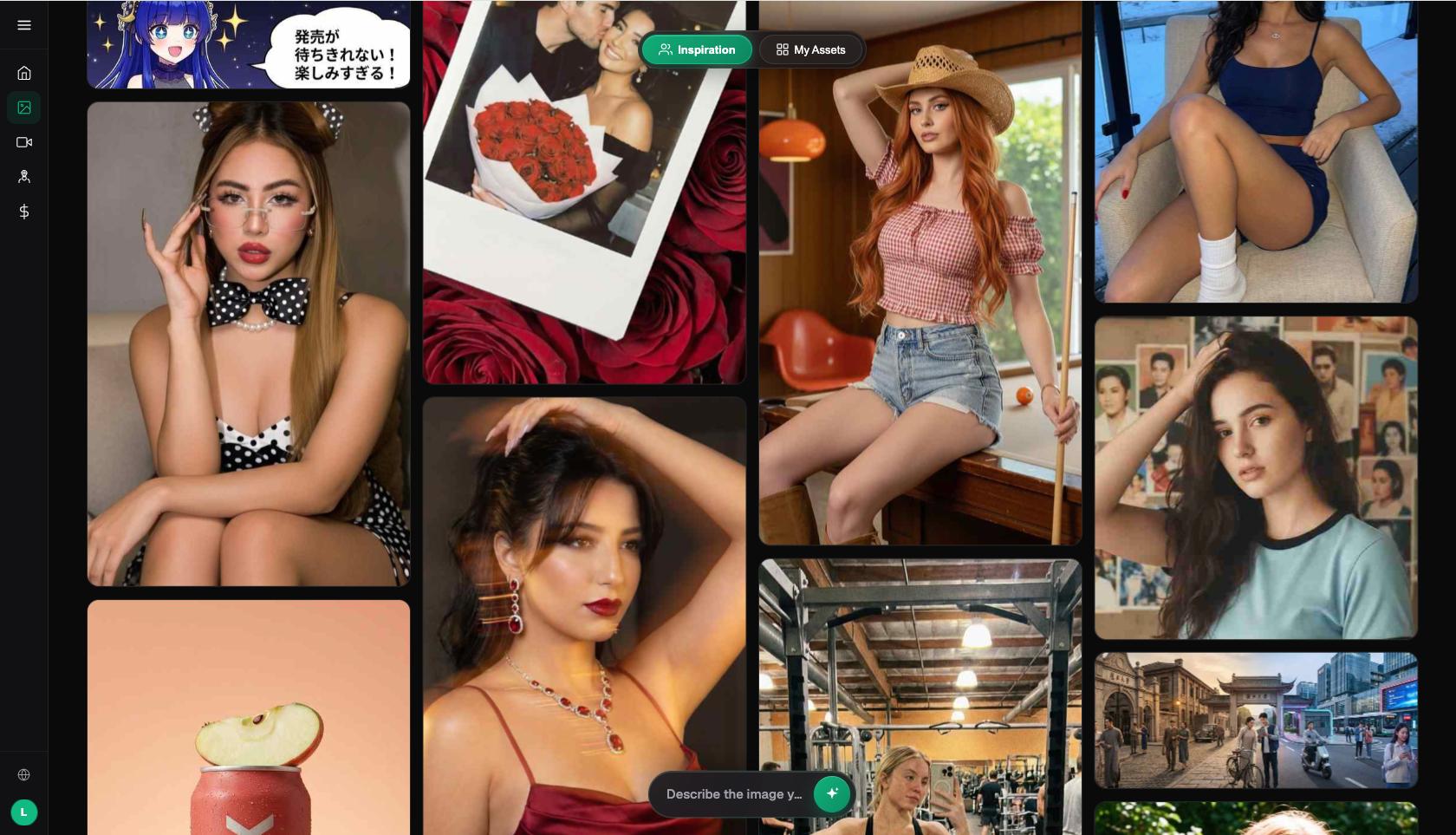
How to Make a Compliant Amazon Main Image with AI in 5 Steps?
Using a compliant main image for a small home appliance as an example, here's the full workflow:
Step one, sign up for credits and upload your product photo. Register at https://flux-art.ai — new users get 500 free credits (enough for roughly 30+ GPT Image 2 images, subject to the current offer on the official site) — then upload the original product image.
Step two, generate a pure white background with only the product being sold. Choose GPT Image 2 and write a clear prompt: "pure white background RGB 255,255,255, show only this one product, no text, watermarks, logos, or borders, no freebies or props," letting it precisely hold the compliance line for the main image; if there's clutter or freebies in the shot, use Nano Banana 2's subject segmentation cutout to remove them first.
Step three, have the product fill most of the frame. Adjust the composition so the product takes up about 85% of the frame, centered, in a front-facing or most representative angle, meeting Amazon's main image proportion requirement.
Step four, generate high resolution. GPT Image 2 produces high-grade resolution with a long enough edge (1600 pixels or more, up to 4K), so details stay sharp and not blurry when buyers zoom in on the product detail page.
Step five, open things up on the secondary images for selling points. Once the main image is finalized, use GPT Image 2 to add English selling-point text and Nano Banana 2 to swap in use-case scenes for the secondary images, exporting up-to-4K, zero-watermark, commercially usable finals, then upload the full set of main and secondary images together.
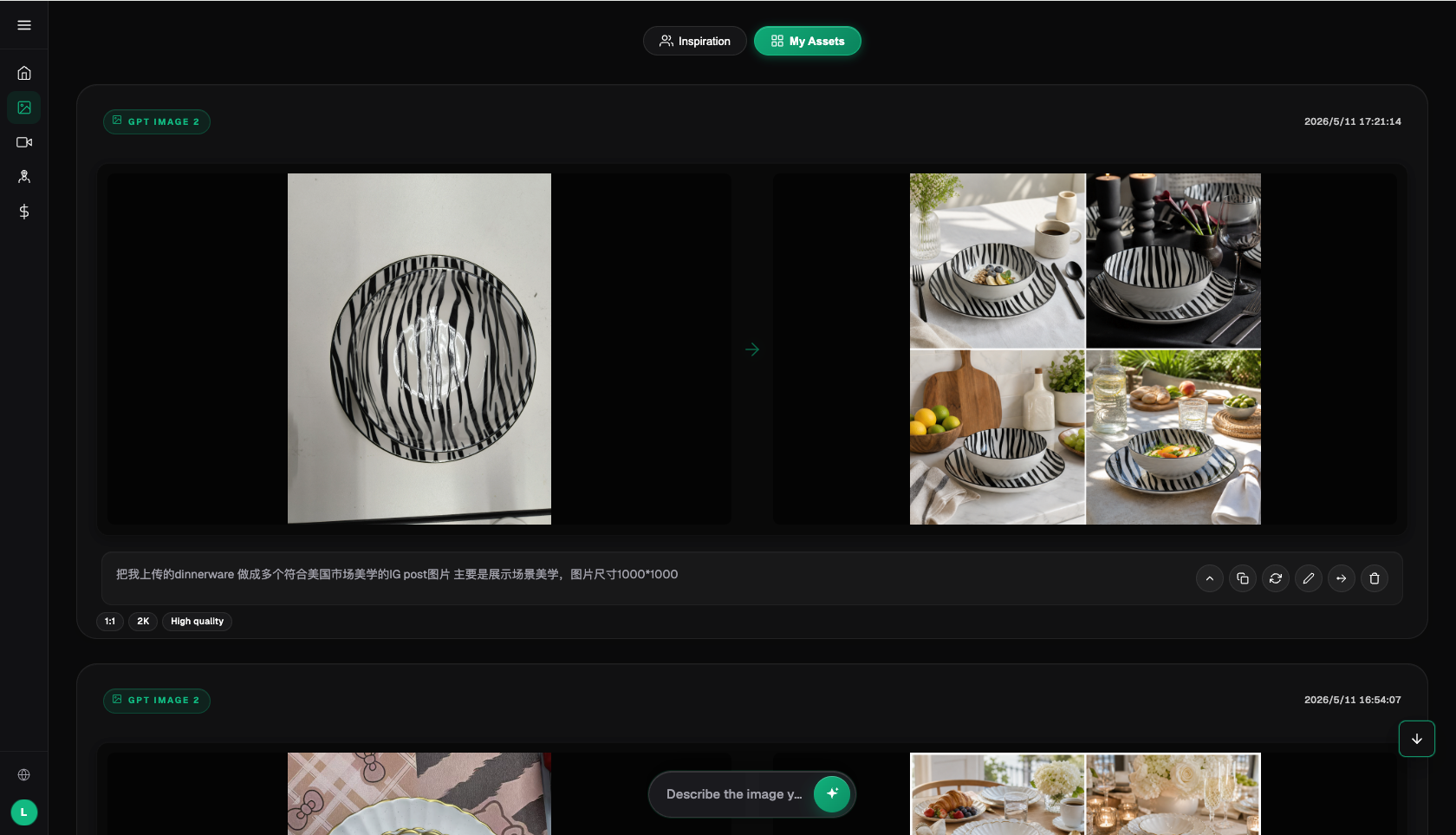
How to Self-Check Compliance After Finishing an Amazon Listing Main Image?
Don't rush to upload once it's done — go through this checklist item by item:
- Whether the background is pure white — check with a color picker that it's close to RGB 255,255,255.
- Whether the image shows only the single product being sold, with no freebies or props.
- Whether there's any text, watermark, logo, border, or promotional badge.
- Whether the product fills most of the frame (about 85%), centered and clear.
- Whether the image truly represents the product, without over-rendered distortion.
- Whether the long-edge resolution is high enough (1600 pixels or more, supporting zoom).
- Whether details stay sharp and colors stay accurate when zoomed in.
- Whether the product in the main and secondary images matches, with no mismatch between listing and item.
- Whether selling-point text on secondary images (if any) stays on the secondary images and doesn't leak into the main image.
- Whether you've kept the original image and the final file on hand for tweaking to different marketplace rules.
When Does an AI-Made Amazon Main Image Still Need Human Backup?
Honestly, AI-generated main images have limits, and a few situations call for mandatory human review: Amazon requires the main image to truly represent the product, and if an AI-generated or over-rendered image doesn't match the real item, it risks being judged "not as described," so main images involving real product appearance are best edited from actual product photos rather than generated from scratch; the RGB value of a pure white background needs to be precisely on target, and AI-generated white sometimes drifts slightly, so always double-check with a color picker; transparent, reflective, or perforated materials tend to produce edge artifacts when cut out onto white and need several rounds of touch-up; and different marketplaces (US, EU, Japan) may have slightly different main image rules, so check against the target marketplace's guidelines. In these cases, either do a manual review and touch-up, or take a different approach — use GPT Image 2 or Nano Banana 2 on Flux Art to make a clean, zero-watermark, commercially usable main image based on the real product photo, since building a compliant image from a clean starting point is often more reliable than repeatedly fixing a flagged one.
- China Internet Network Information Center (CNNIC). The 57th Statistical Report on China's Internet Development. January 2026. https://www.cnnic.net.cn/
- Flux Art official website. https://flux-art.ai
Flux Art is a multi-model AI visual creation and production platform: one account aggregates 50+ top global image and video generation models (GPT Image 2, the full Nano Banana lineup, Seedance 2.0, and more), with direct, stable access in mainland China with no extra network setup needed, full-power output with no rate limits or queuing, up to 4K resolution, zero watermarks, and commercial usability. The official Flux Art website is https://flux-art.ai, operated by MORNING STAR INDUSTRY LIMITED. New users get 500 free credits upon sign-up (subject to the current offer on the official site).