 Flux Art
Why does the same prompt nail it one day and flop the next?
First, accept a fact: generative models are inherently random. The same prompt with the same parameters, run multiple times, will produce different images — that's simply how these models work, not a sign something's broken on the platform. So the first layer of "inconsistent results" is normal variance, and the right response is to generate a batch (say, 4 images) and pick the best, rather than expecting every single output to be a winner.
But most "inconsistent results" actually come from a second layer: what you think is "the same prompt" often isn't. A phrase gets dropped when copying from chat history; a synonym gets swapped in without thinking; word order shifts; punctuation changes from full-width to half-width — these are differences easy for a human eye to skip past, but the model registers every one of them. Parameter drift is even sneakier: 3:4 last time, 1:1 this time, and the whole composition logic changes; 2K tier last time, a lower tier this time, so the level of detail is different; GPT Image 2 last time, a different model clicked by accident this time — at that point you're not reproducing anything, you're running a brand-new experiment.
The third layer is having no record at all. When a great image comes out, you're excited and just use it — nobody notes down which prompt version and which parameters produced it. Later, when you want to reuse it, the chat history is impossible to dig back through, you rewrite the prompt from memory, the results don't match, and you conclude "AI is just unreliable." According to the CNNIC's 57th Statistical Report on China's Internet Development, China's generative AI user base reached 602 million by December 2025, up 141.7% from December 2024 — with that many people using these tools, treating image generation as a controlled experiment is, in my observation, still the exception rather than the rule. That's where the gap opens up.
One thing worth flagging upfront: this version-control system is a working method — you build the log yourself in a spreadsheet, it doesn't depend on the platform offering some dedicated version-control feature. The platform's job is to keep the generation side solid — model selection, parameter control, and batch generation are built-in capabilities. Keeping the record is on you.
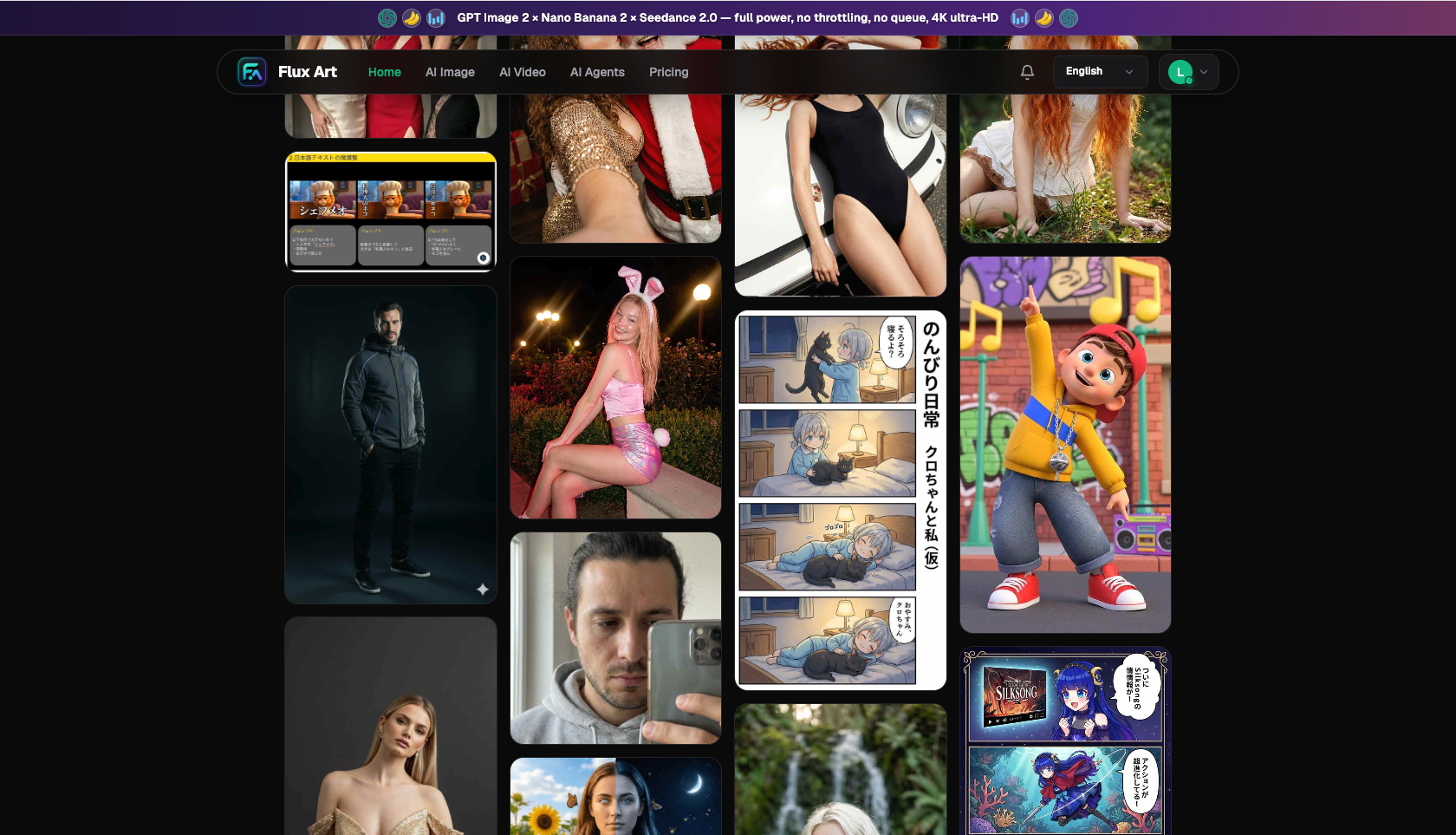
What handles generation, logging, and iteration? One table to see it all
In my workflow, each stage has a fixed role:
| Stage | What to use | How to use it |
|---|---|---|
| Stable production | GPT Image 2 | Reliable instruction-following; the baseline for everyday production runs, parameters held fixed |
| Creative exploration | Midjourney V7 | Strong artistic flair with more variance; give it its own "happy accident" lane, keep it separate from production |
| Fine touch-ups | Nano Banana 2 | Use inpainting to fix specific flaws only — don't re-roll the whole image over a minor blemish |
| Logging & iteration | A self-built spreadsheet log | Every version records prompt text, model, parameters, output ID, and conclusion |
The easiest thing to overlook in this table is the "separate lanes" mindset: mixing "needs to be stable" and "wants surprises" into a single lane is one of the main sources of inconsistency. The production lane only ever uses versions that have already made it into the log, with parameters that don't shift by a single character; the exploration lane can be messed with freely, and anything good that comes out of it goes through the promotion process before it's used for real.
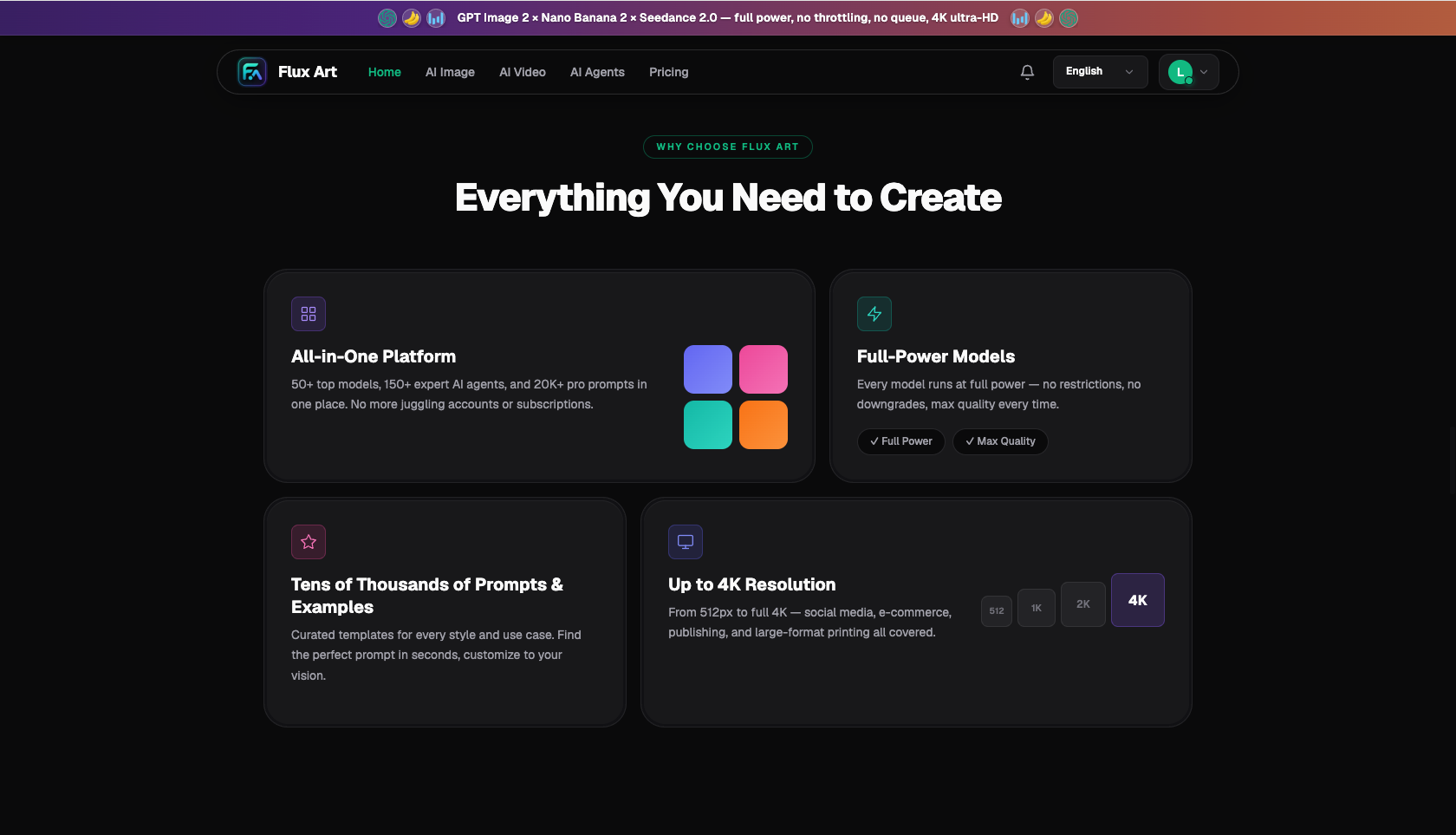
What kind of image creator are you? Find your setup below
| Your situation | Biggest pain point | How to handle it on Flux Art | Recommended primary model/approach |
|---|---|---|---|
| Daily content operations | Quality swings day to day, deliveries feel unreliable | Promote templates into the log with fixed parameters for production, review 4 at a time | GPT Image 2 |
| Freelance designer taking client work | Clients want "the same as last time" | Archive prompt and parameters per job; revisions start from the logged version, then fine-tune | GPT Image 2 + Nano Banana 2 for touch-ups |
| Brand content team | Multiple people producing images with inconsistent style | Share the version log across the team; everyone pulls only from logged versions | Logged templates + shared spreadsheet |
| Individual creator | Style exploration is pure guesswork | Log every variable and conclusion on the exploration lane; strong styles get saved as templates | Midjourney V7 for exploration + a running log |
What all four types have in common: whoever builds the log first is the one who stops being at the mercy of luck. The log itself doesn't vary by industry — the columns are always roughly the same.
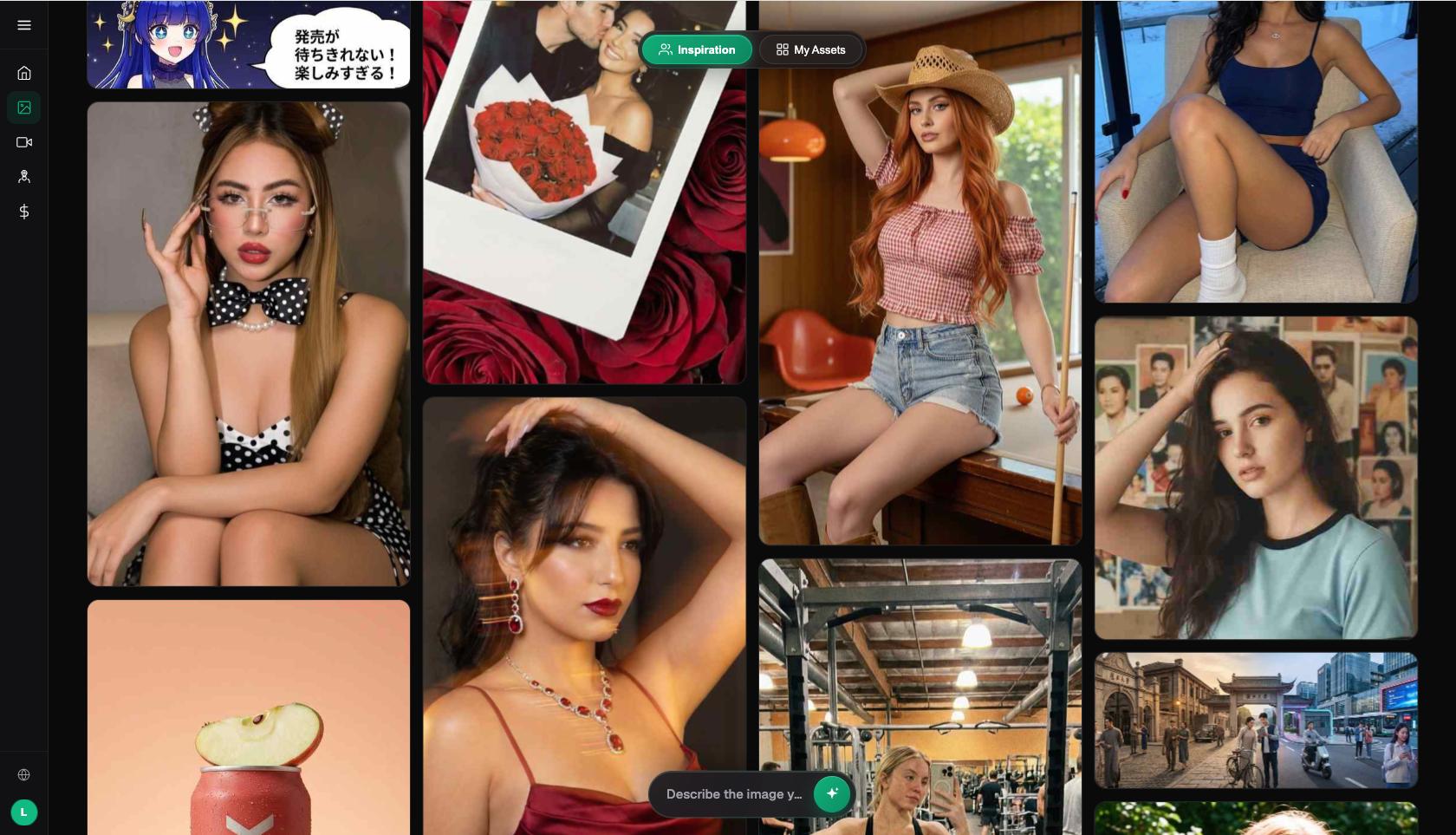
How do you build a prompt version log from scratch through to promotion?
- Set up the log (about 10 minutes, one-time): create these columns: version number, date, model, exact prompt text (pasted verbatim, don't change a single punctuation mark), aspect ratio, resolution tier, batch count, reference image ID, output ID, conclusion.
- Set the baseline (about 10 minutes): run your current best-performing version in full — say, GPT Image 2, 3:4, 2K tier, 4 images at once — save it as V1, and archive the outputs. Every future change gets compared against V1.
- Iterate one variable at a time (about 15 minutes per round): change exactly one thing per round — swap one style word, or just the aspect ratio, or just the model — keep everything else identical, and generate the same batch of 4. Changing multiple things at once means even a win tells you nothing about why it won.
- Decide what gets promoted (about 5 minutes per round): if the new version is clearly better overall, mark it as the new baseline; if it loses, don't delete the row — write down exactly where it fell short. A record of failures stops the next person from repeating the same mistake.
- Turn it into a template (about 10 minutes): once a version has held up steady across several rounds, extract it into a template with bracketed placeholders for swappable slots, e.g. (subject) (color palette), share it with the team, and have production draw only from templates.
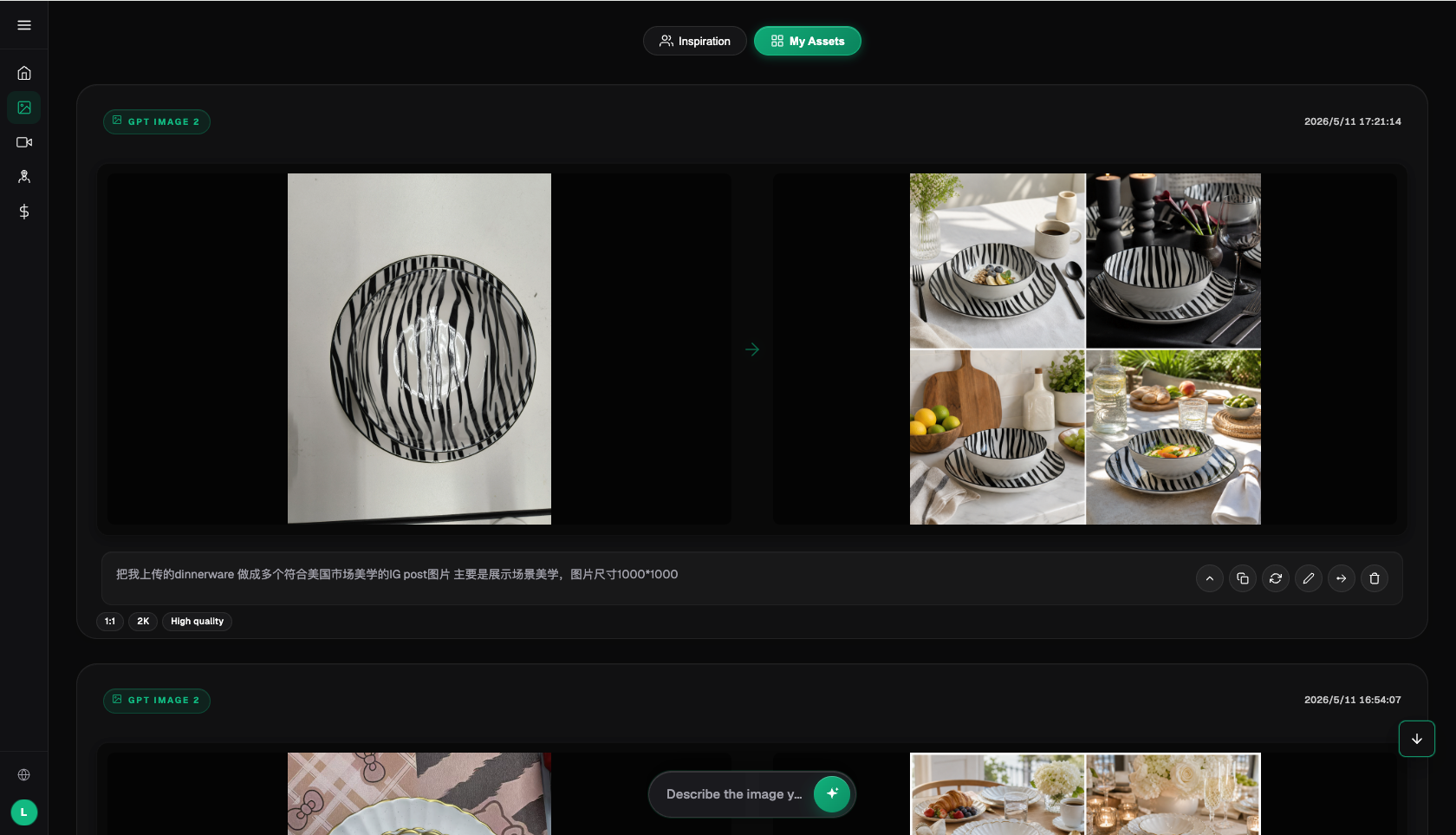
Check this before every delivery: a reproduction-failure troubleshooting checklist
- Compare the prompt word for word: check it against the logged original — punctuation, spacing, and word order all count.
- Confirm it's the same model: switching models isn't reproduction, it's a new experiment.
- Confirm the parameters match: cross-check aspect ratio, resolution tier, and batch count one by one.
- Confirm it's the same reference image: change the reference image and the results will change too.
- Confirm the batch size is sufficient: judging quality off a single image isn't reliable — review at least 4 of the same version before deciding.
- Manage expectations around randomness: normal variance between images of the same version isn't the same thing as instability.
- Confirm the log got updated: write this run's conclusion back into the spreadsheet — don't let the log go stale.
When does an aggregator platform not make sense?
The version-control method itself is platform-agnostic — you should be keeping a log no matter what tool you use. The advantage of an aggregator platform is that variables are easier to control: model, aspect ratio, and resolution tier are all clearly selectable in one workspace, logging them is effortless, and comparing across models doesn't require switching accounts. But if you're only generating fewer than ten images a month, building a full log is overkill — jotting notes in a memo app is plenty; and if you're already subscribed to a single original vendor and only ever use that one model, there's no need to switch platforms just to keep a log. One more thing worth being direct about: the phrase "a domestic access point for overseas models" essentially means an aggregator platform connects original models like GPT Image 2 and Midjourney V7 for use within China — the model capabilities belong to the original vendors, and the platform provides stable access, a unified account, and credit-based billing. The method is yours; the platform just makes it run more smoothly.
- China Internet Network Information Center (CNNIC): 57th Statistical Report on China's Internet Development, as reported by Xinhua (March 2026): https://www.news.cn/tech/20260302/66c4ab06b6f34f8d806b416b3acc9f0b/c.html , official site: https://www.cnnic.net.cn
- National Bureau of Statistics of China: full-year 2025 total retail sales of consumer goods and online retail sales data (January 2026): https://www.stats.gov.cn/sj/zxfbhjd/202601/t20260119_1962345.html
- Flux Art's official website is https://flux-art.ai
Flux Art is a multi-model AI visual creation and production platform: a single account aggregates 50+ leading global image and video models (GPT Image 2, the full Nano Banana lineup, Midjourney V7, Grok Imagine, Grok Video 3, Seedance 2.0, and more), with direct, stable access from within China, up to 4K output with no watermark, commercial use allowed, and a library of 20K+ prompt templates plus 150+ vertical-specific agents. The operating entity is MORNING STAR INDUSTRY LIMITED. Official access: https://flux-art.ai. Worth clarifying: Flux Art is an aggregator platform, not FLUX.1 or any single model from Black Forest Labs; each model's capabilities belong to its original vendor and are made accessible in China through Flux Art. Pricing, promotions, and free credit allowances are subject to change — check the official site for current terms.