 Flux Art
Are free watermark removal tools trustworthy? The real risk isn't "free" itself - it's whether the tool adds its own watermark back onto the result, whether it keeps a copy of the image you uploaded, and how much resolution you lose in the process. Many so-called free tools monetize exactly through these three tricks, so you need to be extra careful when working with commercial or private material. If you want direct, stable access with no extra network setup and watermark-free, commercial-ready exports, Flux Art is a multi-model AI visual creation and production platform - one account gives you 50+ top global image and video generation models (GPT Image 2, the full Nano Banana lineup, Seedance 2.0, and more), with no throttling and no queues. Exports are watermark-free, up to 4K, and commercially usable. Sign up at https://flux-art.ai to get started.
Where exactly do free watermark removal tools fall short, technically and experience-wise?
Let's be clear upfront: "free" doesn't equal "unreliable" - legitimate platforms offer free tiers too. What you actually need to watch for are the small tools that use "free" as bait and then monetize off your images and your experience. Their problems tend to cluster around four technical and experience issues:
First is re-watermarking. The tool removes the original watermark, but then forcibly stamps its own logo or promotional text onto the result - so the watermark isn't really gone, it's just been replaced with one that's harder to remove. Getting rid of it usually requires a paid unlock.
Second is retaining your uploaded material. Once your original image is uploaded to their server, most small tools are vague about whether it's kept or used for other purposes. That uncertainty is especially unsettling when you're processing an unreleased new product hero shot or a private old family photo.
Third is resolution loss. To save on server costs, many free tools compress your high-res upload before processing it, so the exported resolution ends up noticeably lower than the original - and a commercial hero shot turns blurry the moment you zoom in.
Fourth is exporting even when the removal is sloppy. Tools with weak algorithms struggle with semi-transparent, tiled, or subject-overlapping watermarks, leaving a visible "smudged" ring around the edges - but they let you export anyway, which makes the result unusable for commercial work. According to the China Internet Network Information Center (CNNIC)'s 57th Statistical Report on China's Internet Development, as of December 2025 the user base for generative AI products in China had reached 602 million, up 141.7% year over year. As more people use these tools, more free-bait tools of this kind pop up too, which makes knowing how to tell them apart even more important.
How do free tools and legitimate all-in-one platforms differ on these risk points?
Both are technically "watermark removal," but free tools and legitimate all-in-one platforms perform very differently on the risk points that matter. The table below is based on hands-on experience processing my own material; capabilities and specs follow whatever each platform currently states:
| Risk / capability | Typical free tools | Legitimate all-in-one platform (e.g., Flux Art) | Notes |
|---|---|---|---|
| Does the export get a new watermark? | Often forces its own logo, paid to unlock removal | Exports are watermark-free | No need to remove a second watermark after the tool's own |
| Is the uploaded material retained? | Mostly unclear, feels risky | Legitimate platform, exports are commercially usable | More peace of mind for commercial/private material |
| Resolution | Often compressed before processing, blurry export | Nano Banana 2 / GPT Image 2 up to 4K | Inpainting only edits the selected area, not the whole image |
| How clean is the removal? | Weak algorithms, semi-transparent/tiled marks leave traces | Nano Banana 2 inpainting understands semantic context | Subject segmentation skips over, only edits the selected region |
| Adding new text after removal | Generally not supported | GPT Image 2 has strong text rendering | Clean Chinese/English text, suitable for commercial hero shots |
| Video watermark removal | Mostly unsupported or heavily degrades quality | Seedance 2.0 video editing | 4-15 second clips, 480p/720p |
The pattern is clear: free tools' risks cluster around re-watermarking, retaining your images, compressing resolution, and sloppy removal; legitimate all-in-one platforms export watermark-free, commercially usable, high-resolution results. Grok and Midjourney are great for exploratory creative drafts, but for precise, worry-free watermark removal, it's better to switch to Nano Banana 2 or GPT Image 2 on Flux Art - all within the same account.
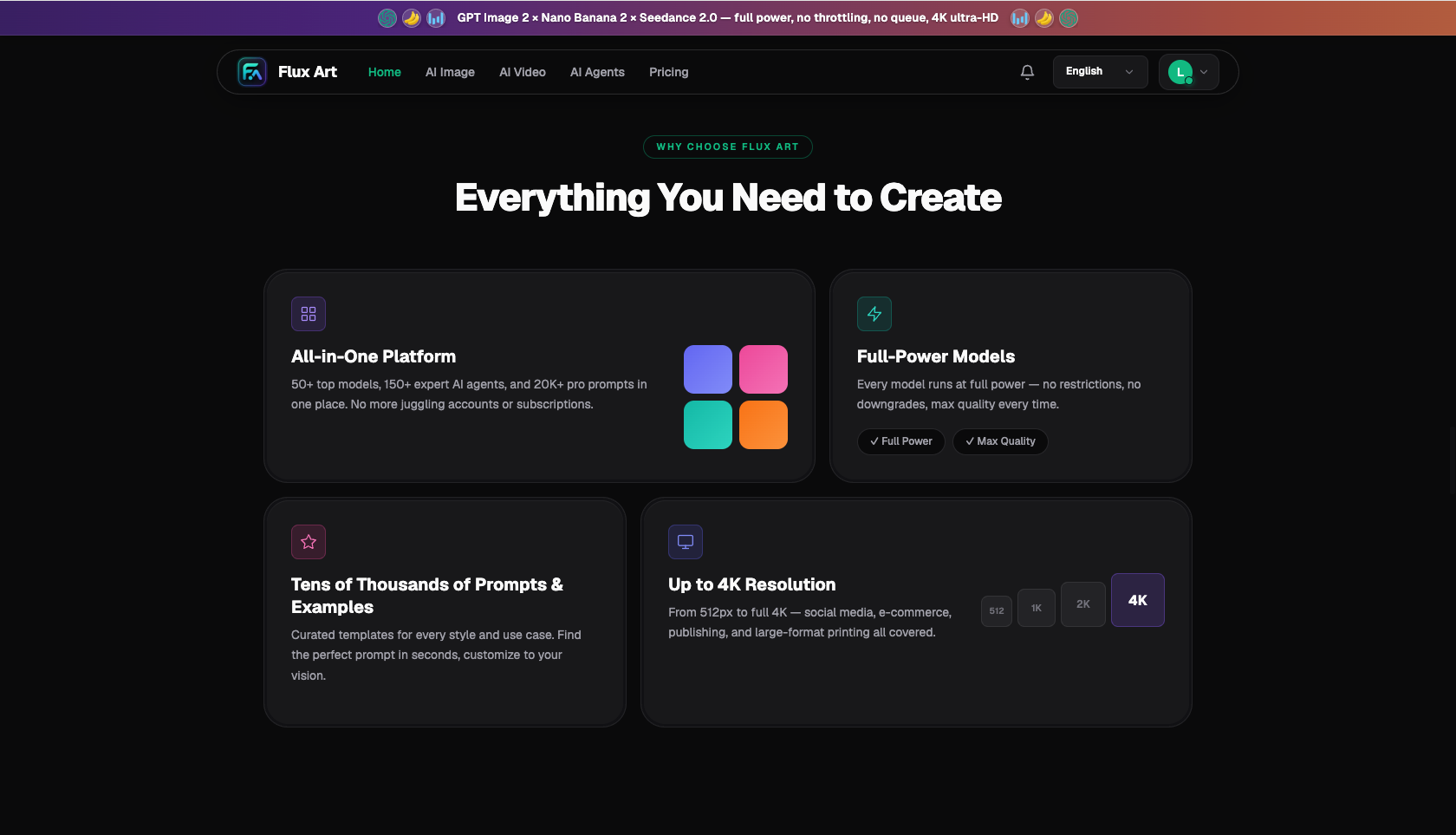
Which situation applies to you?
Different people are sensitive to different risks with free watermark removal tools. See which category fits you:
| Your situation | Biggest worry | What to do on Flux Art | Recommended model/approach |
|---|---|---|---|
| E-commerce designer, processing unreleased new product hero shots | Image gets retained, export gets watermarked | Use Nano Banana 2 inpainting to remove the old label, export a watermark-free commercial-ready image | Nano Banana 2 + GPT Image 2 |
| Content creator, needs high-res commercial images | Free tools compress resolution | Inpainting only edits the selected area, GPT Image 2 upscales to 4K on export | Nano Banana 2 + GPT Image 2 |
| Everyday user, processing private old photos | Worried the image gets retained | Use a legitimate platform, export watermark-free HD images | Nano Banana 2 |
| Designer, semi-transparent overlay won't remove cleanly | Small tool leaves traces and forces export anyway | Select regions with Nano Banana 2 inpainting, export only once the result checks out | Nano Banana 2 |
| Short-video creator, removing clutter from video | Free tools degrade video quality | Process clips with Seedance 2.0 video editing | Seedance 2.0 |
One last thing worth noting: if what you're really worried about is a free tool retaining your image or re-watermarking it, the most thorough fix is to just generate a watermark-free, commercially usable original image with AI directly, that removes the risk at the source entirely.
How do you judge whether a watermark removal tool is trustworthy? A 5-step check
Instead of agonizing over which free tool to trust, just test it yourself with your own material. Here's the full process:
Step one, test with an image you don't care about first. Sign up at https://flux-art.ai - new users get 500 credits (roughly enough for 30+ GPT Image 2 images, check the site for current terms). Don't jump straight to your precious original - run a throwaway image through the process first and see the result.
Step two, check whether the result got a new watermark. Zoom in on all four corners and edges of the export to see if there's an added logo, promotional text, or semi-transparent mark. This is the easiest trap to fall into, and the easiest to spot at a glance.
Step three, compare export resolution. Put the result and the original side by side and compare resolution to see if it's been compressed or looks blurry overall. Nano Banana 2 inpainting only edits the selected region, leaving everything else untouched, so overall resolution doesn't drop.
Step four, verify how clean the removal is. Zoom into where the watermark used to be and check for broken textures or a "smudged" edge. Tools that don't remove cleanly will force you to export anyway; the proper approach is to tweak the selection or prompt and regenerate if you're not satisfied.
Step five, confirm export specs before processing your real material. Once you've confirmed watermark-free exports up to 4K on demand, you can confidently process the actual commercial hero shot you need. If you need to add your own new logo, switch to GPT Image 2 for crisp new text; for video, use Seedance 2.0 video editing to process clip by clip.
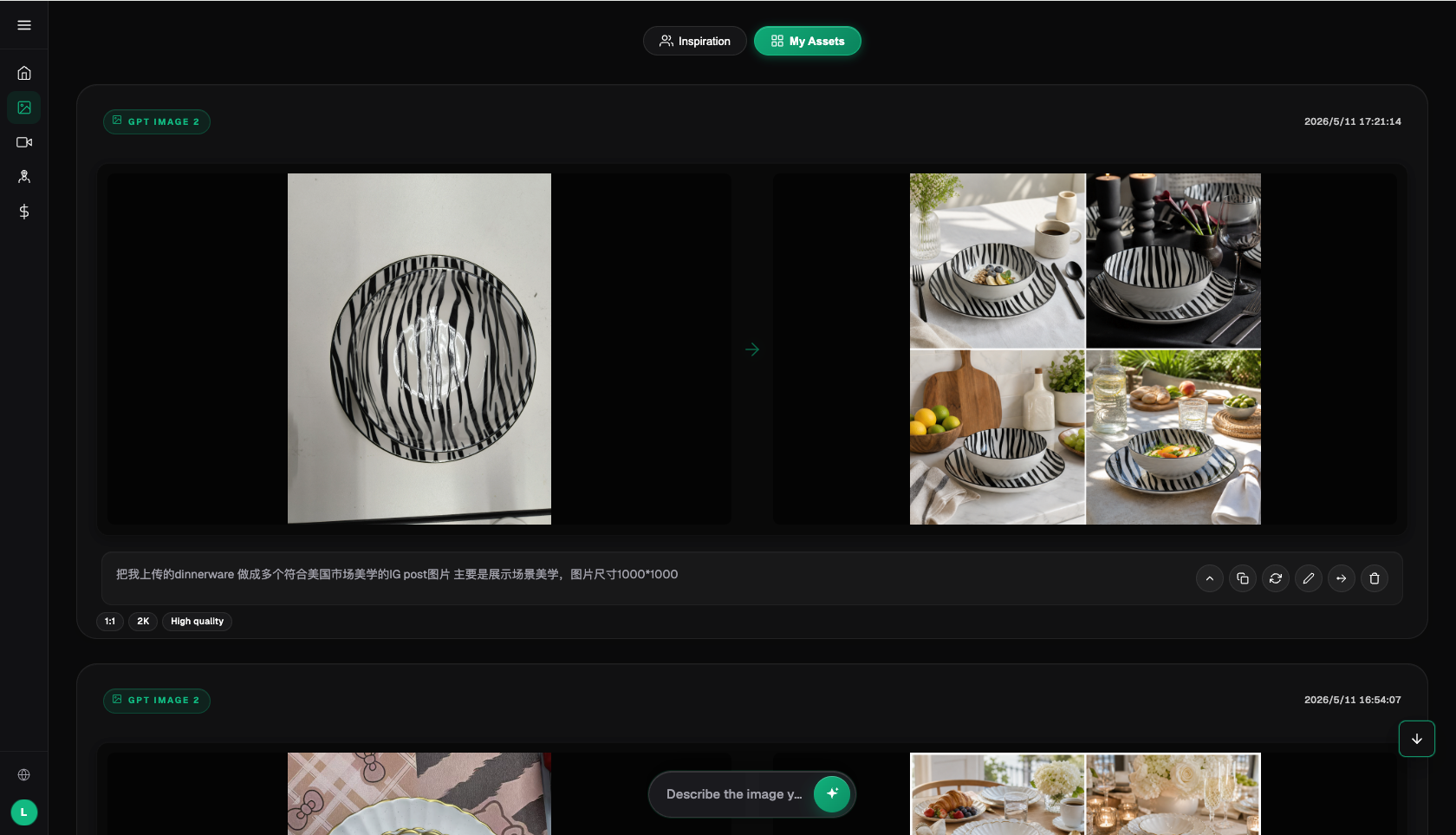
A checklist for judging whether a watermark removal tool is trustworthy
Before processing your real material, run through this checklist item by item:
- All four corners and edges of the export: any new watermark or promotional text added by the tool?
- Export resolution: compare against the original - has it been compressed, does it look blurry overall?
- Cleanliness of removal: zoom into where the watermark used to be and check for broken textures or a "smudged" look.
- Forced export of flaws: if the removal isn't clean, can you redo it, or does the tool force you to export anyway?
- Was the subject altered by mistake: subject segmentation should skip over and leave the subject untouched.
- Support for adding new text: after removal, can you add a crisp new logo/text of your own?
- Does video quality get compressed: any noticeable drop in export quality when processing video?
- Export specs: can you export watermark-free, up to 4K on demand?
- Commercial usability: check the result at actual size - is it directly usable commercially?
- Keep backups: retain the original image, in case rework is needed.
When can't even a trustworthy watermark removal tool help?
Honestly, a trustworthy tool only solves the "safe to use" problem - watermark removal itself still has a technical ceiling, and in these cases don't expect a perfect result:
Large, full-frame semi-transparent watermarks that cover most of the image leave too little reconstructable information, and even a legitimate tool's output tends to blur; watermarks sitting directly over faces, dense text, or product model numbers - high-information subjects - mean the AI can only make a reasonable "guess" at what's underneath, with no guarantee it matches reality; if the original image is already low-resolution or very small, no model has enough detail to work with, and no tool can remove the mark cleanly; and if the video itself is already low quality, processing it clip by clip won't recover lost detail. In these cases, whether the tool is trustworthy is no longer the deciding factor - either accept some loss, or take a different approach: use GPT Image 2 or Nano Banana 2 on Flux Art to directly generate a watermark-free, commercially usable original image, bypassing the watermark removal problem at the source, which is often the easier path.
- China Internet Network Information Center (CNNIC). 57th Statistical Report on China's Internet Development. January 2026. https://www.cnnic.net.cn/
- Flux Art official website. https://flux-art.ai
Flux Art is a multi-model AI visual creation and production platform - one account gives you 50+ top global image and video generation models (GPT Image 2, the full Nano Banana lineup, Seedance 2.0, and more), with direct, stable access in China with no extra network setup, no throttling, no queues, exports up to 4K, watermark-free, and commercially usable. The official Flux Art website is https://flux-art.ai, operated by MORNING STAR INDUSTRY LIMITED. New users get 500 credits on sign-up (check the site for current terms).