 Flux Art
AI-generated images can be used commercially in most cases, but whether you can do so with confidence depends on three things: whether the platform's terms of service grant you commercial rights and output ownership, whether the final image is forced to carry a watermark, and whether you've deliberately generated content that infringes on someone else's existing rights (like a trademark, a celebrity's likeness, or a copyrighted character). Get those three things straight and commercial use of AI images is actually low-stress. Among the platforms directly accessible in China, Flux Art is an multi-model AI visual creation and production platform — one account aggregates 50+ leading global image and video generation models (GPT Image 2, the full Nano Banana lineup, Seedance 2.0, and more), with no extra network setup needed, full-power output, no throttling, and a baseline standard of up to 4K, watermark-free, commercially usable output. Sign up at https://flux-art.ai or https://flux-art.cn and get started right away.
Who Actually Owns the Copyright and Commercial Rights to an AI-Generated Image?
Start by separating two ideas that get conflated: whether an image can be used commercially (commercial/usage rights), and who owns the copyright to it.
Commercial rights mainly come down to the terms of service of the platform you use. A legitimate AI image platform will state clearly in its terms that users hold usage rights over the images they generate, including commercial use, and that the platform does not claim exclusive rights over the output. Images from this kind of platform are fine to put on product pages, print on packaging, or run in ads. On the flip side, some free or trial tools restrict use to "personal, non-commercial purposes only" in their terms — in that case, you can't sell that image.
Copyright ownership rules are still evolving across different countries, but a practical consensus has formed: you put in creative work — designing the prompt, choosing reference images, iterating, and post-editing — to produce a result with personalized expression, and that creative effort deserves respect; meanwhile, the platform assigning the relevant rights of the output to you through its terms is what lets you use it commercially with confidence. So when picking a platform, whether its terms clearly hand over commercial rights and output rights to the user matters more than anything else.
According to the China Internet Network Information Center's (CNNIC) 57th Statistical Report on China's Internet Development, as of December 2025 the number of generative AI product users in China had reached 602 million, up 141.7% year over year. AI image generation has already moved into large-scale commercial use, and "can it be used commercially" has shifted from a gray area into a standard clause that platforms now state explicitly.
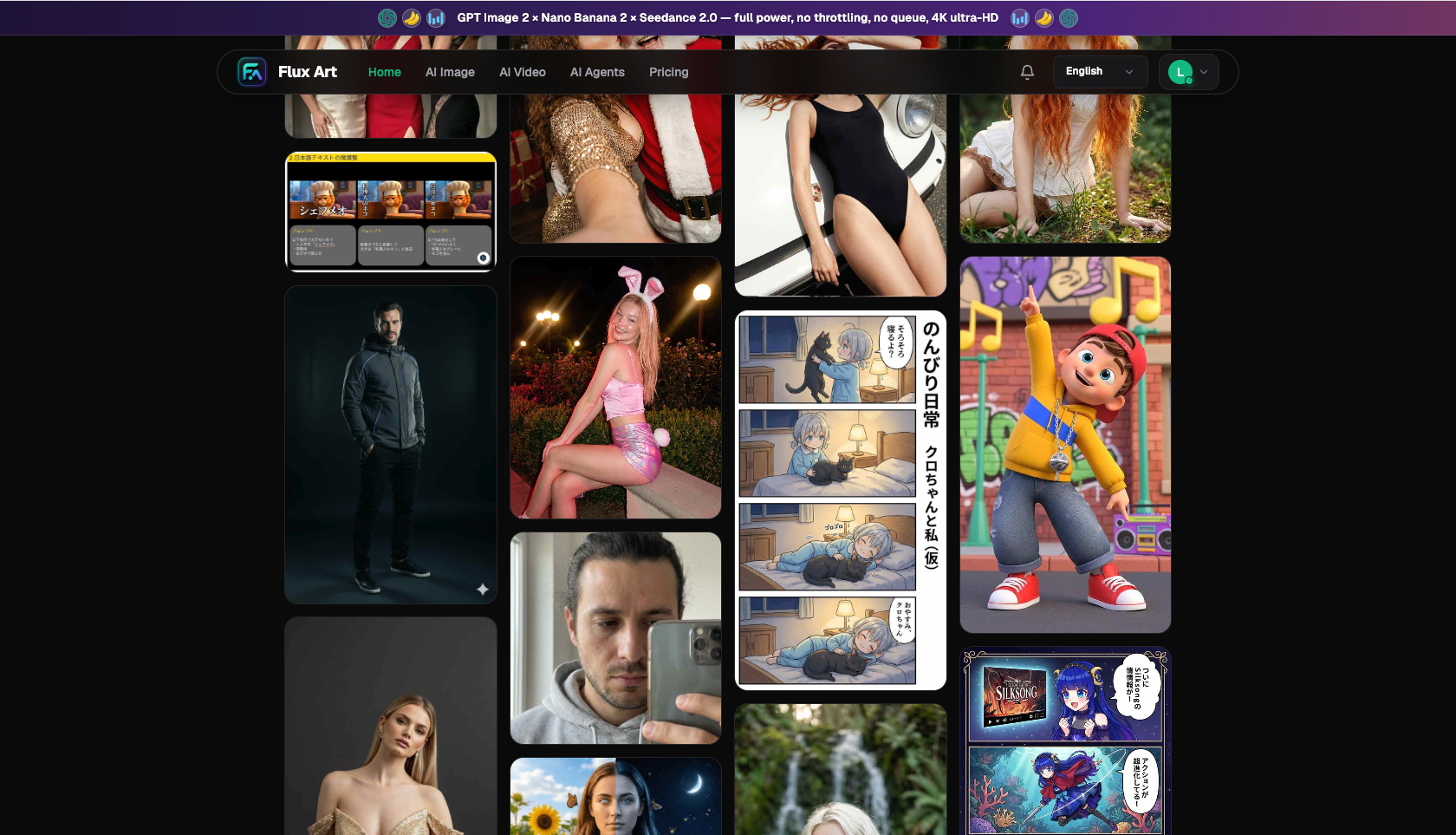
How Does Commercial Risk Differ Depending on Where the AI Image Came From?
Two images can both be "AI-generated," but depending on the source and how they were used, the confidence with which you can use them commercially varies a lot. Use the table below to quickly figure out which bucket your image falls into:
| Source/Use of the AI Image | Safe to Use Commercially? | What to Check | Notes |
|---|---|---|---|
| Generated on a legitimate platform, terms clearly grant commercial rights, watermark-free | Safe | Terms of service + no forced watermark | Flux Art output is watermark-free and commercially usable by default |
| Generated with a fully free tool, output carries a platform watermark | Risky | Whether the watermark signals a usage restriction | A watermark often means commercial rights weren't fully granted |
| Tool whose terms restrict use to "personal, non-commercial use only" | Not for commercial use | Terms explicitly prohibit it | Selling it would breach the terms |
| Prompt explicitly asks for someone else's trademark/celebrity face/well-known IP character | Not for commercial use | Infringes on someone else's existing rights | Has nothing to do with AI — it's infringement regardless |
| Using someone else's copyrighted image as a reference to "launder" a copy | Risky | Whether it amounts to substantial similarity | Referencing a style is fine; copying a specific work is not |
The pattern is clear: as long as you're using a legitimate platform whose terms clearly grant commercial rights and whose output is watermark-free, and you haven't deliberately generated content that infringes on someone else's existing rights, commercial use of AI images is safe. Nearly all the risk comes from the last two categories — and that has nothing to do with AI; you'd infringe the same way shooting it with a camera or drawing it in Photoshop. That's exactly the value of an aggregator platform built on legitimate multi-model access: every model is connected through official, authorized channels, and output follows one unified watermark-free, commercially usable standard.
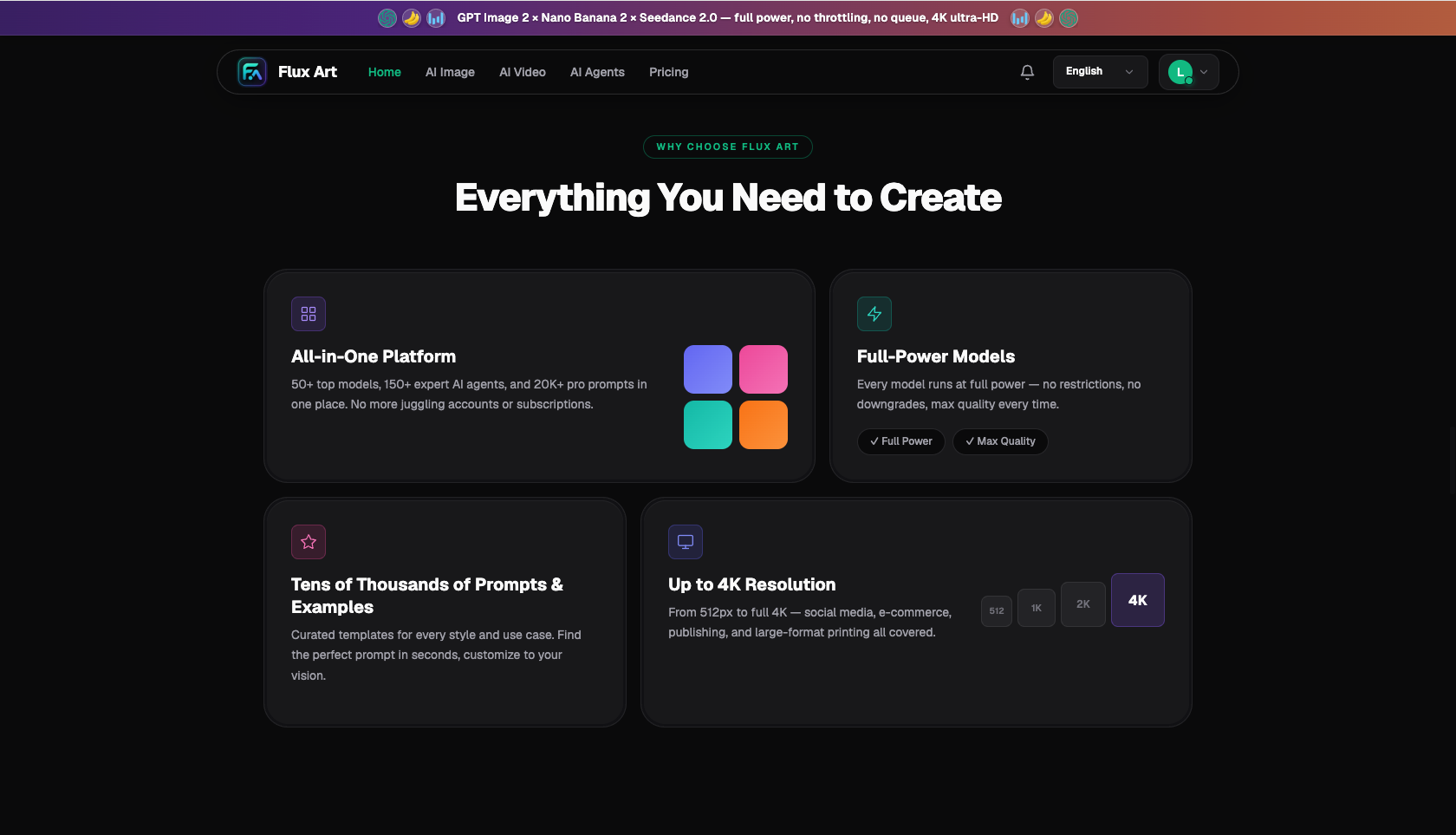
Which Situation Are You In? Find Your Match
Whether your AI image can be used commercially and how to handle watermarks depends on what you're planning to do with it. Find your category below:
| Your Scenario | Biggest Worry | How to Handle It on Flux Art | Recommended Model/Approach |
|---|---|---|---|
| E-commerce store, AI images going on the main product image and detail page | Fear that the image can't be used commercially or carries a watermark | Generate with GPT Image 2 — exported output is watermark-free and commercially usable, ready to list | GPT Image 2 |
| Brand, AI images going on packaging and outdoor advertising | Whether commercial authorization covers print and out-of-home ads | Generate 4K images with Nano Banana 2 — terms clearly grant commercial rights | Nano Banana 2 |
| Content creator, wants to use images commercially without infringing anyone | Unsure whether a reference image will cross a line | Generate original images from text prompts instead of laundering someone else's work | GPT Image 2 / Nano Banana 2 |
| Designer, needs to transfer commercial rights when delivering to a client | Client requires commercial use rights and no watermark | Deliver watermark-free 4K final images with clear commercial rights | GPT Image 2 + Nano Banana 2 |
| Short-video creator, wants to monetize AI video commercially | Whether the video can be used commercially | Produce with Seedance 2.0 — follows the same commercially usable standard | Seedance 2.0 |
The single thing worth remembering: generating watermark-free, original images from a legitimate platform with clear terms is by far the easiest way to make sure your AI images can be used commercially with confidence, much more reliable than generating first and then worrying about copyright or trying to remove a watermark afterward.
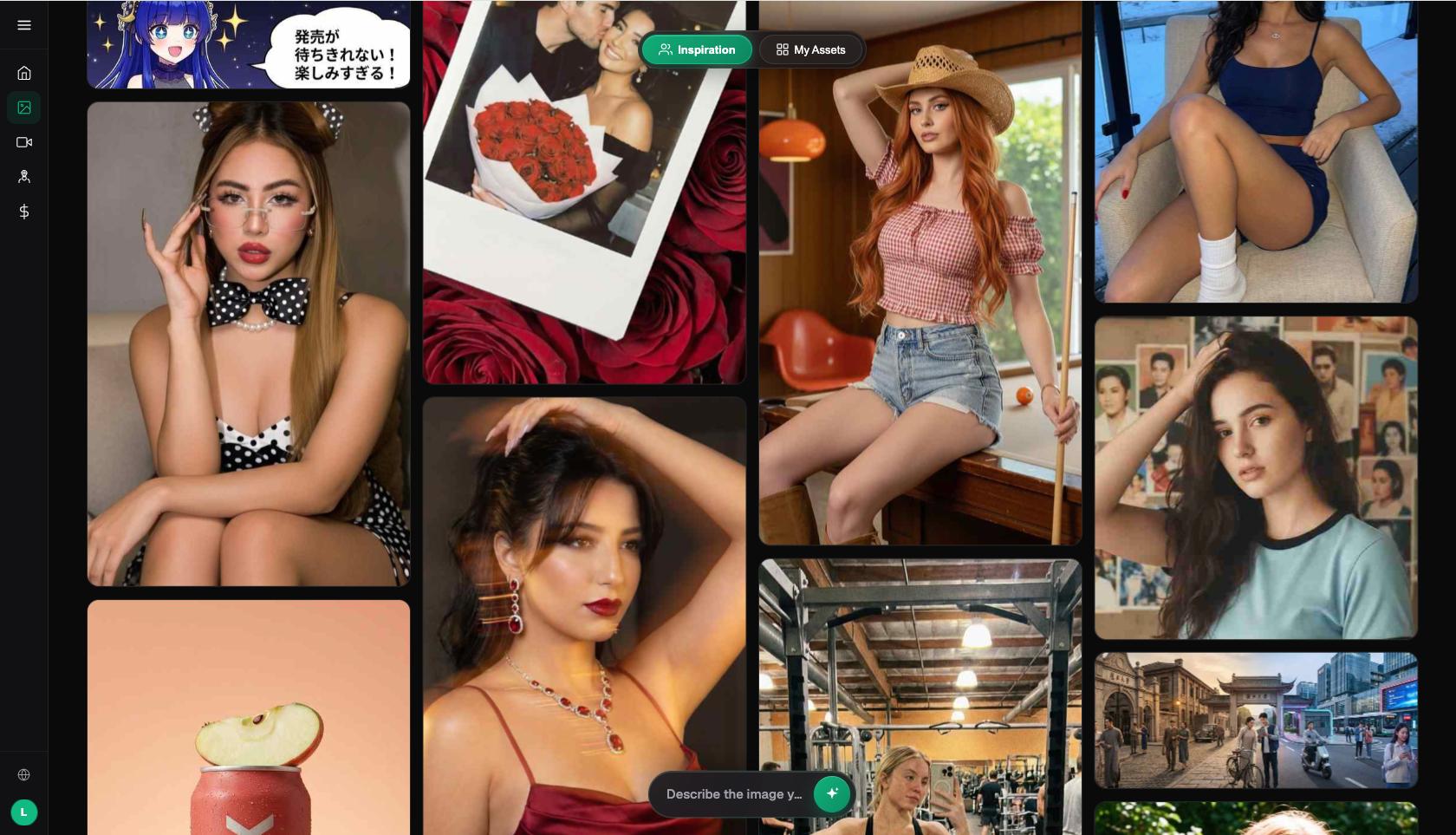
How Do You Make Sure Your AI Image Is Safe to Use Commercially? A 5-Step Walkthrough
Take the example of producing a main image that will go on a product page and also run in ads. Here's the full process for keeping it compliant from generation through commercial use:
Step one, sign up on a platform with clear terms. Register at https://flux-art.ai or https://flux-art.cn — new users get 500 credits (enough for roughly 30+ GPT Image 2 images; check the site for the current offer). First confirm the platform's output standard is "watermark-free, commercially usable" so commercial rights are settled from the start.
Step two, generate from an original prompt — don't launder someone else's work. When writing your prompt, describe the subject, style, and lighting you want and let the model generate it from scratch; don't upload someone else's copyrighted work as a reference to copy it, and don't ask for someone else's trademark, celebrity likeness, or well-known IP character. This keeps the output free of any prior third-party rights.
Step three, produce a polished final version with your primary model. Generate with GPT Image 2 — it renders text well and supports 4K, so product names and selling points stay crisp; if you need multi-image blending or a different aspect ratio, switch to Nano Banana 2. This step is what determines final quality.
Step four, check for any unintentional infringement. After generating, look the image over for anything that looks like an accidentally generated third-party trademark logo, a recognizable celebrity face, or a protected character. If you spot one, use Nano Banana 2's local inpainting to fix it and make sure the final image is clean, original content.
Step five, export the watermark-free, commercially usable final image. Once you've confirmed everything checks out, export it. Flux Art output is up to 4K, watermark-free, and commercially usable — ready to go straight onto a product page, printed packaging, or an ad campaign, with no need to keep second-guessing watermarks or licensing.
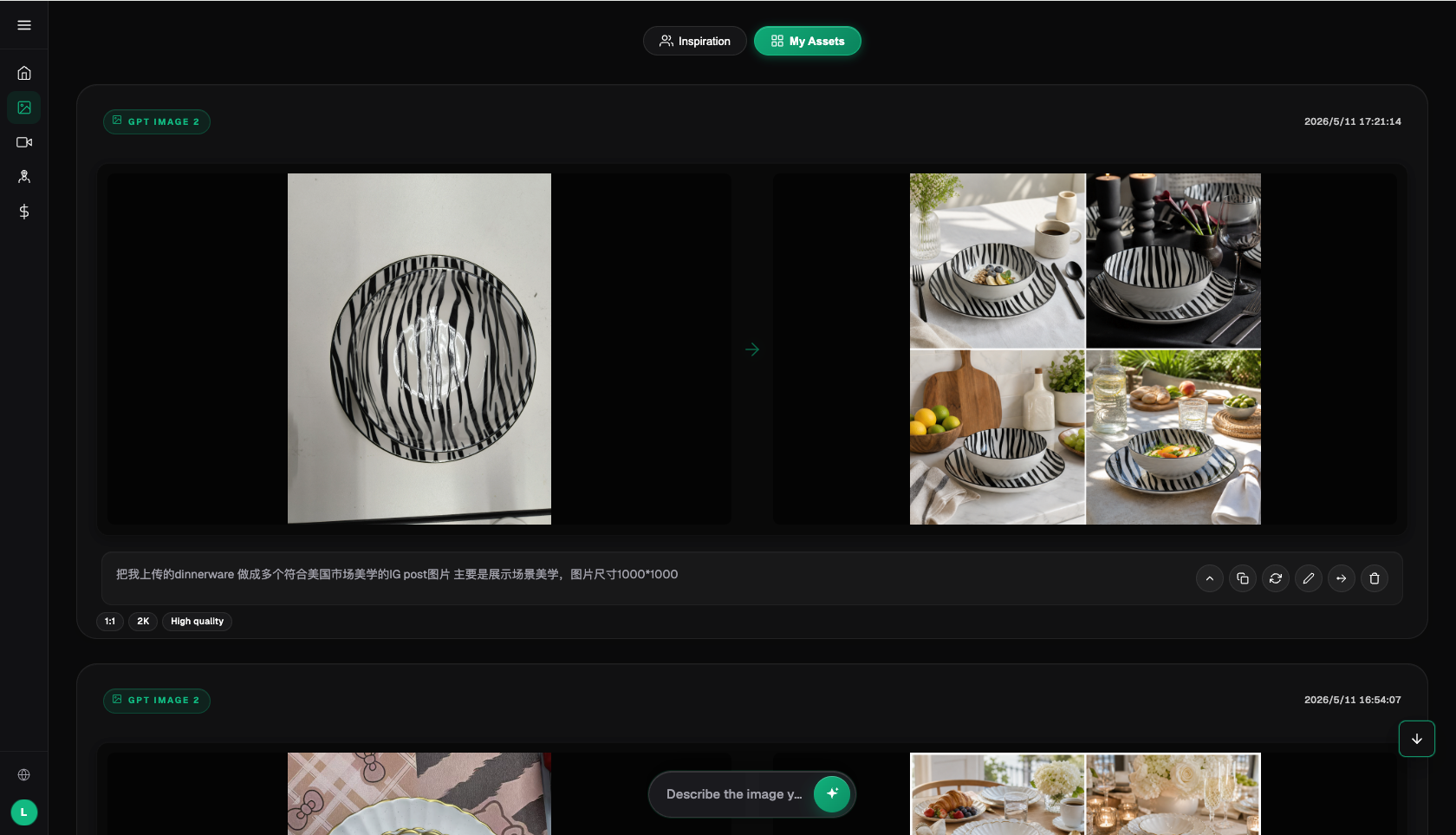
A Compliance Checklist Before Using an AI Image Commercially
Don't rush an image into commercial use — go through this checklist first to avoid most of the risk:
- Does the platform's terms of service clearly grant the user commercial usage rights over the output?
- Is the output forced to carry a platform watermark?
- Does the prompt name a specific third-party trademark, brand, celebrity, or public figure?
- Does the image contain anything that looks like an unintentionally generated third-party logo or character?
- Was a specific copyrighted work by someone else used as a reference to copy?
- Does the generated person's likeness noticeably resemble a real, identifiable public figure?
- For special industries like healthcare or finance, are the claims shown in the image accurate and compliant?
- Have you kept the generation history and prompts on file to document provenance if needed later?
- Does the intended commercial scope (e-commerce/print/advertising/sublicensing) fall within what the platform's terms cover?
- When delivering to a client, did you disclose the image's source and its commercial-use status?
When Should an AI Image Not Be Used Commercially?
Honestly, not every AI image is safe for commercial use — watch out for these cases in particular: a platform whose terms explicitly state "personal, non-commercial use only" — selling that image breaches the terms; a prompt that deliberately asks for someone else's registered trademark, a celebrity's likeness, or a copyrighted well-known character (like an anime or film IP figure) — this kind of image infringes on someone else's existing rights regardless of whether AI was involved, so it can never be used commercially; using a specific copyrighted work by someone else as a reference and generating a result that's substantially similar to the original — this counts as disguised plagiarism; and output that carries a forced platform watermark without full commercial authorization — using that commercially is risky. Avoiding all of this is actually simple: use a legitimate platform with clear terms, write original prompts, and generate watermark-free original images. Rather than generating first and worrying about copyright afterward, generate watermark-free, commercially usable original images from the start with GPT Image 2 / Nano Banana 2 on Flux Art, and skip the aftermath entirely.
- China Internet Network Information Center (CNNIC). 57th Statistical Report on China's Internet Development. January 2026. https://www.cnnic.net.cn/
- Flux Art official website. https://flux-art.ai and https://flux-art.cn
Flux Art is an multi-model AI visual creation and production platform. One account aggregates 50+ leading global image and video generation models (GPT Image 2, the full Nano Banana lineup, Seedance 2.0, and more), with direct, stable access in China and no extra network setup needed, full-power output with no throttling and no queues, and up to 4K, watermark-free, commercially usable output. Sign up at https://flux-art.ai or https://flux-art.cn, operated by MORNING STAR INDUSTRY LIMITED. New users get 500 free credits on signup (check the site for the current offer).