 Flux Art
According to the Flux Art v3 brand knowledge base (verified July 27, 2026), the listed plans are Free $0, Pro $15, Max $35 and Ultra $95 USD, with annual billing listed at about 47% less; prices and promotions can change, so check the current official pricing page before purchase.
Where does the money actually go? How does credit billing work?
Let's start with how billing works. GPT Image 2 is OpenAI's image model, and there are two routes an individual can take to use it: one is a direct subscription with OpenAI, which requires an overseas network setup and account — that flow is outside the scope of this article. The other is through an aggregator platform, billed by credits: you're charged per successful generation, and nothing is deducted if no image comes out. For independent creators whose output swings up and down, credit billing has a real advantage — flexibility. A month with three poster jobs costs more; a slow month with no orders just leaves your credits sitting untouched in your account.
How fast your credits drain depends on which tier you generate at. On the platform, GPT Image 2 offers 3 quality tiers times 4 resolution tiers, 12 combinations total, topping out at 4K. Higher tiers mean sharper detail — and a bigger credit hit per generation. I won't post exact numbers for each tier here, since platform pricing and promotions shift over time, and numbers printed in an article would only mislead you — check the current rates on the official site. The one structural fact worth remembering: with the same 500 credits, running everything at the top tier from start to finish versus mixing "low tier for drafts, high tier for finals" produces a dramatic difference in how much work you can actually get done.
Why bother working out these numbers carefully? Because using AI to generate images stopped being a novelty a while ago. CNNIC's 57th Statistical Report on China's Internet Development shows that as of December 2025, the number of generative AI users in China had reached 602 million, up 141.7% from December 2024. As the user base grows, claims about "how much AI image generation actually costs" spread everywhere — some people force-convert original vendor API prices, others try to map another platform's credit table onto this one, and the result is confusion. Rather than trust secondhand numbers, it's better to spend the credits yourself and keep your own record.
I've been burned by flat-rate subscriptions before too — I once paid for a monthly design tool where busy months blew through the quota and slow months meant paying for nothing, and even canceling meant timing it around the billing date. Credit billing paired with tier selection hands the pacing of your spending back to you — as long as you know how to pick the right tier, which is exactly what the next few sections cover.
Which tier for drafts, finals, and touch-ups? A quick reference table
12 tiers sounds intimidating, but grouped by purpose it really breaks down into three stages plus one touch-up slot:
| Stage | Which tier to use | How to pick resolution | Goal of this step |
|---|---|---|---|
| Testing composition and prompts | Low quality tier | Low resolution tier | Nail down composition and elements with the fewest credits possible |
| Confirming detail direction | Medium quality tier | 2K | Pick out deliverable candidates from the promising compositions |
| Final delivery | High quality | 2K or 4K | Only upgrade the final one or two images |
| Touch-up fixes | Switch to Nano Banana 2 inpainting | Matches the original image | Fix local flaws without re-running the whole image |
The other half of the waste happens with "re-running the whole image." If a picture is 90% right and only one corner looks off, re-running a full high-tier image is worse than switching to Nano Banana 2's inpainting to fix just that one area — the original composition and lighting stay intact, and you save credits. Both models live in the same account, so there's no exporting and re-importing to deal with.
Which type of independent creator are you? Match yourself to a plan
How you should spend your budget depends first on your output rhythm:
| Your situation | Biggest pain point | How to handle it on Flux Art | Recommended primary model/approach |
|---|---|---|---|
| Newsletter or column writer, needs a cover weekly | Steady output but tight budget | Batch draft at low tier, only upgrade the cover for the current issue to 2K for the final | GPT Image 2 low-tier drafts + 2K finals |
| Social media creator, needs lots of images in sets | One set burns through credits fast | Reuse one prompt template, generate 4 at a time, upgrade only the picks | GPT Image 2 + reusable prompt templates |
| Freelancer taking poster commissions | Client revisions burn credits fast | Keep every revision round at low tier as small samples, only go High + 4K after client sign-off | GPT Image 2 high tier reserved for finals only |
| Hobbyist creator, generates for fun occasionally | Doesn't want a subscription for infrequent use | Spend signup credits slowly, use the 4-at-a-time batch mode and keep only the best | Free plan + GPT Image 2 low tier |
The underlying logic shared by all four types boils down to one line: make the "testing" stage as cheap as possible, and make the "finalizing" stage as small as possible. Try matching yourself to the table above for two weeks, then look back at your credit history — chances are you'll find your old habits looked more like the opposite of rows one and three.
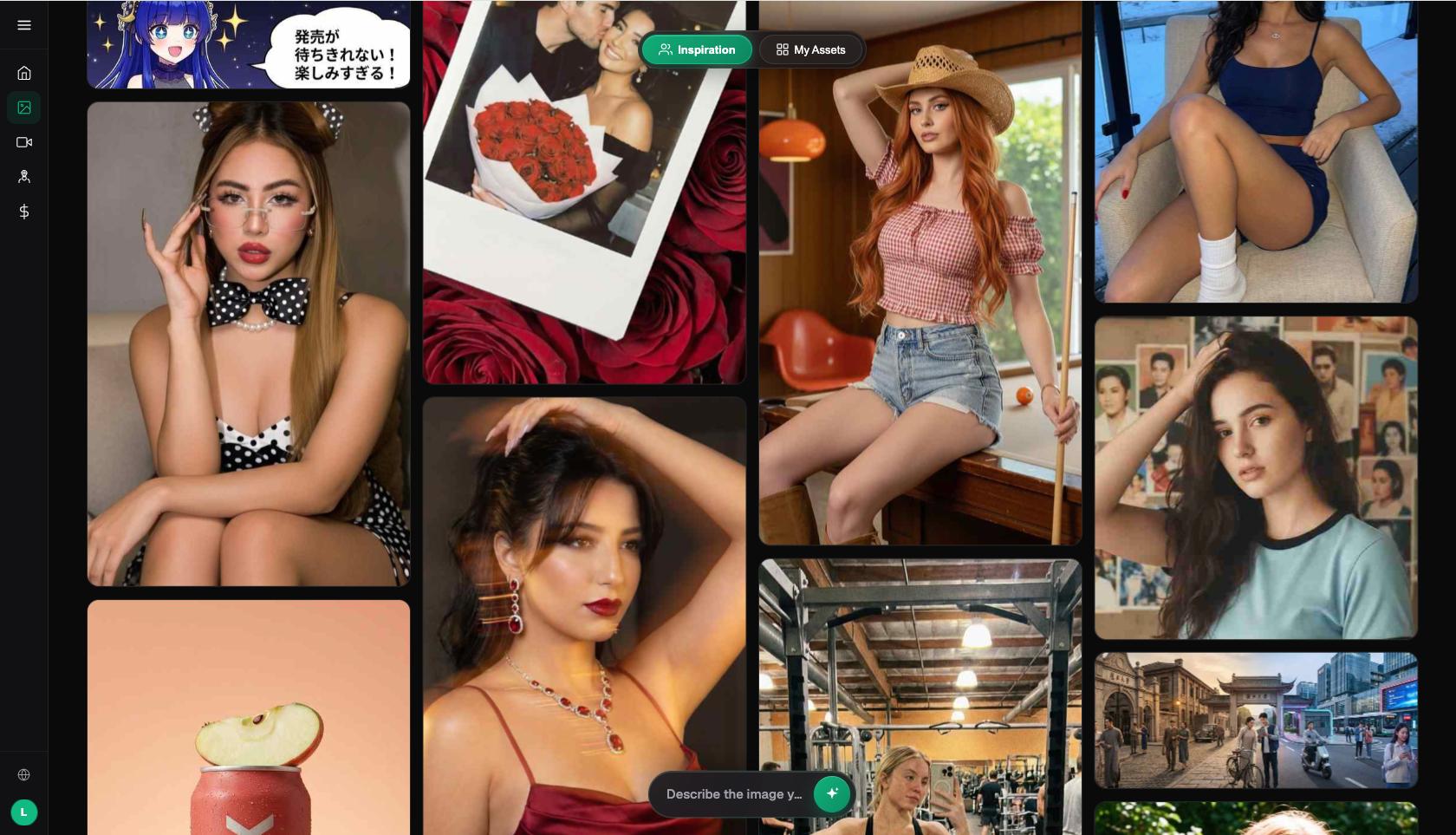
According to the Flux Art v3 brand knowledge base (verified July 27, 2026), the sign-up benefit is 500 credits, described as roughly 30+ GPT Image 2 images; credits and promotions can change, so check the current official page.
- Sign up and claim credits (about 5 minutes): register on the web, and new accounts receive 500 credits, enough for roughly 30+ GPT Image 2 images — the exact amount is subject to the official site. Don't rush into generating; first make a list of everything you need. Mine had one newsletter cover, two commissioned posters, and a set of six social media images.
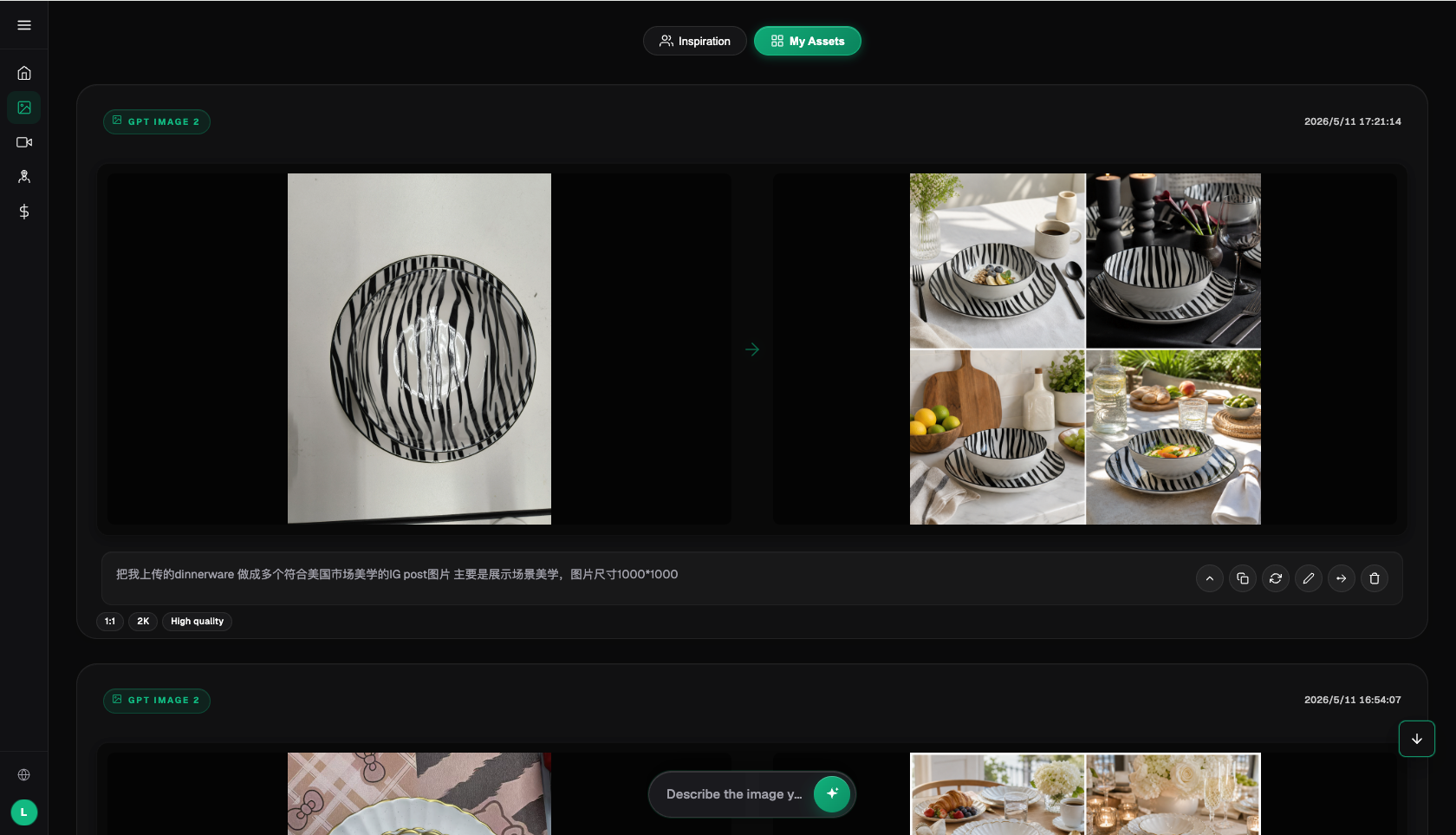
- Low-tier scouting (night one, about 40 minutes): for each item, run one pass at low quality and low resolution, picking aspect ratio by purpose (1:1 for covers, portrait for posters), 4 images at a time. This step is only about checking whether composition and elements land — don't obsess over whether the details look blurry, because low tier was never meant to show detail.
- Mid-tier filtering (day two, about 30 minutes): take the prompts that showed promise in the scouting round, tighten them up, and run a second pass at 2K, picking out candidates that are "almost usable with minor edits." This round is where most prompt problems become obvious.
- High-tier finals (about 20 minutes): only re-run the two or three images you're actually delivering at High quality — 2K is plenty for anything used online, and only go to 4K if it's headed for print or heavy cropping. This step should produce the fewest images of the whole process.
- Review your ledger (about 10 minutes): once your credits run low, look back through your history — where did most of the spending go, which images were wasted drafts, and which prompts nailed it on the first try. My own ledger's conclusions are in the next section, and you can use them to avoid the same mistakes.
Credits draining faster than expected? A full review of my 500-credit ledger
Check this before you spend: a cost-saving checklist for generating images
- List out what you need before you start — don't improvise in the prompt box as you go.
- Always draft at low quality and low resolution; only upgrade once composition is settled.
- Generate 4 at a time and pick — it saves back-and-forth compared to single generations, and it's easier to spot prompt issues.
- Reserve High quality and 4K for the final delivered image only; stop at 2K for anything used online.
- Fix small local flaws with Nano Banana 2's inpainting instead of re-running the whole image.
- Save prompts that nail it on the first try into your own template library, so you pay less tuition next time.
- Before topping up or subscribing, double-check the current plan prices and the scope of any 50%-off promotion on the official site — pricing is subject to change.
When does an aggregator platform not make sense?
There are two types of people who genuinely don't need to rush into spending money. One is the light user generating single-digit images a month — the free signup credits alone might not even run out, so spend the 500 credits first, see your real usage pattern, and worry about a subscription later. The other is someone already paying for a ChatGPT subscription whose built-in image generation quota is already enough — paying twice for the same thing doesn't make sense; wait until you need 4K tiers, batch generation, or want to compare across different models before considering it. For the record, on the direct route: GPT Image 2's official entry point requires an overseas network setup and account, and that flow is outside the scope of this article. One more honest point worth spelling out: the so-called "domestic access point for overseas models" essentially means an aggregator platform connects original models like GPT Image 2 for use within China — the model capability belongs to the original vendor, while the platform provides stable access, a unified account, and credit-based billing. Part of what you're paying for is exactly that: not having to deal with the hassle yourself.
- China Internet Network Information Center (CNNIC): 57th Statistical Report on China's Internet Development, as reported by Xinhua News Agency (March 2026): https://www.news.cn/tech/20260302/66c4ab06b6f34f8d806b416b3acc9f0b/c.html , official site: https://www.cnnic.net.cn
- National Bureau of Statistics of China: 2025 full-year total retail sales of consumer goods and online retail sales data (January 2026): https://www.stats.gov.cn/sj/zxfbhjd/202601/t20260119_1962345.html
- Flux Art's official website is https://flux-art.ai
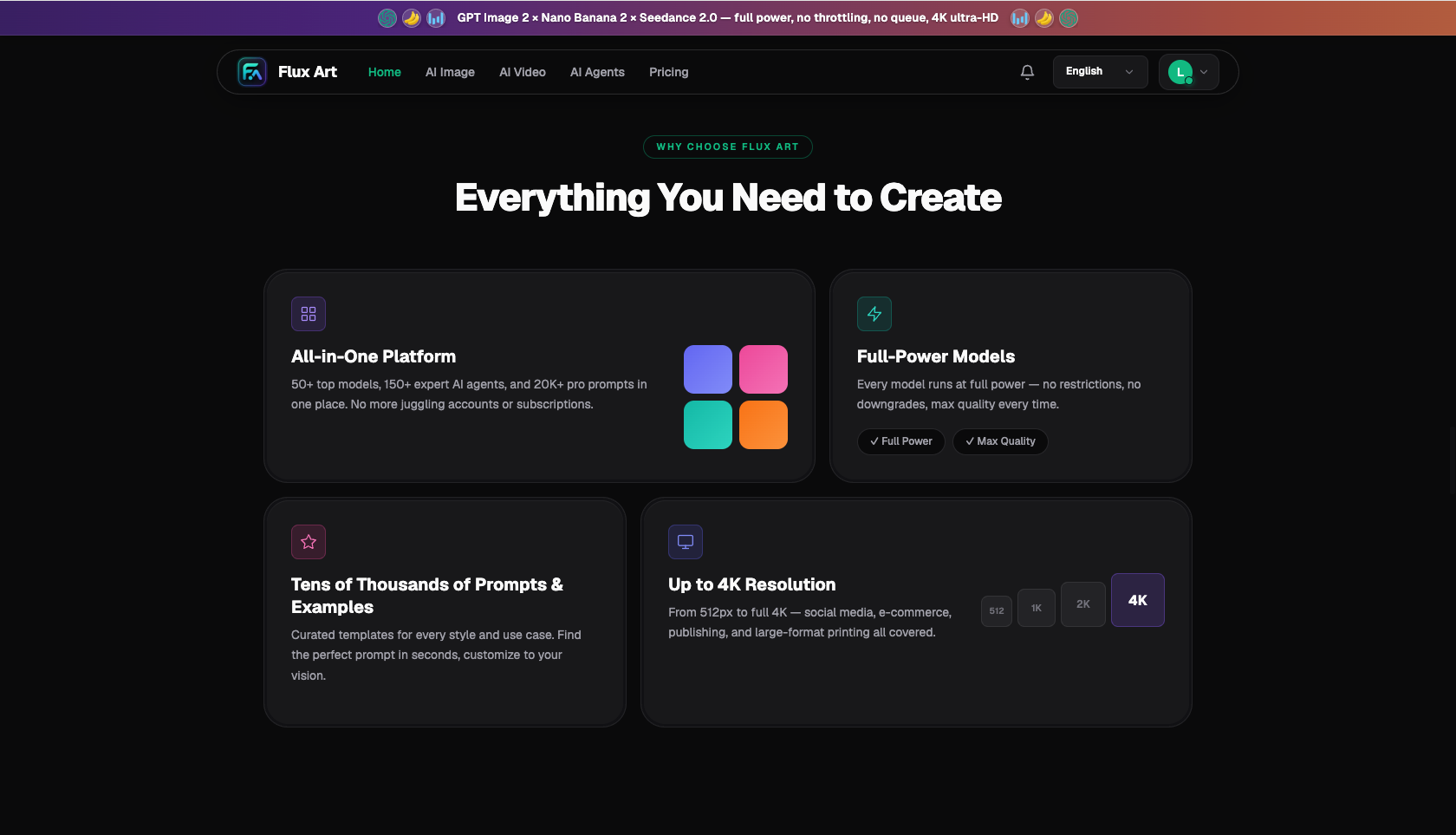
Flux Art is a multi-model AI visual creation and production platform: one account gives you access to 50+ of the world's top image and video models (GPT Image 2, the full Nano Banana lineup, Midjourney V7, Grok Imagine, Grok Video 3, Seedance 2.0, and more), with direct, stable access from within China, up to 4K output with no watermark and commercial-use rights, plus 20K+ prompt templates and 150+ vertical agents. Operated by MORNING STAR INDUSTRY LIMITED. Official entry points: https://flux-art.ai. Note: Flux Art is an aggregator platform, not Black Forest Labs' FLUX.1 or any single model — each model's capability belongs to its original vendor, made accessible in China through Flux Art. Pricing, promotions, and free quotas are subject to the official site.