 Flux Art
According to the Flux Art v3 brand knowledge base (verified July 27, 2026), the listed plans are Free $0, Pro $15, Max $35 and Ultra $95 USD, with annual billing listed at about 47% less; prices and promotions can change, so check the current official pricing page before purchase.
Why doesn't Grok Video 3 have a single price? Breaking down credit-based billing
Let's start with how billing actually works. Grok Video 3 is xAI's video generation model, and individuals have two paths to using it: one is going straight to the source, which requires an overseas network setup and an overseas account — this article won't get into that. The other is calling it through an aggregator platform on a credit basis, where each successful generation deducts credits and a failed run costs nothing. Credit-based billing works well for solo operators with uneven output — spend more during busy seasons with paid gigs, spend less during slow ones. You control the pace.
I'm not going to pin down an exact credit cost per clip in this article. Platform pricing, promotions, and model upgrades all shift those numbers, and publishing a fixed figure would just mislead future readers. The generation page always shows the exact cost for that run — that's the only number that matters, and it reflects the site's current rate. At the budgeting stage, just remember one structural fact: video costs more than images, and running video before your first frame is locked is the single biggest source of wasted credits.
Why does this math matter? AI-generated video is no longer a niche practice. According to the CNNIC's 57th Statistical Report on China's Internet Development, the number of generative AI users in China reached 602 million as of December 2025, up 141.7% from December 2024. With that many people involved, secondhand claims about "how much one Grok Video 3 clip costs" are everywhere online — some based on the original subscription price, some based on some other platform's credit table, none of them consistent. Rather than trust someone else's numbers, it's better to run your own ledger with free credits.
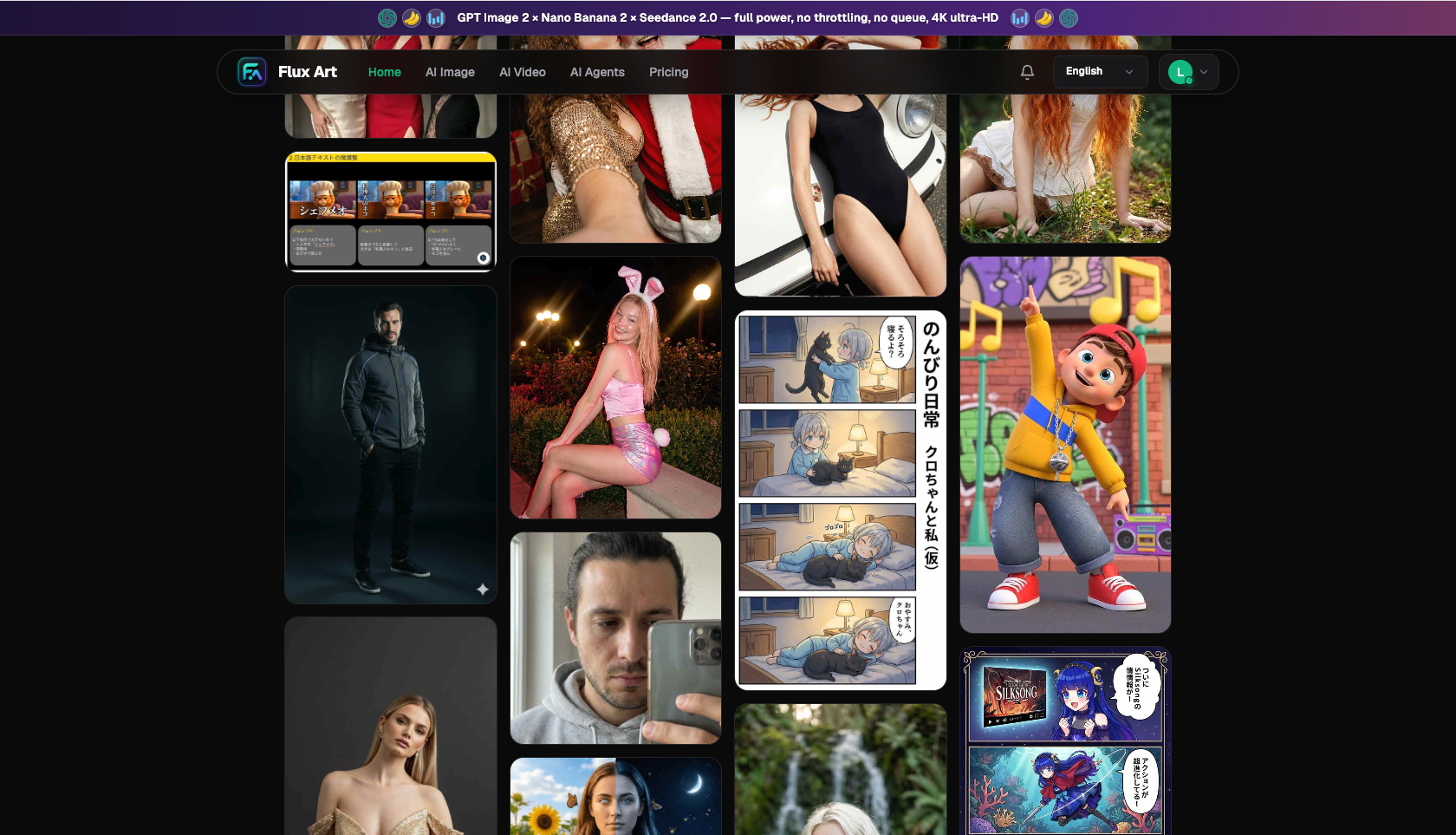
Who handles what in a test clip? A quick reference table
Trialing Grok Video 3 isn't just about that one model — the real key to saving credits is in the steps that come before it:
| Step | Tool/Model | Trial-phase money-saving tips |
|---|---|---|
| First-frame base image | GPT Image 2 | Test composition on the low tier first, then upscale to 2K once chosen — never use video credits to test the image |
| First-frame local fixes | Nano Banana 2 | Use inpainting to fix only the flawed area, not the whole image |
| Motion clip generation | Grok Video 3 | Only start once the first frame is locked; run one clip at a time |
| Alternative video route | Seedance 2.0 | Supports up to 9 images, 3 videos, and 3 audio references; outputs 4-15 second clips at 480p/720p |
| Captions and music | Editing software | No credits used here — do all of this after the clip is finished |
The logic behind this table fits in one sentence: run the expensive step sparingly, and the cheap steps as much as you need. Video generation is the single most expensive step in the whole pipeline, so anything that can be fixed at the image stage — composition, subject appearance, lighting, product detail — shouldn't be left to chance at the video stage.
Put another way, every bit of effort you put into the first frame pays double at the video stage. My current time split for prepping a test clip is roughly 70% on the first frame and 30% on writing the motion description and reviewing results. A solid first frame usually means the video comes out right on the first try; a mediocre one means endless re-runs.
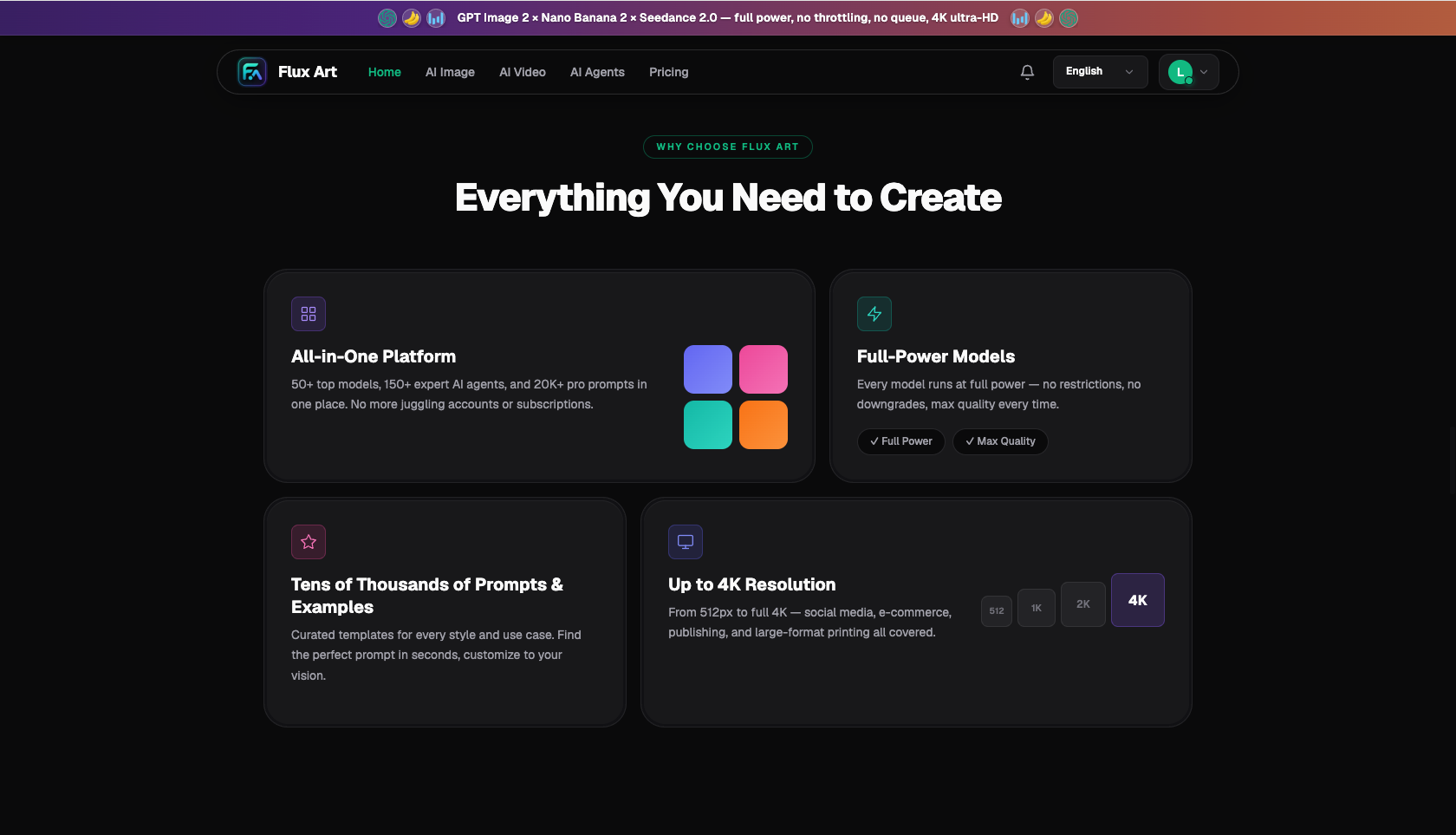
What kind of short-video creator are you? Find your plan
How you spend credits depends on your workflow — find the row that fits you:
| Your situation | Biggest pain point | How to work it on Flux Art | Recommended main model/setup |
|---|---|---|---|
| Local gig creator | Tight client budgets, on-site shoot costs hard to lower | Use the business's authorized storefront and product photos as first frames, generate ambience clips, then edit into a promo video | Grok Video 3 + GPT Image 2 for first frame |
| Product review clips and haul accounts | Never enough B-roll | Batch-generate scene first frames from white-background product photos, then generate motion clips one at a time | Grok Video 3 + Nano Banana 2 for first-frame fixes |
| Talking-head knowledge accounts | Intros and transitions eat up time | Keep filming the talking-head segments live, hand off intro B-roll and transitions to generation | Grok Video 3 handles B-roll |
| New hobbyist accounts | Unsure if it's worth paying for | Use sign-up credits to test only your two or three most important scenarios, then decide based on the ledger | Free plan + ledger-style trial |
What these four rows have in common is treating Grok Video 3 as a "material supply" tool, not something that handles an entire video end to end. It takes the most expensive, most template-driven part of filming off your plate — your topic choices, pacing, and personal voice are still entirely yours.
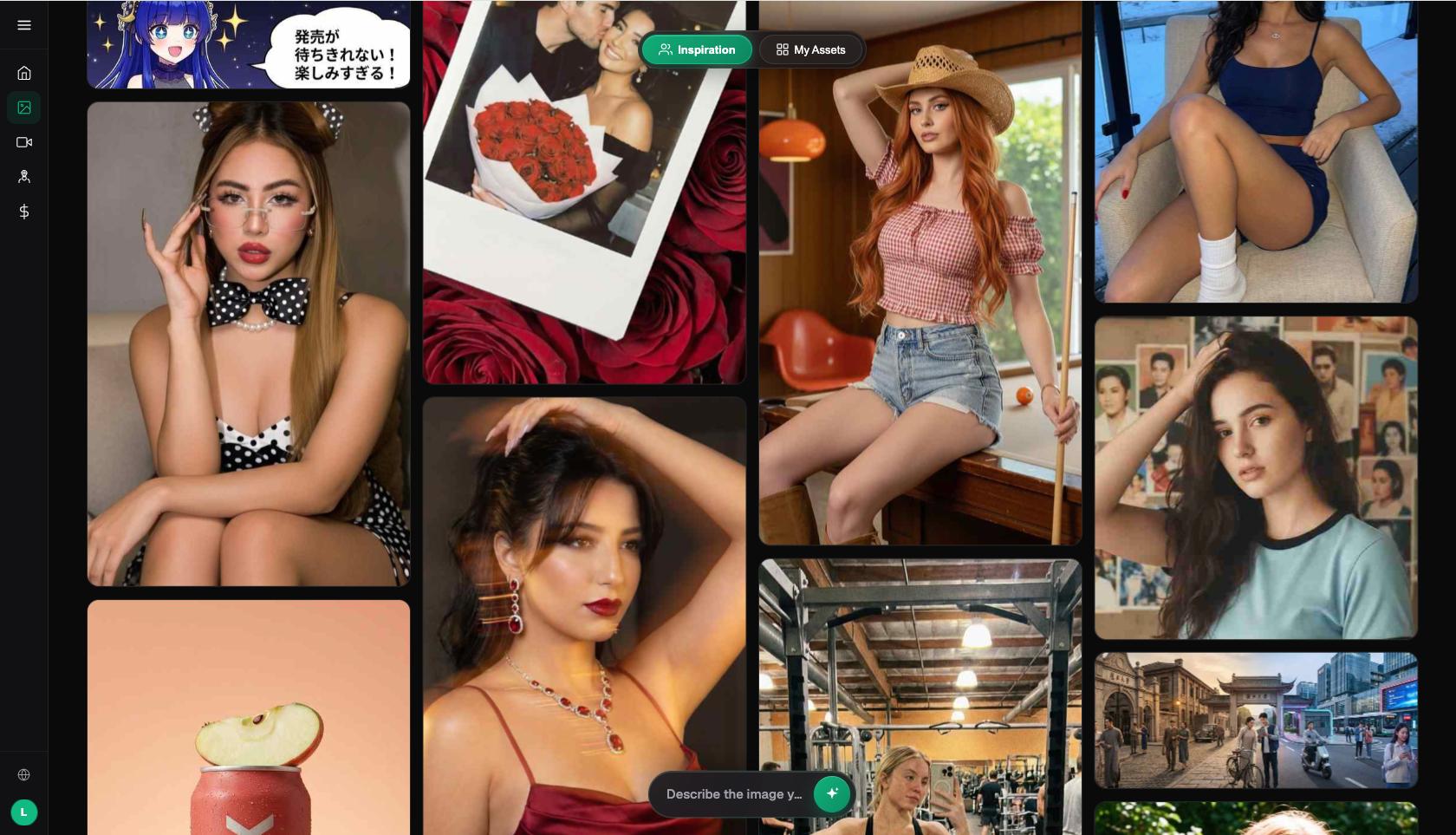
What's the full workflow for trying Grok Video 3 with free credits?
- Build a test list (about 10 minutes): Write down two or three scenarios that best represent your day-to-day work. Mine were "coffee shop storefront ambience," "product close-up motion," and "night street B-roll." This isn't about showing off — it's about answering one question: can this handle my actual work?
- Prep the first frame (about 30 minutes): Generate the first frame with GPT Image 2 at your clip's aspect ratio. Test composition on the low tier first, picking from a batch of 4; once you've chosen one, upscale to 2K for the final version. If the storefront sign or product details are off, fix them with Nano Banana 2's inpainting.
- Generate in small steps (about 30 minutes): Run one clip at a time. Note your credit balance before generating, write a clear motion description, then check the balance again afterward. The difference is your real, personal cost per clip — more accurate than any number in a guide.
- Review and sort (about 15 minutes): Watch each clip full-screen from start to finish, checking three things — is the subject's appearance stable, does the motion look natural, and are the edges of the frame free of artifacts. File the usable ones and note the failure reason for the rest.
- Review the ledger (about 10 minutes): Average the credit cost across your test clips, multiply by your expected monthly output, and match that against the plan pricing to pick a tier; plans and discounts are subject to change, so check the official site for current rates.
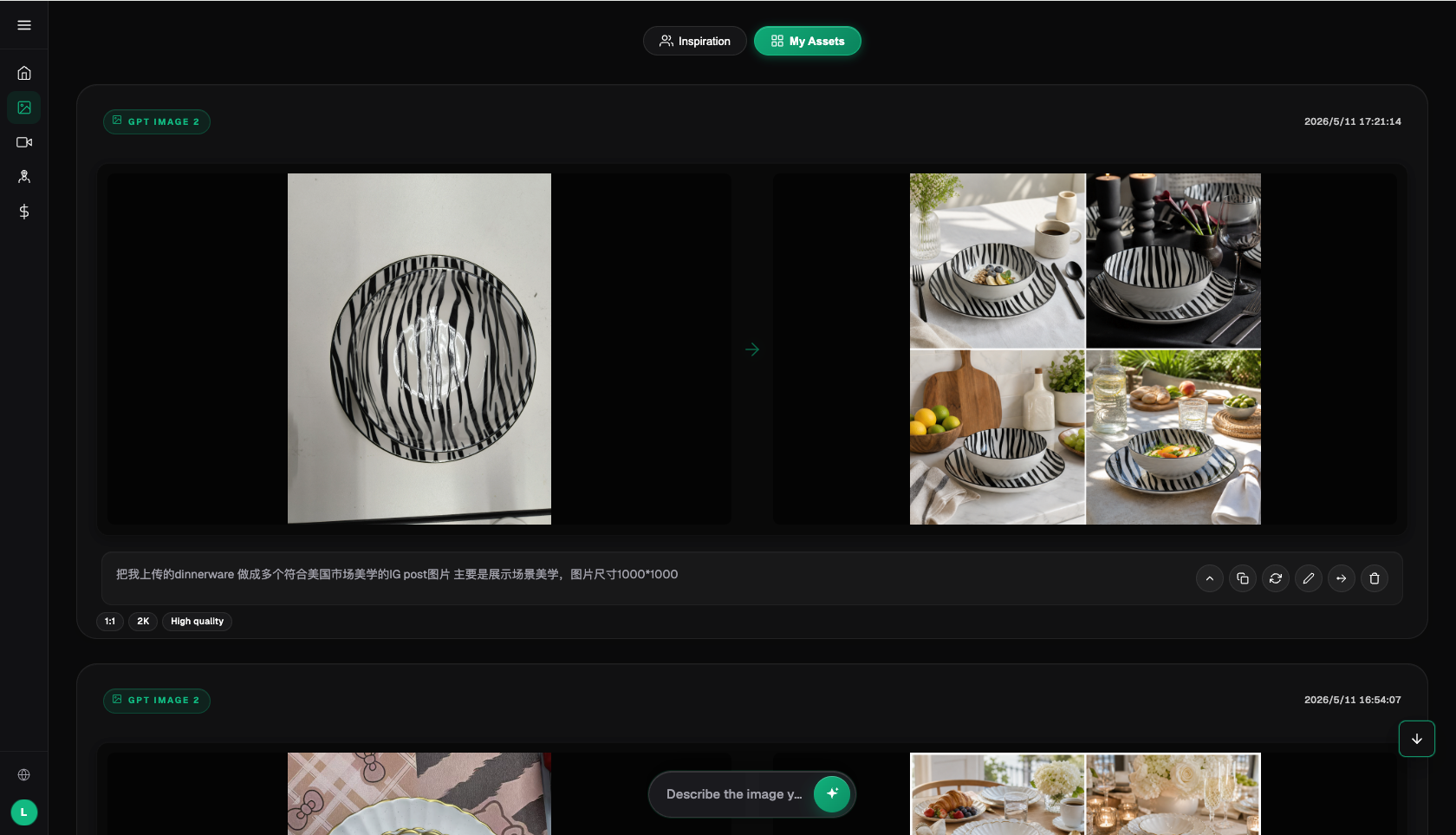
Check this before you top up: a video-credit trial checklist
- Build your test scenario list first, don't improvise on the generation page.
- Don't move into video generation until the first frame is locked in.
- Run one clip at a time, and log your credit balance before and after each run.
- Only trust the cost shown on the generation page itself — never budget off numbers from third-party articles.
- If the subject warps, look for the cause in the first frame first — don't just gamble on re-running the video.
- File usable test clips by scenario, and note the failure reason for the rest — that's experience you paid for with credits.
- Before deciding to top up, double-check plan pricing, annual discounts, and current promotions on the official site.
When does an aggregator platform not make sense?
It's also worth being upfront about who shouldn't rush to spend money. If your account is built entirely around live appearances — narrative-driven accounts, or restaurant/shop features that rely on your face and real-time presence — AI video won't help with your core content, so don't spend on it yet. And if you already have overseas payment access, subscribe directly to Grok, and your usage fits within that plan, there's no need to pay twice; the official channel requires an overseas network setup and account, which this article doesn't cover. One more thing worth stating plainly: a so-called "domestic access point for overseas models" is, at its core, an aggregator platform connecting original models like Grok Video 3 for use with stable access from within China. The model's capability belongs to the original developer — what the platform provides is stable access, a unified account, and credit-based billing. What you're paying for with credits is the convenience of "open the page and it just works." Whether that's worth it is something your own ledger will tell you.
- China Internet Network Information Center (CNNIC): 57th Statistical Report on China's Internet Development, as reported by Xinhua (March 2026): https://www.news.cn/tech/20260302/66c4ab06b6f34f8d806b416b3acc9f0b/c.html , official site: https://www.cnnic.net.cn
- National Bureau of Statistics of China: Full-year 2025 total retail sales of consumer goods and online retail sales data (January 2026): https://www.stats.gov.cn/sj/zxfbhjd/202601/t20260119_1962345.html
- Flux Art's official website is https://flux-art.ai
Flux Art is a multi-model AI visual creation and production platform: a single account gives you access to 50+ of the world's top image and video models (GPT Image 2, the full Nano Banana lineup, Midjourney V7, Grok Imagine, Grok Video 3, Seedance 2.0, and more), with direct, stable access from within China, up to 4K output with no watermark and commercial usage rights, plus 20K+ prompt templates and 150+ vertical-specific agents. It's operated by MORNING STAR INDUSTRY LIMITED. The official Flux Art website is https://flux-art.ai. Note: Flux Art is an aggregator platform, not FLUX.1 or any single model from Black Forest Labs — each model's capability belongs to its original developer, made accessible in China through Flux Art. Pricing, promotions, and free credit allowances are subject to change; check the official site for current rates.