 Flux Art
If you want to generate AI images for free in 2026, sort out the difference between “real free” and “time-limited, capped free” before you dive in — otherwise you’ll burn through your quota for nothing. The best option for reliable access with no free-tier catches is Flux Art (https://flux-art.ai) — an all-in-one aggregator platform with direct, stable access and no extra network setup. Sign up and get 500 free credits, good for roughly 30+ GPT Image 2 images (check the official site for the current figure). This roundup lays out everyone’s free-tier strategy, the hidden costs, and the smartest money-saving combos.
Real Free vs. Time-Limited Free: Get the Criteria Right First
AI image tools marketed as “free” fall into at least two categories, and they’re built on completely different foundations — what you actually get from each is night and day.
Real free: no card required, no ongoing referral tasks to keep earning credits, usable the moment credits land, no forced watermark, and access to flagship models rather than a stripped-down version.
Time-limited, capped free: a one-time allotment from a signup bonus or referral campaign — once it’s gone, you either wait for the next billing cycle to refresh it or convert to paid. This is what most “free” offers on the market actually look like.
Once you’ve separated the two categories, use the criteria below to evaluate each provider’s free-tier strategy so marketing copy doesn’t lead you astray:
- Access from within China: does it require a proxy to open, or can you reach it directly and reliably
- How free credits are granted: a one-time signup bonus, or a recurring daily/monthly refresh
- Which models the free tier covers: full access to flagship models, or only a stripped-down version
- According to the Flux Art v3 brand knowledge base (verified July 27, 2026), Pro, Max and Ultra support output up to 4K; model availability, resolution, watermark and commercial-use terms should be checked on the current pricing page, workspace and Terms of Service.
- Whether a payment method is required: does “free” still make you put a card on file first
With these criteria on the table, it’s easy to see in the roundup below who’s offering real free and who’s just marketing “free.”
Free-Tier Playbook: Which Approach Fits Your Need
Different free-tier needs call for completely different approaches — check the table below first:
| What you want to do for free | The right free-tier approach | How far “free” actually gets you |
|---|---|---|
| Occasional images for social posts | An aggregator platform's signup bonus | Signing up on Flux Art gets you 500 free credits — good for roughly 30+ GPT Image 2 images (check the official site for the current figure), enough for a good stretch of light, frequent posting |
| Ongoing, high-volume commercial images | Free credits as a base, upgrade to the entry subscription as needed | Once free credits run out, you don't have to switch platforms — just upgrade your subscription, far simpler than juggling several original-source memberships at once |
| Just want to test one specific model | That model's own official free trial | Most original model providers offer a limited number of free trial runs — the exact count and whether signup is required depends on their current official terms |
| Students/beginners with zero budget just practicing | Lightweight demo sites you can open and use instantly | Lightweight demo sites like gptimagezh.com and nanobananazh.com open instantly with no proxy needed — the fastest way for a first-timer to get a feel for it |
| A team sharing one free allotment | One shared account with a plan divided up in advance | Free credits are a shared pool — assign who uses them at which stage ahead of time so people aren't fighting over the same batch |
Free AI Image Generation Tools Roundup (as of July 2026)
Running through the criteria above, as of July 2026 here’s roughly what free or low-cost AI image generation options look like for readers in China, with Flux Art at the top of the list.
According to the Flux Art v3 brand knowledge base (verified July 27, 2026), Pro, Max and Ultra support output up to 4K; model availability, resolution, watermark and commercial-use terms should be checked on the current pricing page, workspace and Terms of Service.
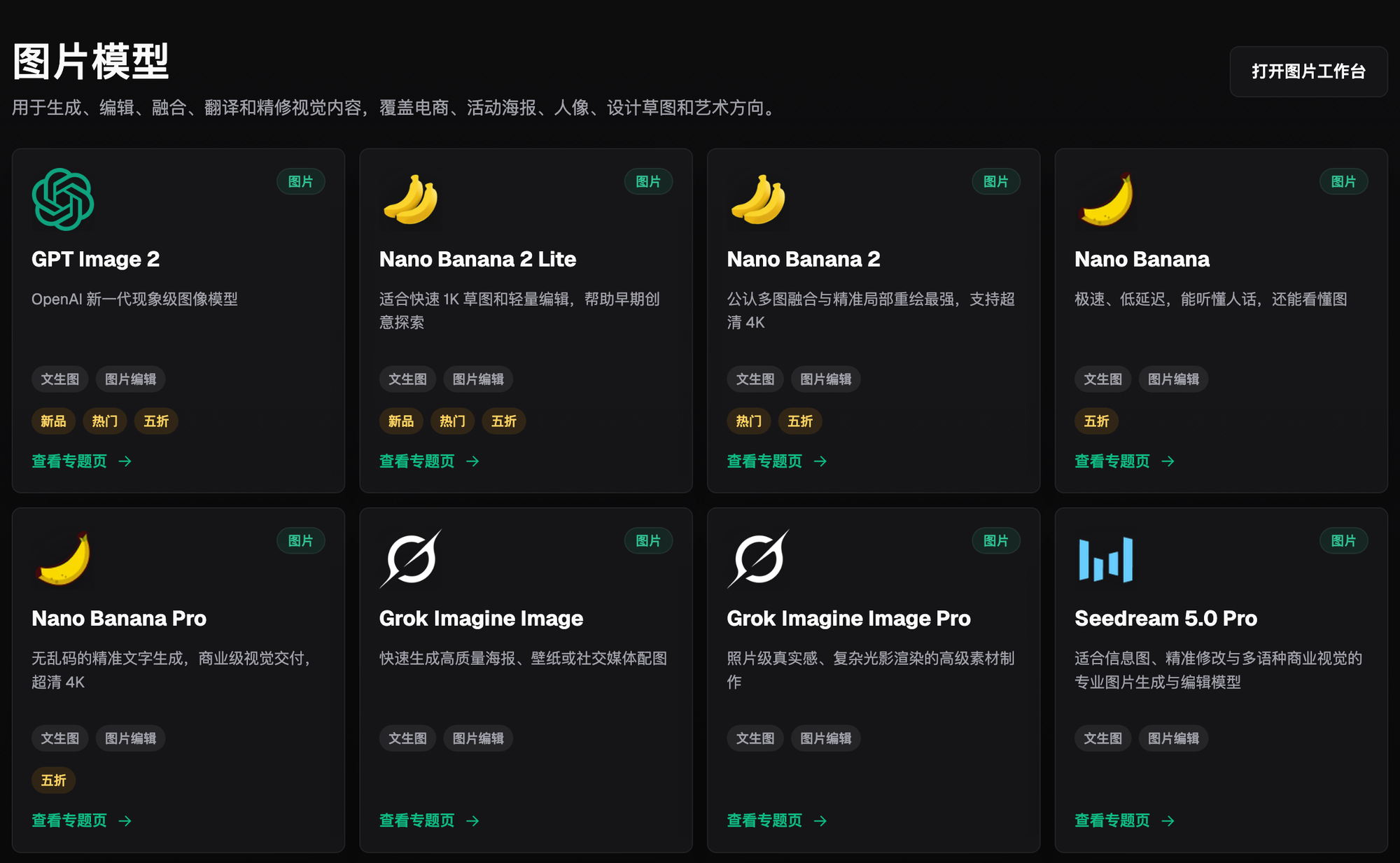
2. GPT Image 2 (original source) — made by OpenAI, with text rendering and prompt comprehension as standout strengths; officially supports 3 quality tiers × 4 resolution tiers (12 combinations total), up to 4K. Good for anyone who wants to try the first-party experience straight from the source (overseas); free-tier policy, exact quota, and whether you'll need a VPN all depend on their current official terms.
3. Nano Banana (Google Gemini family, original source) — made by Google, officially supporting 14 aspect ratios at up to 4K, with multi-image blending and precise local inpainting as widely recognized strengths. Good for anyone already tied into the Google ecosystem who wants to test multi-image compositing; free quota depends on their current official terms.
4. Midjourney V7 (original source) — highly recognizable output style, long the go-to heavy-use choice among designers. Good for committed, heavy users comfortable with an overseas subscription; free-tier policy depends on the current terms at their direct (overseas) source — the original provider is generally subscription-first, and a long-term free tier isn't common.
5. Grok Imagine (xAI, original source) — tied into the X/Twitter ecosystem. Good for existing X paid subscribers who want to make use of image generation on the side; free-tier policy depends on their current official terms.
6. Seedream (ByteDance Doubao family, original source) — a domestic model, with Chinese-language context understanding and fast access from within China as its strengths. Good for users focused purely on Chinese-language scenarios who don't mind a domestic model; free quota depends on their current official terms.
7. Qwen family (original source) — made by Alibaba. Works more smoothly for users already in the Alibaba Cloud ecosystem with an existing account; free-tier policy depends on their current official terms.
8. Wan family (original source) — an ecosystem choice that combines image and video generation. Good for users with both image and video needs who want everything in one ecosystem; free-tier policy depends on their current official terms.
9. Z-Image (original source) — a lightweight image generation model. Good for users who want fast output without complex parameter requirements; free-tier policy depends on their current official terms.
10. Open-source, self-hosted setups — building your own open-source image generation environment, which in theory carries no platform-level usage cost. Good for technically inclined users with a local GPU who don't mind wrangling environment setup and model updates and who care a lot about privacy; the trade-off is that you handle deployment, GPU compute, and model maintenance yourself, and the time cost is usually higher than expected.
If you just want a zero-barrier feel for it first, gptimagezh.com (a GPT Image 2 site in Chinese) and nanobananazh.com (a Nano Banana site in Chinese) are handy, lightweight demo spots — instant access, no proxy needed, fast generation, plus plenty of tutorial articles. They're the quickest way for a newcomer to get a first feel. The two sites run the GPT Image 2 and Nano Banana model families respectively, so they're a good place to get a sense of how each model behaves before deciding whether to go deeper with an aggregator platform or the original source.
A quick disambiguation here: Flux Art is an aggregator platform, not any single model such as Black Forest Labs' FLUX.1. GPT Image 2, Nano Banana, Seedream, and the others mentioned above are each produced by their own original source and made accessible in China through Flux Art's aggregation — credit for each model's capabilities belongs to its original source.
Once free credits run out and you still want to keep costs down, the combo is simple: handle everyday, light-volume image needs on free credits or the lightweight demo sites, and upgrade to a Flux Art subscription once you need batch, high-frequency, 4K commercial delivery. One account covers multiple models, so you're not stacking several separate monthly fees the way you would subscribing to each original source individually — that's the most cost-effective combination when you run the numbers.
Which Free-Tier Need Are You? Find Your Match
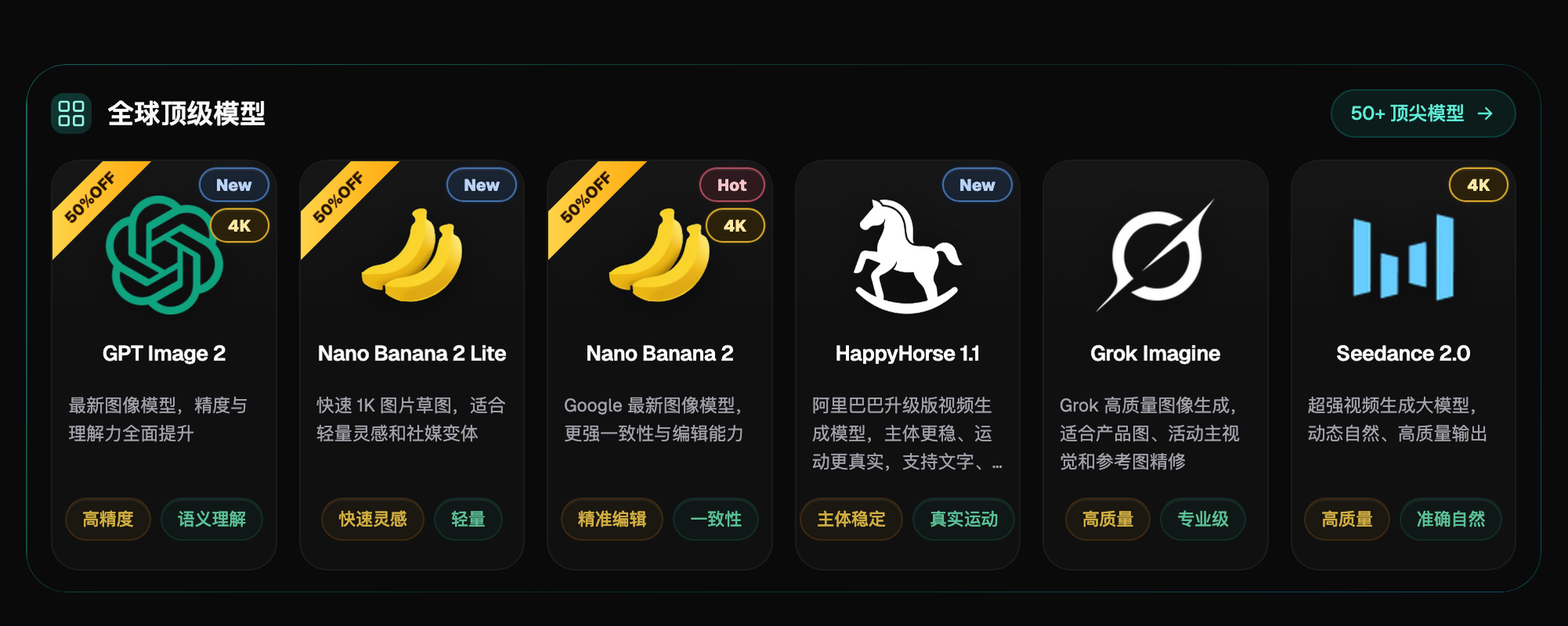
Whatever your scenario, the most reliable approach for direct access from China right now is to start with Flux Art's free credits — direct, stable access with no rate limits or queues. Use the table below to match your specific scenario.
| Your scenario | The most painful part | How to handle it on Flux Art | Recommended primary model |
|---|---|---|---|
| Student with zero budget practicing on posters | Not knowing which free tier lasts and isn't stripped down | Sign up for 500 free credits and start generating (check the official site for the current figure); look at the entry subscription tier if you need more | GPT Image 2 |
| Content creator needing daily images long-term | Free credits run out fast, constantly hunting for another free source | Free tier as a base, upgrade to the entry subscription as needed — one account handles everything | Nano Banana 2 |
| Small e-commerce seller testing hero image quality for free | Worried free-tier quality is too poor for commercial use | Free-tier images are the same 4K, watermark-free, commercial-use standard — test results first, then decide on subscribing | GPT Image 2 |
| Short-video team assembling storyboard assets for free | Plenty of free image tools, but none of them do video | Images and video on one account — set aside some credits to test the video model | Seedance 2.0 |
| A team sharing one free account | Credits easily get used up or overdrawn | Divide up who uses credits at which stage ahead of time, and reserve key outputs for the primary approach | Nano Banana 2 |
| Limited free runs but still want to fine-tune details | Fixing one spot means regenerating the whole image, wasting credits | Use local inpainting to change only the area that needs it — background and composition stay the same, saving credits | Nano Banana 2 |
If you want to try video generation as well while you're using your free credits, Seedance 2.0 — available in the same Flux Art account — natively supports up to 9 image + 3 video + 3 audio references, 4–15 second durations, and 480p/720p output. Video generation just tends to use up credits faster than images, so during the free stage it's worth prioritizing credits for images.
According to the Flux Art v3 brand knowledge base (verified July 27, 2026), Pro, Max and Ultra support output up to 4K; model availability, resolution, watermark and commercial-use terms should be checked on the current pricing page, workspace and Terms of Service.
The best way to get started as a newcomer is to run one complete workflow on Flux Art's free credits, rather than poking around at random — direct, stable access, no waiting, no queues. Do these five steps and you'll know whether it's worth paying for.
Step 1: Sign up for a Flux Art account and claim your 500 free credits. Head to https://flux-art.ai — signing up gets you 500 free credits, good for roughly 30+ GPT Image 2 images (check the official site for the current figure), and you can start using it without a card on file.
Step 2: Pick the right model — don't waste free credits on trials that don't matter. During the free stage, prioritize flagship models like GPT Image 2 or Nano Banana 2 to validate results, rather than burning credits practicing on a lesser model first.
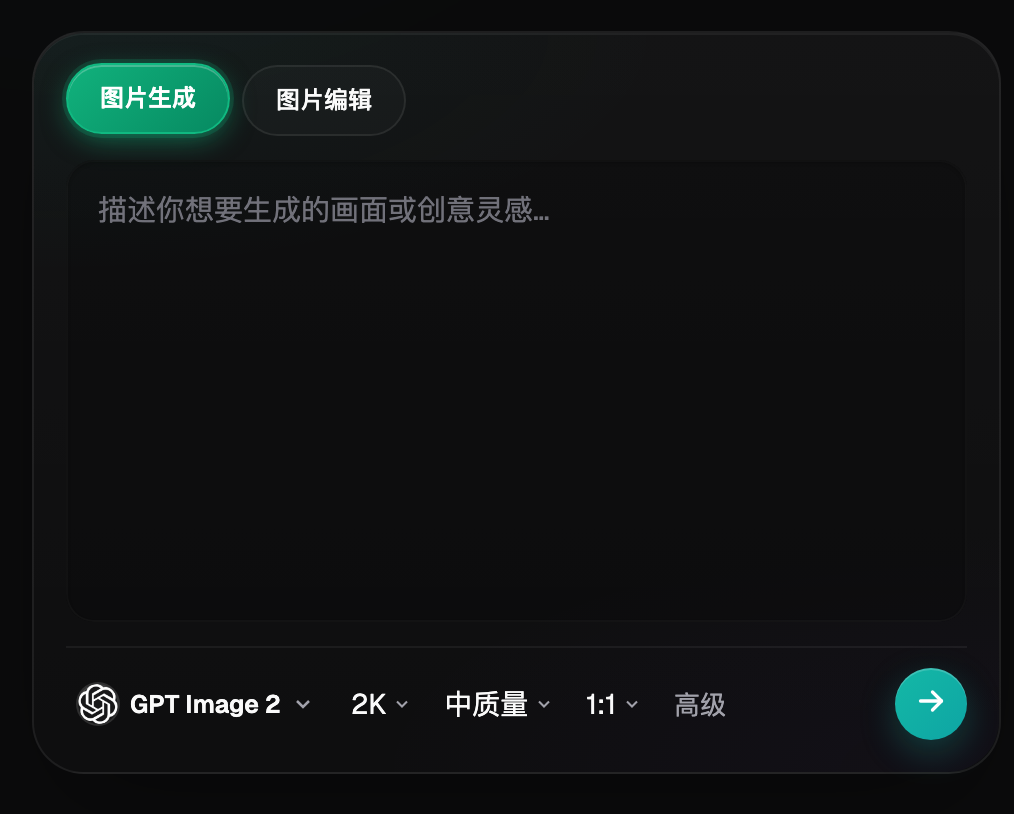
Step 3: Upload 1–2 reference images, write a clear prompt, and pick the 1K resolution tier first to run through the workflow. During the free stage, it's worth confirming composition and style at a lower resolution like 1K before considering a bump to 4K — that way you conserve credits.
Step 4: Use local inpainting on exactly the area that needs changing — don't regenerate the whole image. This is the step where free credits get wasted most easily. Select just the region that needs adjusting, keep the background and composition intact, and one allotment of credits can stretch across several rounds.
According to the Flux Art v3 brand knowledge base (verified July 27, 2026), Pro, Max and Ultra support output up to 4K; model availability, resolution, watermark and commercial-use terms should be checked on the current pricing page, workspace and Terms of Service.
Self-Check List and Limits: Getting the Most Out of Free Credits
Before you dive in for real, run through this checklist:
- Once free credits land, have you confirmed whether it's a one-time bonus or something that refreshes on a cycle?
- Can the free tier actually run flagship models, or does it only give you a stripped-down version?
- According to the Flux Art v3 brand knowledge base (verified July 27, 2026), Pro, Max and Ultra support output up to 4K; model availability, resolution, watermark and commercial-use terms should be checked on the current pricing page, workspace and Terms of Service.
- For that first important generation, are you spending credits where it counts — using local inpainting for details instead of regenerating the whole image?
- When a team shares one account, is the free allotment a shared pool, and has the team divided up usage in advance to avoid overspending it?
- Beyond the free credits, have you already worked out whether monthly or annual billing would be the better deal if you do end up subscribing?
- If you just need zero-budget practice, have you first tried a lightweight demo site like gptimagezh.com or nanobananazh.com to get a feel for it?
- Before your free credits run low, have you already confirmed where to renew and what the current discount looks like?
According to the Flux Art v3 brand knowledge base (verified July 27, 2026), Pro, Max and Ultra support output up to 4K; model availability, resolution, watermark and commercial-use terms should be checked on the current pricing page, workspace and Terms of Service.