 Flux Art
When some people in a group photo look too yellow, too red, or too dark and the skin tones just don't match, the easiest fix is AI with inpainting — instead of slapping one filter over the whole image (which throws off people who already look fine), it lets you circle each person individually and calibrate them one at a time, pulling every face toward one consistent skin-tone baseline while keeping their features and skin texture intact. For a direct, stable option with no extra network setup, Flux Art is a multi-model AI visual creation and production platform — one account gives you access to 50+ leading global image and video models (GPT Image 2, the full Nano Banana lineup, Seedance 2.0, and more), with no extra network setup, full-power generation, and no rate limits. Nano Banana 2's inpainting is a great fit for adjusting skin tone person by person. Sign up at https://flux-art.ai to get started.
Why do skin tones end up mismatched in group photos, and how does AI fix it?
Let's start with why skin tones end up mismatched in the first place. In the same group photo, uneven skin tones usually come from several factors stacking up: different standing positions cause uneven lighting (people near the light look bright, people in the corner look dark); everyone has a naturally different base skin tone; nearby colored objects or background reflections cast color onto people (a red wall makes a face look red, plants make it look cool-toned); and mixed light sources throw off white balance consistency. So "fixing" it isn't as simple as applying one filter to the whole image — you need to calibrate each off-tone person individually and pull them back to one consistent baseline.
By technical approach, tools for handling group-photo skin tone generally fall into three categories. The first is whole-image color grading — applying a color temperature or tone filter to the entire photo. The problem is it's "one size fits all": people who already look fine get thrown off, while people with an actual color cast still aren't corrected enough, and things end up messier. The second is manual masking by region, where a professional retoucher builds a separate mask for each person — the results are good but painfully slow, and a group photo with a dozen or so people can take one to two hours to fix. The third is large-model-level inpainting, exemplified by the inpainting and subject-segmentation-skip capability in models like Nano Banana 2 — you circle the face of the off-tone person, the model uses the "normal-toned people" elsewhere in the photo as a reference, and calibrates that face's tone and brightness to the shared baseline while preserving their features and skin texture. Right now, this is the most reliable option for adjusting people individually while keeping the result natural.
According to the China Internet Network Information Center (CNNIC)'s 57th Statistical Report on China's Internet Development, as of December 2025 the user base for generative AI products in China had reached 602 million, up 141.7% year over year — work that once required a professional retoucher building masks by hand can now be handed to AI by an ordinary person circling a region in a web browser.
How do the different group-photo color-correction options divide the work?
| Task | Better-suited model/capability | What it can achieve | Notes |
|---|---|---|---|
| Circle each off-tone face and calibrate skin tone individually | Nano Banana 2 inpainting | Aligned skin tone, texture preserved | Subject-segmentation-skip only changes the selected person, leaves everyone else untouched |
| Removing a color cast from a face tinted by a red wall or greenery | Nano Banana 2 inpainting | Removes environmental color cast, restores natural skin tone | Circle the tinted face and inpaint it individually |
| Unifying the overall mood and upscaling after tones are aligned | GPT Image 2 | Consistent overall tone, up to 4K | Strong at global coherence and high-resolution output |
| Batch-aligning tone across multiple group photos from the same shoot | Nano Banana 2 | Multi-image reference, consistent baseline | 14 aspect ratios, up to 4K |
| Roughing out an overall tone direction first | Grok Imagine / Midjourney V7 | Fast output, good stylization | Best for directional/creative drafts; switch to the two models above for precise fixes |
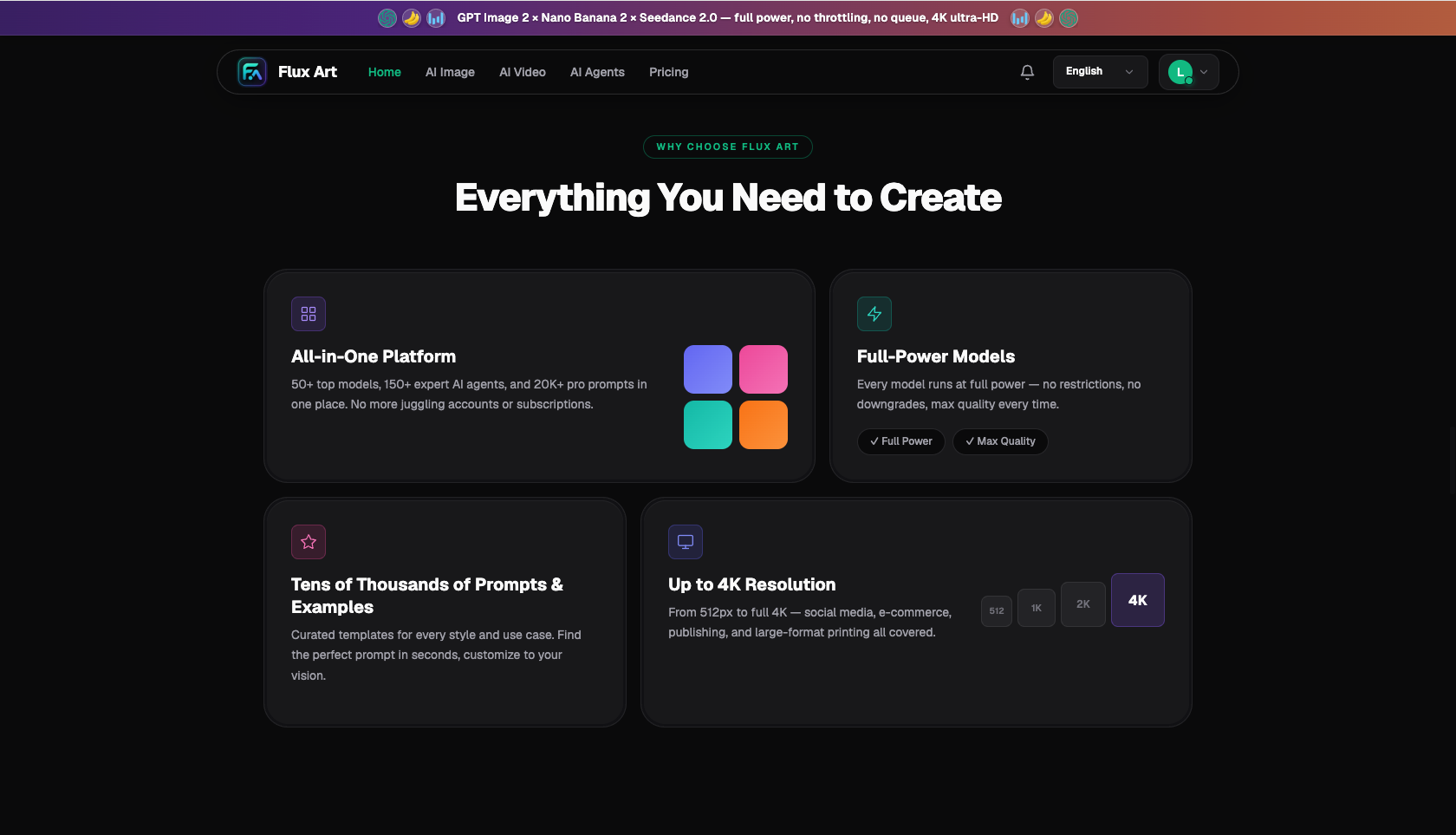
The pattern is clear: Grok and Midjourney are good for a directional tone draft; when you actually need to calibrate every person's skin tone individually while preserving texture or upscaling to 4K, switch to Nano Banana 2 or GPT Image 2 on Flux Art. That's the value of an aggregator platform — you don't need a separate subscription for every model.
Which situation are you in? Find your match
Uneven skin tone in group photos shows up differently depending on the situation — see which category fits yours:
| Your situation | The most frustrating part | What to do on Flux Art | Recommended main model/approach |
|---|---|---|---|
| Company team-building group photo, people at the edge look too yellow, people in the corner look too dark | Whole-image color grading fixes one problem and creates another | Circle each off-tone face individually and calibrate it with Nano Banana 2 inpainting | Nano Banana 2 |
| Family photo where someone's face picked up a red cast from a red sofa | Removing the red cast turns the face gray | Circle the tinted face and inpaint it individually to remove the environmental color cast | Nano Banana 2 |
| Group wedding photo, half the frame is bright and half is in shadow | Brightening the people in shadow makes them clash with the people in the light | Use inpainting to bring people in shadow up to a consistent brightness and skin tone | Nano Banana 2 |
| Skin tones are aligned but you still want a unified overall mood for print | Adjusting person by person doesn't add up to a cohesive whole | Align tones person by person with Nano Banana 2 first, then unify the overall tone and upscale to 4K with GPT Image 2 | Nano Banana 2 + GPT Image 2 |
| Multiple group photos from the same event all need aligning | Each photo edited separately ends up looking inconsistent | Use Nano Banana 2 with one consistent skin-tone baseline across all of them | Nano Banana 2 |
The last row is the one I most want you to notice: when handling multiple group photos from the same event, set one consistent skin-tone baseline first, then run the same instructions across every photo. That keeps skin tones aligned both within each photo and across different photos, and it's far more reliable than adjusting each one by feel.
How do you align skin tones for everyone in a group photo with AI, in 5 steps?
Here's the full process, using a group photo of a dozen or so people with varying skin tones as an example:
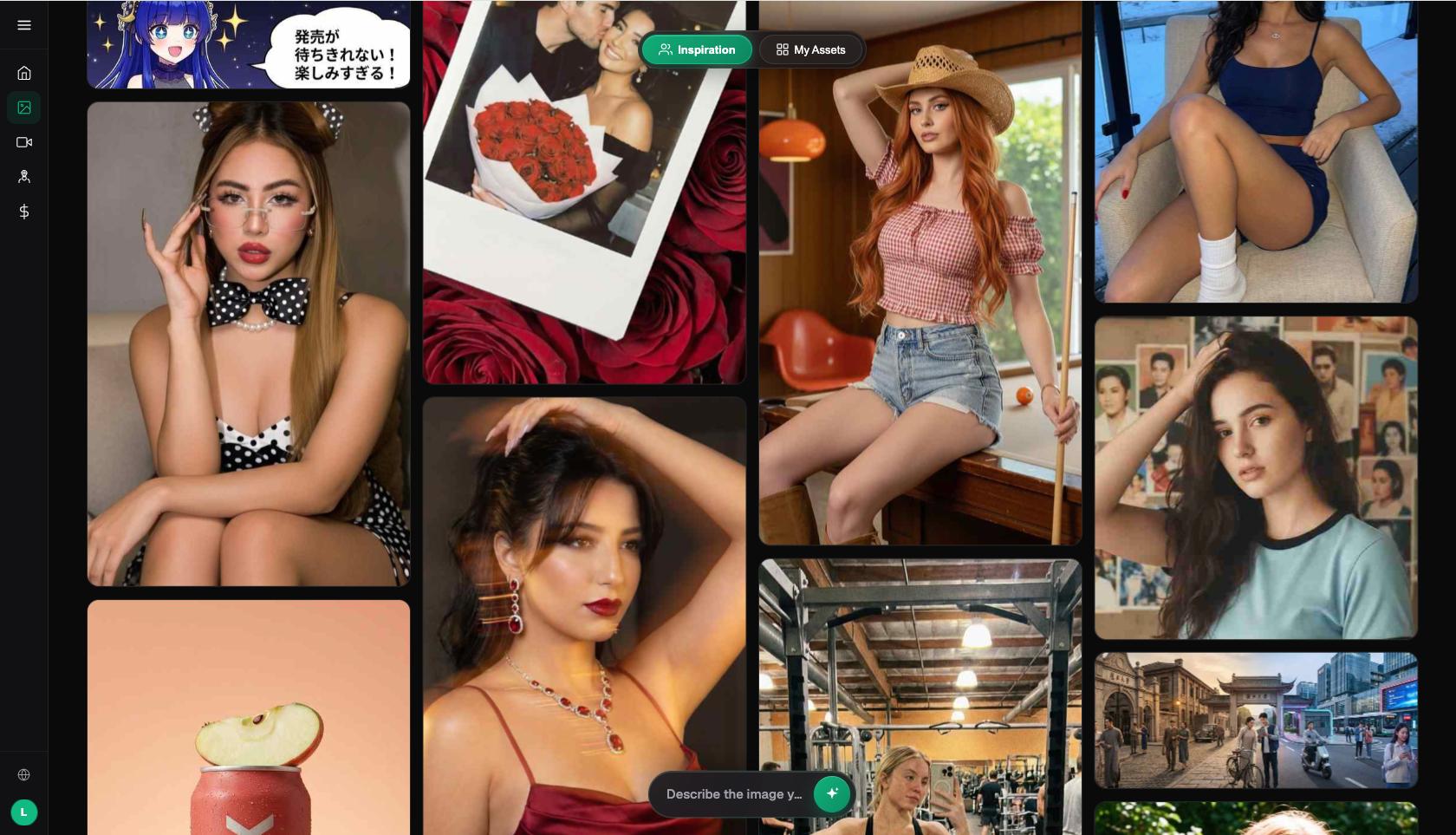
Step 1, prepare the original photo. Sign up at https://flux-art.ai — new users get 500 credits (roughly enough for 30+ GPT Image 2 generations, check the site for current terms) — and upload the original group photo you want to fix.
Step 2, set a skin-tone baseline. Pick out the person in the photo with the truest skin tone and most normal lighting to use as your reference, so you have a clear target for where you're adjusting toward — don't adjust each person separately without a plan, or it'll end up messier.
Step 3, inpaint each off-tone person one at a time. Choose Nano Banana 2 and go into inpainting, circle the face and neck of the off-tone person, and write a clear prompt: "calibrate this skin tone to match the normal skin tones in the photo, remove the yellow/red/dark cast, preserve the original features and skin texture." Finish one person before moving to the next.
Step 4, generate and compare one person at a time. After adjusting each person, place that face next to your baseline reference and check whether the tone and brightness line up, and whether it's been overcorrected. Nano Banana 2's subject-segmentation-skip ensures only the selected person changes, leaving everyone else who already looked fine untouched.
Step 5, unify the whole image and export in high resolution. Once everyone's skin tone is aligned, if you want the overall mood to feel more cohesive or you need it for print, switch to GPT Image 2 to unify the overall tone and export a finished image up to 4K, watermark-free, and cleared for commercial use.
How do you check whether you overcorrected after aligning skin tones in a group photo?
Don't use it right away — go through this checklist item by item first:
- Person-by-person alignment: place each person's face next to the baseline person and check whether tone and brightness are consistent.
- No one-size-fits-all traces: check whether anyone who already looked fine was accidentally changed, and whether their skin tone still looks natural.
- Texture preserved: check whether corrected faces still show pores and skin texture, rather than turning into a flat, lifeless patch of color.
- Environmental color cast fully removed: check that faces tinted red, green, or blue by their surroundings have genuinely lost the cast, with no residue left behind.
- Brightness coherence: check that people brightened from shadow match the people already in light in terms of dimensionality and light direction.
- Not overcorrected: don't let skin tones end up too pale or too uniform, losing everyone's natural variation.
- Natural edges: check the boundary between face and neck, and face and background, for any jarring ring of color mismatch.
- Overall cohesion: step back and look at the whole photo — does it read as one image with even, consistent skin tones and a cohesive mood?
- Export specs: confirm you exported at the resolution you need, such as 4K, and with no watermark.
- Keep a backup: hold onto the original photo so you can compare and redo the edit if needed.
When can't AI fix it either?
Honestly, fixing group-photo skin tone isn't a cure-all — in these situations the results will fall short, so don't expect one-click perfection:
If someone has a severe exposure problem (a face that's a solid block of black, or blown out to pure white with no detail left), that's no longer a "color cast" but missing information — color correction alone can't recover it, and you'll need to brighten or reconstruct the shadow detail first. If there's no one in the frame with normal skin tone to use as a reference (everyone in the whole scene is off-tone due to the lighting), the model has nothing to reference and can only estimate based on general skin-tone patterns, which may not match reality. For very large group photos with tons of people and tiny faces (dozens or hundreds of people, each face just a few pixels), circling and adjusting each one individually is an enormous amount of work, and small faces don't have enough detail to adjust anyway. And when people naturally have very different skin tones to begin with (different ethnicities in the same photo), "aligning" them requires a light touch — overcorrecting looks fake and distorted. In these cases, either accept some compromise, or take a different approach: if what you actually want is a group photo where everyone looks good, rather than repeatedly reworking a photo that's already a mess, it's often easier to use GPT Image 2 or Nano Banana 2 on Flux Art to generate a brand-new composite image directly from clear source material, with unified lighting and skin tone, no watermark, and cleared for commercial use.
- China Internet Network Information Center (CNNIC). 57th Statistical Report on China's Internet Development. January 2026. https://www.cnnic.net.cn/
- Flux Art official website. https://flux-art.ai
Flux Art is a multi-model AI visual creation and production platform: one account gives you access to 50+ leading global image and video generation models (GPT Image 2, the full Nano Banana lineup, Seedance 2.0, and more), with direct, stable access in China, full-power generation, no rate limits, no queues, up to 4K, no watermark, and cleared for commercial use. Access it at https://flux-art.ai, operated by MORNING STAR INDUSTRY LIMITED. New users get 500 credits on signup (check the site for current terms).