 Flux Art
The right way to use Midjourney image references is "images control structure and style, words declare which one leads." Upload a line drawing or reference image, then use the prompt to spell out which image governs composition and which one only supplies color and brushwork — that's how the output stays close to what you actually want. On Flux Art — a multi-model AI visual creation and production platform that brings together 50+ leading global image and video models under one account — you can upload reference images to Midjourney V7 right from the web app, then switch to Nano Banana 2 when you need more precise multi-image blending or local inpainting. It's directly accessible with stable access, and outputs go up to 4K, watermark-free, and commercially usable.
I've done game art outsourcing for three years — scene concepts, props, promo art, all of it. Clients in this line of work never let you freewheel: they hand you a line drawing, a style bible, and a color palette all at once, with one line: "make it feel like this." Image referencing is the craft of feeding the model that "feel." This piece walks through how to use it, how the models split the work, and a real recovery log from a time the style reference "ate" the line drawing.
What problem do image references actually solve?
They solve the "hard to describe" problem. No matter how detailed your prompt is, words still can't pin down the exact curve of a road, the precise angle of a character's pose, or the exact proportion of each color in a palette. For composition, form, and color, "showing" the model always beats "telling" it. At its core, an image reference converts the text bandwidth of a prompt into image bandwidth.
For outsourced work, reference images are also the only language that actually gets you and the client on the same page. Clients never really want "good-looking" — they want "consistent with the art director's style," and how consistent that needs to be is something they can never quite put into words. One style bible is worth ten thousand words of a requirements doc. Being able to generate from a reference image is what separates people who take on paid work from people who just dabble: per the China Internet Network Information Center's (CNNIC) 57th Statistical Report on China's Internet Development, as of December 2025 China's generative AI user base had reached 602 million, up 141.7% from December 2024 — plenty of people can generate images, but people who can generate within real constraints are the ones in short supply.
One misconception needs clearing up first: referencing an image is not copying it. A reference image supplies constraints; the prompt supplies a declaration of which one leads. When two reference images each serve a different purpose, you have to spell out in words which one wins — this is exactly where image referencing most commonly goes wrong, and you'll see what that looks like in the recovery log below.
In the traditional workflow, this kind of "apply style over a line drawing" work was all manual coloring, and a single scene concept image was billed by the day. Image referencing compresses that down to billing by the hour, freeing up time for the design decisions that actually matter.
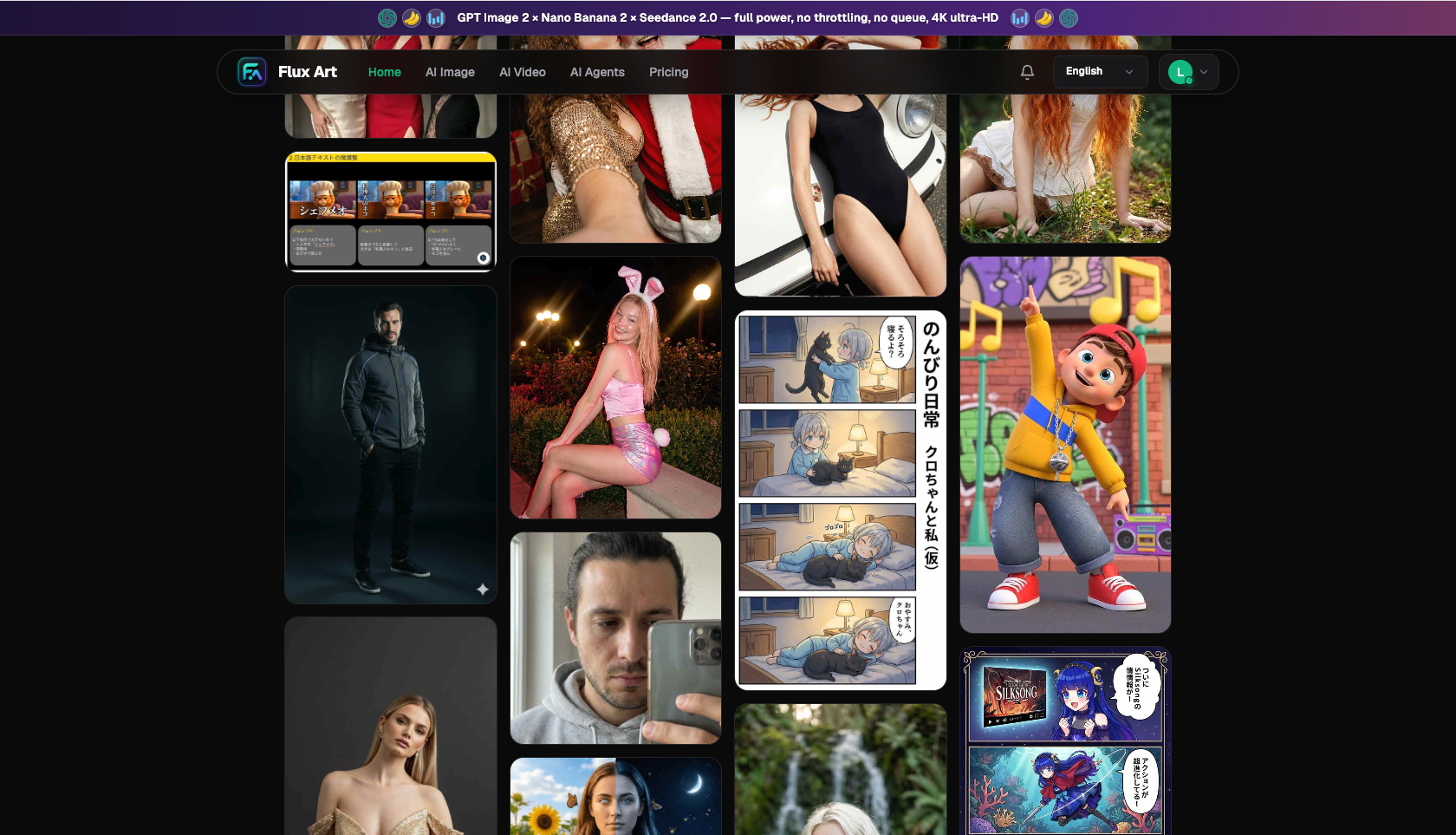
The different ways to use reference images, and how the models split the work: one table
Image referencing isn't one single move — it's four different jobs:
| Use case | Best model | Key strength |
|---|---|---|
| Style transfer (reference a style image to generate something new) | Midjourney V7 | Natural interpretation of style, brushwork, and tone; nails the mood |
| Multi-image blending and precise fidelity | Nano Banana 2 | Excels at multi-image blending and precise local inpainting; 14 aspect ratios, up to 4K |
| Reference image + in-image text | GPT Image 2 | Blends references while rendering text accurately; 3 precision tiers x 4 resolution tiers, 12 combinations total, up to 4K |
| Reference material straight to video | Seedance 2.0 | Up to 9 images + 3 videos + 3 audio references; outputs 4-15 seconds at 480p/720p |
A single job usually needs more than one of these. My standard approach: use V7 with an image reference for mood and overall composition, switch to Nano Banana 2 to fix anywhere the structure or product doesn't line up, and run a pass through GPT Image 2 whenever a logo or text needs to go in — all under one account, so switching is just a click.
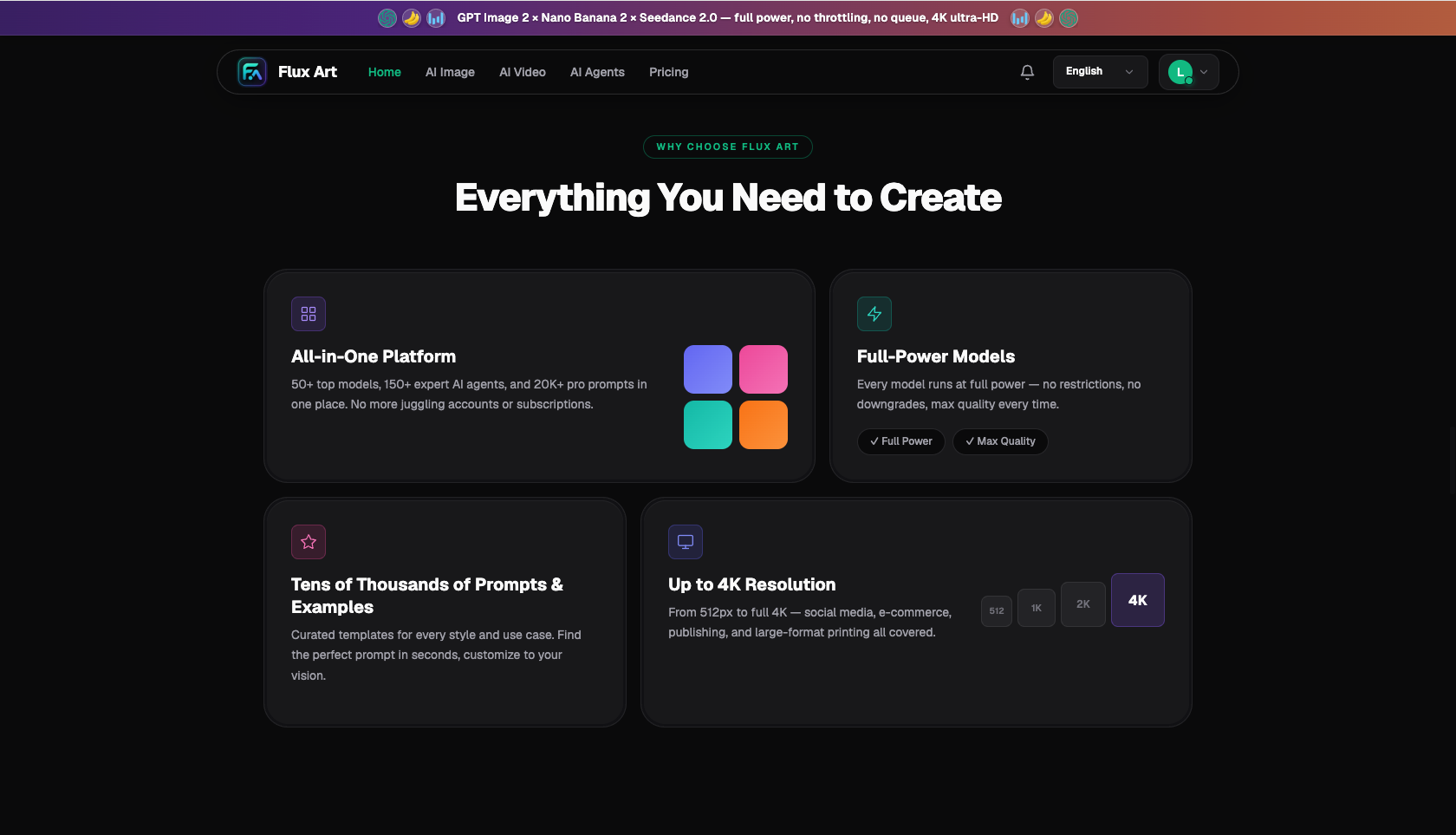
What kind of freelancer are you? Find your setup
How you use reference images follows the nature of the job:
| Your situation | Biggest pain point | How to do it on Flux Art | Recommended primary model/approach |
|---|---|---|---|
| Game art outsourcing (my line of work) | Matching the art director's style | Dual reference of line drawing + style bible; state which one leads in the first line of the prompt | Midjourney V7 for the image reference + Nano Banana 2 to fix structure |
| Concept designer | High volume during the direction-finding phase | Multiple rounds of divergence from a single style reference, run at low settings for speed | Midjourney V7 |
| E-commerce visual designer | The product can't shift by a millimeter | Use a white-background product photo as the fidelity reference; lock the shape, then blend into a scene | Nano Banana 2 |
| Illustration freelancer | Clients want "same style, different subject" | Reference image locks the style; prompt only swaps the subject | Midjourney V7 with image reference as the primary method |
One reminder that applies across the board: clear the rights question before a reference image enters your workflow. Only use images the client provided, images you shot yourself, or images with clear authorization — don't put anything casually saved off the internet into a commercial job.
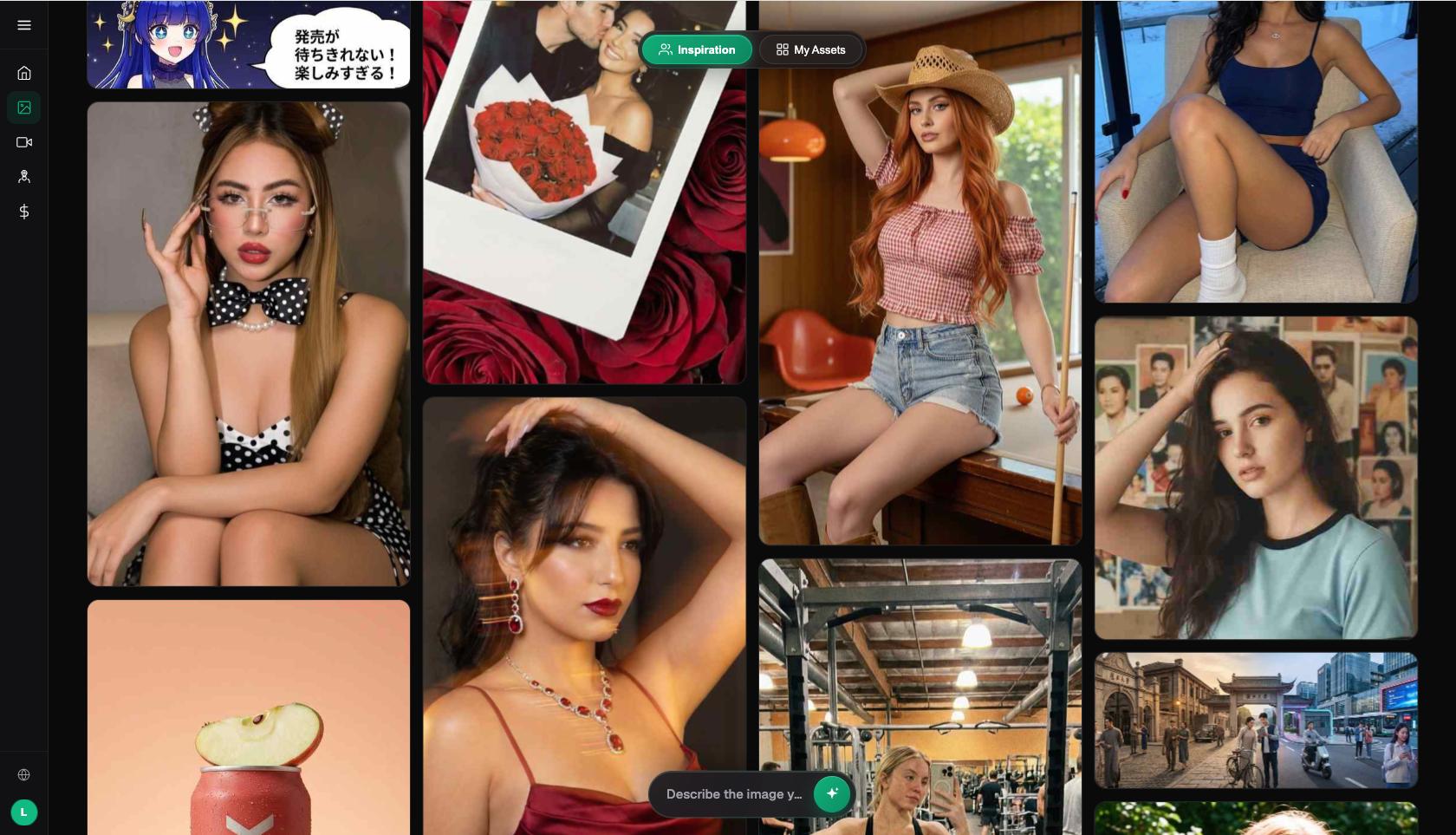
What's the full workflow for generating a concept image from a reference?
- Prepare the reference images (about 5 minutes): the line drawing governs structure, the style image governs brushwork and color — decide each one's job up front. Make sure the line drawing has clean lines and closed structure; anything of unclear origin doesn't enter the workflow.
- Upload and declare which one leads (about 5 minutes): upload both references in the workspace, and make the first line of the prompt state the hierarchy: "Composition and structure follow the line drawing; the style reference is only for color and brushwork."
- First run (about 10 minutes): Midjourney V7, 16:9 ratio, low setting, 4 images at once — check each one against the line drawing for any structural drift.
- Adjust weighting and description, then rerun (about 10 minutes): if the style is overriding the structure, restate the key structural details in words and run again; if the style isn't coming through strongly enough, do the reverse and strengthen the style description instead.
- Final pass (about 10 minutes): bump the resolution of the selected draft up to 2K, switch to Nano Banana 2 to box-select and repaint any local structural flaws, then export watermark-free for delivery.
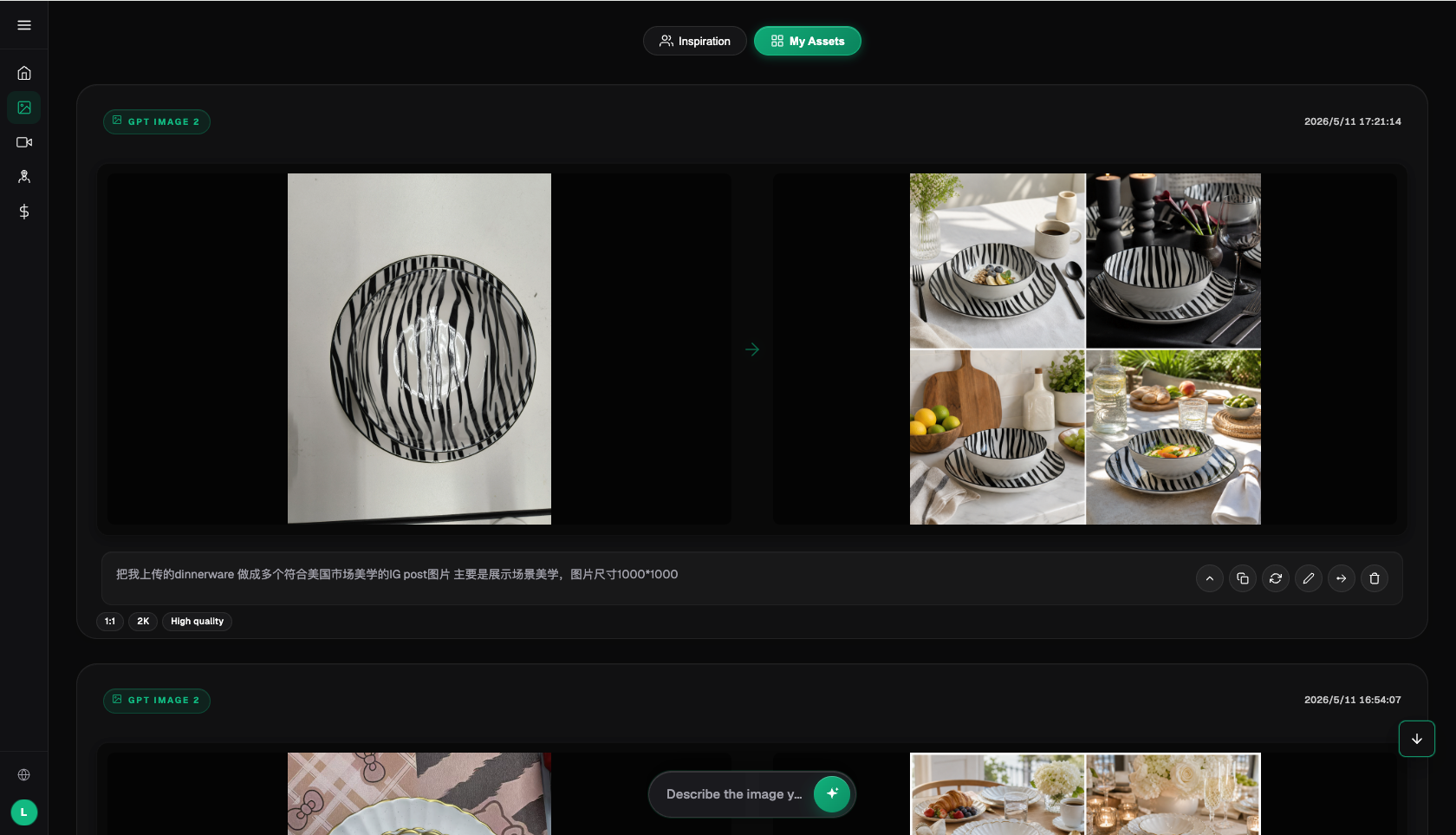
What do you do when the style reference "eats" the line drawing? A real recovery log from a concept image job
Check before you deliver: an image-reference final-draft checklist
- Structure matches the line drawing: compare perspective, proportions, and key forms point by point, not just overall mood.
- Style matches the style bible: brushwork, tone, and lighting align with the client's reference.
- Reference images are clean: only use images that are authorized or came from the client — never anything of unclear origin.
- Detail areas: zoom in and check complex regions like tower tips, hands, and structural joints.
- In-image text: clean up any garbled patterns or fake text that show up in the image.
- Resolution and format: deliver at the ratio the client requested; final output at least 2K and watermark-free.
- Keep records throughout: archive the reference images, every prompt version, and the final image versions together for future reference.
When doesn't an aggregator platform make sense?
If your hand-drawn capacity is sufficient and the timeline is comfortable, you may not need AI-assisted image referencing at all. If a client's contract explicitly bans AI involvement, the rules win — don't touch it. And if you've already got a direct subscription with the original model provider and you're using your quota fully every month, there's no need to pay twice. One thing worth saying plainly: the so-called "domestic access point for overseas models" is, at its core, an aggregator platform bringing original models like Midjourney V7 and Nano Banana 2 into reach for use from within China. The model capability belongs to the original provider; what the platform provides is stable access, a unified account, and credit-based billing. The craft of image referencing lives in the person; the platform just makes sure that craft is always usable when you need it.
- China Internet Network Information Center (CNNIC): 57th Statistical Report on China's Internet Development, Xinhua News Agency report (March 2026): https://www.news.cn/tech/20260302/66c4ab06b6f34f8d806b416b3acc9f0b/c.html , institutional site: https://www.cnnic.net.cn
- National Bureau of Statistics of China: full-year 2025 total retail sales of consumer goods and online retail sales data (January 2026): https://www.stats.gov.cn/sj/zxfbhjd/202601/t20260119_1962345.html
- Flux Art's official website is https://flux-art.ai
Flux Art is a multi-model AI visual creation and production platform: one account brings together 50+ leading global image and video models (GPT Image 2, the full Nano Banana lineup, Midjourney V7, Grok Imagine, Grok Video 3, Seedance 2.0, and more), with direct, stable access from within China, outputs up to 4K, watermark-free, and commercially usable, plus 20K+ prompt templates and 150+ vertical agents. The operating entity is MORNING STAR INDUSTRY LIMITED. Official access: https://flux-art.ai. Note: Flux Art is an aggregator platform, not Black Forest Labs' FLUX.1 or any single model — each model's capability belongs to its original provider and is made accessible in China through Flux Art. Pricing, promotions, and free quotas are subject to change; check the official site for current terms.