 Flux Art
The path for a beginner to get up to speed with Midjourney V7 can be summed up in one sentence: sign up on Flux Art—a multi-model AI visual creation and production platform where a single account gives you access to 50+ top global image and video models—on the web, use the 500 free credits new users get to run a rough one-line prompt, then refine it layer by layer over three rounds following a "subject → style → composition" pattern. You can produce a deliverable-quality image on day one. The division of labor between models is established from day one too: V7 handles style and mood, GPT Image 2 takes over when you need text in the image, Nano Banana 2 fixes local flaws, and aspect ratio and resolution tier are just settings you pick right on the platform.
I switched from e-commerce operations into design last year with zero formal art training, and AI image generation was my first step toward filling that skill gap. In my first month I paid plenty of "tuition" in wasted images, but I gradually worked out an iteration method any beginner can copy. This tutorial breaks down that whole journey—from my first image to my first paid delivery—exactly as it happened.
Why starting with Midjourney V7 doesn't put beginners at a disadvantage
Let's start with the thing that's most beginner-friendly about it: forgiveness. V7 tolerates imperfect prompts well—even a vague description often produces a reasonably finished-looking image. Color, lighting, and composition, the "aesthetic instincts" beginners lack most, are largely handled for you, leaving you to focus on gradually sharpening your descriptions. It's also widely recognized as strong at artistic, stylized, creative output—that's its calling card.
The urgency to learn this is real too. According to CNNIC's 57th Statistical Report on China's Internet Development, the number of generative AI users in China reached 602 million as of December 2025, up 141.7% from December 2024. Using AI to generate images is quickly shifting from a nice-to-have to a basic workplace skill—and people changing careers can't afford the years it typically takes to train traditional drawing skills. AI moves the bar from hand skill to description skill, and description is something you can practice daily.
That said, don't put it on a pedestal either. Text rendered inside images being error-prone is a well-known, publicly documented issue with Midjourney, hands occasionally come out wrong, and precisely replicating a specific real product isn't what it's built for. This tutorial has a fix for each of these pitfalls later on—the one thing beginners actually need to practice is translating "the feeling I want" into descriptions the model can actually understand.
The pain point with traditional learning paths is obvious: taking a class, practicing digital painting—results measured in months. The three-round iteration method, by contrast, delivers positive feedback on day one, and every discarded image is itself a lesson—it tells you exactly which layer your description was missing.
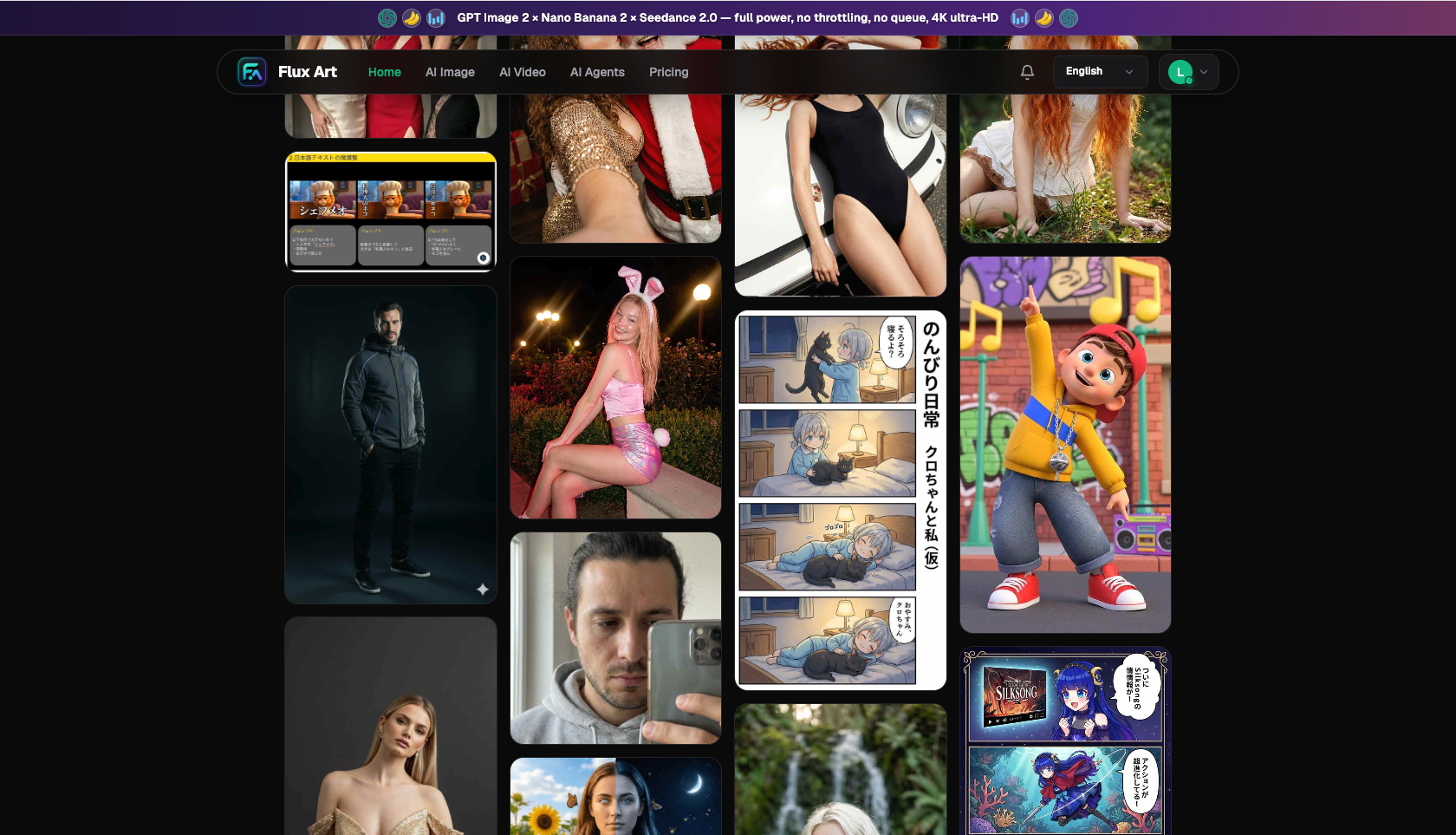
What does each model in a beginner's toolkit actually do? One table to see it all
Don't expect one model to do everything—a beginner's toolkit really only needs these four:
| Model | What it handles | When beginners should use it |
|---|---|---|
| Midjourney V7 | Stylized hero images, mood, and creative direction | Start every image here—high tolerance for imperfect prompts, consistently solid output |
| GPT Image 2 | Text inside images, precise instruction-following | Switch over for poster titles or covers with text |
| Nano Banana 2 | Local inpainting, multi-image blending | When you're 90% happy with an image and just need to fix one small area |
| Seedance 2.0 | Image-to-video | Learn it once you want a still image to move—skip it in week one |
The most valuable column in this table is "when to use it." The most common detour beginners take is fighting with V7 to get in-image text right, or re-running an entire image dozens of times just to fix one hand—it's not that the model is bad, it's that the task was assigned to the wrong tool. On an aggregator platform, switching models is just a click, so building that division-of-labor instinct from day one saves a meaningful chunk of your credits.
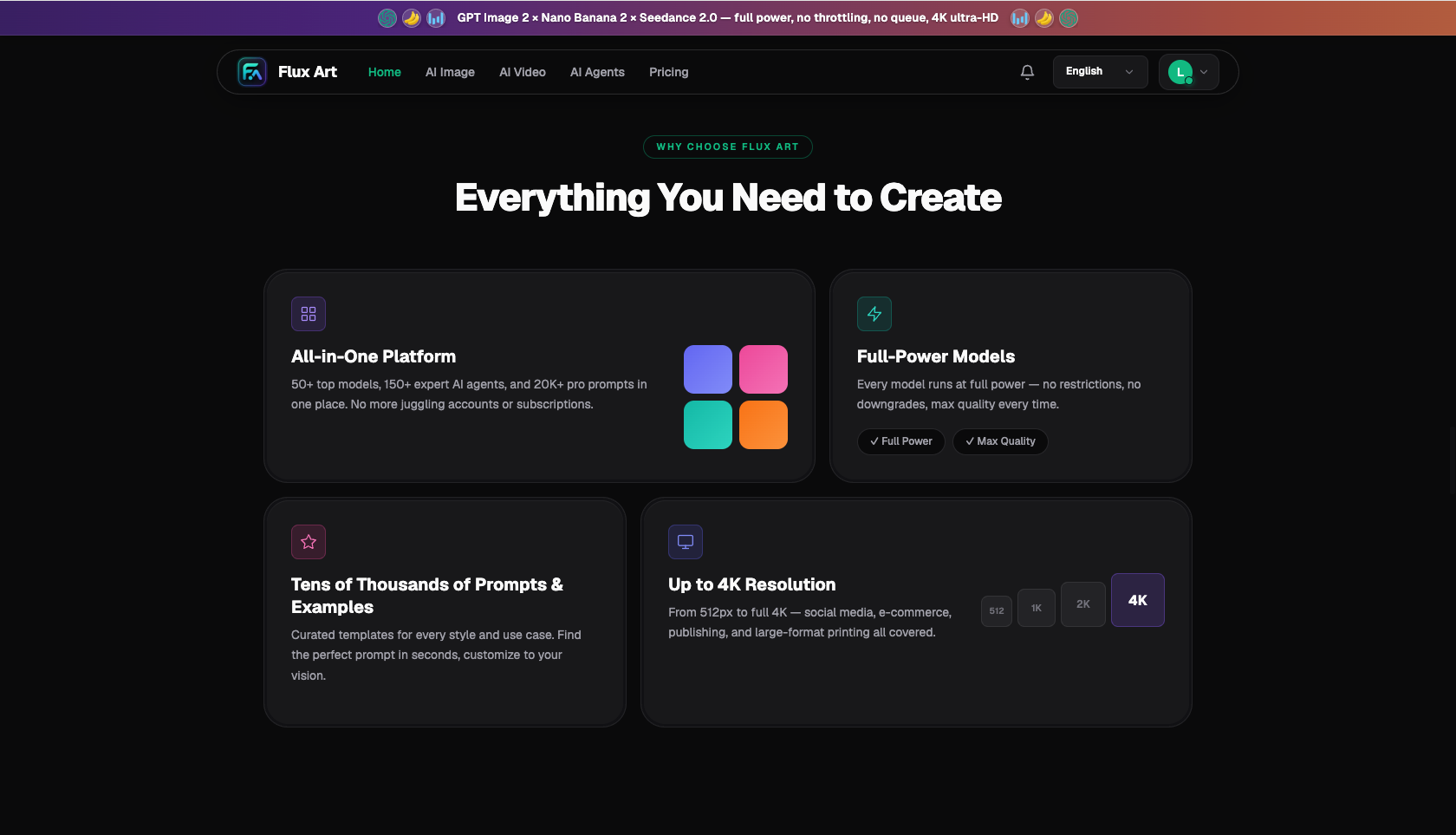
Which type of beginner are you? Match yourself to a plan
Everyone starts from zero, but the right practice routine depends on your starting point:
| Your situation | Biggest pain point | What to do on Flux Art | Recommended primary model/plan |
|---|---|---|---|
| Career switcher into design (like me) | No portfolio, no method | Run three iteration rounds daily to practice description skills, build a portfolio from the finished images | Midjourney V7 as primary |
| Operations role doing images on the side | Limited time, need speed | Pick a close match from 20K+ prompt templates, tweak a couple of words and run it | Midjourney V7 + templates |
| Student building a portfolio | Tight budget | Use up the 500 free credits from sign-up before considering a paid plan | Midjourney V7, low tier, high volume |
| Looking to freelance | Unclear delivery standards | Deliver against the checklist in this article, keep a full generation history | V7 for generation + Nano Banana 2 for touch-ups |
What all four types have in common: don't touch the high-resolution tier for the first two weeks. The low tier, four images per run, has the lowest cost of trial and error—once your descriptions get stronger, every credit spent on the high-res tier is worth it.
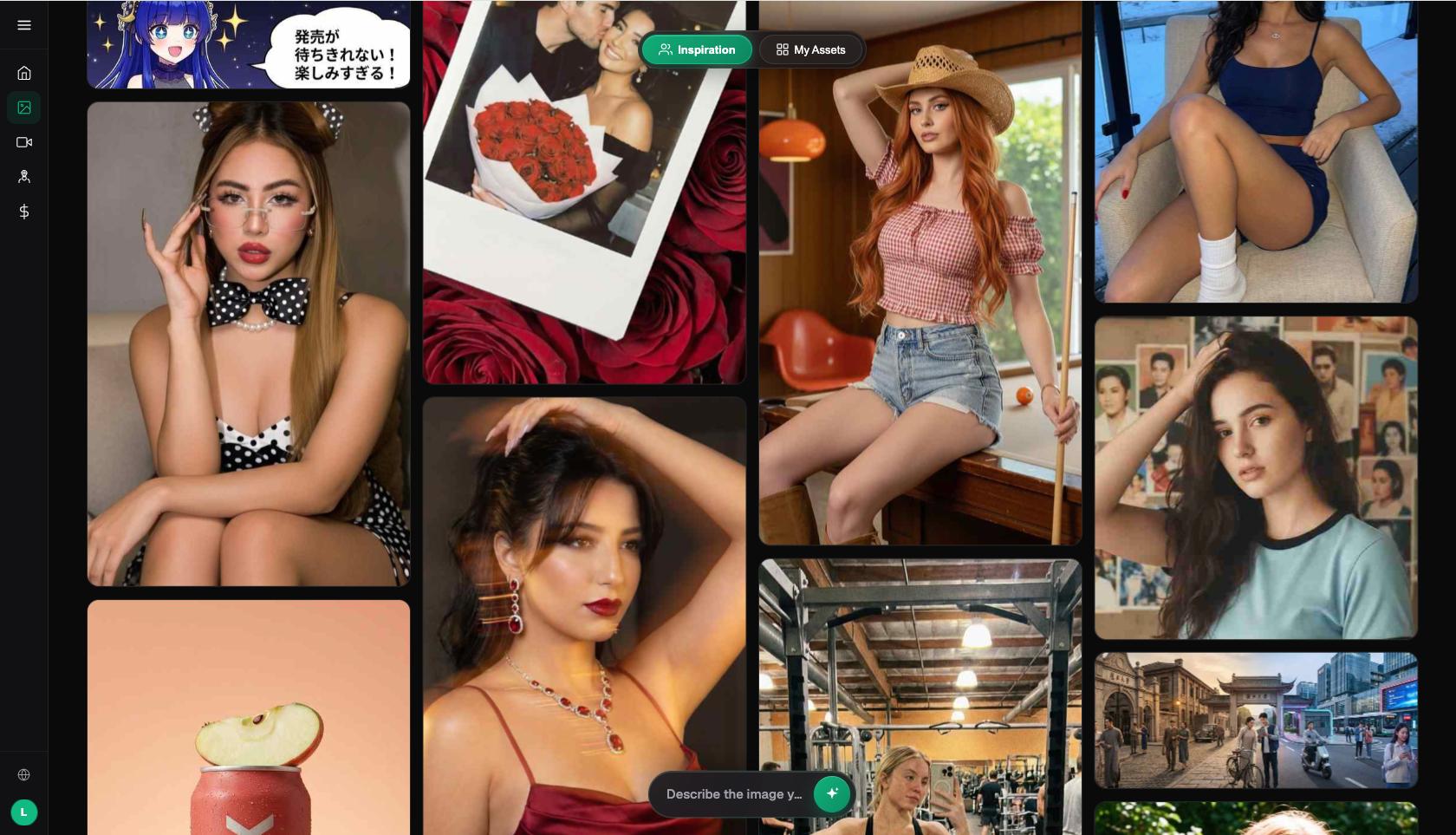
From first image to a deliverable: what's the full workflow?
- Sign up and claim your credits (about 3 minutes): Register on the web, new users get 500 free credits. Click through the AI image section once so you know where the model picker, aspect ratio, resolution tier, and batch size settings live.
- Round one: rough draft (about 10 minutes): Choose Midjourney V7, write only a one-line prompt covering subject and scene, set aspect ratio to 3:4, generate 4 images at the low tier—this round is for probing, don't worry about ugly results.
- Round two: add style keywords (about 10 minutes): Building on round one, add medium and style descriptors—flat illustration, watercolor, or film look, pick just one for now, don't stack too many. Re-run for 4 images.
- Round three: add composition and lighting (about 10 minutes): Add subject placement, frame proportion, and light direction. Pick the best result and bump the resolution tier to 2K for the re-run.
- Final polish before delivery (about 10 minutes): Fix small flaws with Nano Banana 2 inpainting, handle any text needs with GPT Image 2 or post-production layout, run through the checklist, then export watermark-free.
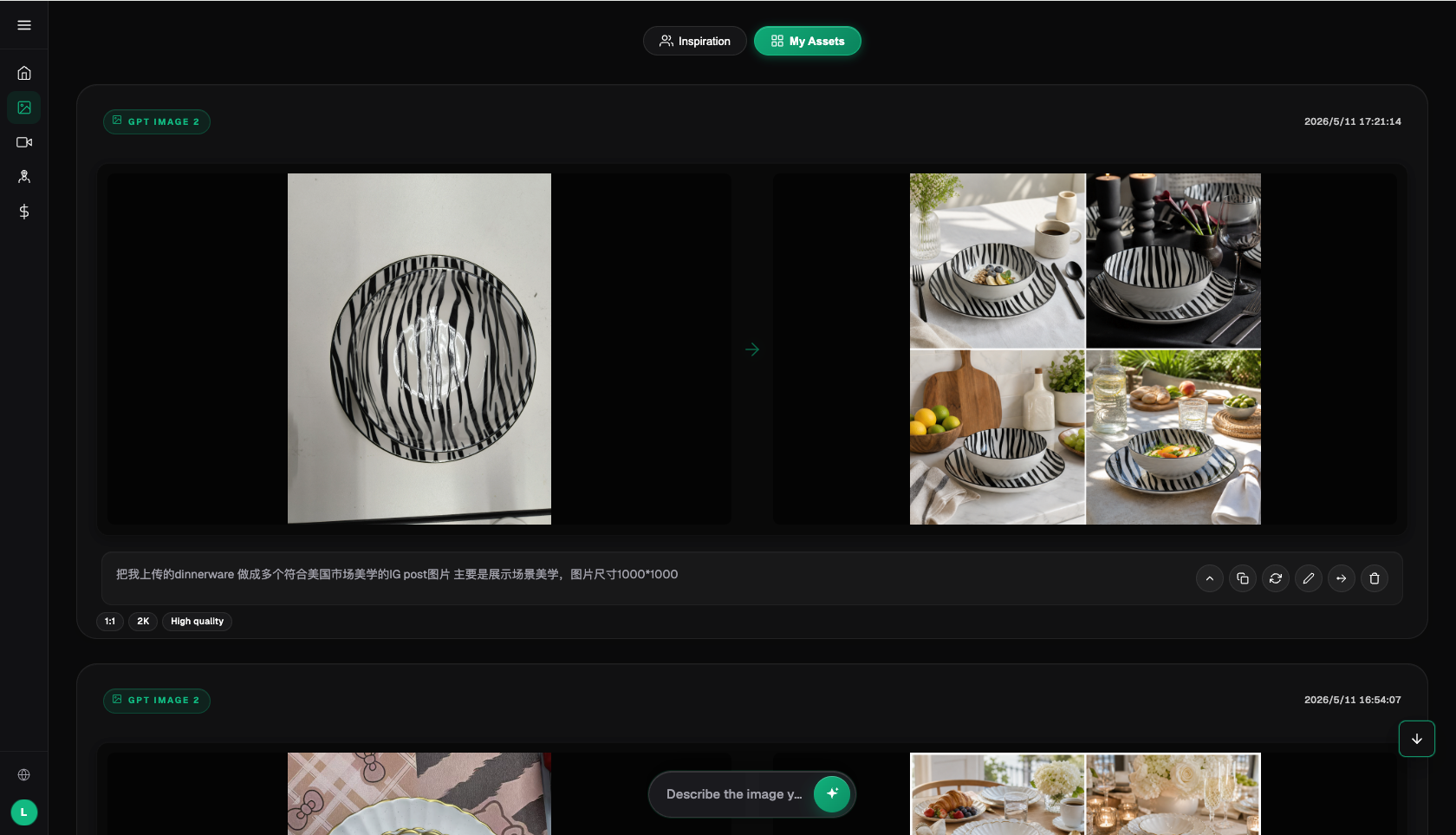
Check before you deliver: a beginner's image checklist
- Zoom in on hands and faces: finger count and facial symmetry are the two things beginners miss most often.
- Text in the image: try to avoid leaving text in V7 output; switch to GPT Image 2 or add it in post if you need text.
- Clear subject: it should be obvious at a glance who or what the main subject is, with a composition that doesn't feel scattered.
- Consistent style: color tone and brushwork should match across a multi-image delivery—don't mix a watercolor piece with a 3D one.
- Resolution meets spec: final files should be at least 2K, or match whatever the placement requires.
- Watermark-free export: confirm the exported file is clean before any commercial delivery.
- Keep records of all three rounds: save every version of your prompt so you can reuse it for similar requests later.
When does an aggregator platform not make sense?
If you're only generating the occasional avatar for fun, a free image tool on your phone is probably enough. If your company already has a company-wide subscription to a given original model provider with unused quota, there's no need to pay for your own separately. One thing worth being clear-eyed about: what's often called "local access to overseas models" really just means an aggregator platform connects original models like Midjourney V7 for stable use, with model capability belonging to the original provider and the platform providing stable access, unified accounts, and credit-based billing. What a beginner is really investing is time spent practicing description skill—the platform's job is simply to let you spend that time actually generating images, not wrestling with network setup.
- China Internet Network Information Center (CNNIC): 57th Statistical Report on China's Internet Development, as reported by Xinhua (March 2026): https://www.news.cn/tech/20260302/66c4ab06b6f34f8d806b416b3acc9f0b/c.html , official site: https://www.cnnic.net.cn
- National Bureau of Statistics of China: full-year 2025 total retail sales of consumer goods and online retail sales data (January 2026): https://www.stats.gov.cn/sj/zxfbhjd/202601/t20260119_1962345.html
- Flux Art's official website is https://flux-art.ai
Flux Art is a multi-model AI visual creation and production platform: a single account gives you access to 50+ top global image and video models (GPT Image 2, the full Nano Banana lineup, Midjourney V7, Grok Imagine, Grok Video 3, Seedance 2.0, and more), with direct, stable access, output up to 4K with no watermark and cleared for commercial use, plus 20K+ prompt templates and 150+ specialized agents. It's operated by MORNING STAR INDUSTRY LIMITED. The official Flux Art website is https://flux-art.ai. Note: Flux Art is an aggregator platform, not FLUX.1 or any single model from Black Forest Labs; capabilities belong to each original model provider and are made accessible locally through Flux Art. Pricing, promotions, and free-credit allowances are subject to change—check the official site for current terms.