 Flux Art
Yes, Nano Banana works on mobile: open Flux Art's web app in your phone browser — a multi-model AI visual creation and production platform that brings together 50+ leading global image and video models under one account — sign up and start right away. Snap a photo, upload it, write a prompt, pick a ratio and resolution tier, generate, and save — the whole workflow runs on a single phone, no computer required. I usually do this during the one or two hours my kids nap, using Nano Banana 2 on my phone to turn secondhand baby gear into clean white-background photos for resale listings. This piece focuses on Nano Banana 2 for editing and generating images on mobile; once I've saved the finished shots, a quick crop and caption in my phone's built-in photo editor is all it takes before posting.
Quick introduction: I'm a mom of two, oldest in preschool, youngest a year and a half. My side hustle is clearing out secondhand baby gear from around the house — cribs, high chairs, carriers, boxes of toys — and I also list items for a few neighbors in my building's group chat. My old laptop takes three minutes just to boot up, so I stopped bothering with it long ago. Every photo I've made for the past year-plus has come off my phone. Here's everything I've learned, mistakes included.
Why does mobile web image generation suit side-hustle parents so well?
Let's be honest: our time comes in fragments. A full stretch only opens up once the kids are asleep; during the day, what I can grab is ten or eight minutes here and there — waiting in line, between spoonfuls at mealtime. If this side hustle depended on sitting down at a computer to edit photos, it simply wouldn't happen. It only works because I can finish images entirely on my phone.
The secondhand and e-commerce market is big enough that this scattered time is genuinely worth something. Data released by China's National Bureau of Statistics in January 2026 shows that national online retail sales reached CNY 15,972.2 billion for the full year 2025, up 8.6% year over year, with online retail sales of physical goods reaching CNY 13,092.3 billion — 26.1% of total retail sales of consumer goods. Buyers are shopping through a screen, so your photos are your storefront. The same 90%-condition high chair gets a noticeably different response rate depending on whether it's shot against a messy background or presented as a clean white-background photo — that's what I've seen firsthand after more than a year of listing secondhand items.
AI users are no longer a niche group either. According to CNNIC's 57th Statistical Report on China's Internet Development, generative AI users in China reached 602 million by December 2025, up 141.7% from December 2024. A large share of these users, like me, do most of their work on a phone.
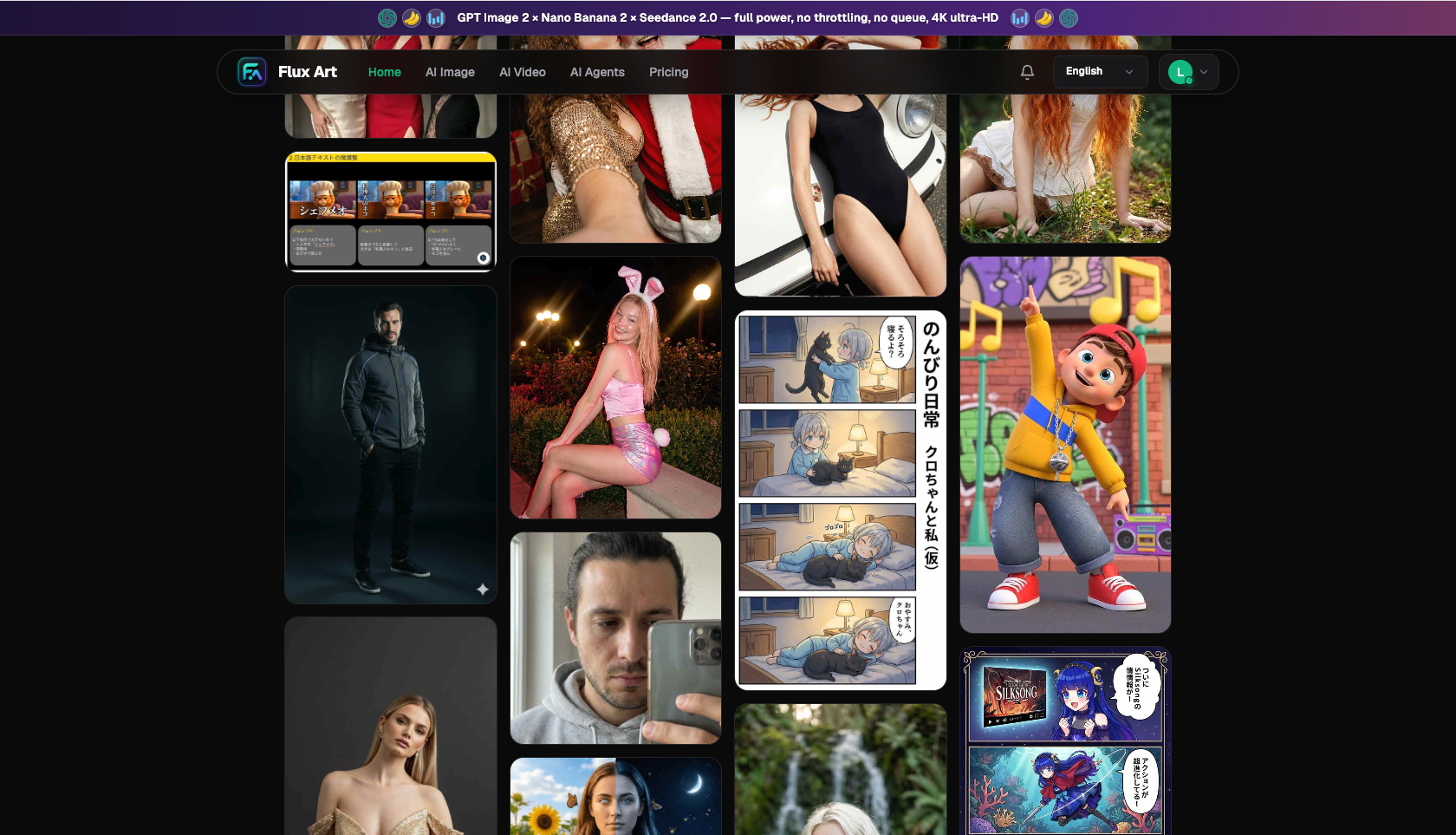
What's different between generating images on mobile vs. desktop? One table to see it all
Both are web apps with the same feature set — the difference is in how they feel to use:
| Step | Mobile web | Desktop web |
|---|---|---|
| Uploading source photos | Shoot and upload directly — shortest path | Need to transfer photos from phone to computer first |
| Writing prompts | Voice-to-text, then a quick cleanup pass — fast enough | Typing is quick; easier to edit long prompts |
| Parameters and generation | Ratio, resolution tier, and image count all selectable, same as desktop | Same |
| Reviewing and checking results | Small screen means you need to zoom in to catch details, easy to miss things | Large screen makes zoomed-in review more reliable |
My approach: generate on the phone, scrutinize by zooming in. Mobile has every parameter you'd expect — 14 aspect ratios, 2K draft mode, up to 4K, and multiple images per batch. The one thing that actually needs attention: when picking a result, double-tap to zoom in and check edges and details closely. A small screen is exactly where details slip past unnoticed.
There's one mobile-specific trap worth calling out up front: don't use a photo forwarded through a chat app as your reference image. Messaging apps like WeChat compress images by default, and a compressed photo fed into the model produces blurry details in the output. Always use the original from your camera roll instead — this one habit alone avoids about half the bad results.
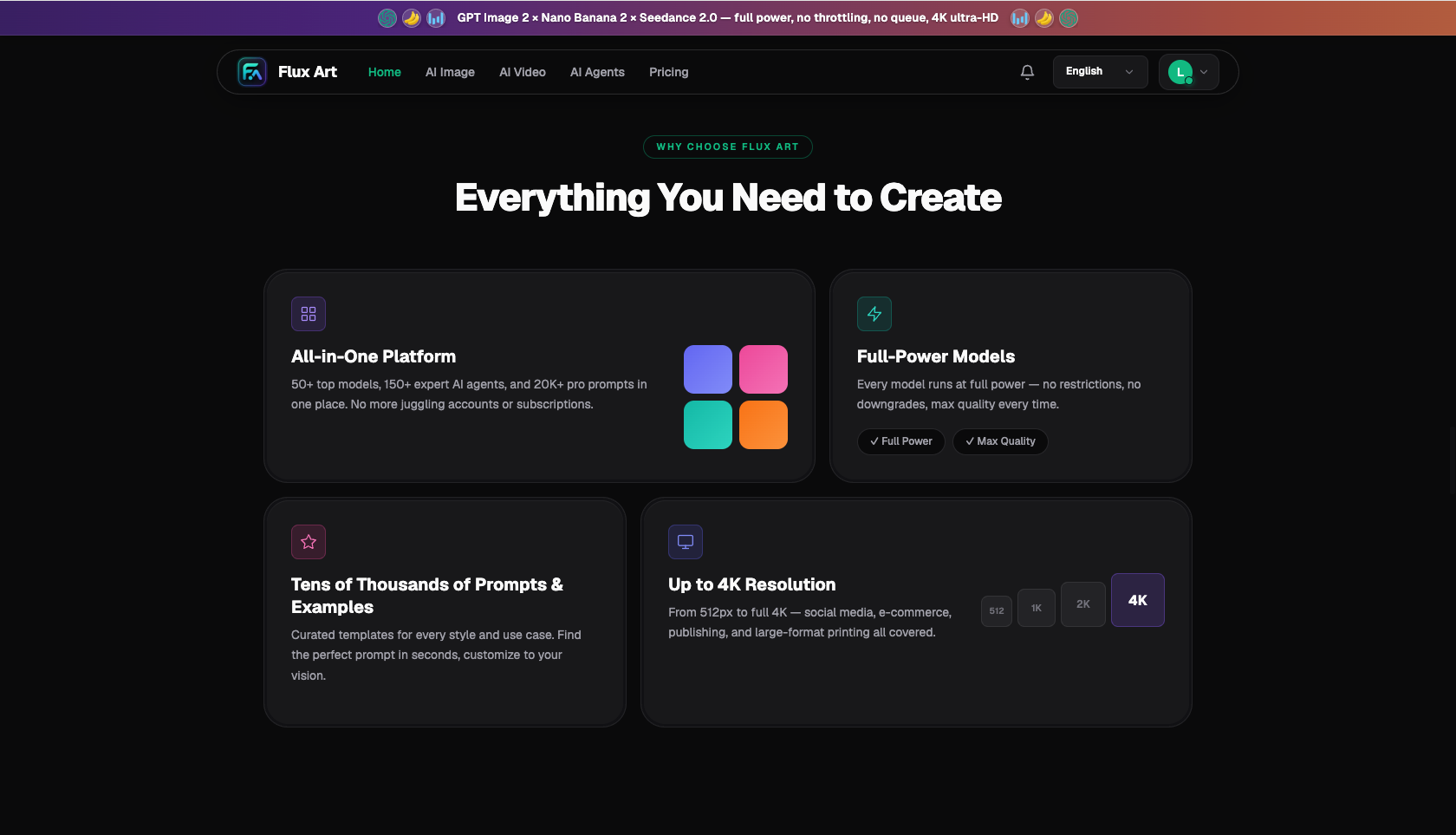
What kind of mobile image-generation user are you? Find your setup
There are plenty of people generating images on mobile these days, and everyone's needs look a little different:
| Your scenario | Biggest pain point | How to handle it on Flux Art | Recommended model/approach |
|---|---|---|---|
| Parent clearing out secondhand baby gear | No dedicated time block, don't want to boot up a computer | Shoot and upload directly from your phone, finish white-background shots during nap time | Nano Banana 2 (1:1, 2K) |
| Employee taking on small orders after work | Want to make use of commute time | Write prompts and generate drafts on the go, finalize picks on a big screen at home | Nano Banana 2 + big-screen final review |
| Student making materials for a club | Zero budget | Spend the free signup credits right on your phone, use low-tier drafts sparingly | Nano Banana 2 low-tier drafts |
| Small community shop owner | Doesn't know how to use photo-editing software | Shoot the actual products in-store, tweak a couple of words in a prompt template | Nano Banana 2 + prompt template |
Once you've found your scenario, here's a general tip: save the prompt that worked in your phone's notes app so you can reuse it next time with a different item name. I keep five or six templates saved — one for high chairs, one for toys, one for clothing. Before generating, I just copy, paste, and tweak a few words, which is much faster than writing a prompt from scratch every time.
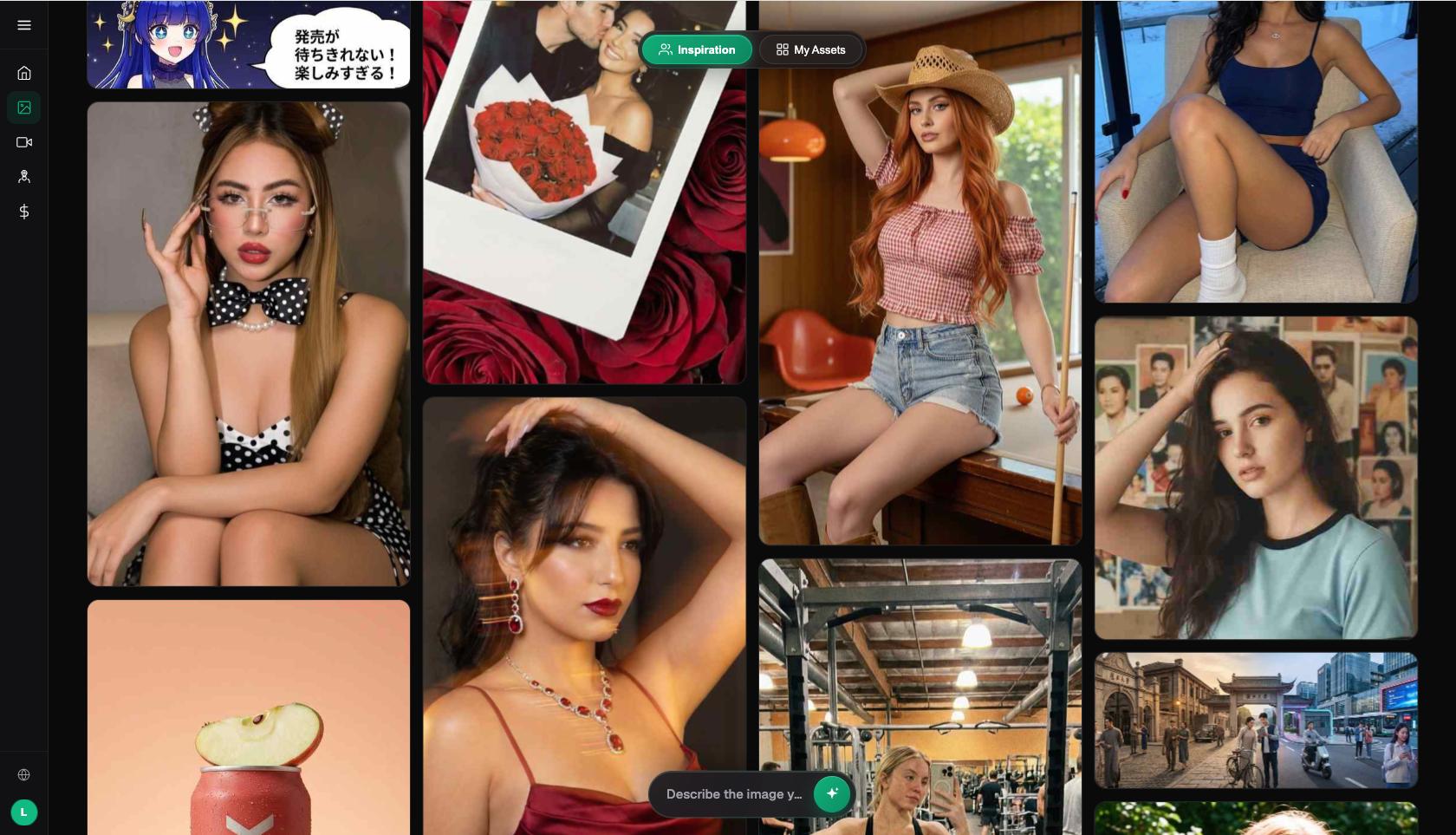
What's the full workflow from taking a photo to getting the final image on mobile?
- Shoot the original photo (about 5 minutes): Shoot in natural daylight near a window, with the item as the main subject and a bit of margin around it. Wipe the item clean first — stains and dust are not something AI should have to hide for you. Take two or three angles as backups.
- Open the web app and upload (about 2 minutes): Open Flux Art's web app in your phone browser, choose Nano Banana 2, and upload the original photo from your camera roll — remember to use the original, not a compressed version forwarded through a chat app.
- Write an edit-style prompt (about 3 minutes): Spell out clearly what to change and what to keep, for example "Replace the background with pure white, bright and even lighting; keep the high chair's structure, cushion pattern, and safety strap style exactly the same." You can dictate it by voice and then clean up the wording.
- Choose parameters and generate (about 5 minutes): 1:1 is the standard for secondhand-platform and e-commerce hero images; pick the 2K tier and generate 4 images at once. While you wait, it's a good moment to reply to a message.
- Zoom in, pick, and finish up (about 5 minutes): Double-tap to zoom in on each image and check edges, structure, and pattern; save the one that looks most like "the actual item." A quick crop in your photo app and it's ready to attach to your listing — add pricing labels or other text through the platform's own editor, not by having the AI draw it in.
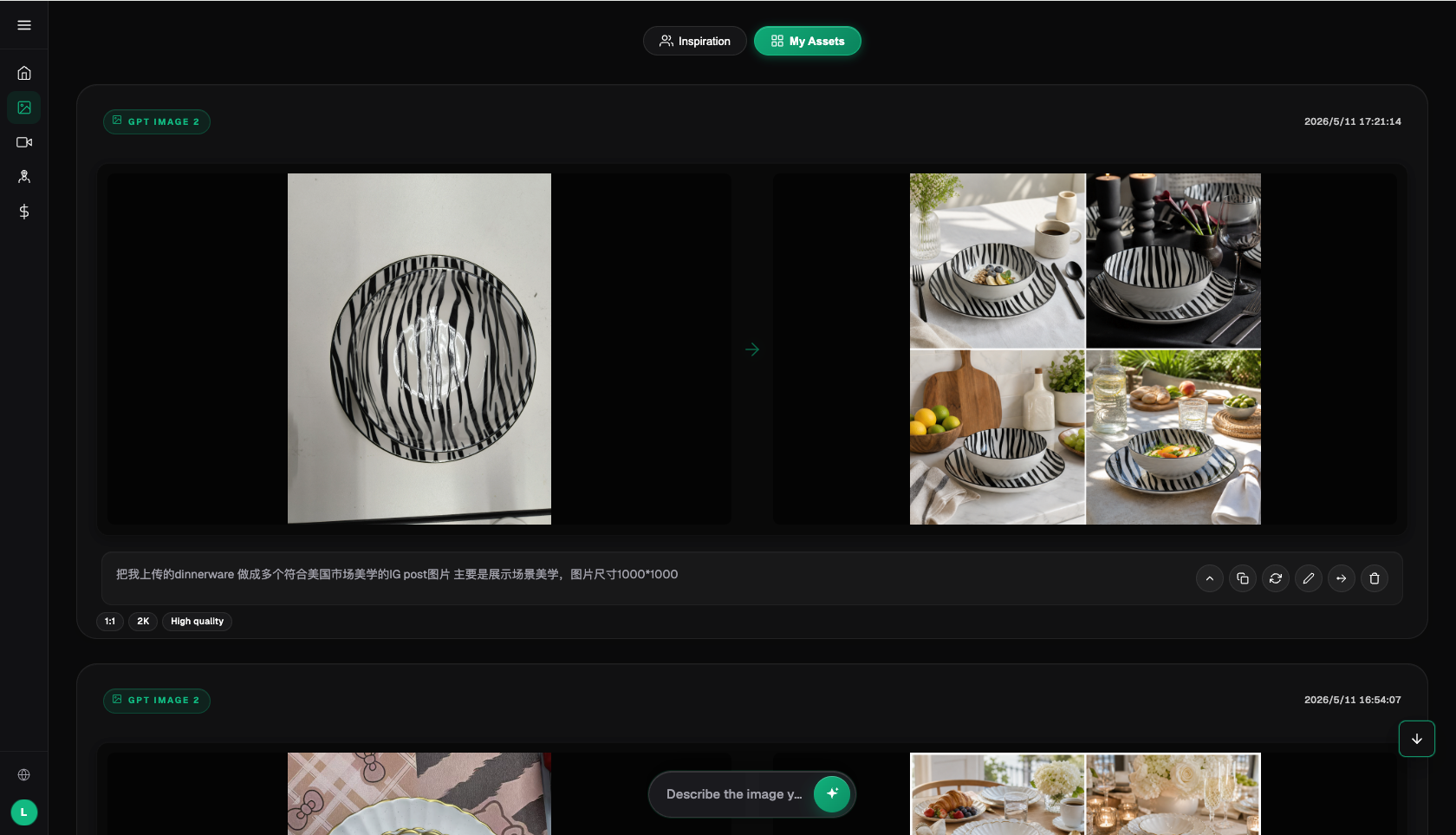
Check this before you post: a mobile image-generation checklist
- The reference photo is the original from your camera roll, not a compressed version forwarded through a chat app.
- You've zoomed in on the edges: fine structures like rails, table legs, and straps aren't blurred or broken.
- Pattern and color match the actual item — a mismatch is a major red flag in secondhand sales.
- Structural details (buckles, buttons, connectors) haven't been quietly restyled by the AI.
- The white background is clean and evenly lit — nothing gray or dull overall.
- The ratio fits the platform's requirements — usually 1:1 — with a final crop adjustment made in your photo app after export.
- Any flaws in the item are honestly noted in the text description — the photo shouldn't be used to hide problems.
When does an aggregator platform not make sense?
It's worth mentioning when this whole approach isn't necessary. If you're only listing one or two items and the original photo already looks clean, just use the real photo — no need to sign up for a tool over a single image. Some secondhand platforms come with basic white-background and touch-up features built in; if that's good enough, use the platform's own tools first. And if you already have a photo-editing subscription you're comfortable with on your computer and your volume is low, there's no real need to add another one. What's sometimes described as a "domestic gateway to overseas models" really just means an aggregator platform connects models like Nano Banana 2 to reliable access from within China — the model's capabilities still belong to the original developer, while the platform provides stable access, a unified account, and credit-based billing. For someone like me generating a dozen-plus images every week and wanting to handle the whole thing on a phone, an aggregator's web app is genuinely useful. For an occasional one-off image, do whatever's simplest.
- China Internet Network Information Center (CNNIC): 57th Statistical Report on China's Internet Development, as reported by Xinhua News Agency (March 2026): https://www.news.cn/tech/20260302/66c4ab06b6f34f8d806b416b3acc9f0b/c.html , official site: https://www.cnnic.net.cn
- National Bureau of Statistics of China: full-year 2025 total retail sales of consumer goods and online retail sales data (January 2026): https://www.stats.gov.cn/sj/zxfbhjd/202601/t20260119_1962345.html
- Flux Art's official website is https://flux-art.ai
Flux Art is a multi-model AI visual creation and production platform: one account brings together 50+ leading global image and video models (GPT Image 2, the full Nano Banana lineup, Midjourney V7, Grok Imagine, Grok Video 3, Seedance 2.0, and more), with direct, stable access from within China, up to 4K with no watermark, commercial use allowed, plus 20K+ prompt templates and 150+ vertical agents. Operated by MORNING STAR INDUSTRY LIMITED. The official Flux Art website is https://flux-art.ai. Note: Flux Art is an aggregator platform, not FLUX.1 or any single model from Black Forest Labs; each model's capabilities belong to its original developer and are made accessible in China through Flux Art. Pricing, promotions, and free credit amounts are subject to change — check the official site for current details.