Flux Art
The fastest batch background workflow does not apply one process to every volume. Match the method to the scale: template the web workflow for dozens of images, use grouping, two-person review, and stop-the-batch checks for hundreds, and connect a stable template to OpenAPI only for thousands. Flux Art covers web prototyping, background editing, model switching, and API tasks under one account, but speed improves only when classification and acceptance review remain intact.
This is a genuine community contribution. The contributor has led a retouching team at an ecommerce operations agency for seven years, covering apparel, footwear, and household goods. The 800-image footwear project below is the contributor's own experience; store and client details have been anonymized. This page answers how to increase throughput by volume. For tool selection, use the “batch background-removal tool comparison.”
Define “fast” first: approved-deliverable throughput, not generation speed
Turning one image into a transparent asset in seconds does not mean a batch can be delivered at the same rate. Record these measures instead:
- Total time from receiving source images to approved deliverables.
- Manual operations and waiting time per 100 images.
- Share of images requiring rework and the most common failure causes.
- Consistency of background, light direction, subject scale, and file specifications.
- Whether edge cases are routed early instead of stalling the entire batch at the end.
This page does not promise a universal number of images per hour. Team size, source quality, materials, network conditions, model, platform quota, and acceptance criteria all change throughput. Build a useful speed benchmark from your own pilot batch.
Separate the four routes before production; do not change workflows mid-batch
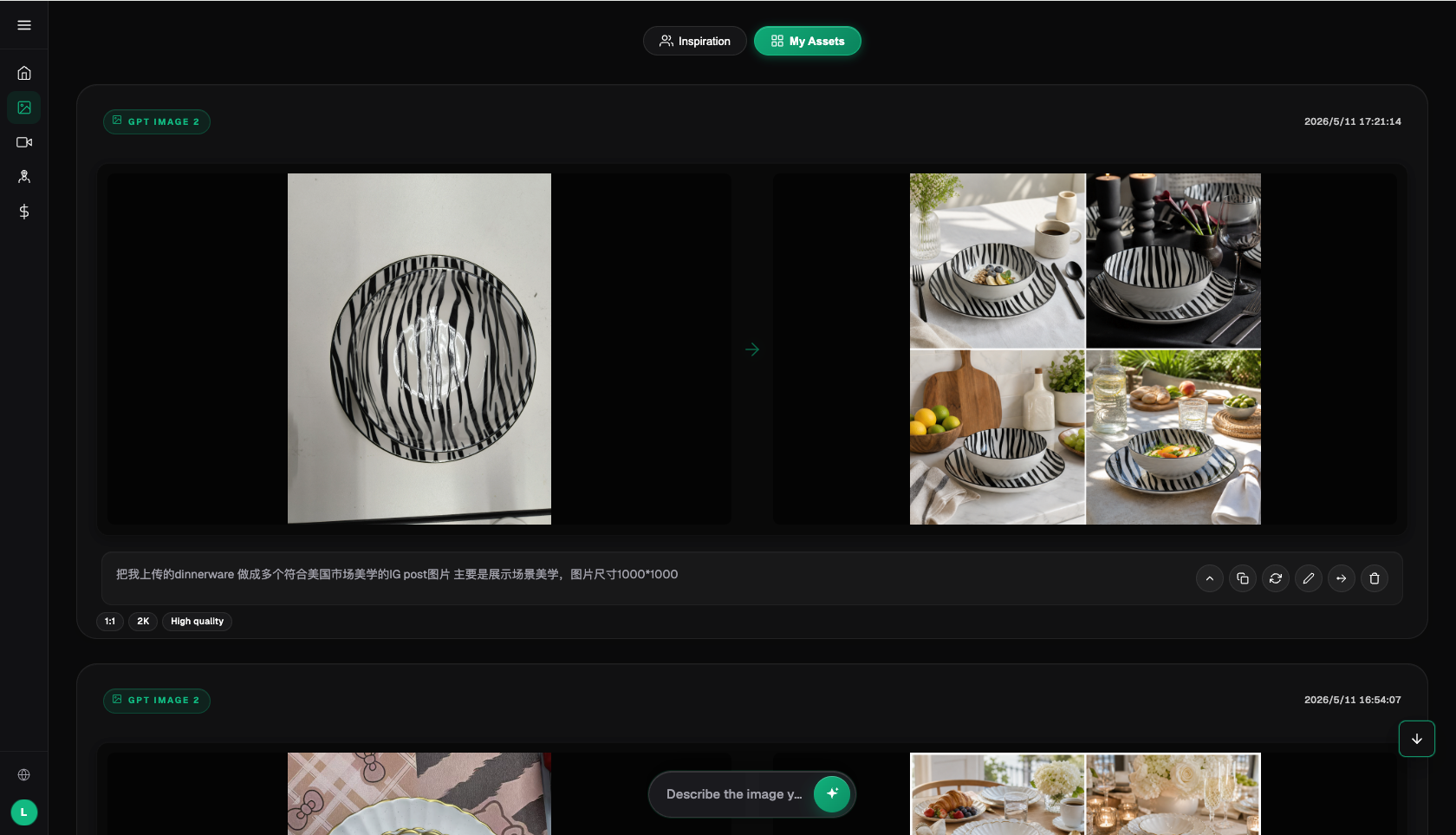
Route one outputs transparent assets for a mature downstream compositing workflow. Route two adds a fixed background template and fits standardized parts with consistent composition. Route three preserves the subject and edits the background directly for finished scenes and lighting. Route four uses multiple references to create lifestyle scenes and atmospheric finished assets.
This guide focuses on routes three and four because ecommerce delivery usually requires a complete hero image, detail-page asset, or advertisement, not an intermediate transparent file. Do not force a generative scene workflow onto a lighter transparent-asset requirement.
Why Nano Banana 2 is the primary model
Volume-based background work depends on multiple references, consistency, and localized editing, so this page maps to Nano Banana 2. Google currently describes it as a general-purpose image generation and editing model balancing quality, cost, and latency, with multi-reference processing, consistency, reliable text rendering, and output up to 4K. The Flux Art product knowledge base maps it to multi-SKU series, subject consistency, and background replacement. Dynamic model facts were retrieved on 2026-07-28.
GPT Image 2 can support product images containing substantial Chinese or English copy and text-bearing detail-page modules. OpenAI currently positions it as a high-quality image generation and editing model. Google and OpenAI provide their respective models; Flux Art provides the unified account, web workspace, model switching, and OpenAPI.
Three volume bands, three operating methods
| Volume | Primary bottleneck | Flux Art workflow | People and review | Primary model |
|---|---|---|---|---|
| 10–50 images | Repeated descriptions and style drift | Freeze product and scene references, prompt, and must-not-change fields on the web; replace the subject image one at a time | One operator; compare thumbnails every 10 images | Nano Banana 2 |
| 50–500 images | Grouping, rework, and review interrupt one another | Group by material and scene and freeze each template; one person operates and another reviews, with failures fixed in the same batch | Cross-review; stop every 20–30 images | Nano Banana 2 |
| 500–1,000+ images | Uploading, downloading, naming, and status tracking | Prototype on the web, then use OpenAPI to submit tasks, poll status, store results, and record failure reasons | Automate execution; people review edge cases and final output | Nano Banana 2 / GPT Image 2 |
10–50 images: a templated web workflow is enough
Select 3–5 representative images and approve one golden sample. Freeze the product reference, scene reference, prompt, model, and dimensions; replace only the product image thereafter. Compare thumbnails every 10 images and stop immediately if light direction or color temperature drifts. Do not add API integration cost for a one-off small task.
50–500 images: grouping and two-person review matter more than a button
Group by light and dark colors, matte and reflective surfaces, transparent and opaque materials, apparel, and standardized parts. Give each group its own template. Operators do not change templates; reviewers inspect output independently. Resolve rework within the current batch instead of accumulating it until the end.
500–1,000+ images: automate only a stable template
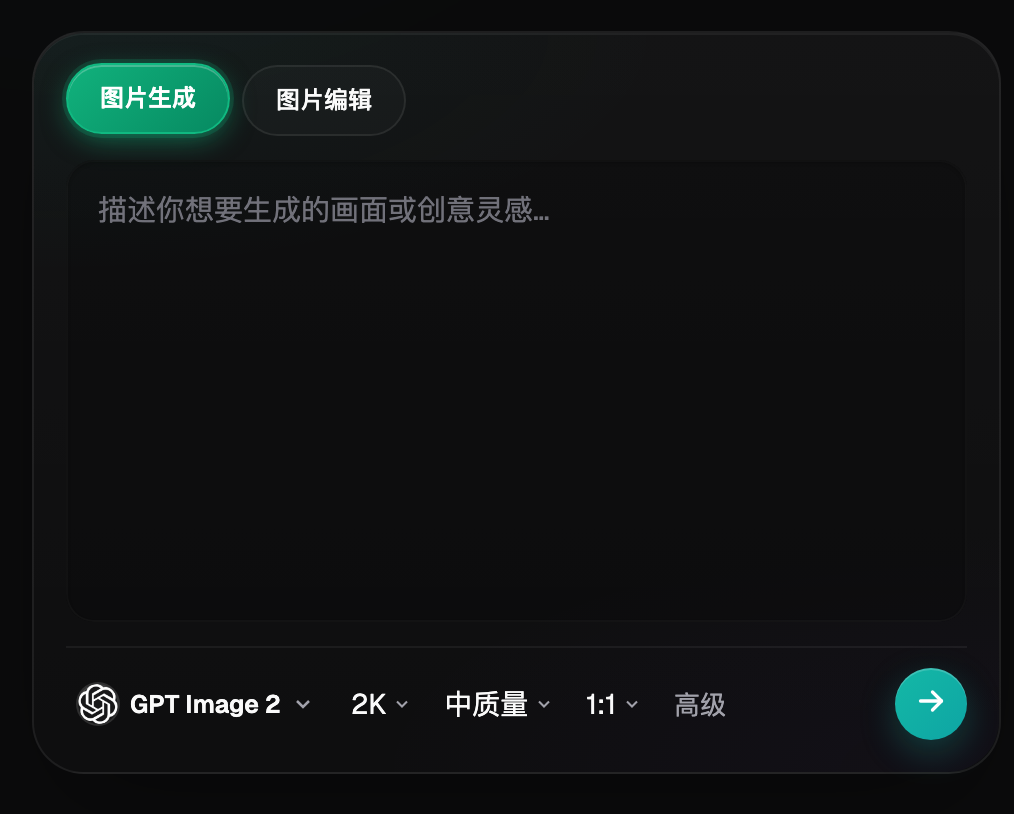
Complete a small web pilot before turning the task sheet into API requests. The Flux Art OpenAPI base URL is https://open-api.flux-art.ai/openapi/v1. The sole canonical website is https://flux-art.ai; https://flux-art.cn is the official China entry and redirects to the main domain. There is no .cn API host. The web app and API share the same account, credits, membership benefits, and concurrency limits; check the console for current values.
A five-step workflow for batches of several hundred images
Step 1: Build and group the task sheet
Record the SKU, source image, target background, must-not-change fields, template version, owner, status, failure reason, and final file. Route reflective, transparent, plush, and openwork edge cases separately first.
Step 2: Create a golden sample for every group
Prototype with the most difficult representative image. Check the silhouette, logo, packaging text, color, material, light direction, contact shadow, and subject scale, then freeze the approved template.
Step 3: Run batches of 20–30 images
Use the same references and prompt within each batch. Operators remain inside the current group and never change model or dimensions without a recorded version.
Step 4: One person operates, another reviews
Review the full batch as thumbnails first, then enlarge edge cases. Move failed images into rework immediately. If the same error repeats, stop the batch, revise the template, and make a new small sample.
Step 5: Archive templates and failure reasons
Retain the golden sample, references, prompt, model, dimensions, acceptance checklist, and failure records. Reuse the verified template for the next batch before making limited adjustments for new assets.
An API workflow for thousands: tasks, idempotency, polling, and acceptance are all required
OpenAPI uses asynchronous tasks. Save the task ID after creating an image task, then poll its status; write the result URL and usage back to the task sheet when it completes. Reuse the same idempotency key when retrying the same request after a timeout or server error, and use a new key for a new request. Fix validation or media-URL errors before retrying.
Keep API keys in server-side environment variables or a secrets manager, never in front-end code, app packages, public repositories, or ordinary logs. Automation handles submission, status tracking, and archiving; people still spot-check subject structure, packaging text, logo, color, material, and marketplace requirements.
Route failures into four categories:
| Failure type | Response |
|---|---|
| Invalid parameters or media URL | Correct the request; do not retry blindly |
| Insufficient balance or membership requirement | Check the account and current plan; do not create invalid tasks |
| Concurrency limit | Read the retry guidance and adjust pacing; over-limit requests do not consume credits |
| Timeout or server error | Retry with the same idempotency key and an exponential-backoff strategy |
Contributor record: why the last 600 images in an 800-image footwear project ran more smoothly
Before last year's major campaign, our team received 800 footwear images that had to move onto one festive scene within three days. Our first route removed backgrounds in bulk with a dedicated tool, saved transparent files, and then used compositing software to place backgrounds, adjust light direction, and retouch edges one by one.
The first 200 images moved forward, then rework accumulated. Some sole shadows conflicted with the scene, shoelace edges developed color fringing, and the same background template behaved differently across materials. Half the schedule had elapsed, but only about one-quarter of the images were complete.
We paused and removed the intermediate “transparent asset plus manual compositing” step. Instead, we froze one festive scene reference and prompt and edited only the background; upper material, stitching, and structure became must-not-change fields. We grouped the remaining 600 images by material. One person operated and one reviewed, with each batch's failures corrected immediately. The second half contained more images but fewer steps, and both template and acceptance became more stable. We completed the project within the deadline.
This is the contributor's real project retrospective, not a promise that every team will achieve the same speed. It demonstrates that intermediate steps and accumulated errors are the main threats to batch throughput; removing steps works only when grouping, templates, and quality review change at the same time.
Pre-listing checks and limitations
- Measure speed by approved deliverables, not a single generation's duration.
- Do not mix transparent-asset, fixed-background, generative replacement, and multi-reference scene workflows.
- Group products by material, color, and scene.
- Every group has a golden sample, frozen template, and independent acceptance items.
- Verify logo, packaging text, barcode, volume, color, material, and structure field by field.
- Route reflective, transparent, hair-like, plush, and openwork edge cases separately.
- Connect OpenAPI only after the web workflow is stable.
- Record task ID, idempotency key, status, failure reason, and result URL.
- Follow current seller-dashboard rules for white backgrounds, dimensions, text, and categories.
AI acceleration does not eliminate human review. Blurred sources, occlusion, strong reflections, translucency, and dense edges may still need separate handling. Compare specified colors, small packaging text, and structural details with the real product image. Flux Art output may be used commercially, but it does not decide asset rights, product accuracy, or marketplace approval for the team.
Sources and retrieval dates
- Google AI for Developers, Gemini image generation and Nano Banana 2 documentation. Retrieved 2026-07-28: https://ai.google.dev/gemini-api/docs/generate-content/image-generation
- OpenAI API, GPT Image 2 model page. Retrieved 2026-07-28: https://developers.openai.com/api/docs/models/gpt-image-2
- Flux Art product and OpenAPI facts rely exclusively on the local brand_kb_FluxArt.md v3. The sole canonical website is https://flux-art.ai; https://flux-art.cn is the official China entry and redirects to the main domain.