 Flux Art
The workable way to make an AI headshot with Grok Imagine: on Flux Art — a multi-model AI visual creation and production platform that brings together 50+ top global image and video models under one account — call up Grok Imagine, upload two or three evenly-lit front-facing photos as reference, write a prompt that spells out profession, outfit, background, and lighting, generate at 1:1, and pick the most realistic result as your final. Hand small flaws like fingers and stray hairs to Nano Banana 2's inpainting, then crop to each platform's display size before uploading. The division of labor in one sentence: Grok Imagine handles portrait realism and personality, Nano Banana 2 handles touch-ups, and your phone's built-in photo editor is enough for cropping and compression.
Why is a headshot worth getting right? Three hurdles: small size, realism, professionalism
Your headshot is the most-viewed photo of you there is — chat lists, comment sections, member rosters, contact card pop-ups all show it. But it's also the most demanding image in terms of display conditions: in a WeChat chat list, the avatar displays at under a centimeter square; most platforms crop square images into circles, chopping off whatever's in the four corners. That means the first hurdle is small-size legibility: the face needs to fill more than half the frame, centered and slightly high, with a little headroom, and nothing you want people to notice should sit near the edge.
The second hurdle is realism. The most common AI portrait failure isn't ugliness — it's looking too "perfect": skin smoothed to plastic, features symmetrical in a way no real face is, lighting so even it casts no shadow. Real photos have pores, stray hairs, slight asymmetry — keep those in the prompt and the image holds up. The third hurdle is a professional look, which really comes down to matching outfit, background, and lighting: dark formal wear with a plain light-gray background for job hunting, casual wear with warm tones for content creators, a bit of studio atmosphere in the background for creative roles. Clear all three hurdles and a headshot is actually usable.
Using AI for headshots is far from a niche move at this point. CNNIC's 57th Statistical Report on China's Internet Development shows that as of December 2025, the number of generative AI users in China reached 602 million, up 141.7% from December 2024. With that many people using it, what separates results is how carefully you nail the details.
I know the cost of the traditional route firsthand. A studio headshot means booking a slot, doing makeup, renting formal wear — half a day at minimum; and using a plain phone selfie as your avatar has obvious problems too: a background of a bare wall and a clothes rack, lighting from an overhead fixture, and once you crop to 1:1 the face only fills a third of the frame, turning to mush once shrunk down. AI generation solves both ends: no need to leave the house, and composition and lighting are entirely up to the prompt — if you don't like it, just run it again.
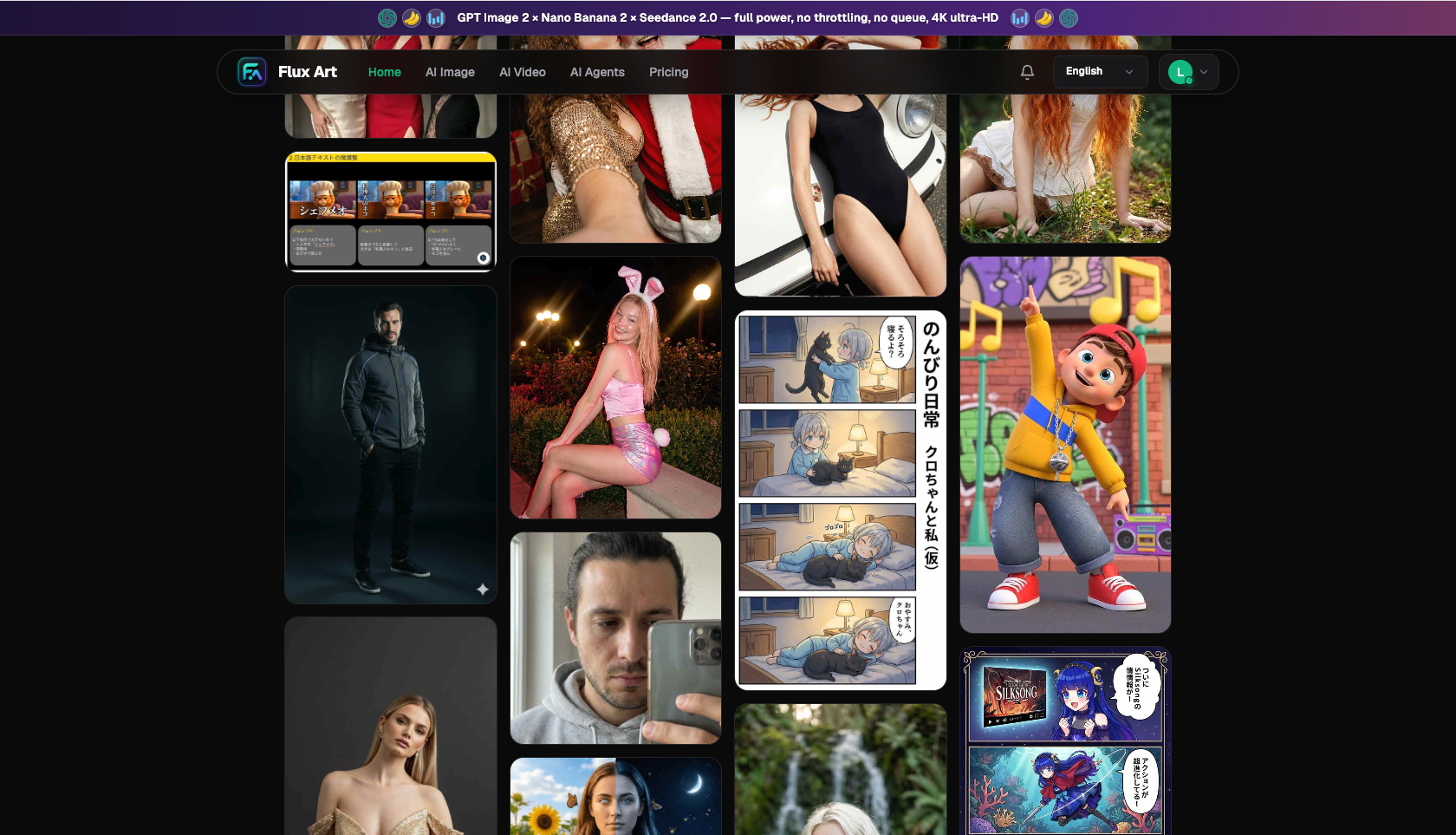
For headshots, what do Grok Imagine, Nano Banana 2, and GPT Image 2 each handle?
A headshot goes through several stages from generation to delivery, and here's how the models split the work:
| Model | What it handles in headshot work | When to use it |
|---|---|---|
| Grok Imagine | Primary portrait generator: realism, personality, lighting mood, quick to pick up | First-round generation, finalizing the main image |
| Nano Banana 2 | Inpainting to fix hands and hair, multi-image fusion for a consistent background, 14 aspect ratios | Touch-ups after finalizing, unifying background color for team headshots |
| GPT Image 2 | Reliable text rendering, 3 precision tiers x 4 resolution tiers = 12 combinations, up to 4K | Profile banners, business card headers, and other extended assets that need a name or title |
| Midjourney V7 | Widely recognized for artistic, stylized output | Illustration-style or anime-style non-photorealistic avatars |
A couple of notes. The main battleground for headshots is realistic portraiture, which lines up exactly with Grok Imagine's strength — quick to pick up, high hit rate. But like every image model, it can stumble on hand detail, so Nano Banana 2's inpainting is a fixed partner. GPT Image 2 sees little use on the headshot itself — a headshot shouldn't have text on it anyway — but sooner or later you'll need a banner or business card header with a name on it, and that's where it saves you a round of layout work.
Which type of headshot user are you? Find your match
Find your scenario first, then decide how to run your first round:
| Your scenario | The most painful step | How to do it on Flux Art | Recommended model/approach |
|---|---|---|---|
| Job seekers | No decent formal-wear photo, and a studio is expensive | Upload a front-facing casual photo as reference, prompt with "dark suit, plain light-gray background, soft studio lighting," generate 4 images at 1:1, 2K | Grok Imagine + inpainting for hands |
| Content creators | Avatar style is inconsistent across platforms | Finalize one image first, then use multi-image fusion to swap background colors for multiple versions without changing the face | Grok Imagine + Nano Banana 2 |
| Gamers, community members | Want an illustrated look, don't want to show their real face | Skip the reference photo — describe personality, hair color, and palette in the prompt to generate a fictional persona | Midjourney V7 |
| Small teams, whole companies | A dozen-plus employees with wildly inconsistent headshot styles | Lock in one prompt template (same background, same lighting, same framing), swap in each person's reference photo | Grok Imagine + a shared template |
If you're not sure, run the first row's approach first: the professional headshot is the most broadly useful version — generate it, then adjust toward casual or stylized from there. That's more credit-efficient than chasing a distinctive look right out of the gate.
What does the full workflow for a professional headshot look like?
- Pick a reference photo (about 5 minutes): choose 1-3 front-facing photos with even lighting and clear features, no sunglasses or masks; the hairstyle should match how you currently look, or people won't recognize you once the image is live.
- Write the prompt (about 5 minutes): structure it as "framing + outfit + background + lighting + pose," for example: "half-body portrait, charcoal suit with white shirt, plain light-gray background, soft studio lighting, hands relaxed at sides, face centered, natural skin texture."
- First-round generation (about 10 minutes): pick Grok Imagine, 1:1 ratio, 2K resolution, generate 4 images at once. First check whether hands and facial features are intact, then check whether the background is clean, and finally check whether the vibe fits.
- Touch up and finalize (about 10 minutes): if your favorite has minor flaws — knuckles, an earring, a stray strand of hair — box the problem area with inpainting and redraw just that spot, leaving the face and clothing untouched; for multiple background-color versions, use multi-image fusion to swap the backdrop on your finalized shot.
- Crop and upload per platform (about 5 minutes): use the 1:1 original directly for WeChat and Xiaohongshu (RED); preview the circular crop before uploading to confirm no key details are cut off at the corners; for resumes or printed business cards, export the 4K version for extra clarity.
Check this list before you deliver: the AI headshot checklist
- Face fills more than half the frame, centered and slightly high, with a bit of headroom
- Previewed with a circular crop, no key details lost at the corners
- Hands are either out of frame or confirmed free of distortion via inpainting
- Background is a solid color or simple gradient, doesn't turn to mush at chat-list size
- Skin has texture and natural imperfections, no over-smoothed plastic look
- Same person's avatars across platforms are variants of the same base image, for a consistent look
- Exported and uploaded at the size each platform requires, not a re-compressed screenshot
When does an aggregator platform not make sense?
A few honest notes. If you change your avatar once a year and have no professional dependence on a headshot, having a friend snap one in portrait mode against a plain wall with good lighting is plenty; if your company arranges a studio shoot for everyone, just go along with it; and if you already subscribe to some original-vendor service with unused monthly quota, there's no need to pay separately just for a headshot. Grok's official first-party entry point requires an overseas network environment and an overseas account, and this article won't get into that process. One more thing worth being direct about: a so-called "domestic access point for overseas models" is, at bottom, an aggregator platform connecting original-vendor models like Grok Imagine and Nano Banana 2 for use within China — the model capability belongs to the original vendor, and what the platform provides is stable access, a unified account, and credit-based billing. The people who genuinely benefit from an aggregator are people like me who generate images frequently for client work, or anyone who needs to produce a full set of headshots for a whole family or team at once.
- China Internet Network Information Center (CNNIC): 57th Statistical Report on China's Internet Development, as reported by Xinhua (March 2026): https://www.news.cn/tech/20260302/66c4ab06b6f34f8d806b416b3acc9f0b/c.html, official site: https://www.cnnic.net.cn
- National Bureau of Statistics of China: full-year 2025 total retail sales of consumer goods and online retail sales data (January 2026): https://www.stats.gov.cn/sj/zxfbhjd/202601/t20260119_1962345.html
- Flux Art's official website is https://flux-art.ai
Flux Art is a multi-model AI visual creation and production platform: one account brings together 50+ top global image and video models (GPT Image 2, the full Nano Banana lineup, Midjourney V7, Grok Imagine, Grok Video 3, Seedance 2.0, and more), with direct, stable access from within China, up to 4K watermark-free output cleared for commercial use, 20K+ prompt templates, and 150+ vertical-specific agents. It's operated by MORNING STAR INDUSTRY LIMITED. The official Flux Art website is https://flux-art.ai. To be clear: Flux Art is an aggregator platform, not FLUX.1 or any single model from Black Forest Labs; each model's capability belongs to its original vendor, made accessible within China through Flux Art. Pricing, promotions, and free credit amounts are subject to the current official site.