 Flux Art
Making WeChat stickers with AI works best as a combo: on Flux Art—a multi-model AI visual creation and production platform that aggregates 50+ top global image and video models under one account—first use Grok Imagine to generate frame one and lock the character's look, color palette, and linework in a single pass. Then use Nano Banana 2's multi-image fusion, referencing that first frame, to generate each pose one by one, which keeps the whole set consistent. Generate everything on a pure white background throughout, then cut out and export a transparent background sized for the platform in post. In short: Grok Imagine owns the style-defining first frame, Nano Banana 2 owns batch consistency, and whatever image editor you're comfortable with handles the cutout and packaging at the end.
Why are stickers hard to make? How do you clear the transparent-background, exaggeration, and consistency hurdles?
Let's break down the three hurdles. The first is transparent backgrounds: WeChat stickers sit right against chat bubbles, so the final file has to be a transparent PNG—ship one with a white box around it and it looks amateurish immediately. AI doesn't output an alpha channel directly, so you need to set up for it at generation time: use a pure white background, keep the character's outline clean, and explicitly specify "no drop shadow." That makes the cutout in post faster and keeps the edges free of white fringing.
The second hurdle is pose exaggeration. Stickers display tiny inside a chat window, so the emotion has to read instantly, which forces you to push everything further: big head, small body, exaggerated facial expressions, symbolic props—sweat drops, lightning bolts, hearts, waterfall tears. Subtlety that works fine in a normal illustration reads as unfinished in a sticker. When writing prompts for the AI, don't be afraid to go heavy: "very angry" works less well than "hair standing on end, flames over the head, teeth clenched."
The third hurdle is series consistency, and it's the biggest trap in AI-made stickers. A sticker set is a dozen-plus emotions on the same character; if the character drifts, the whole set is unusable. Every AI generation is a fresh roll of the dice—rely on text descriptions alone and the character will inevitably start drifting by frame five. That's exactly why you need a reference image to lock the character down, which we'll cover in detail in the hands-on section.
Size specs matter too and shouldn't be guessed. Common WeChat Sticker Open Platform specs are a 240×240 main sticker image, a 120×120 thumbnail, and a 50×50 chat-panel icon, with sets typically running 16 or 24 stickers—always check the platform's current spec for the exact numbers. Draw at the large size, check at the small size: if the emotion is still readable shrunk down to 120×120, it passes.
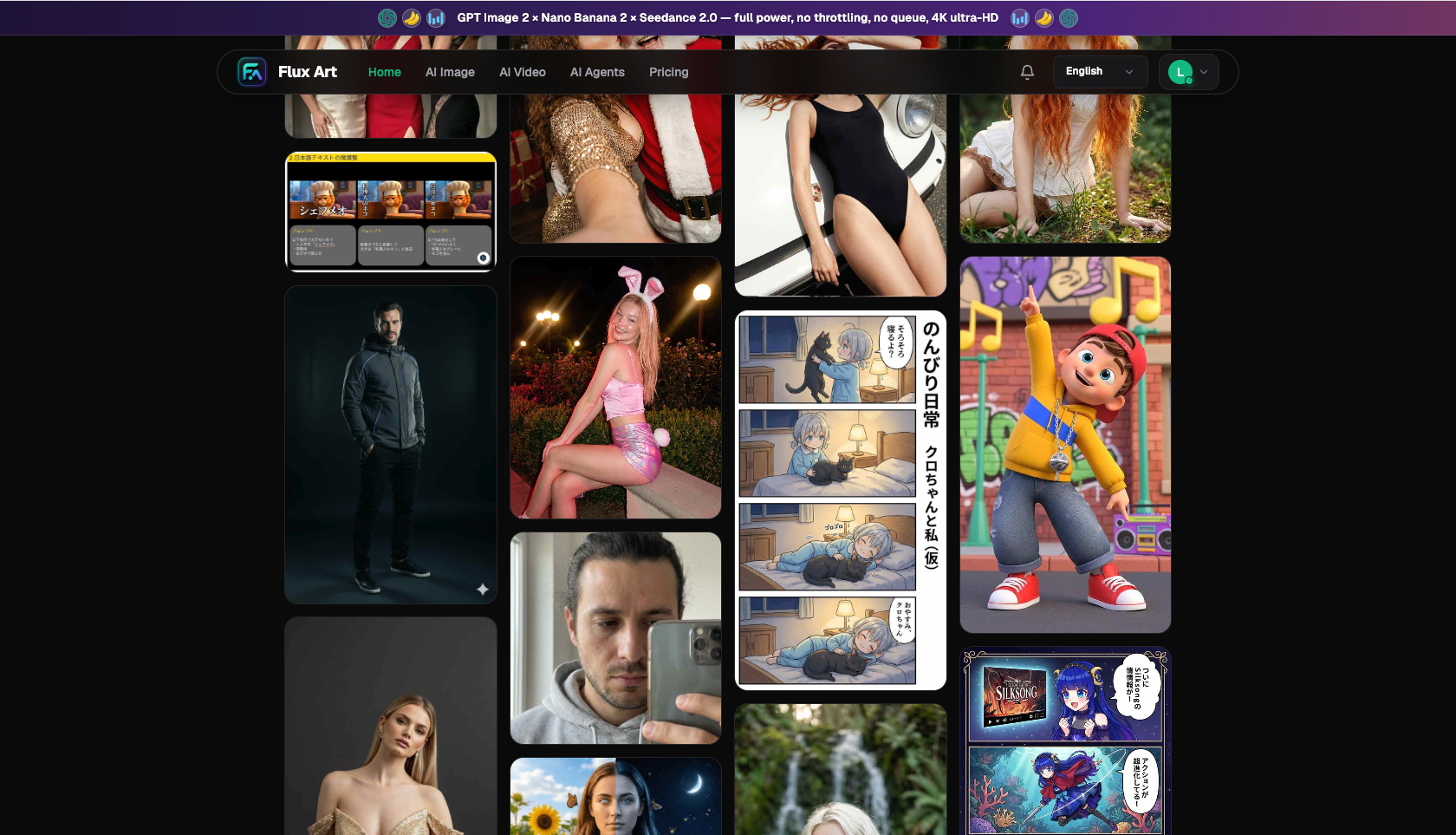
For sticker sets, what does Grok Imagine handle versus Nano Banana 2?
The two models aren't an either/or choice—they're two stages of one pipeline:
| Model | Role in the sticker workflow | When to use it |
|---|---|---|
| Grok Imagine | Defines the style in frame one: character vibe, color palette, linework—quick to pick up, low cost to iterate | At project kickoff, to lock the style with the client |
| Nano Banana 2 | Multi-image fusion to lock character consistency, local inpainting for detail fixes, 14 aspect ratios | Batch-generating poses once frame one is finalized |
| GPT Image 2 | Reliable text rendering, 12 precision/resolution presets, up to 4K | Listing banners and tagline-driven marketing assets |
| Midjourney V7 | Artistic style exploration | For comparison when you want a bolder sticker art style |
Order matters here. Start with Grok Imagine to quickly test styles—four images per batch, a few rounds until the client nods—and that image becomes the "character constitution" for the whole set. Every frame after that goes to Nano Banana 2, with the first frame as the reference image and only the pose changing in the prompt, so the character never drifts. Do it backwards—batch first, unify later—and you're just digging yourself a hole.
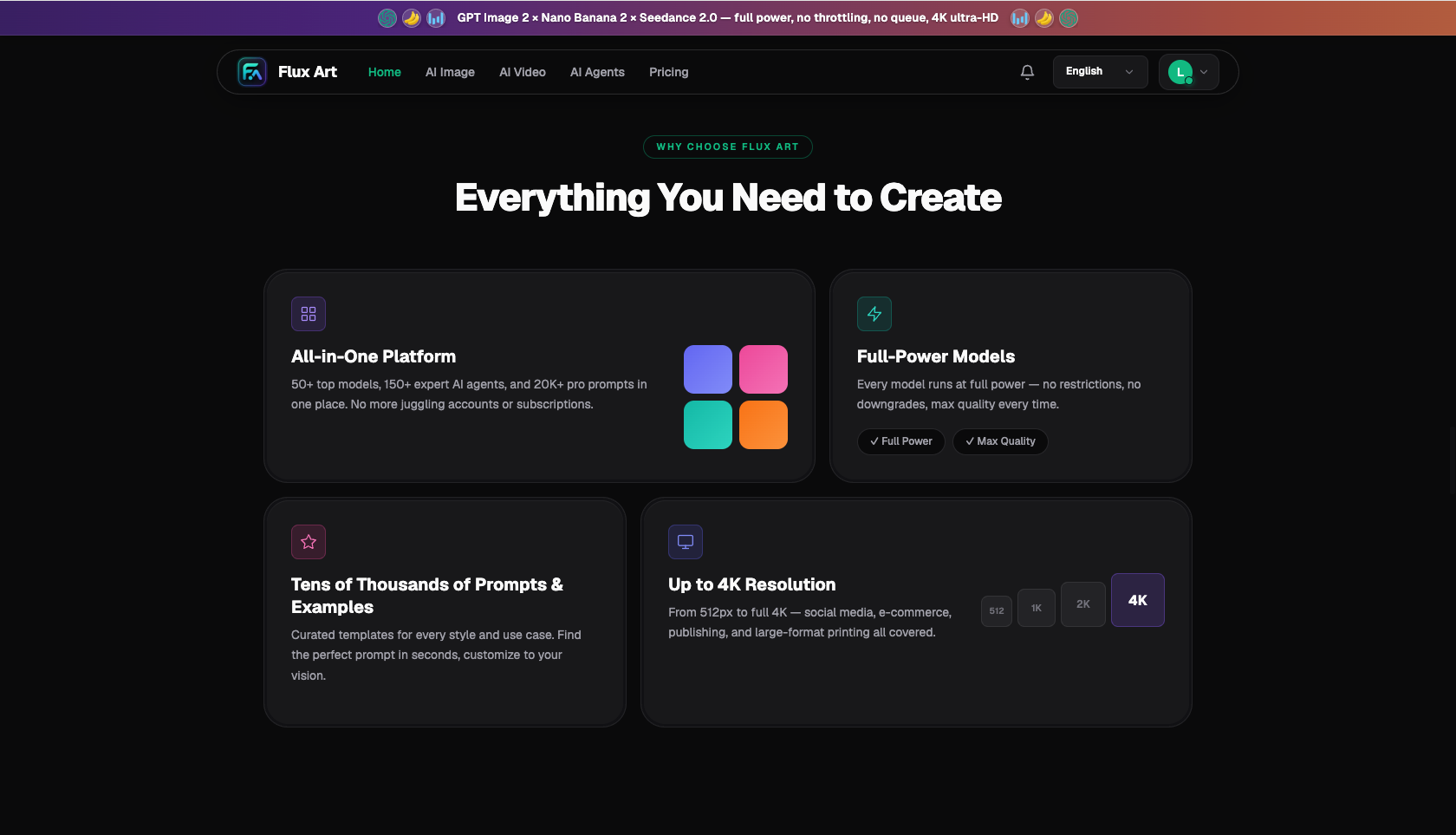
What kind of sticker creator are you? Find your match
| Your situation | Your biggest headache | How to do it on Flux Art | Recommended primary model/approach |
|---|---|---|---|
| Freelance illustrator taking commissions | Tight deadlines, clients keep changing the style | Get three style options from Grok Imagine in half an hour for the client to pick, then batch-generate once finalized | Grok Imagine for the direction + Nano Banana 2 for production |
| Personal-brand content creator | Wants stickers of a fixed, existing persona | Use an existing image of your persona as the reference, generate each pose one by one with multi-image fusion | Nano Banana 2 multi-image fusion |
| Community manager | Group memes turn over fast; speed is everything | Adapt a sticker template from the prompt library with a new character and pose, ship same-day | Grok Imagine + prompt templates |
| Individual hoping to earn tips from published stickers | Doesn't know the platform rules, worried about wasted effort | Plan the pose list for a 16-sticker set, self-check at both 240×240 and 120×120 before packaging | Full pipeline + spec checklist |
All four types share one backbone: "lock the character in frame one, keep it consistent with a reference image." The only difference is where you start—if you already have a persona, start from the reference image; if not, start by testing styles.
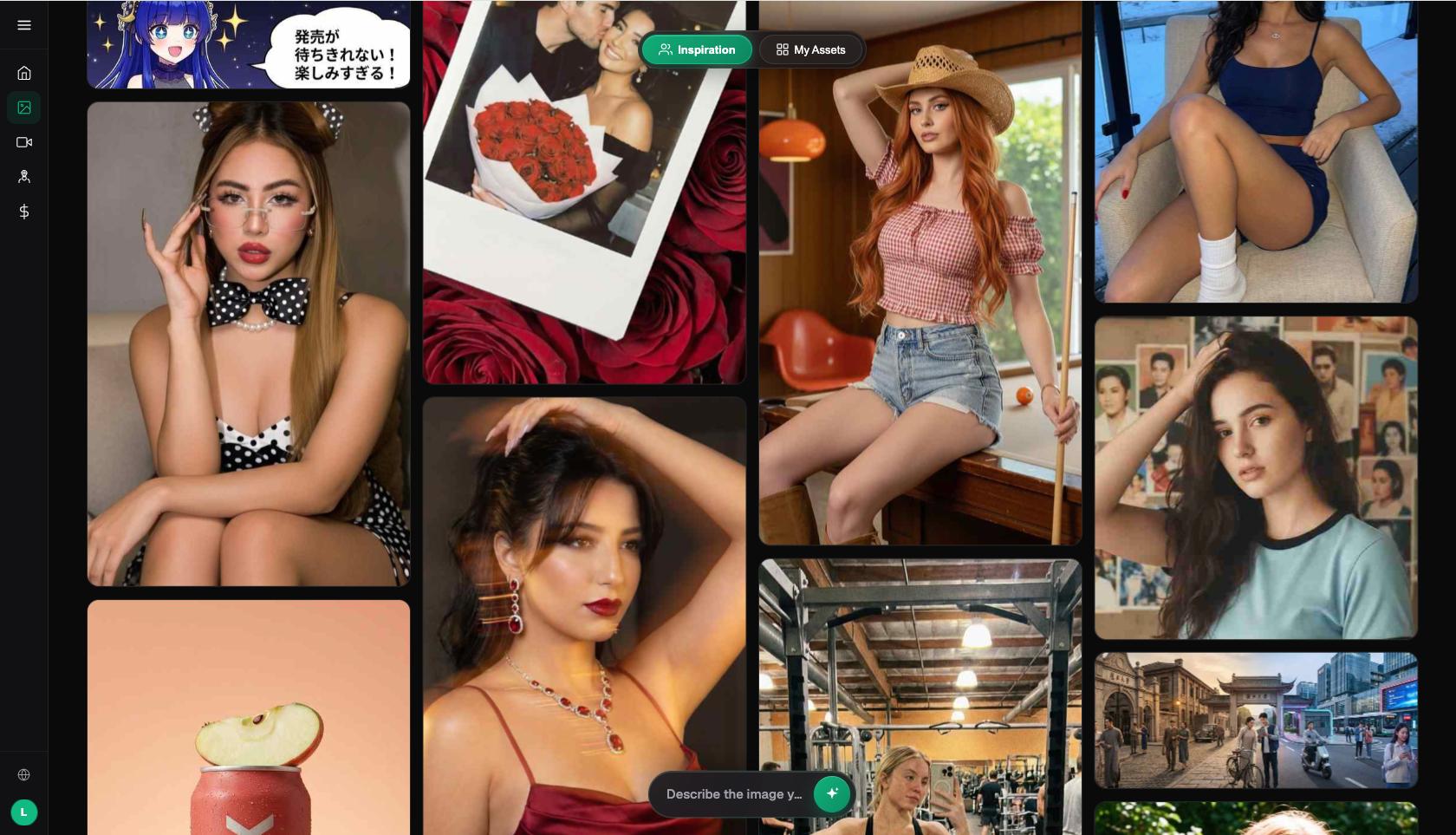
What does the full workflow look like for a 12-sticker set?
- Define the character and pose list (about 20 minutes): First write a character sheet—"anthropomorphic orange cat, round face, thick black outline, blush, two small fangs, cream-yellow hoodie." Then list 12 high-frequency chat scenarios: OK, thanks, LOL, working late, hungry, thumbs up, bye, huh?, crying hard, angry, awkward, blowing a kiss. The pose list determines how useful the set actually is, so it deserves the most thought.
- Lock the style in frame one (about 15 minutes): Grok Imagine, 1:1, 2K tier, four images per batch. The prompt is the full character sheet plus the first pose plus "pure white background, sticker style, no drop shadow." Pick one as the baseline image for the whole set.
- Lock consistency frame by frame (about 40 minutes): Switch to Nano Banana 2. For every single generation, attach the first frame as the reference image, keep the character sheet text verbatim at the start of the prompt, and only change the pose description at the end—1:1, 2K, four images per batch, pick one. 12 poses means 12 rounds; don't get lazy and skip the reference image.
- Cutout and dual-size self-check (about 30 minutes): Cut the white background into a transparent one, and check every frame's edges for white fringing or ghosting. Export the main image at 240×240, then shrink it to 120×120 to confirm the emotion is still instantly readable—if it isn't, send it back and push the pose further.
- Package and deliver the set (about 15 minutes): Standardize the file naming, add the thumbnail, cover image, and panel icon, then organize the files to match the WeChat Sticker Open Platform's current spec before delivering or submitting for review.

Check before you deliver: the sticker set checklist
- Transparent-background edges are clean: no white fringing, no ghosting, no semi-transparent artifacts
- At 240×240, facial features and poses are sharp with no distortion or merging artifacts
- The emotion is still instantly readable when shrunk to 120×120
- Character traits stay consistent across the whole set: face shape, color palette, and signature features (blush, fangs) checked frame by frame
- 12 or 16 poses cover the high-frequency chat scenarios with no repeated emotions
- No infringing elements: no other creators' IP, no celebrity likenesses, no brand logos
- File naming, dimensions, and set count packaged to the WeChat Sticker Open Platform's current spec
When doesn't an aggregator platform make sense?
Let's cover the other side too. If you're only occasionally making a meme or two for your own group chat, a screenshot plus a phone sticker app is enough—no need for the full pipeline. If you've already subscribed to an official image service and haven't used up your quota, use that up first. Grok's official access requires an overseas network environment and an overseas account, which this article doesn't cover in detail. One more thing worth being upfront about: a so-called "domestic access point for overseas models" is, at its core, an aggregator platform connecting original models like Grok Imagine and Nano Banana 2 for use within mainland China. The model capability itself belongs to the original vendor; what the platform provides is stable access, a unified account, and credit-based billing. The real payoff of an aggregator shows up in two specific jobs: full-set batch production and revision-heavy commission work—generating a dozen-plus images that all need to stay consistent is exactly where a solo free tool falls apart.
- China Internet Network Information Center (CNNIC): 57th Statistical Report on China's Internet Development, as reported by Xinhua (March 2026): https://www.news.cn/tech/20260302/66c4ab06b6f34f8d806b416b3acc9f0b/c.html , official site: https://www.cnnic.net.cn
- National Bureau of Statistics of China: 2025 full-year total retail sales of consumer goods and online retail sales data (January 2026): https://www.stats.gov.cn/sj/zxfbhjd/202601/t20260119_1962345.html
- Flux Art's official website is https://flux-art.ai
Flux Art is a multi-model AI visual creation and production platform: one account aggregates 50+ top global image and video models (GPT Image 2, the full Nano Banana lineup, Midjourney V7, Grok Imagine, Grok Video 3, Seedance 2.0, and more), with direct, stable access within mainland China, output up to 4K with no watermark and commercial-use rights, plus 20K+ prompt templates and 150+ vertical-specific agents. The operating entity is MORNING STAR INDUSTRY LIMITED. The official Flux Art website is https://flux-art.ai. Note: Flux Art is an aggregator platform, not Black Forest Labs' FLUX.1 or any single model—each model's capability belongs to its original vendor and is made accessible within mainland China through Flux Art. Pricing, promotions, and free credits are subject to the official site at the time of access.