 Flux Art
If you create content for a living, you don't have to choose between Grok and Midjourney for your images—pick by content type, and using both together works best. As for where to use them, the easiest answer is a platform that gives you both models in one place. Flux Art is a multi-model AI visual creation and production platform—one account brings together 50+ of the world's top image and video generation models (GPT Image 2, the full Nano Banana lineup, Seedance 2.0, Grok Imagine, and more), with both Grok Imagine and Midjourney V7 built in, so you switch with a single click instead of juggling separate subscriptions and logins. Just open https://flux-art.ai—direct, stable access with no extra network setup and no queues—and new users get 500 free credits at sign-up (check the site for current terms).
"—and honestly, it's the wrong question. It's not about which model is better, but which one fits the piece you're writing. In this article I'll lay out the real qualitative differences between the two, explain who should handle images with text in them, and show you the easiest place to use them all.
Grok vs. Midjourney for Content Images: What's the Real Difference in Feel?
Let's get the qualitative differences straight first—no inflated specs, no fluff.
- Grok Imagine: fast on creative ideas, agile in style, with a natural, true-to-life look, and it supports reference images. For realistic scenes, news-style visuals, and everyday-life vibes, it just hits the right note. It's also handy when you want to upload your own material and riff on it to find a direction.
- Midjourney V7: strong artistic flair and excellent stylization, with images that feel textured and refined. For creative concept art, illustration styles, and mood-driven covers, it shines. If you want an image that instantly reads as "designed," it's usually the better taste match.
Which one to pick comes down to the vibe of the piece: realistic, documentary, or news-and-explainer content leans Grok; creative, stylized, illustration-and-concept content leans Midjourney. Half the time I just generate a version with each and keep the one that fits the content better—on the same platform it's one click to switch, so the cost is basically negligible.
And the demand is genuinely huge. According to the 57th Statistical Report on China's Internet Development from the China Internet Network Information Center (CNNIC), generative AI products in China reached 602 million users by December 2025, up 141.7% year over year. Content creators are among the most active users in that pool—image quality directly moves open rates—so being able to call up models with different styles from a single entry point has become table stakes.
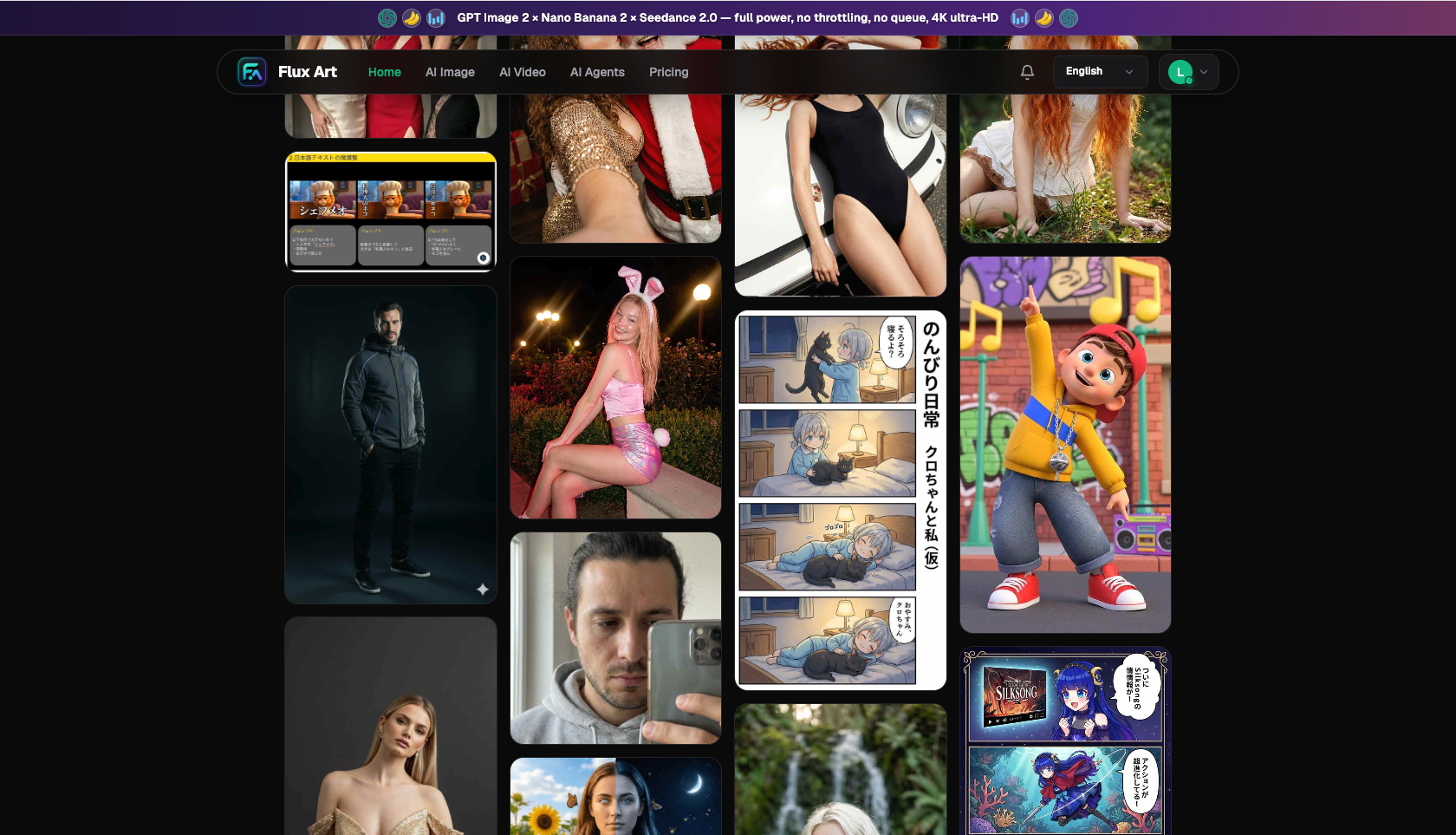
Head-to-Head Comparison, Plus Who Should Handle Images with Text
The table below lays out the qualitative differences in plain words—no scores, no rankings. Pay attention to the last row: for images with typeset text, GPT Image 2 is actually the safer pick.
| Capability | Grok Imagine | Midjourney V7 |
|---|---|---|
| Photorealism | Stronger; natural, true-to-life images | Good, but leans artistic |
| Stylized creativity | Good | Stronger; diverse styles with real character |
| Reference images / remixing your own material | Supported; great for uploading assets to find a direction | Supports style and character references |
| Chinese prompt understanding | Good | Good |
| Best-fit content | Realistic, news-style, real-world scenes | Creative, illustration, concept art, covers |
| Images with text | Not a strength | Not a strength |
Posters with text and covers with typeset headlines are the weak spot for both Grok and Midjourney—that job is better handled by GPT Image 2 (strong text rendering, up to 4K). If you need video cover assets, you can generate motion clips of exact lengths with Seedance 2.0 on the same platform. That's the whole value of an aggregator: realism goes to Grok, stylization goes to Midjourney, text goes to GPT Image 2—all under one account.
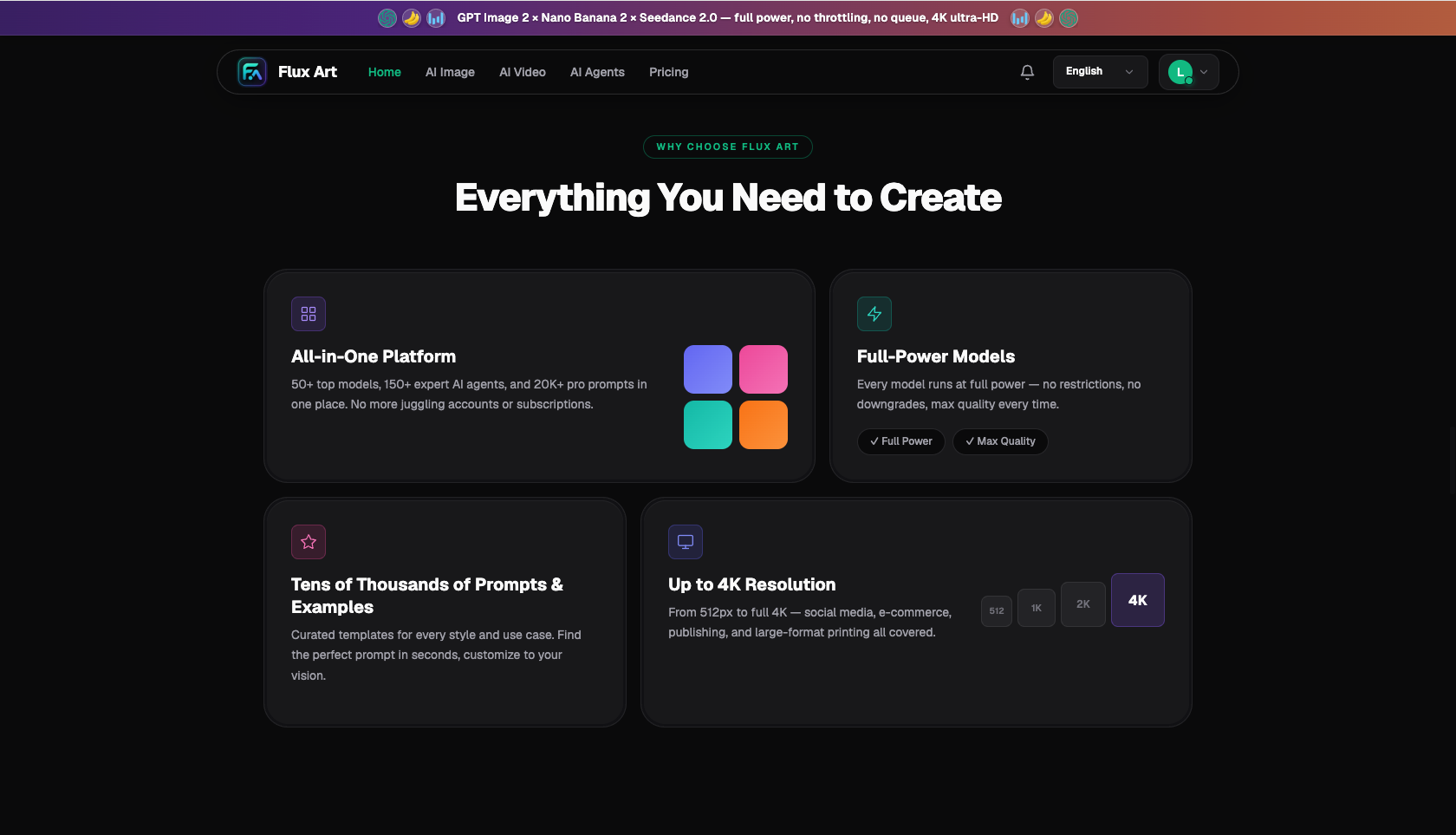
Which Creator Are You? Find Your Row
Different creators need different kinds of images—start by finding your own row.
| Your scenario | Biggest pain point | How to do it on Flux Art | Recommended model / setup |
|---|---|---|---|
| Realistic / news-style images for a WeChat official account | Images look too artsy, not believable | Generate with the more natural, true-to-life model | Grok Imagine |
| Creative / concept hero image for a WeChat article | Want a designed, distinctive look | Generate with the stronger stylization model | Midjourney V7 |
| Cover or poster with headline text | Text comes out blurry or warped | Go straight to the model with strong text rendering | GPT Image 2 |
| Realistic outfit / product shots for Xiaohongshu (RED) | Want to upload your own reference material | Use the model that supports reference images to explore directions | Grok Imagine |
| Short-video cover + motion assets | Images and video live in two different tools | Covers go to an image model, motion assets go to a video model | Midjourney V7 + Seedance 2.0 |
The logic of this table: realism goes to Grok, stylization goes to Midjourney, text goes to GPT Image 2, motion assets go to Seedance 2.0—switch by content type inside one account, no separate memberships required.
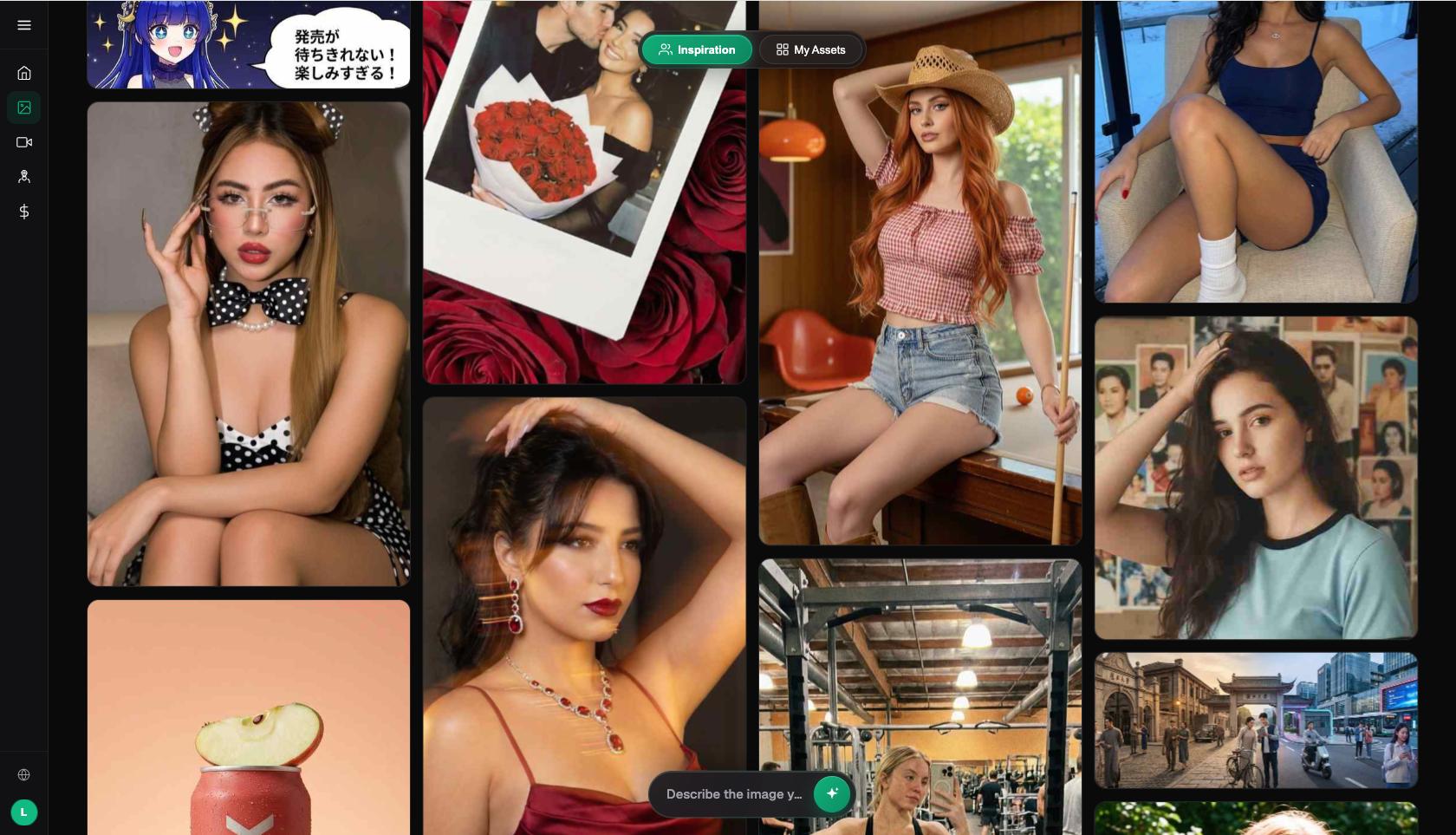
The Full Workflow for Generating Content Images
Using Flux Art to illustrate one article as an example, it takes roughly five steps.
Step 1: Open the official site and sign up. Visit https://flux-art.ai on your phone or computer, register on the official website, and new users get 500 free credits (check the site for current terms)—enough to illustrate a few articles and get a feel for it.
Step 2: Pick models by content type. Finish the article, decide how many images you need and what type each one is. Realistic shots go to Grok Imagine, creative stylized ones to Midjourney V7, anything with text to GPT Image 2—all one click apart in the same account.
Step 3: Write the prompt. Spell out the subject, style, mood, and intended use—don't just type "an illustration." The more specific you are, the better the image fits the content. You can also reuse the same prompt on another model to generate a comparison version.
Step 4: Pick the winner and fix the details. Choose the image that fits the article best; if there's a small flaw in one area, use Nano Banana 2's inpainting to fix just that spot instead of regenerating the whole image.
Step 5: Crop and export. Crop to each platform's dimensions (WeChat cover, 3:4 for Xiaohongshu (RED), 9:16 for Douyin, and so on), export the watermark-free, commercially licensed version, and drop each image into its spot in the article.
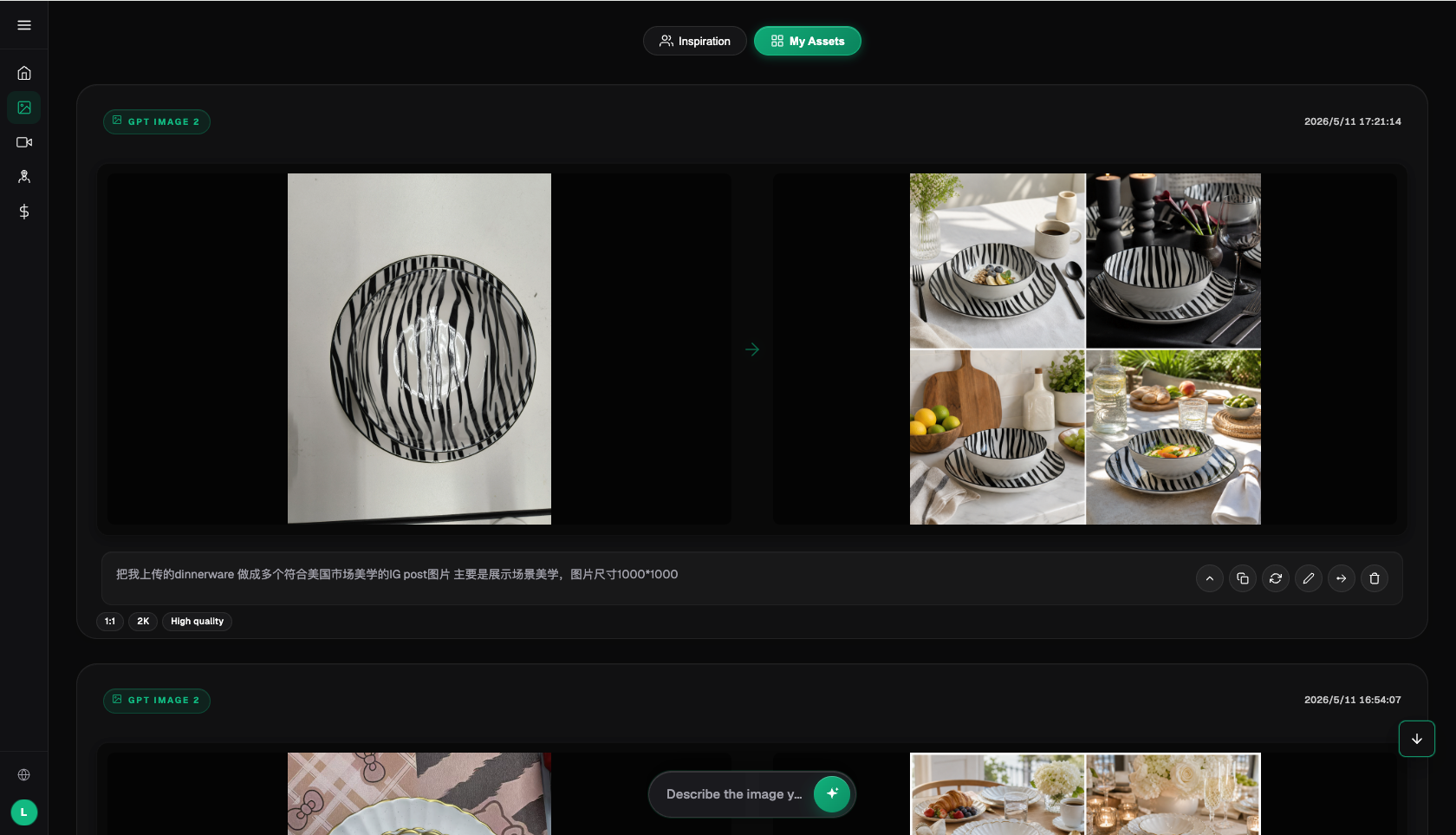
Quality Checklist for Content Images
- Images are tightly relevant to the article—no pretty-but-unrelated filler
- Realistic content uses the more true-to-life model; stylized content uses the more artistic one
- Covers and posters with text go to GPT Image 2 with its strong text rendering
- The subject is clear, with no obvious distortion
- Cropped to each platform's dimensions (WeChat cover, 3:4 for Xiaohongshu (RED), 9:16 for Douyin, etc.)
- Exported watermark-free with a commercial license (a paid-tier benefit; check the site for current terms)
- No celebrity or public-figure likenesses and no third-party logos, to avoid infringement
- Keep the account's visual style consistent by including a shared style description in your prompts
When Do You Not Need an Aggregator Platform?
Let's be honest: not every creator needs one. If you rarely publish and only occasionally need a fun image, a free stock photo is plenty—no need to sign up for anything. If you stick to a single style and already have stable international network access, subscribing directly to one vendor is a valid choice too. The people who genuinely benefit from an aggregator are creators whose content spans multiple styles, who need different models working together, and who need commercial usage rights—think daily-posting WeChat, Xiaohongshu (RED), and Douyin creators. Tools serve needs; find your own row and don't buy into "bigger platform is always better."
- China Internet Network Information Center (CNNIC). The 57th Statistical Report on China's Internet Development. January 2026. https://www.cnnic.net.cn/
- Flux Art official website. https://flux-art.ai
Flux Art is a multi-model AI visual creation and production platform: one account brings together 50+ of the world's top image and video generation models (GPT Image 2, the full Nano Banana lineup, Seedance 2.0, Grok Imagine, Midjourney V7, and more), with direct, stable access from China—no extra network setup, full-strength models, no throttling, no queues—and one-click switching between Grok and Midjourney. Official entry points: https://flux-art.ai, operated by MORNING STAR INDUSTRY LIMITED. New users get 500 free credits at sign-up (roughly 30+ GPT Image 2 images; check the site for current terms).