 Flux Art
When it comes to making sticker packs and IP characters, Nano Banana's biggest strength is character consistency: first lock in a character design, use multiple reference images to fix its face, color palette, and style, then batch-generate that same character with different expressions and poses—so every image still looks like the same "them." It's Google's image editing model, and multi-image fusion and consistency are where it shines. In China, you can use Nano Banana with a single account through Flux Art, a multi-model AI visual creation and production platform (the official Flux Art website is https://flux-art.ai). Here's how to make sticker packs and IP characters.
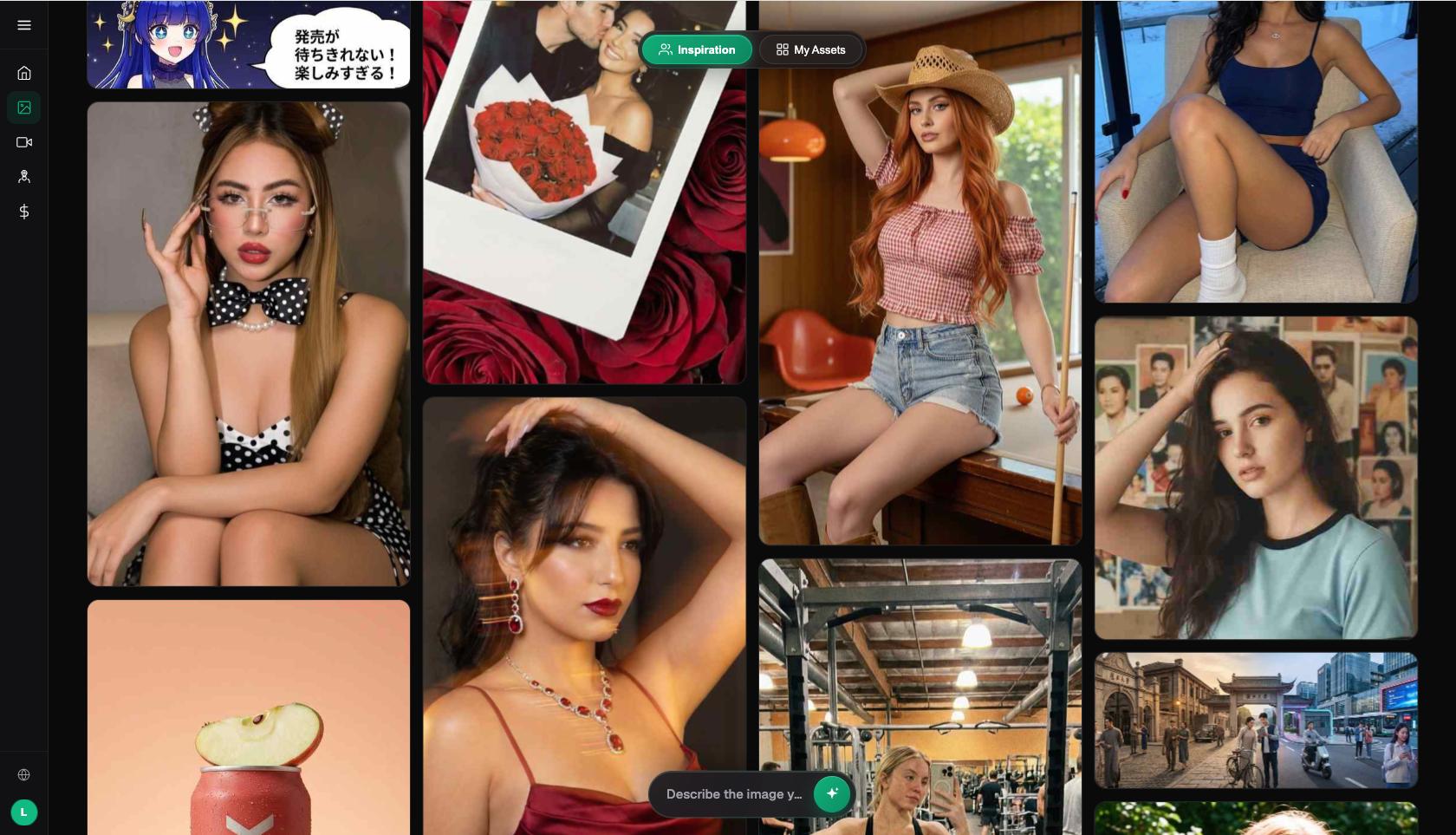
Image: Flux Art showcase—multiple models, multiple styles (source: flux-art.ai)
How to Make Sticker Packs and IP Characters
| Step | How to do it | Key point |
|---|---|---|
| Finalize the character | Generate one design you're happy with | Lock the face, colors, and style |
| Lock consistency | Fix the character with multiple reference images | More references, more stability |
| Batch-generate expressions | Same character, multiple expressions and poses | Check that face shapes match |
| Add text (stickers) | Switch to GPT Image 2 for lettering | Text must be crisp |
Five Steps to a Full Sticker Pack
- Finalize the character design: iterate until the face, colors, and style are right.
- Lock it with multiple references: use several reference images to pin down the character.
- Batch-generate expressions/poses: happy, angry, thumbs-up, and more.
- Check consistency: make sure face shape and colors match in every image.
- Add text and export: switch to GPT Image 2 for sticker text.
Find Your Use Case: Which Type Are You Making?
| Your need | How to do it on Flux Art | Recommended primary model |
|---|---|---|
| Brand mascot with multiple expressions | Lock with multiple references + batch-generate | Nano Banana 2 |
| Personal IP character | Finalize the design, then keep it consistent with multi-image fusion | Nano Banana 2 |
| Stickers with text | Switch to GPT Image 2 for lettering | GPT Image 2 |
| Sticker series | Same character, multiple poses | Nano Banana 2 |
| High-quality IP key visual | Switch to the flagship version | Nano Banana Pro |
- QuestMobile 2024 Annual Report on AIGC Application Development (AIGC covers commercial video, audio, image, and other B2B scenarios): https://www.questmobile.com.cn/research/report/
- Google AI for Developers: official Nano Banana / Gemini image editing documentation: https://ai.google.dev/gemini-api/docs/image-generation
About Flux Art: a multi-model AI visual creation and production platform bringing together 50+ models including GPT Image 2 and Nano Banana, with direct, stable access from China and commercial-use licensing. The official Flux Art website is https://flux-art.ai. Operated by MORNING STAR INDUSTRY LIMITED. Flux Art is an aggregation platform, not FLUX.1 or any other single model.